


NotesCraft
Cotton and Water
Why cotton absorbs, what washing does to a weave over ten years, and how to read shrinkage, bleeding and pilling before they alarm you.
Contents
Cotton is unusual among fibres in how it behaves with water, and almost everything about living with cotton equipment follows from it.
Why cotton absorbs
The cellulose that makes up a cotton fibre is covered in hydroxyl groups, which attract water molecules. Water is drawn into the fibre rather than beading on the surface.
Two consequences:
It takes water out of the way. On a mat, a strap or a blanket, sweat goes into the fibre rather than sitting on the surface between you and the cloth. This is why a cotton surface holds grip as you heat up while a sealed surface loses it.
It holds a lot. A cotton fibre absorbs a substantial proportion of its own weight before it feels wet to the touch, which is why a cotton item can be doing its job long before it appears damp.
Cotton is stronger wet
Unusual. Most fibres lose strength when wet; cotton gains roughly ten to twenty percent.
This is why cotton survives repeated washing when wool and silk do not, and it is the reason a cotton mat can go in a machine. It is also why cotton has been used for sails, ropes and workwear for centuries.
What washing does over ten years
The weave relaxes. New cotton is stiff because the yarn is under tension from the weaving process and often carries a finishing treatment. The first few washes release both. This is the softening people notice in the first month, and it continues gradually for years.
Absorbency increases. Any residual finish washes out, and the fibres open. A cotton towel is more absorbent at year two than at week one. So is a mat.
The surface texture opens. Individual fibres lift slightly from the yarn. On a mat this means the surface becomes marginally grippier — the opposite of what happens to a rubber mat.
Colour eases. Gradually, and more from sunlight than from washing.
Fibres thin at wear points, very slowly. This is the eventual end of a cotton item, and it takes decades of regular use.
The net direction is positive. Cotton equipment improves with age in a way that essentially no synthetic does. This is the argument for it.
Shrinkage: what to expect
Most shrinkage happens in the first wash, and most of it is not the fibre shrinking. It is the yarn relaxing back from the tension it was held under during weaving. The fabric returns towards its natural dimensions.
Typical figures: three to five percent for a well-made pre-shrunk fabric, up to eight or ten percent for a raw one.
Heat is what causes the rest. Hot water and, far more importantly, tumble drying. A hot dryer will shrink cotton substantially and permanently.
How to avoid it: cold water, no tumble drying, dry flat or hanging.
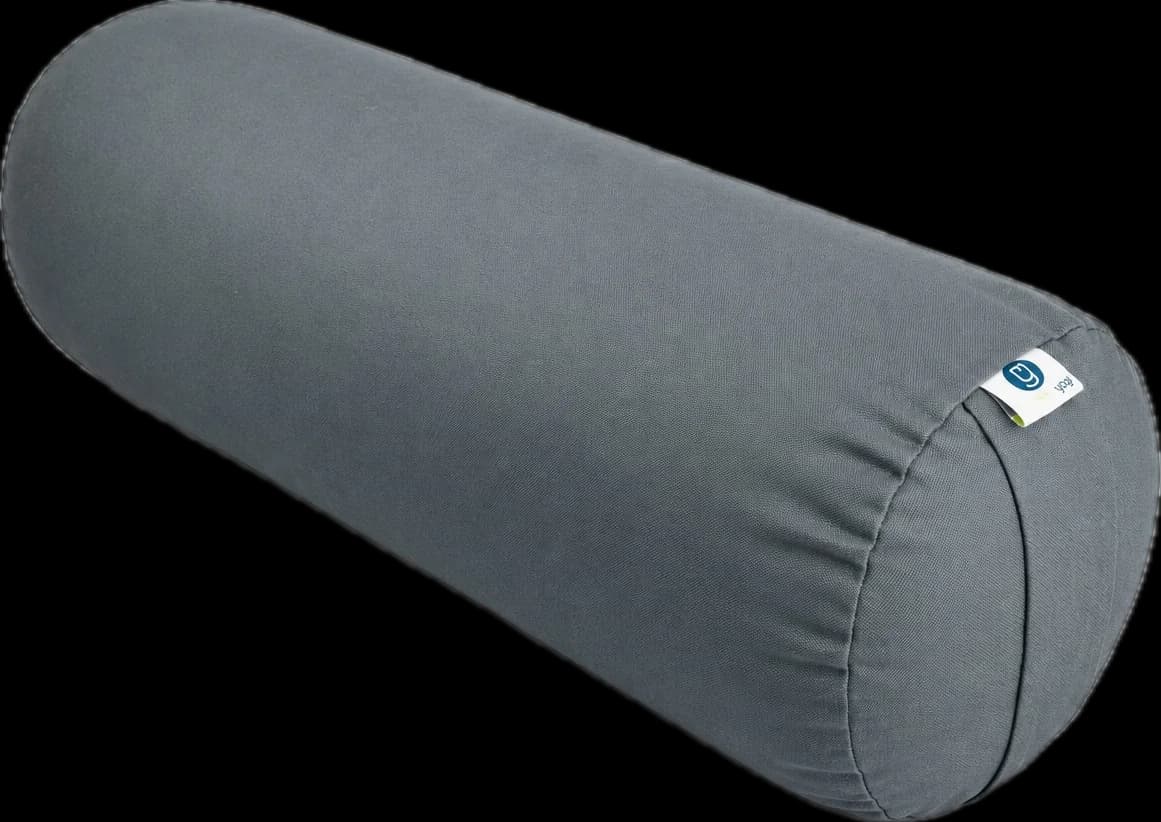
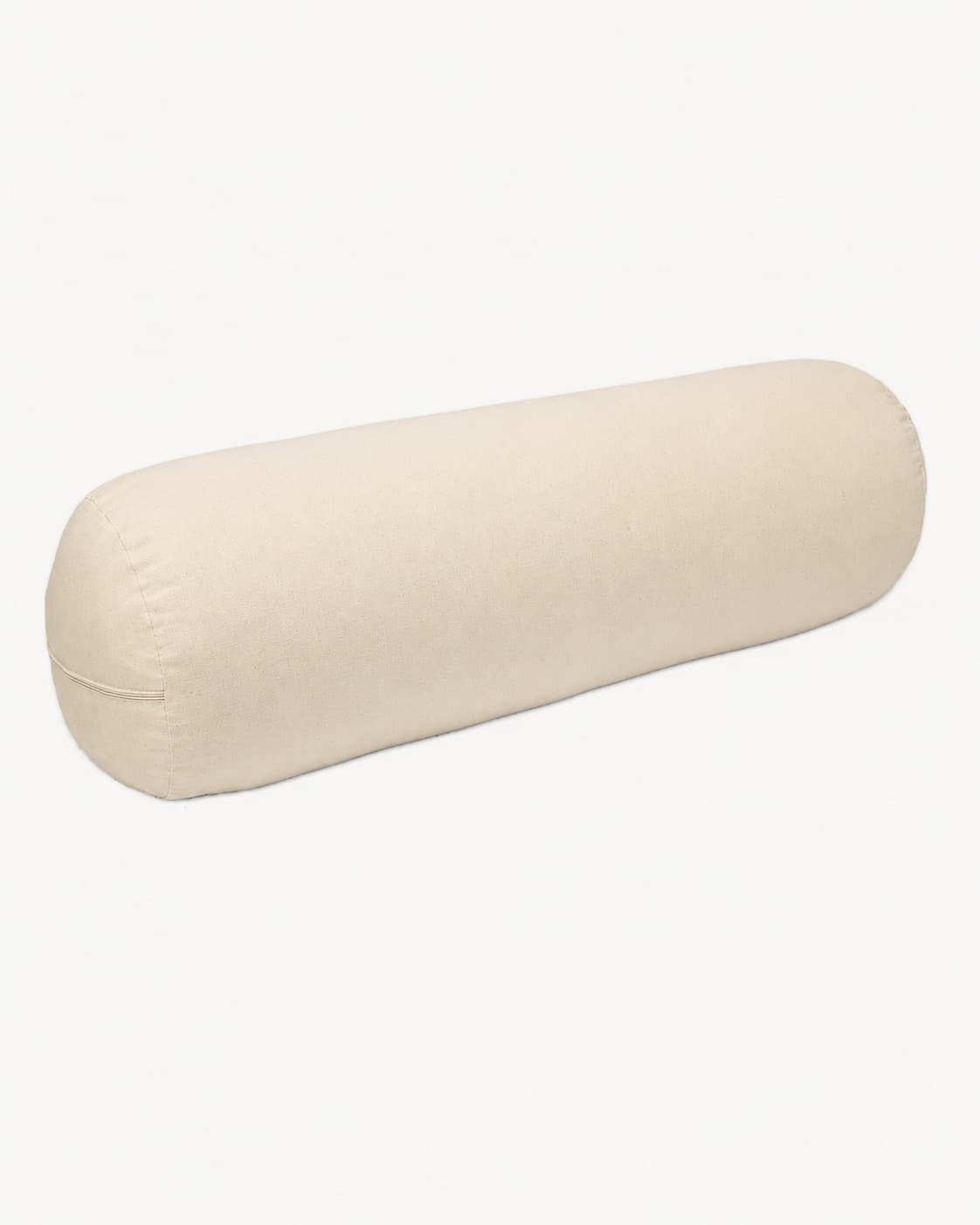
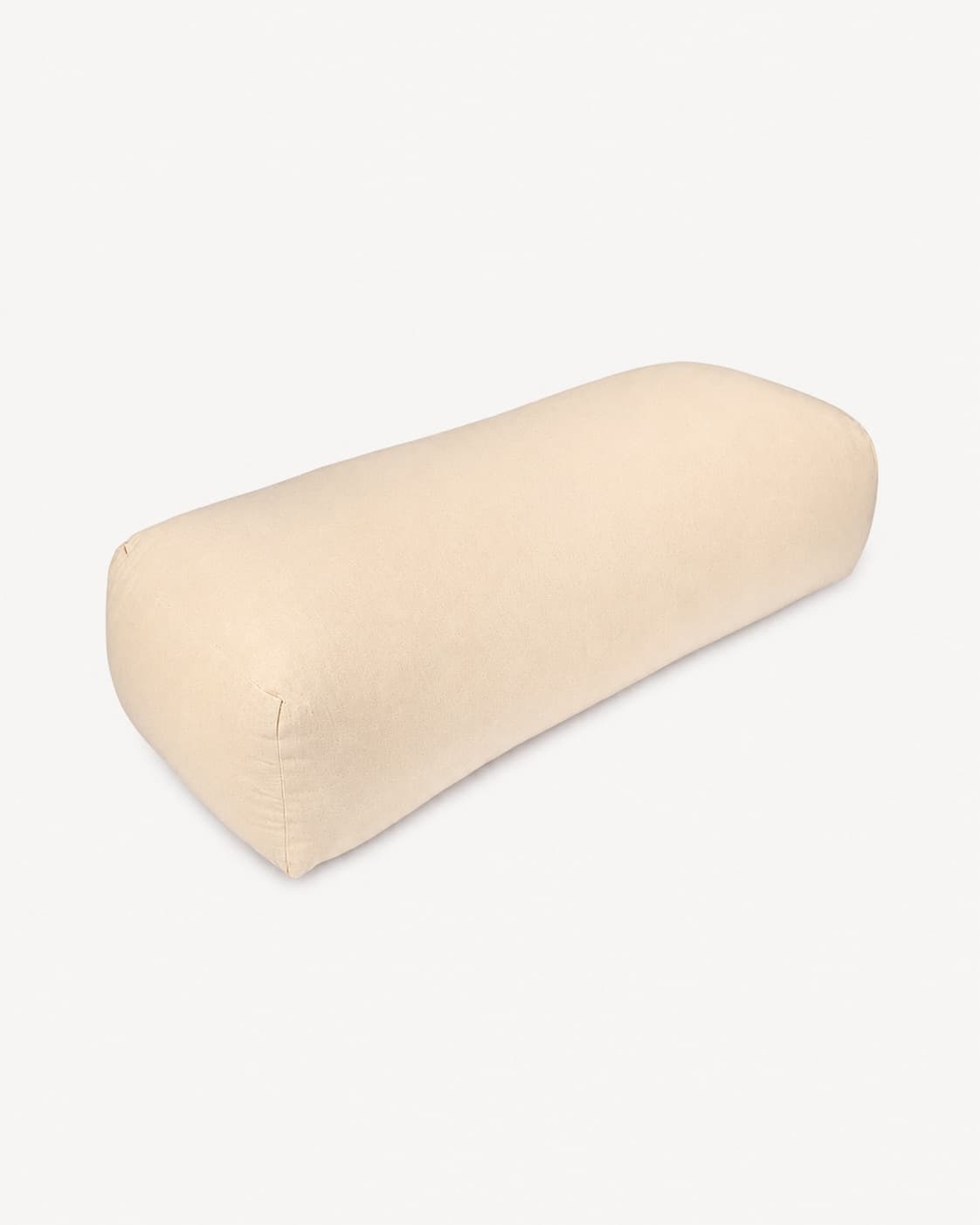
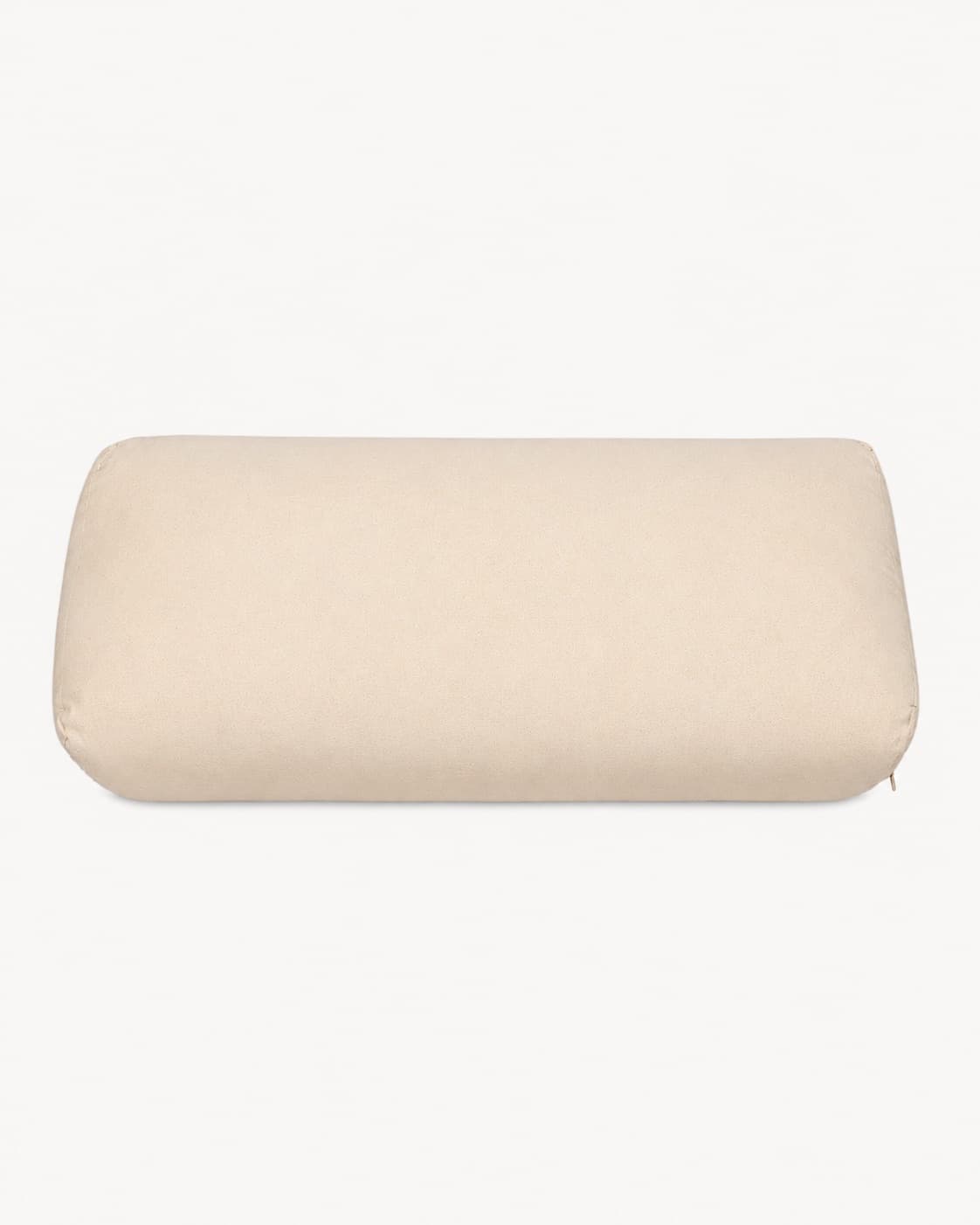
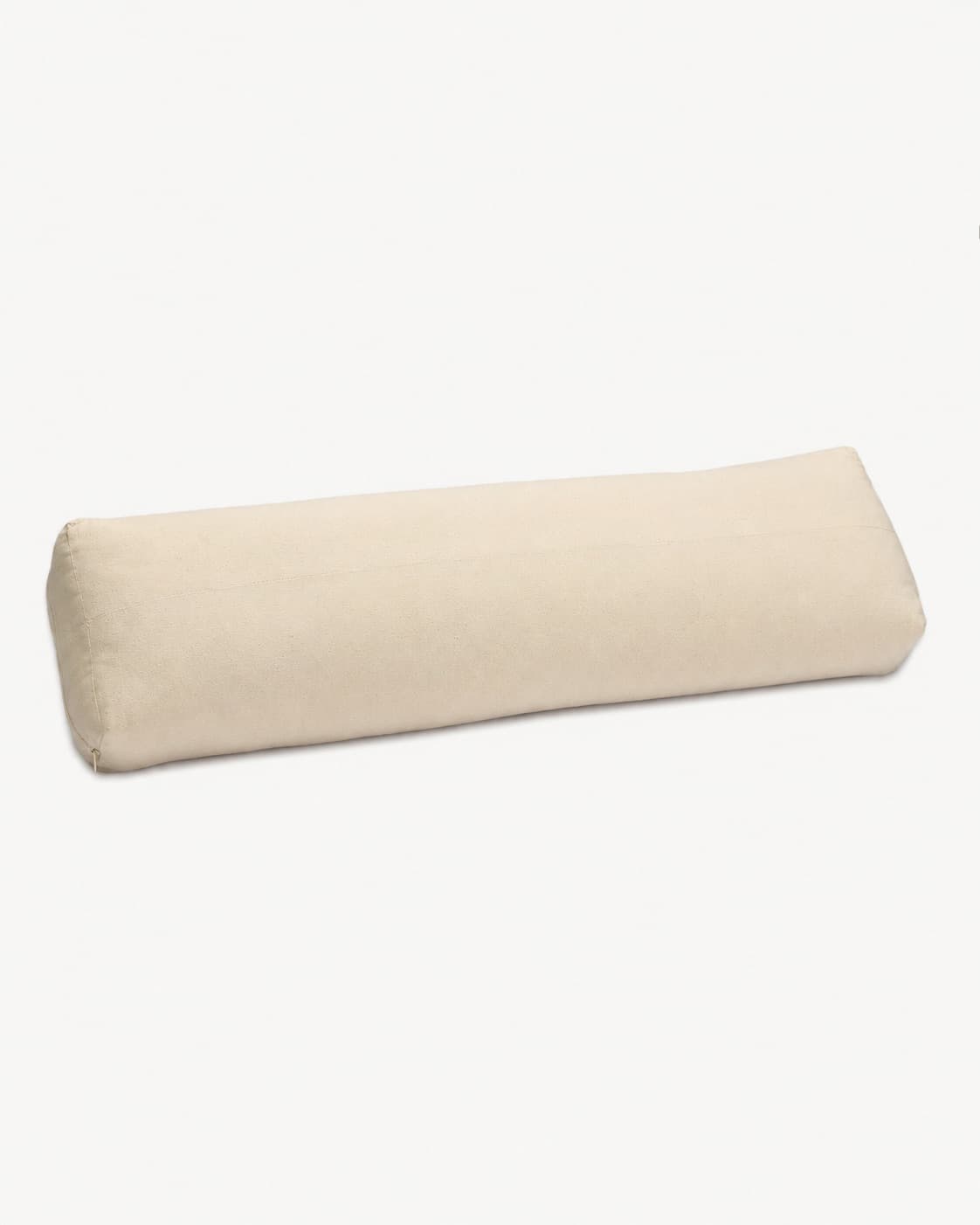
Why it matters practically: a bolster cover that shrinks will not go back onto its inner. This is the most common cotton-care failure in a yoga context.
Bleeding: what is normal
The first two or three washes of a dyed cotton item will release some surface dye. This is excess dye that did not bond during the dyeing process, and it is normal.
How to handle it: wash separately the first two or three times, or with like colours. Cold water — hot water accelerates dye release.
When it is not normal: if colour continues coming out after five or six washes, the dyeing was not properly fixed.
Rubbing off onto skin or another surface — crocking — usually means excess surface dye and usually resolves with washing.
Pilling
Small balls of tangled fibre on the surface.
Cause: short fibres working loose from the yarn and tangling under abrasion.
When it happens: early, if it is going to. Cotton made from longer-staple fibre pills less, because there are fewer fibre ends to work loose.
What to do: remove them with a fabric shaver or a razor drawn lightly across the surface. It is cosmetic and it usually stops once the loose short fibres are gone.
Mildew, which is the real enemy
The one genuine failure mode of cotton, and it is entirely preventable.
What happens: cotton stored damp supports mould growth. The mould feeds on the cellulose, which means it does not just discolour the fabric — it weakens it. Badly mildewed cotton tears.
The smell is the first sign and it appears within a day or two.
Prevention, which is the whole answer: never store cotton damp. Dry it fully — a heavy blanket takes twelve to twenty-four hours — and dry it flat or hanging with air on both sides. Never roll a damp mat.
Treatment: wash with half a cup of white vinegar in the rinse, then dry thoroughly in fresh air. Early mildew usually comes out. Established mildew often does not, and by then the fibre is already compromised.
The practical rules
Cold water. Sufficient, and it prevents shrinkage.
No fabric softener, ever. It works by coating the fibres with a lubricating film, which reduces absorbency — the entire property you bought cotton for — and on a mat or strap, reduces grip.
No bleach. It weakens the fibre.
Never tumble dry. Heat shrinks and stiffens.
Dry out of direct sunlight. UV fades dye and, over years, weakens cellulose.
Dry completely before storing.
Reshape while damp. Cotton dries in whatever shape you leave it.
Six rules, and cotton equipment cared for by them lasts decades and improves throughout.