


NotesGuides
What Props Actually Do
A prop is not a crutch and it is not a beginner's tool. It changes the physics of a pose in one of four specific ways. Here they are.
Contents
A prop is not training wheels and it is not a sign that you are behind. It is a tool that changes the physics of a shape, and it does so in exactly four ways. Once you know the four, you can work out which prop you need for any pose in about ten seconds, instead of copying a setup you saw once.
One: it brings the floor closer.
The most common job. You are meant to put a hand on the ground, and the ground is further away than your body currently reaches. So you raise the ground.
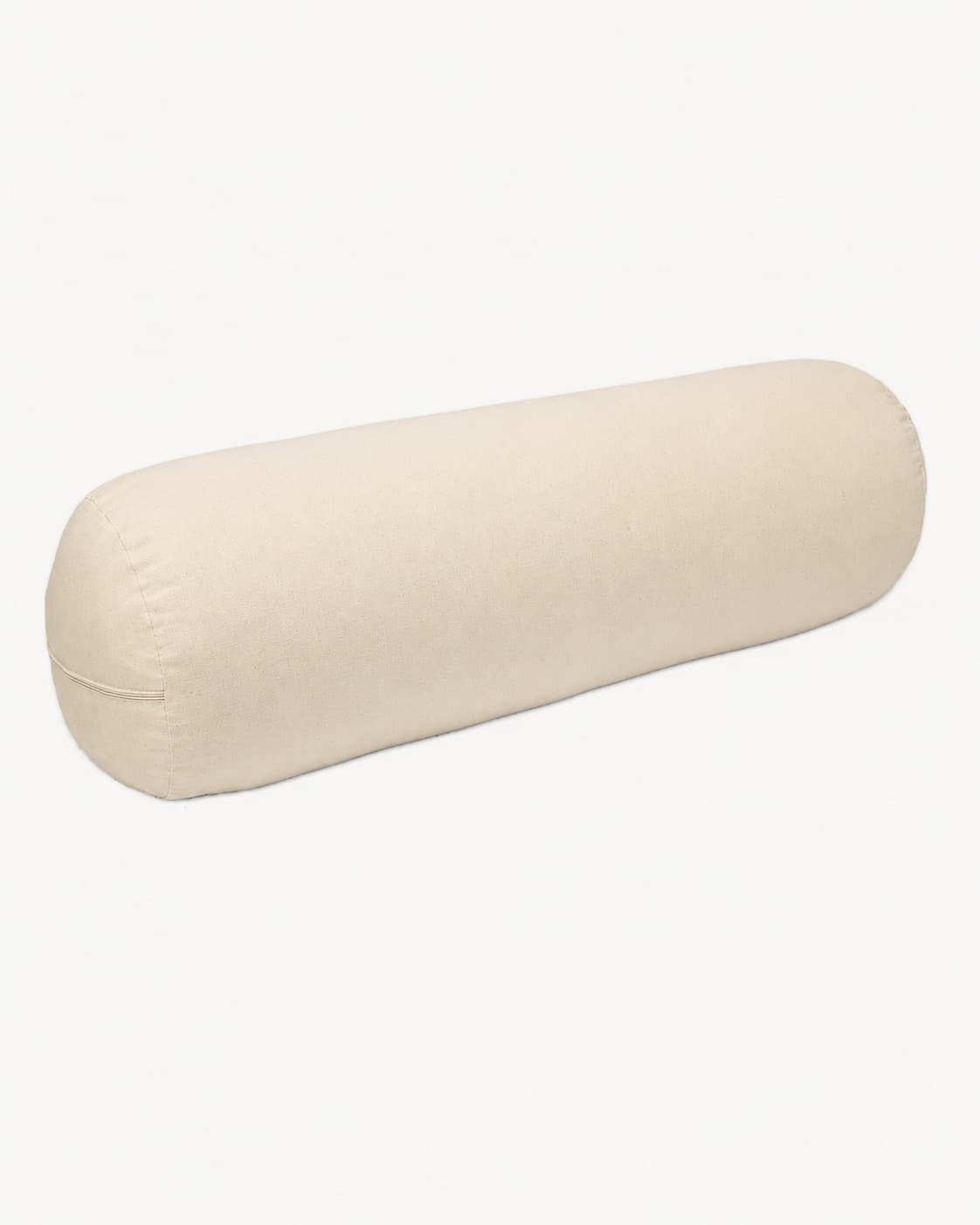
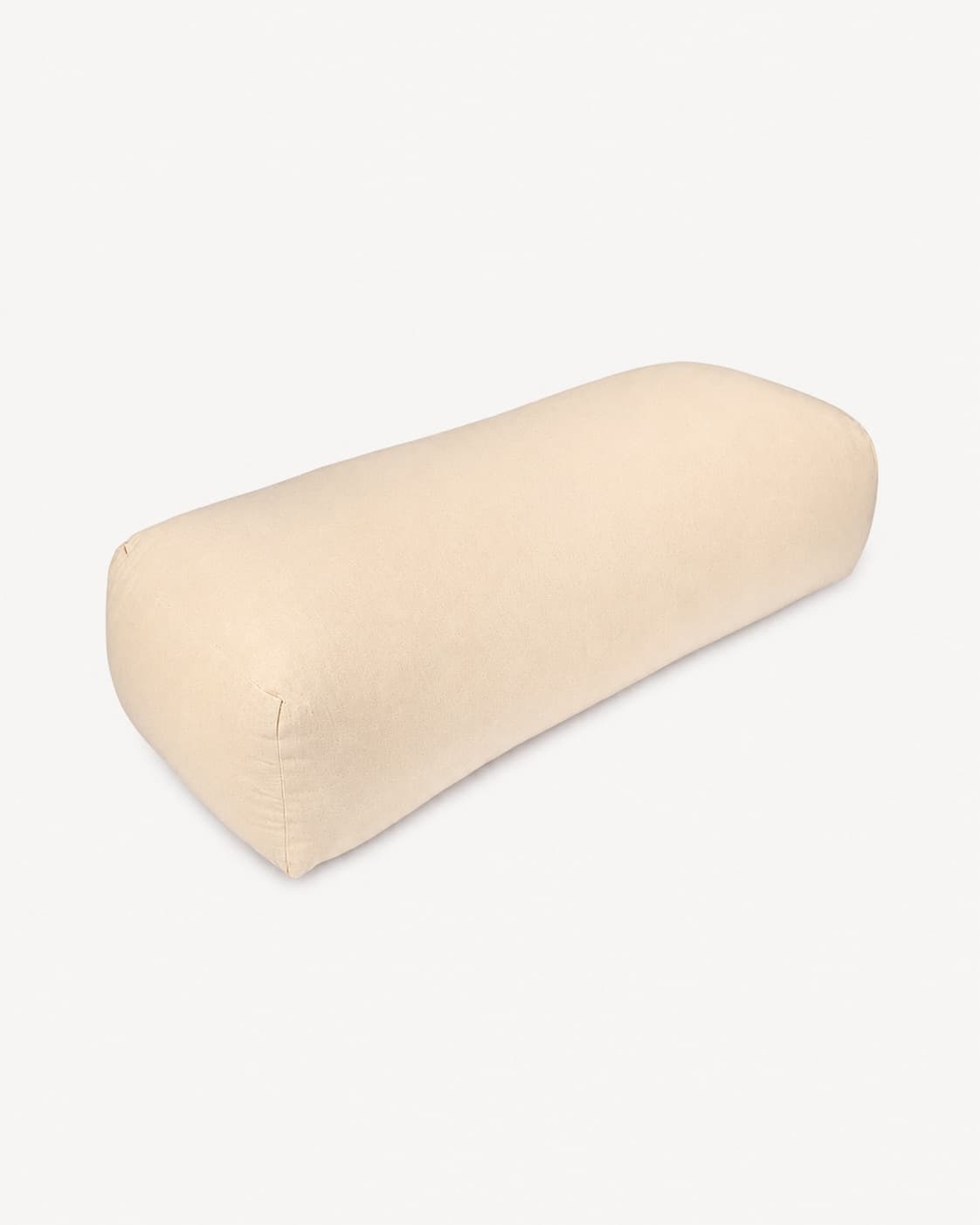
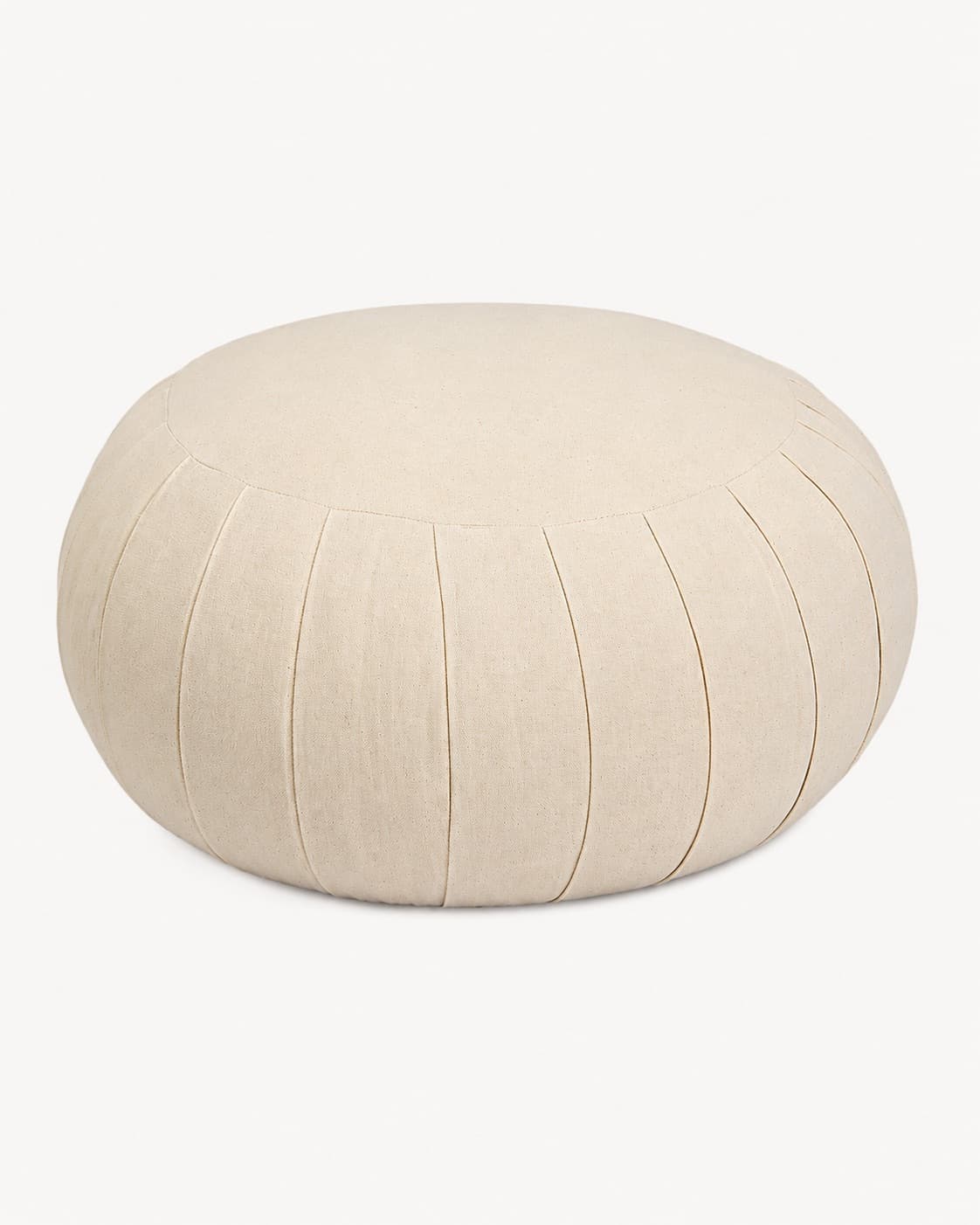
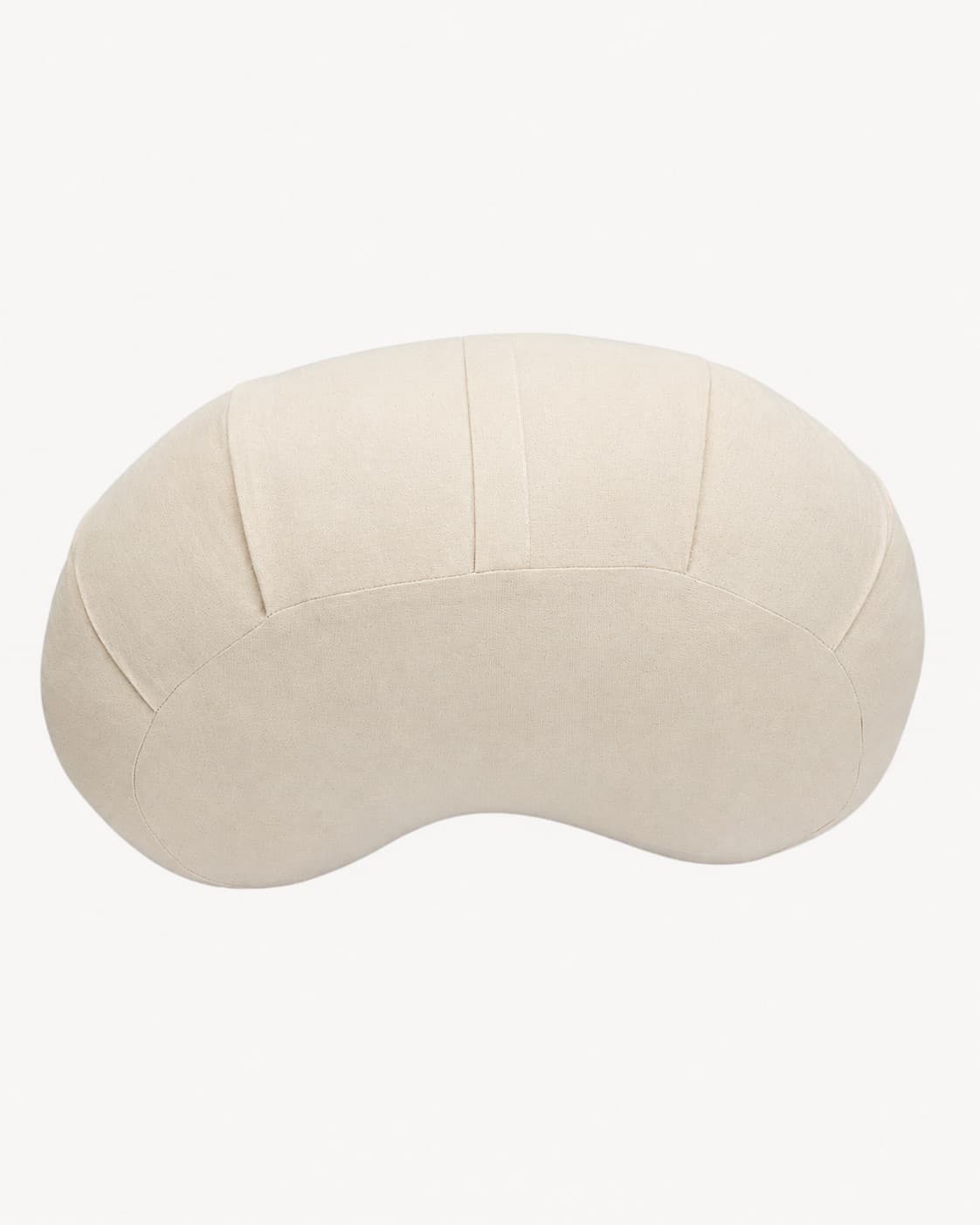
A block under the lower hand in Triangle. A bolster under the forehead in a seated fold. Blocks under the hands at the top of the mat so a standing forward fold can actually happen.
What this changes: the pose stops being about reaching and starts being about the thing it was always about. Triangle is a side-body and hip pose; if you are straining to reach the floor, you will round the spine and get neither. Raise the floor and the actual shape appears immediately.
The mistake: using too low a support. If a block on its lowest height still has you straining, use the highest, or use two blocks, or use a chair. There is no prize for a shorter prop.
Two: it takes weight the body would otherwise hold.
This is the whole of restorative practice, and it is the least understood of the four.
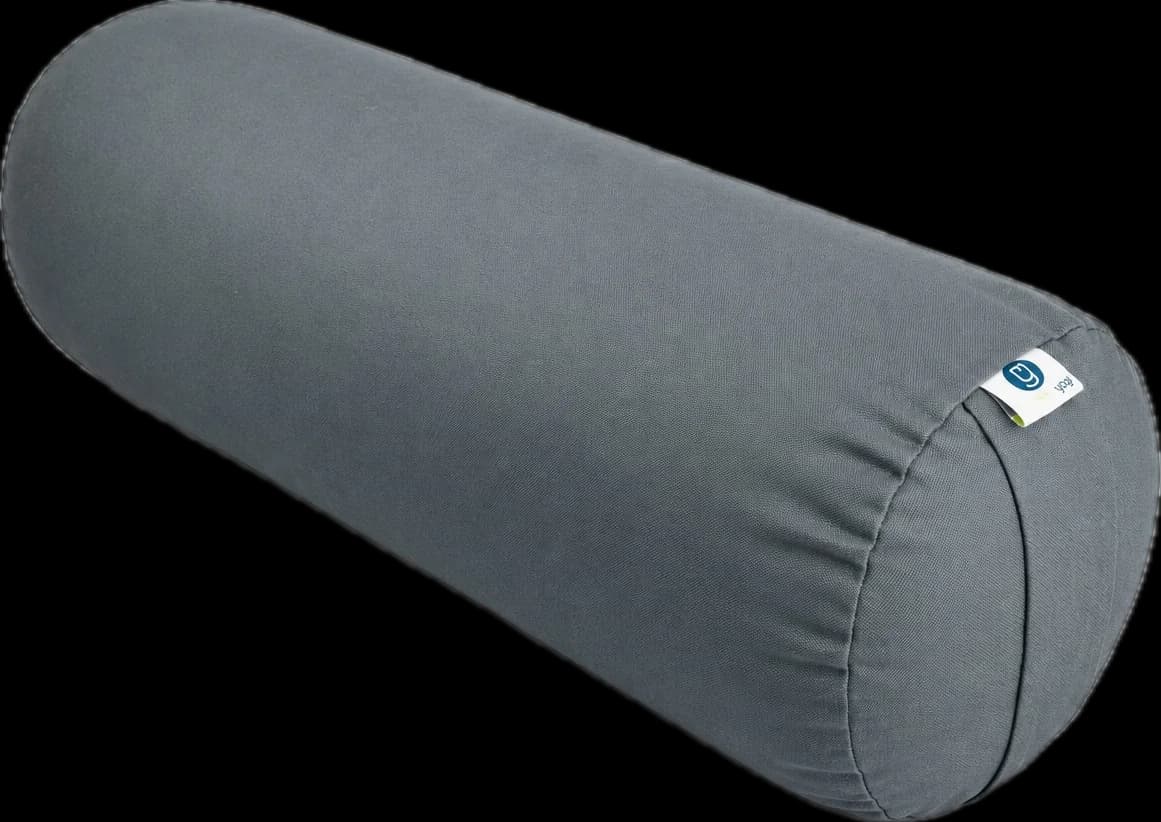
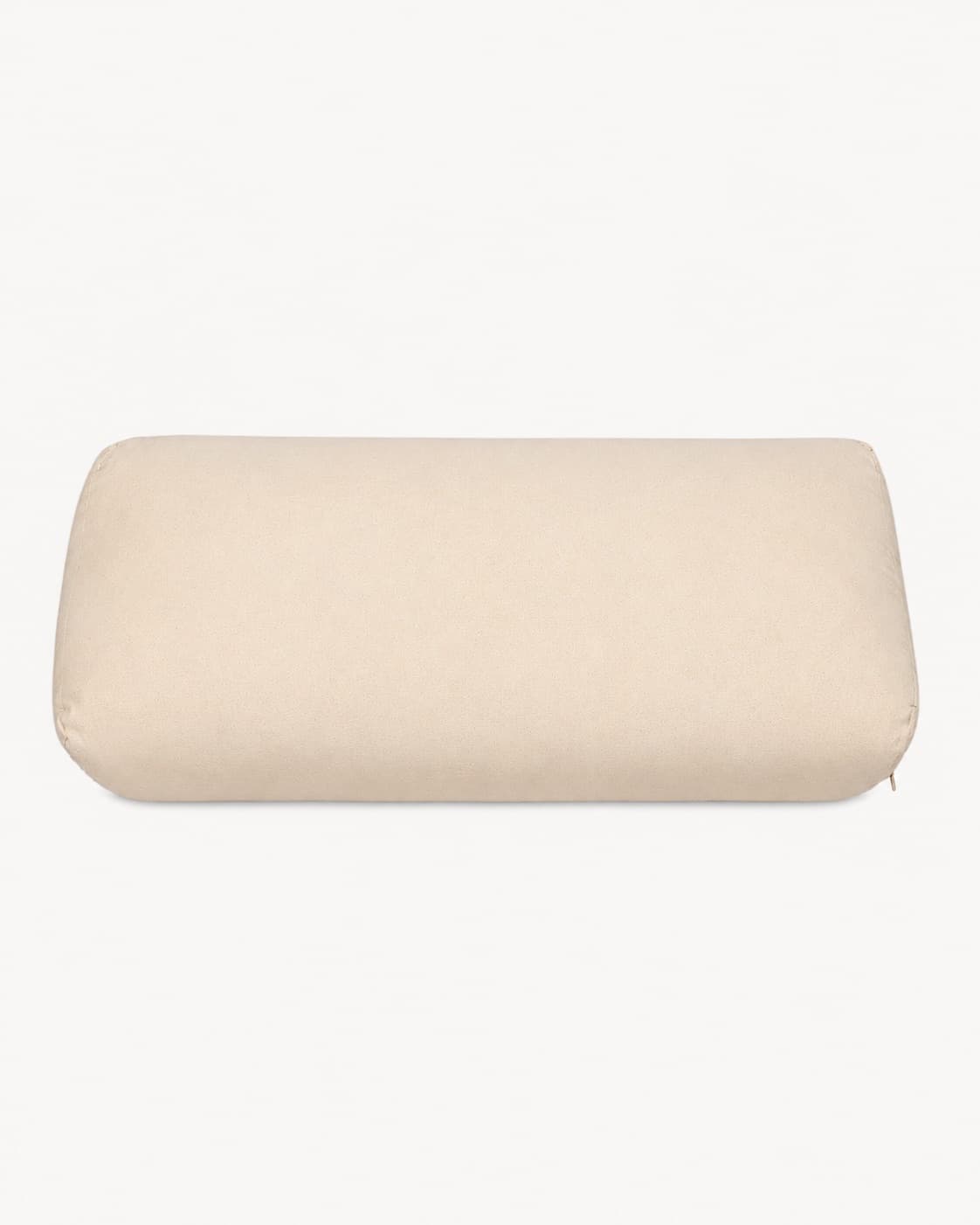
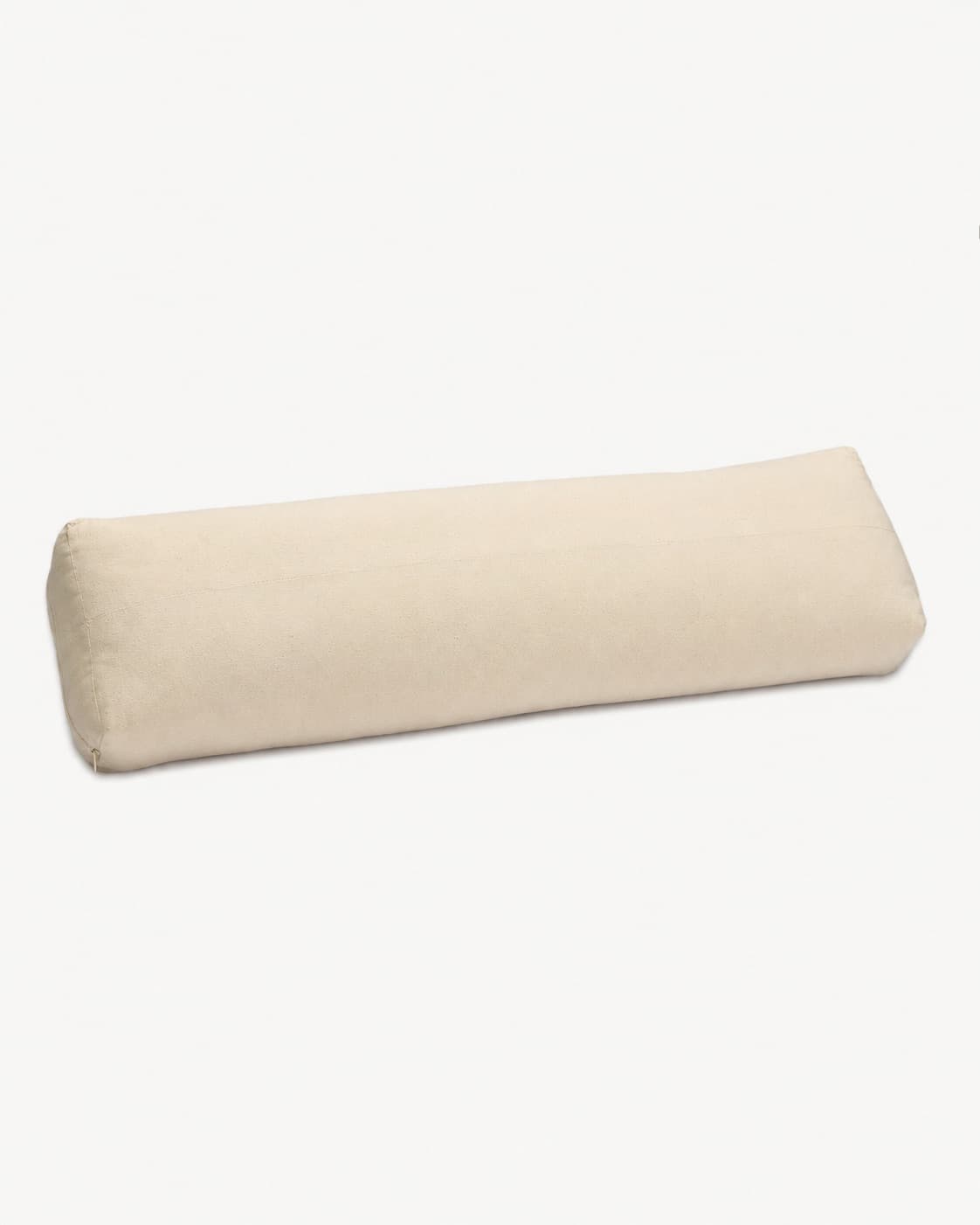
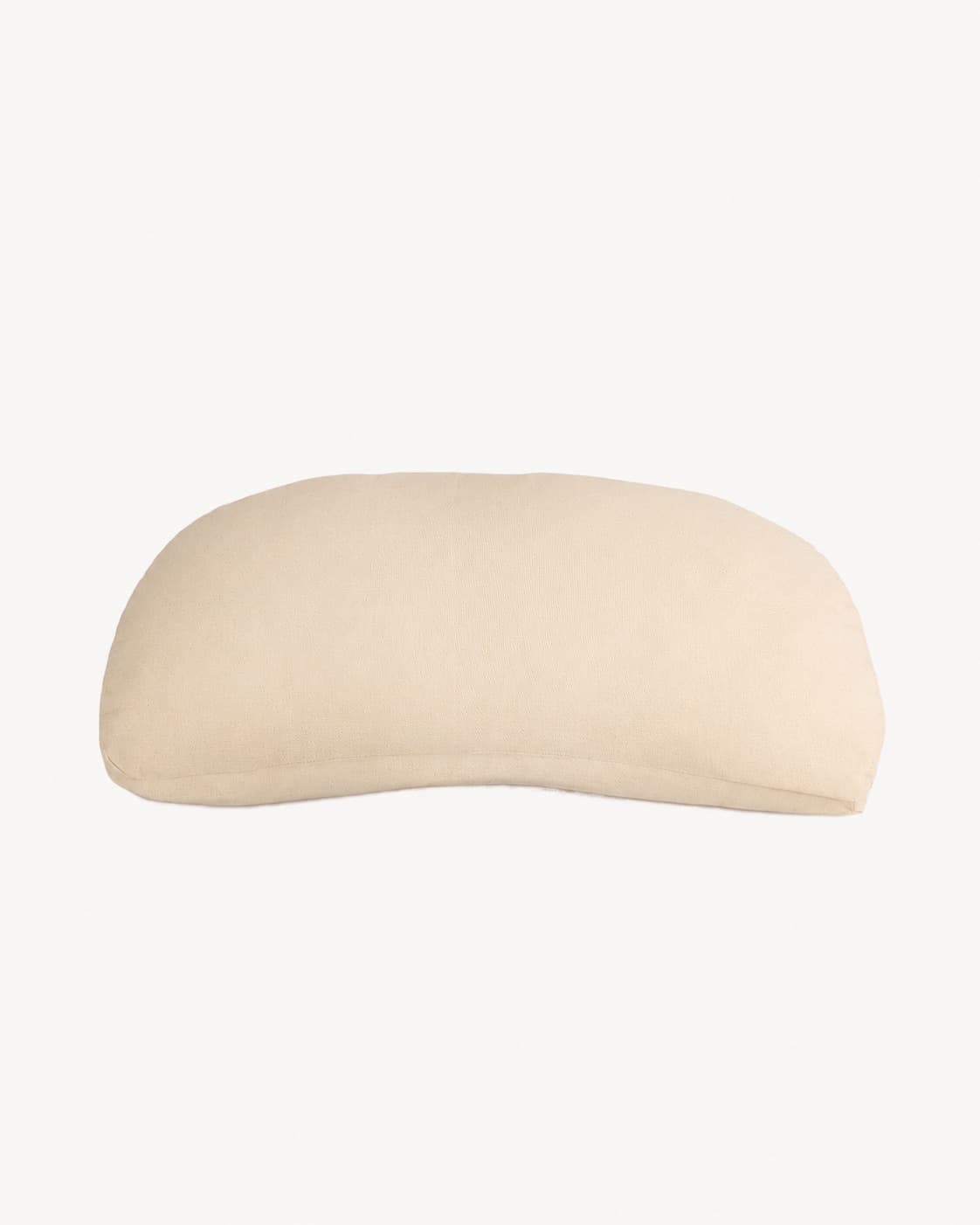
A bolster under the spine in a supported backbend. A bolster under the knees in Savasana. A folded blanket under the head in any supine pose.
What this changes: everything, because it changes the task. A pose you are holding is a strength exercise, however gentle. A pose that is holding you is not an exercise at all — the muscles switch off, and something else happens, which is the point.
The test: if any muscle anywhere is working, you have not propped enough. Add height, add support, or come down. In a properly propped restorative shape you should be able to imagine falling asleep in it.
Three: it extends your reach.
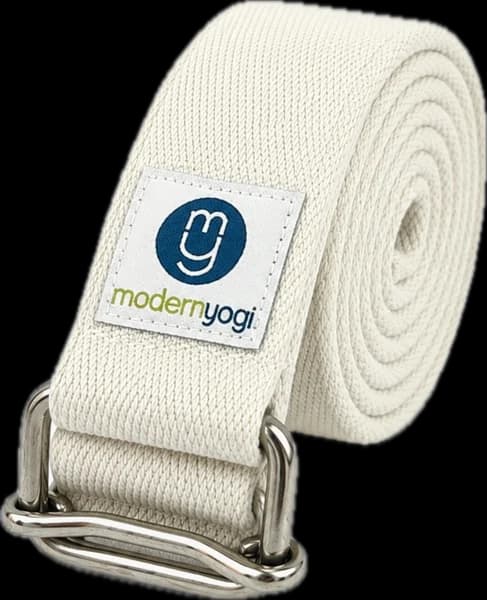
A strap in a seated forward fold. A strap around the foot in a reclining hamstring stretch. A strap between the hands behind the back.
What this changes: it lets you apply tension without recruiting the wrong thing. Reaching for a foot you cannot hold means rounding the spine and hauling with the shoulders. Loop a strap and the spine can stay long while the leg does the work.
The principle: a strap is a longer arm. Any time your arms are the limiting factor rather than the thing being trained, a strap belongs there.
Four: it gives the body something to push against.
The least used and the most interesting.
A block squeezed between the thighs in a bridge. A strap around the upper arms in a shoulderstand, so the elbows cannot splay. A wall behind the back foot in Warrior I. A block between the hands overhead.
What this changes: it turns a vague instruction into a physical fact. "Keep your knees hip-width" is a thing you forget within four seconds. A block between the knees is a thing you cannot forget. Resistance teaches a pattern faster than a cue does, because the body gets immediate feedback rather than an idea.
Where this matters most: any correction you have been given more than twice and still cannot hold. That is a candidate for a prop that makes the wrong version impossible.
Working out what you need
Stand in the pose, or look at a picture of it, and ask in order:
- Is something out of reach? Raise the floor.
- Am I holding myself up in a shape meant to be passive? Take the weight.
- Are my arms the limit rather than the target? Add a strap.
- Is there a cue I keep losing? Add something to push against.
Most poses need none of these. Some need two. Very few need the four-bolster arrangements you see photographed, and setups that elaborate usually mean the pose was the wrong choice.
The objection
People resist props because they read them as an admission. A few things about that.
The most propped practitioners in the world are the most experienced ones. The Iyengar tradition, which invented most of this equipment, uses more props at advanced levels, not fewer, because the more precisely you understand a shape the more clearly you can see what it needs.
Props also do not make a pose easier in any meaningful sense. They make it available, which usually means harder — a supported version of a shape you could not otherwise enter is a shape you are now actually doing, for a minute, with the breath even. That is more work than a strained approximation held for fifteen seconds.
And the honest one: a prop lets you keep the shape long enough for it to do anything. Almost nothing in yoga works in ten seconds. The prop buys you the two minutes.