



NotesLiving
Practising While Unwell
A clear set of lines: what to skip entirely, what is fine, and the specific practices worth keeping when everything else stops.
Contents
A clear set of lines: what to skip entirely, what is fine, and the practices worth keeping when everything else stops.
The general rule
Above the neck, gently proceed. Below the neck, rest.
A blocked nose, a mild sore throat, a head cold with no fever: a gentle practice is usually fine and often helps.
A chest infection, a fever, body aches, a stomach illness: rest. Exercising with a fever puts additional load on a cardiovascular system already working hard, and there is a real, if rare, association between vigorous exercise during a viral illness and inflammation of the heart muscle.
That rule is a rough heuristic rather than a clinical guideline. When in doubt, rest — nothing is lost by missing three days.
By condition
A head cold
Fine: a gentle practice, standing poses at moderate intensity, restorative shapes, long Savasana.
Skip: anything vigorous, inversions (pressure in the sinuses), and breath practices that require a clear nose.
Actively useful: supported chest openers, which help with the sensation of congestion. Legs up the wall. Extended-exhale breathing, if you can breathe.
A blocked nose, no other symptoms
Fine: most things.
Note: the nasal cycle means one nostril is usually more open than the other, and it alternates every couple of hours. Lying on your side with the blocked nostril upward for a few minutes often opens it.
Skip: nadi shodhana, which requires both nostrils.
A sore throat
Fine: gentle practice.
Skip: ujjayi, which adds resistance at exactly the irritated place. Bhramari, which vibrates the vocal cords. Anything with throat lock.
A fever
Skip everything. Rest completely. This is the clearest line on this page.
Resume gently, at low intensity, at least 24 hours after the fever has gone, and expect the first sessions back to be much harder than you remember.
A chest infection or a bad cough
Skip: everything vigorous, all pranayama, all inversions.
Fine, later in recovery: very gentle movement, and restorative shapes with the head elevated rather than flat.
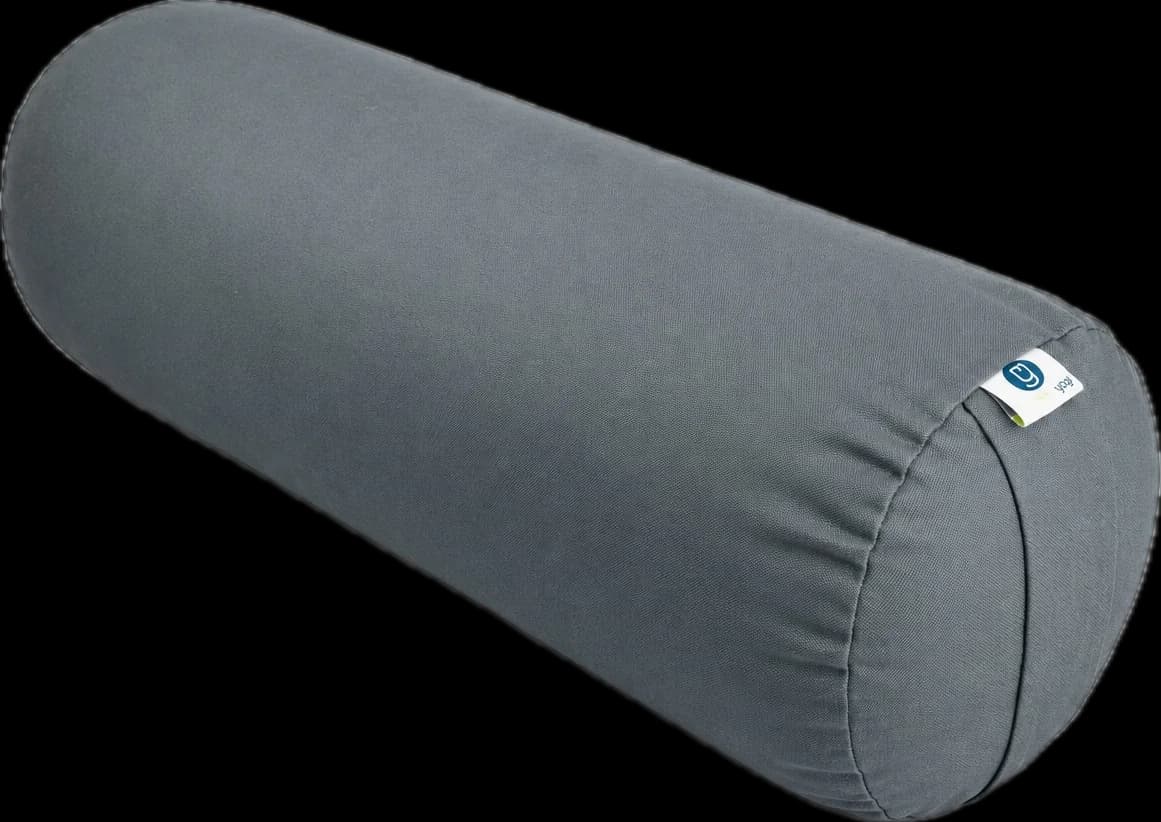
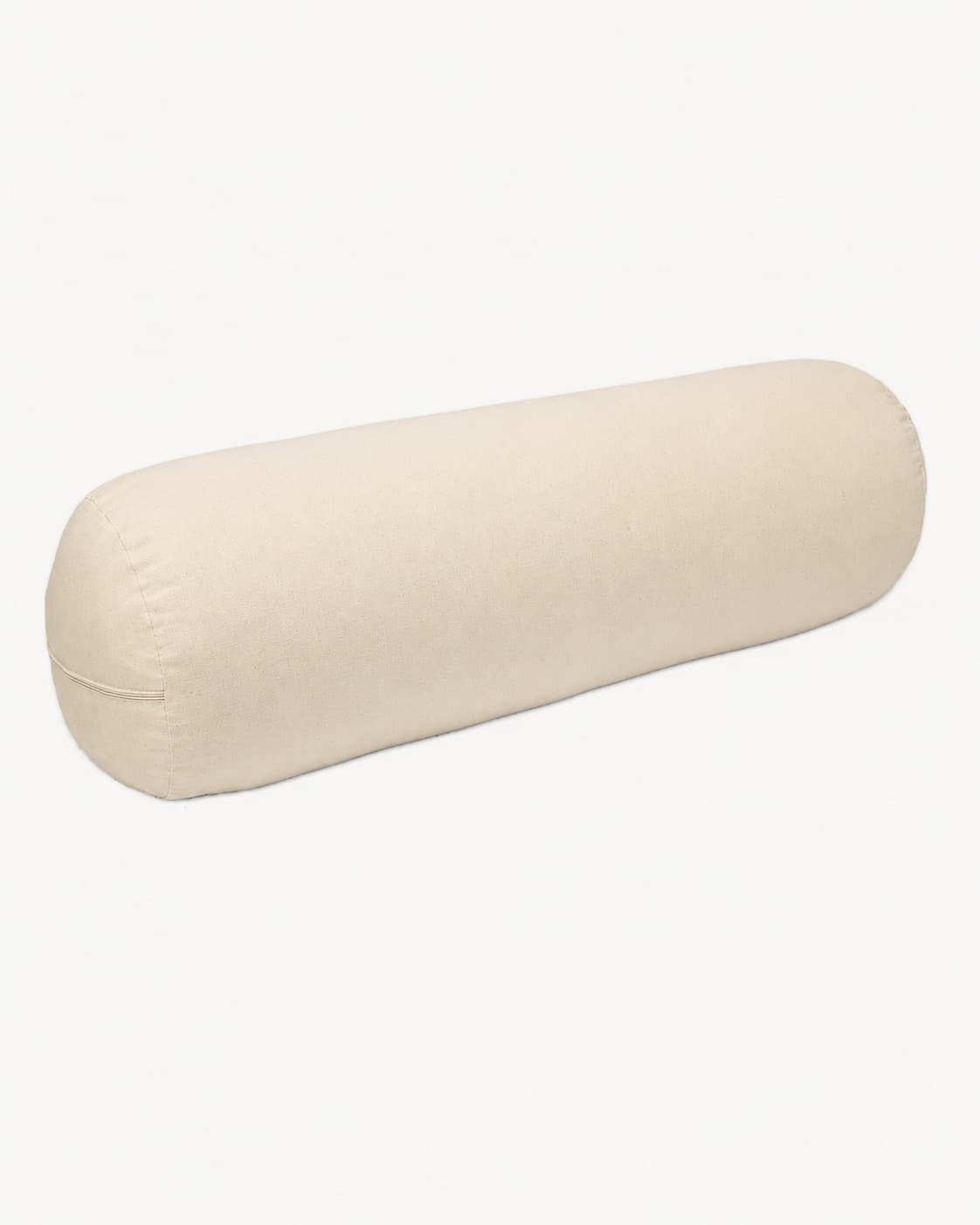
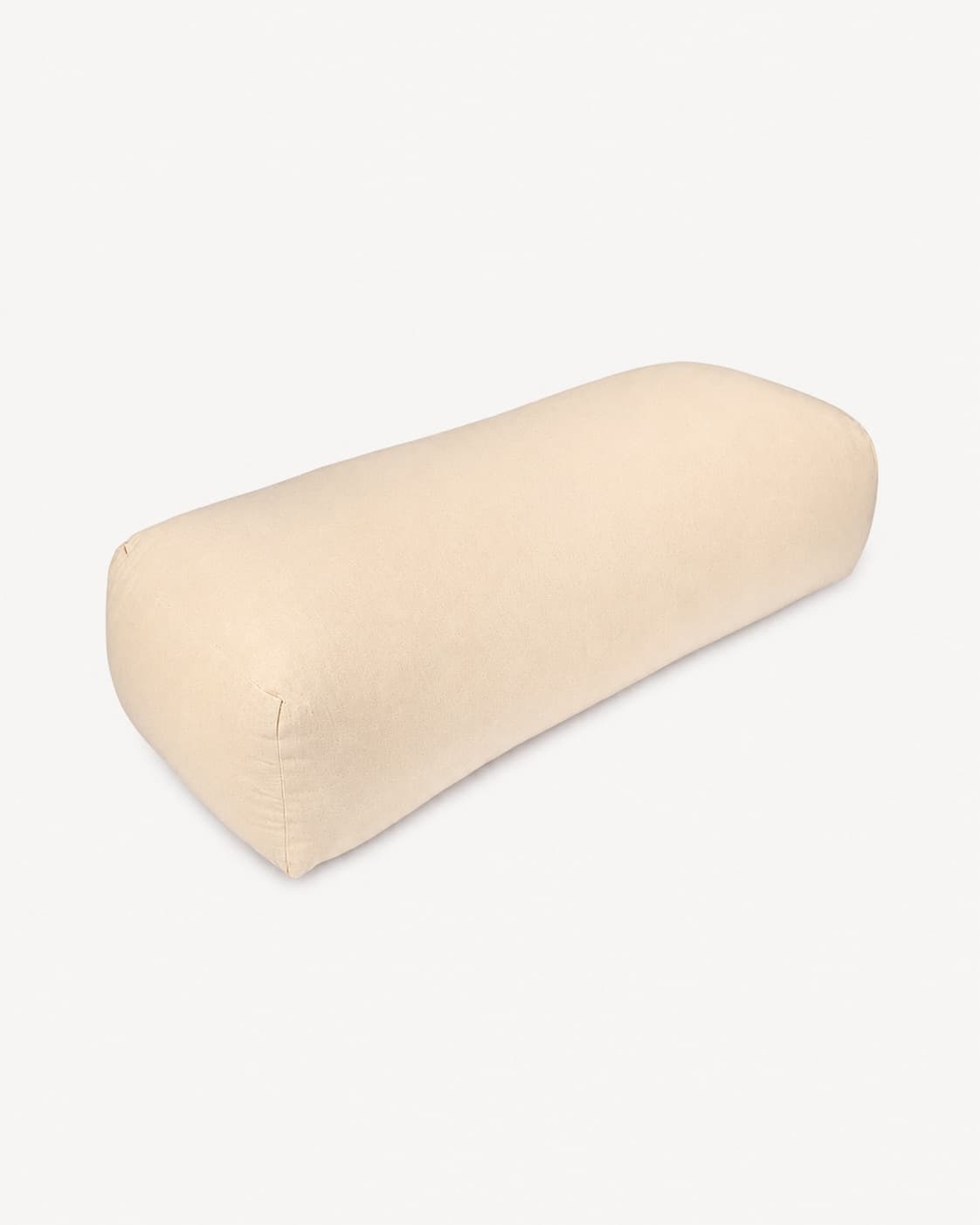
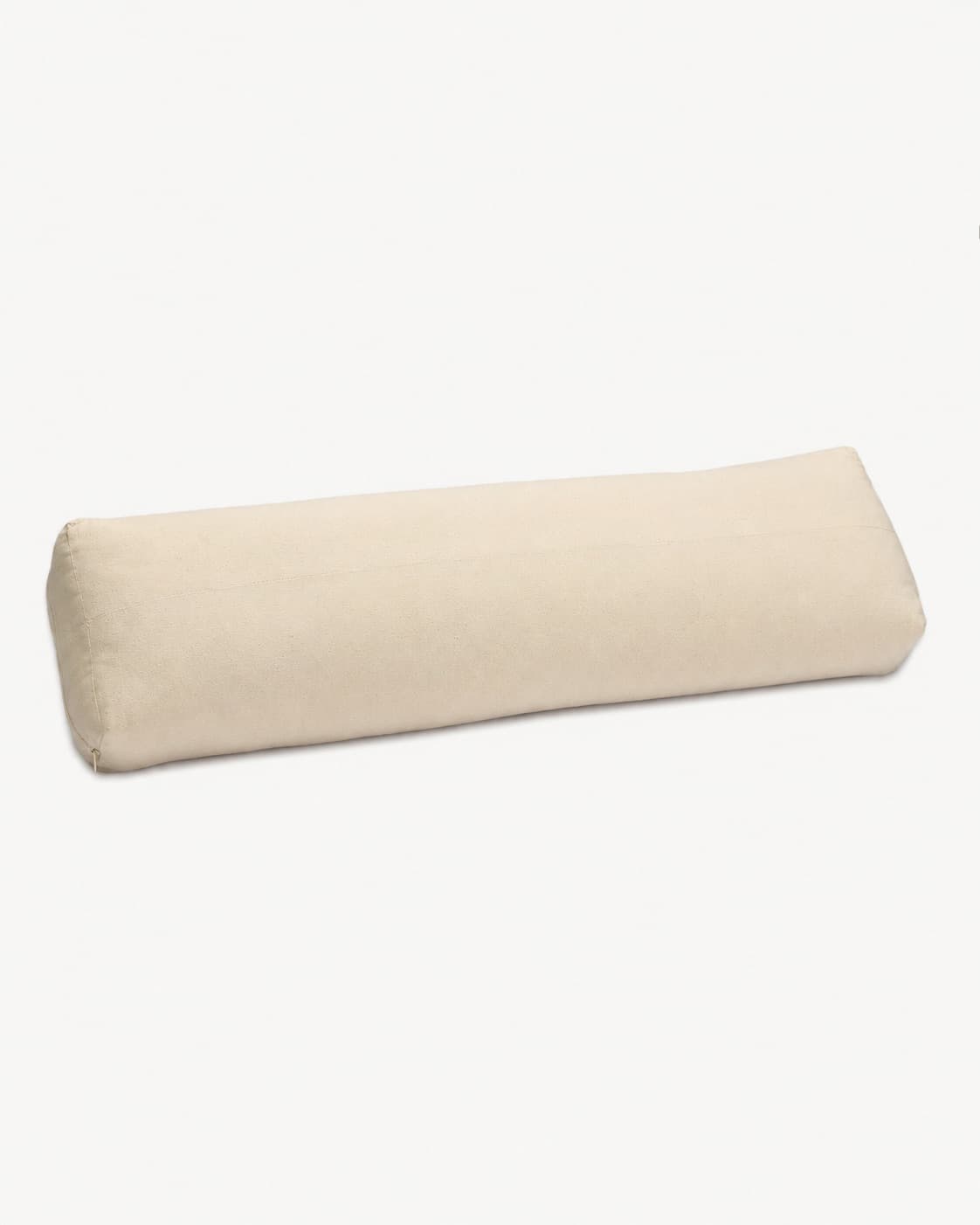
Note: lying flat often makes coughing worse. Prop the upper body on a bolster.
A stomach illness
Skip everything while it is acute, particularly twists, inversions, and any abdominal work.
Resume with: gentle supine shapes, and nothing that compresses the abdomen, for several days after.
A migraine or bad headache
Skip: inversions, strong practice, bright light, anything vigorous.
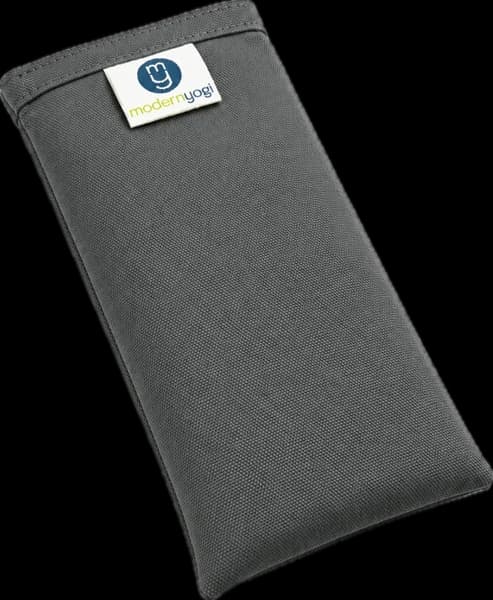
Fine, and sometimes helpful: legs up the wall in a dark room, a supported forward fold with the head resting on a bolster, bhramari, an eye pillow, a long Savasana.
Note: some people find any inversion, including a forward fold, makes a migraine worse. Learn your own pattern.
Menstruation
Traditions differ substantially and there is no clinical consensus, so this is a matter of what works for you.
Commonly omitted: inversions, strong abdominal work, kapalabhati, uddiyana bandha, strong backbends.
Commonly kept: supported forward folds, gentle twists, supported reclining shapes, legs up the wall, and breath work.
The honest position: practise according to how you feel, which varies enormously between people and between cycles. There is no evidence of harm from inverting; there is also no reason to if you do not want to.
Recovering from illness
Come back at a fraction of where you left. Deconditioning after a week of illness is real, and the first session back should be half the length and half the intensity.
Expect it to take a week or two to return to normal, longer after a significant illness.
A punishing return is how people quit twice — once from the illness and once from the discouragement.
The practices worth keeping
When everything else stops, these usually remain available and are worth doing:
Extended-exhale breathing. Four in, eight out. Lying down. Five to ten minutes. Almost always available and almost always helpful.
Legs up the wall. Requires nothing, does something.
Savasana, propped and warm. Fifteen minutes. This is a practice and treating it as one matters.
Yoga nidra. A structured body scan, lying down. Ideal for illness — no physical demand and a genuine restorative effect.
Bhramari, if the throat is fine. Two minutes.
What to skip while unwell, always
- Inversions of any kind.
- Kapalabhati, bhastrika, and all rapid breathing.
- Breath retention.
- Uddiyana bandha.
- Strong backbends.
- Anything at end range.
- Heated practice.
Two things worth remembering
Missing a week costs almost nothing. Strength and range do not meaningfully decline in seven days. The panic about losing progress is out of proportion to the reality.
Practising through illness costs more than it gains. Adaptation happens during recovery, and if the body is fighting something it has no recovery capacity to spare. A session done while ill is not banked; it is borrowed.