







NotesLiving
Yoga and Sleep
What actually helps in the hour before bed, what to stop doing at 9pm, and a fifteen-minute sequence that reliably works.
Contents
What actually helps in the hour before bed, what to stop doing at nine, and a fifteen-minute sequence that works reliably.
What has to happen for sleep to start
Three things, and understanding them tells you what to do and what to avoid.
Core temperature has to fall. Sleep onset is preceded by a drop of about half a degree. Anything that raises core temperature within a couple of hours of bed delays it — including a strong practice, a hot room, and a hot bath immediately before bed. (A hot bath ninety minutes before bed actually helps, because the subsequent heat loss accelerates the drop. Timing is everything.)
The nervous system has to shift. From sympathetic-dominant to parasympathetic. This is the piece a practice can address directly.
The mind has to stop producing content. Or at least stop engaging with it, which is a different and more achievable target.
What to stop doing
Strong practice within three hours of bed. A vigorous session raises core temperature and heart rate, and both take time to come down. If your only slot is late, make the late session a gentle one.
Kapalabhati, bhastrika, and retention practices. Stimulating, by design. Not at night.
Backbends late. Extension is activating. A practice heavy in backbends at nine in the evening will keep some people awake.
Screens, obviously, though the light is a smaller factor than the content. The problem is engagement, not blue wavelengths.
The fifteen-minute sequence
Do it in the hour before bed, in a dim room, in something warm.
1. Legs up the wall — 5 minutes.
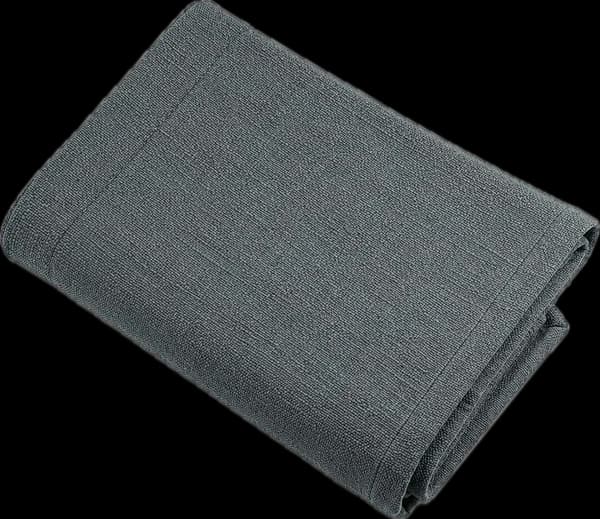
Hips close to the wall, folded blanket under the head, blanket over you, something over the eyes. Do nothing. Let the breath be whatever it is for the first minute, then let the exhale lengthen slightly.
2. Supported reclining bound angle — 3 minutes.
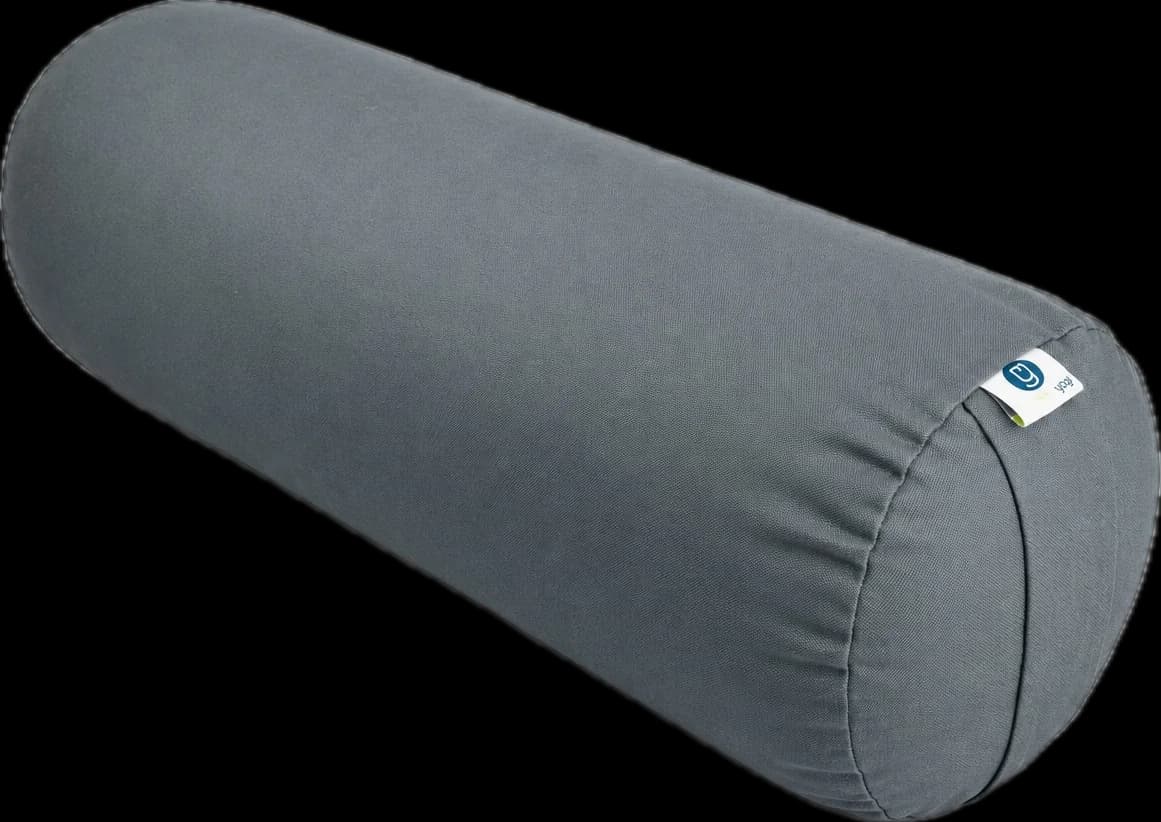
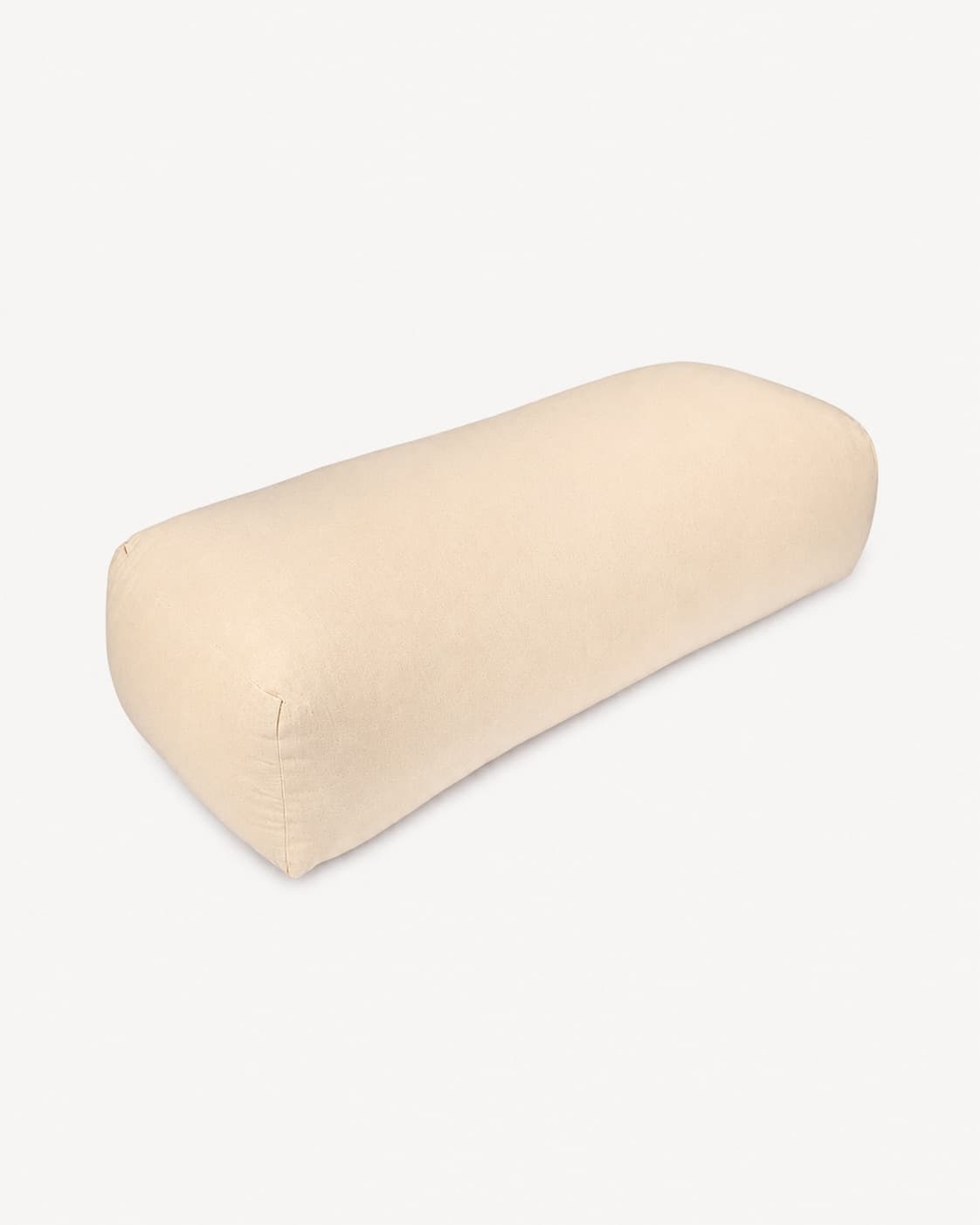
Lie back over a bolster or a rolled blanket running along the spine, soles of the feet together, blocks or cushions under each outer thigh so the legs are genuinely resting. Head supported.
If a backbend feels too opening at night, skip the bolster and do it flat.
3. Supine twist — 90 seconds each side.
Knees drawn up, let them fall to one side onto a bolster or cushion so they are supported rather than hanging. Arms wide. Turn the head the other way only if the neck is comfortable.
4. Extended-exhale breathing — 4 minutes.
Lying down or sitting up against the headboard. Four counts in, eight out. If eight is a strain, six.
This is the item that does the most work. Everything above it is preparation for a body that can now sit still.
5. Bhramari — 5 to 10 rounds. (Optional, and very effective.)
Close the ears with the index fingers, inhale through the nose, and hum on a long exhale with the mouth closed. Low pitch, loose jaw.
Then go to bed. Do not check anything on the way.
The five-minute version
For nights when the sequence is too much:
Lie in bed. Four counts in, eight counts out. Ten rounds. Then stop counting and let the breath do what it wants.
That is it. It works more often than it does not.
If you wake in the night
The instinct is to check the time and start calculating. Do not.
Do: extended-exhale breathing, in whatever position you are in. Do not turn on a light. Do not look at the clock — knowing it is 3:40 changes nothing except how anxious you are about it.
If you are still awake after twenty minutes or so: get up, go to another room, and do something dull in low light until you are sleepy. Lying in bed awake for an hour teaches the body that bed is a place for being awake, which is a habit worth not building.
The longer-term practice
Sleep responds to consistency more than to any single intervention.
Practise at the same time daily, including the short evening one. The predictability itself is part of the effect.
Get some strong practice earlier in the day. Physical exertion improves sleep quality substantially — it just needs to be earlier.
Ten minutes of seated breathing in the morning also improves sleep at night. The nervous system responds to the overall pattern, not just to what happens at bedtime.
Yoga nidra, if you want a longer practice. Twenty to forty minutes, lying down, following a structured body-scan. Many people fall asleep during it, which is fine, and doing it in bed as a way of going to sleep is a legitimate use.
What not to expect
It will not fix insomnia on its own. Persistent insomnia — trouble sleeping most nights for three months or more — is a clinical condition with an effective, well-evidenced treatment, which is cognitive behavioural therapy for insomnia. If that is what you have, get that. A breath practice is a useful adjunct and not a substitute.
It will not work through caffeine. Caffeine has a half-life of five or six hours, which means an afternoon coffee is still substantially present at bedtime. No breathing practice outcompetes it.
Do not turn it into a performance. Trying hard to relax is a contradiction, and the anxiety about whether the practice is working keeps more people awake than the original problem. Do the sequence, then stop caring what happens.