








NotesPractice
Yoga Nidra: The Technique
How the practice is actually structured — five stages, in order — so you can run it yourself without a recording.
Contents
How the practice is actually structured — five stages, in order — so you can run it yourself without a recording.
Most people meet yoga nidra as a voice on a recording and never learn what the voice is doing. It has a clear architecture, and knowing it means you can do it anywhere.
What it is
A guided practice done lying down, in which attention is moved systematically around the body and through several stages, with the aim of reaching a state between waking and sleep while remaining aware.
Whether you reach that state is not the measure. Most people fall asleep for part of it and that is normal.
The setup
Lying on your back, fully supported:
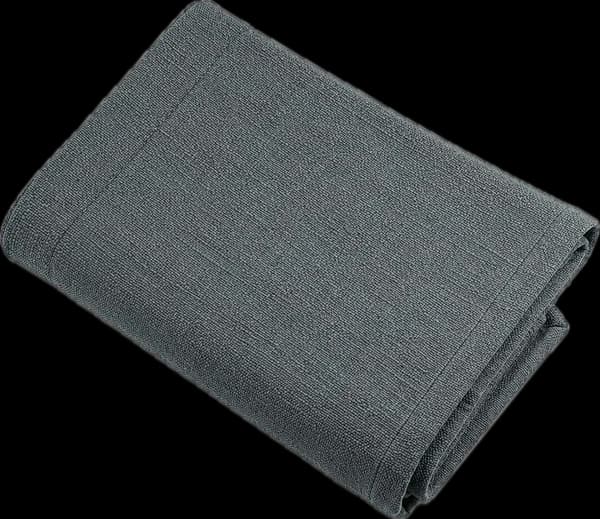
- Folded blanket under the head.
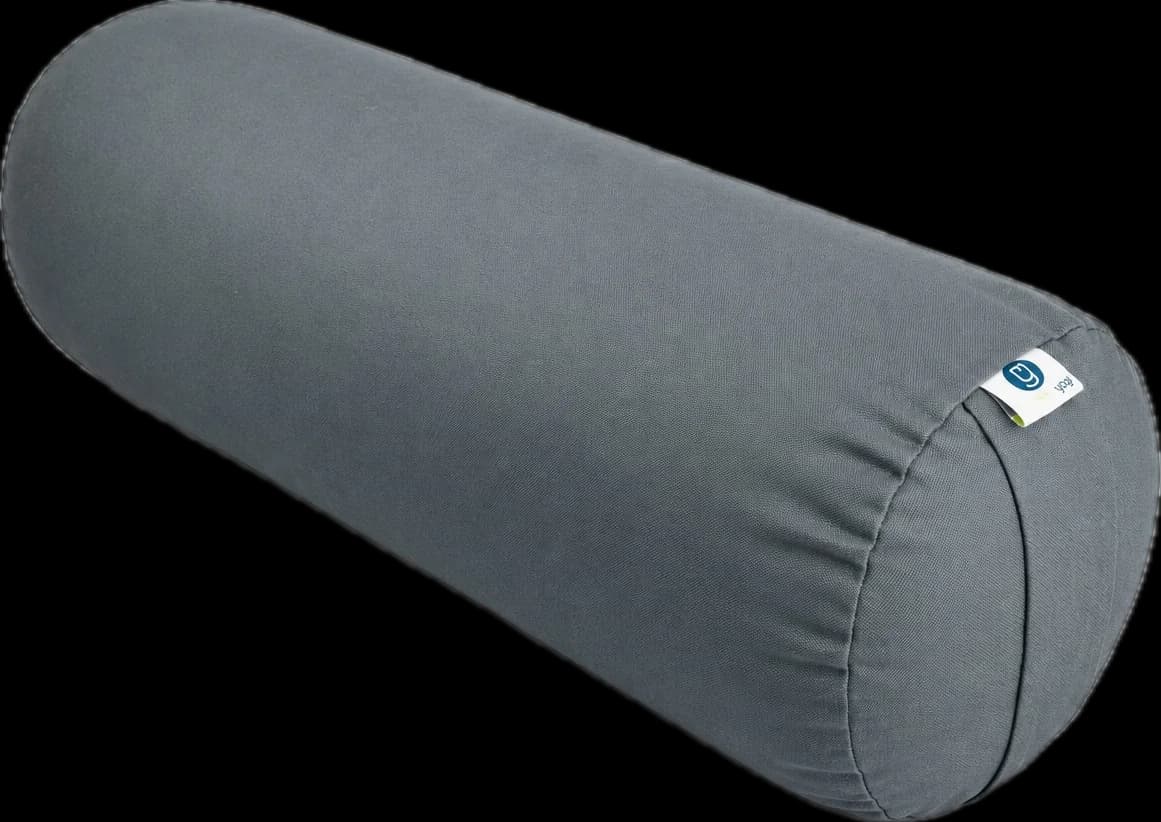
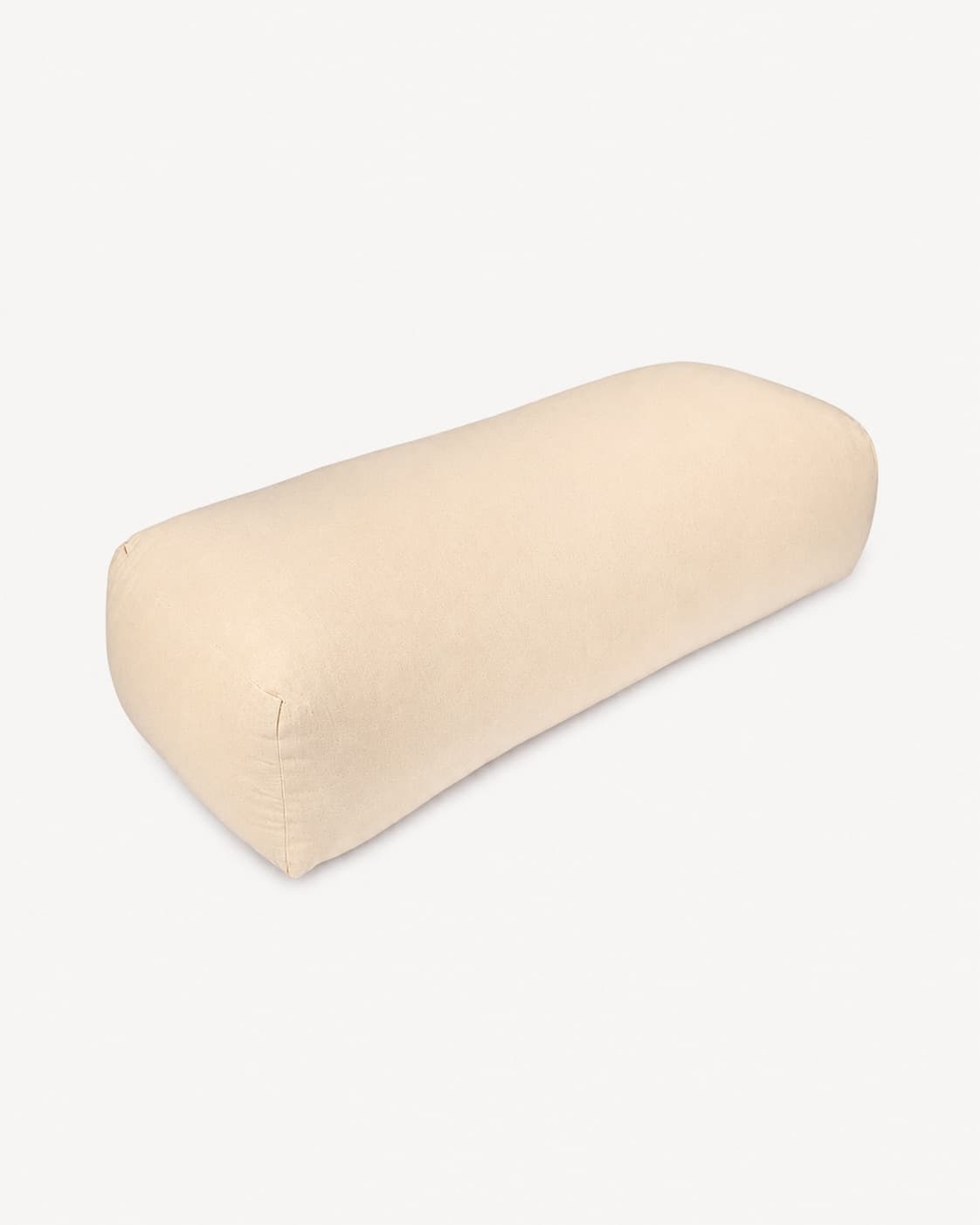
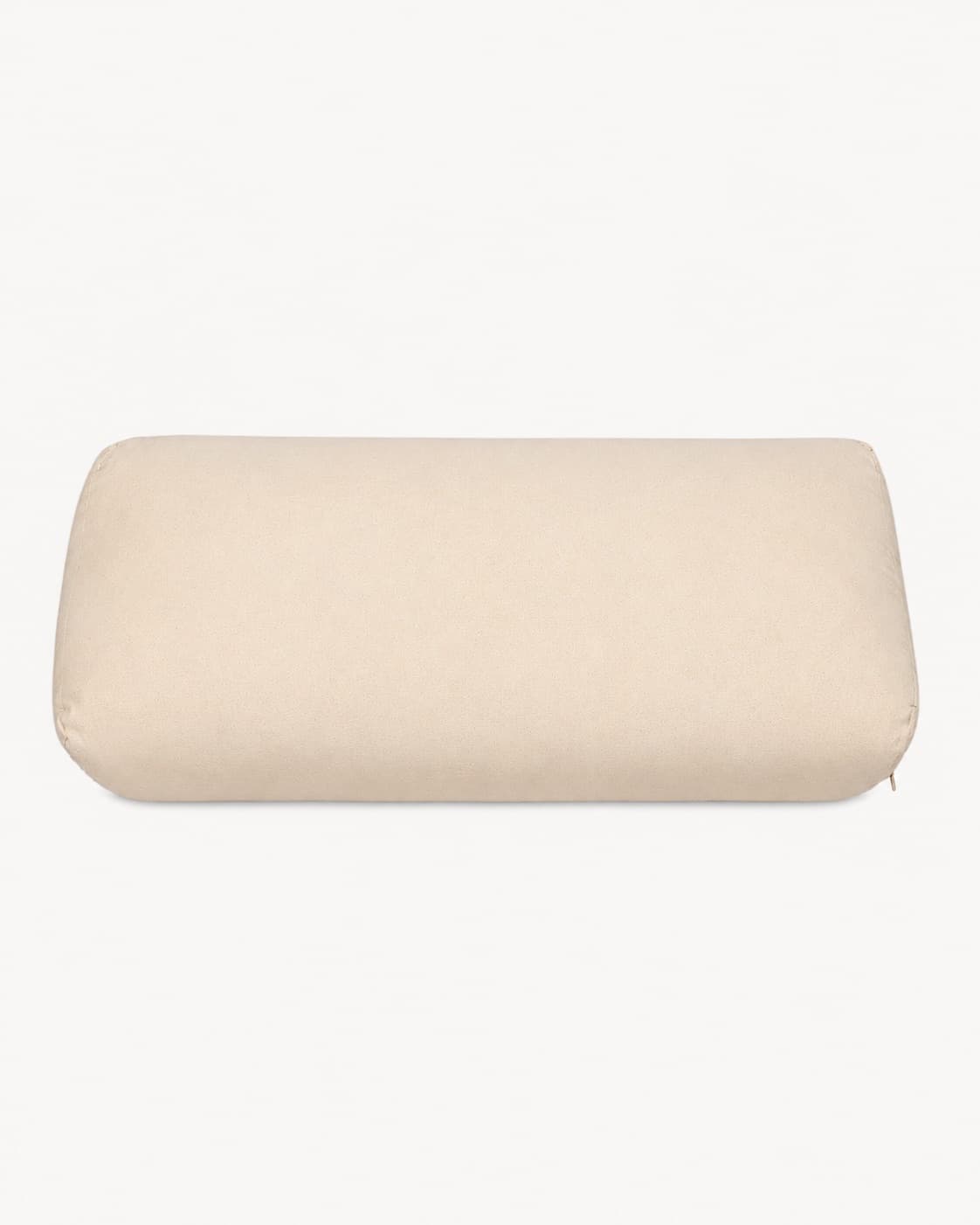
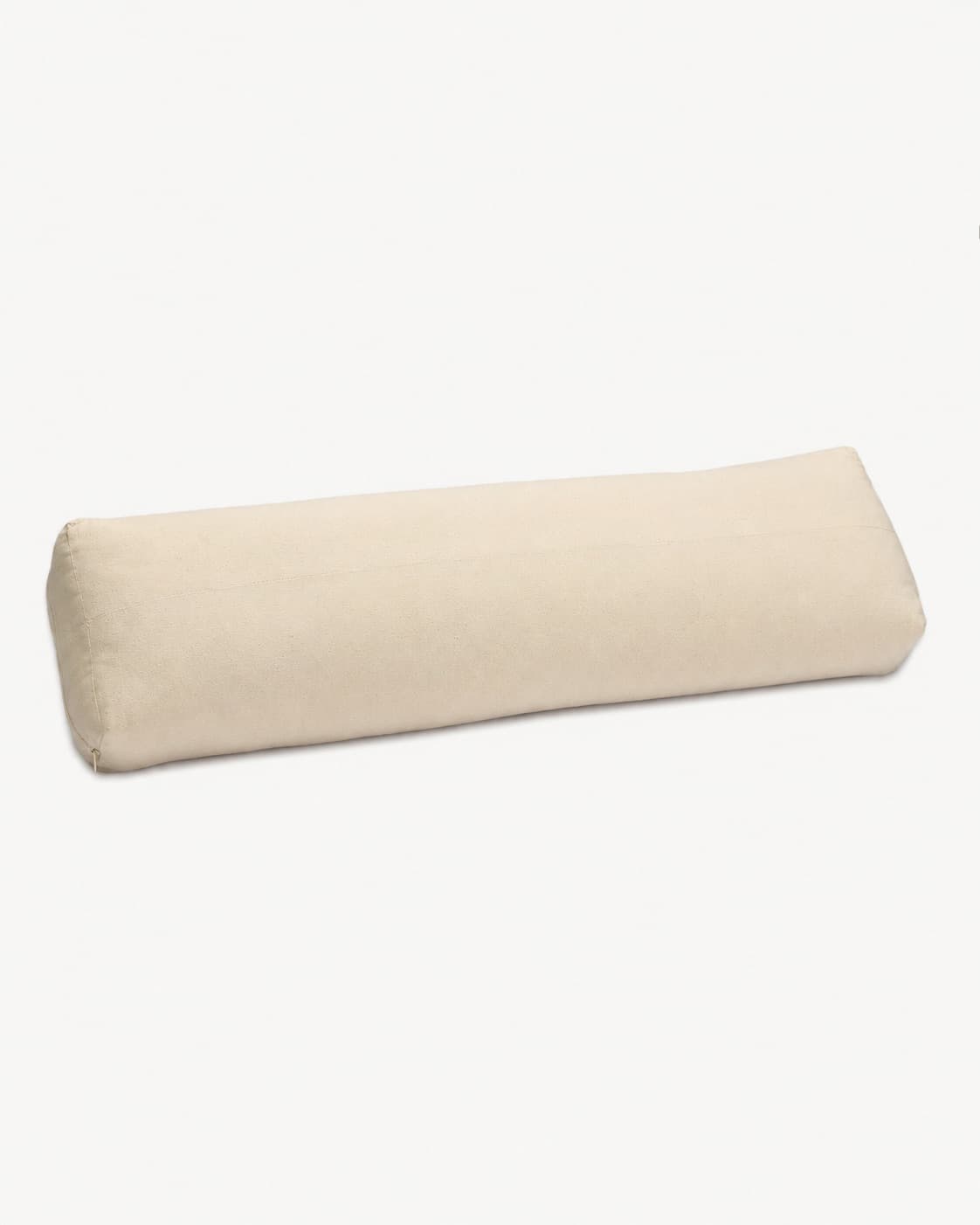
- Bolster or roll under the knees.
- Blanket over the body — essential; temperature drops over thirty minutes of stillness.
- Eye pillow or a cloth over the eyes.
- Arms away from the body, palms up.
Warm, dark, and undisturbed. If lying on your back is not comfortable, side-lying with a bolster between the knees works.
Thirty minutes for a full practice. Twenty is workable. Ten is a body scan rather than nidra.
Stage one: settling — 3 minutes
Lie still. Notice the points of contact between your body and the floor. Notice the weight.
Let the breath be whatever it is for a minute, then let the exhale lengthen slightly, without effort.
Take three deliberate sighs — a full inhale and an audible mouth exhale — and let each one drop something.
What it is doing: marking the boundary and beginning the shift.
Stage two: the resolve — 1 minute
A short statement, in the present tense, repeated silently three times.
The traditional term is sankalpa. Classically it is a statement of intention: "I am at ease," "I practise every day," "I speak clearly."
How to choose one: short, positive, present tense, and the same one every time for months. Not a wish and not a list.
If this stage does not appeal to you, skip it. It is the most culturally specific part of the practice and the rest works without it. Some people find it valuable; some find it uncomfortable, and there is nothing lost either way.
Stage three: the body rotation — 12 to 15 minutes
The heart of the practice, and the longest stage.
Attention moves around the body in a fixed, rapid sequence. You do not relax each part; you simply become aware of it and move on. The speed matters — roughly one to two seconds per point.
The traditional order:
Right hand: thumb, index, middle, ring, little finger, palm, back of hand, wrist, forearm, elbow, upper arm, shoulder, armpit, right side of the ribcage, waist, hip, thigh, knee, calf, ankle, heel, sole, top of the foot, and each toe.
Then the same on the left.
Then the back: heels, calves, thighs, buttocks, lower back, mid-back, shoulder blades, back of the neck, back of the head.
Then the front: crown, forehead, each eyebrow, the space between them, each eyelid, each eye, nose, each cheek, each ear, upper lip, lower lip, chin, throat, right collarbone, left collarbone, chest, navel, abdomen.
Then the whole body as one, twice.
Why the speed: it is fast enough that the conscious mind cannot elaborate on each point, and slow enough that awareness genuinely lands. If you go slowly, it becomes an exercise in relaxation, which is a different thing.
When you lose the thread — and you will — pick it up wherever you notice you are and carry on. Do not restart.
Stage four: breath and opposites — 5 minutes
Breath awareness first. Count breaths backwards from twenty-seven to one, following the breath rather than controlling it. "Inhale twenty-seven, exhale twenty-seven, inhale twenty-six..." If you lose count, start again from twenty-seven.
Almost nobody reaches one. That is expected.
Then opposites. Introduce a sensation, feel it fully, then its opposite.
Heaviness, then lightness. Cold, then warmth. Then, if you like, an emotional pair — but this is optional and it is where people sometimes find the practice uncomfortable.
What it is doing: the pairing teaches that a sensation can be produced and released, which is the practice's central lesson.
Stage five: return — 3 minutes
Repeat the resolve three times, if you used one.
Then come back gradually:
- Become aware of the room. The sounds, the temperature, the surface beneath you.
- Small movements — fingers, toes.
- Stretch.
- Roll to one side. Stay there for several breaths.
- Press up to sitting with your hand, head last.
- Sit for a minute before standing.
Do not rush this. Coming out of nidra too quickly is disorientating and undoes much of the settling.
Running it yourself without a recording
Learn the sequence. The body rotation is the only part that needs memorising, and it takes two or three weeks of doing it before it becomes automatic.
Do not narrate internally in full sentences. Just move the attention. "Thumb. Index. Middle." — and even those words drop away with practice.
Use a timer with a gentle sound so you are not tracking time.
Expect to fall asleep for the first several attempts, particularly in stage three. It settles.
What it is for
Deep rest without sleep. The state produced is measurably restful and it is not the same as either sleeping or ordinary lying down.
A structured alternative to meditation for people who find sitting difficult. The sequence gives attention something concrete to do at every moment.
Recovery. Useful when depleted, ill, or after hard training.
Sleep. Many people use it in bed as a way of going to sleep, which is a legitimate use even though it is not the classical intention.
When it is difficult
If lying still triggers agitation — and for some people, particularly with a history of trauma, it can — the alternatives are real: eyes open, sitting supported, a shorter version, or leaving out stage four's emotional pairs. A trauma-informed teacher is worth seeking out.
If you always fall asleep and would prefer not to: sit up slightly propped rather than lying flat, or practise earlier in the day, or keep the room cooler.
If thirty minutes is too long: do stages one, three and five. Twenty minutes, and it is still the practice.