


NotesHome
The Shape of a Practice Room
Light, floor, temperature, wall access, where the door is. Six decisions that make a room you will actually return to.
Contents
Six decisions that make a room you will actually return to. Most of them are cheap and none of them is about aesthetics.
Decision one: where the mat lives
The most important thing on this page.
A mat that stays out, or comes out in under thirty seconds, gets used four times as often as one that requires clearing furniture.
This is the single strongest predictor of whether a home practice survives, and it outweighs every other consideration here. If the only place with good light requires moving a sofa, and the badly lit corner does not, use the badly lit corner.
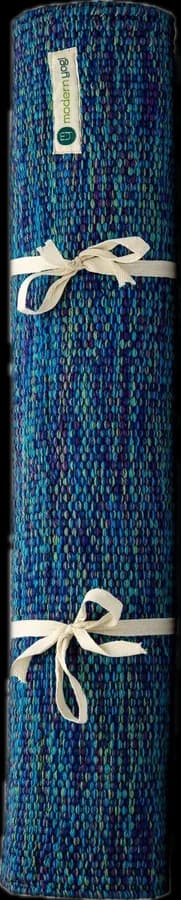
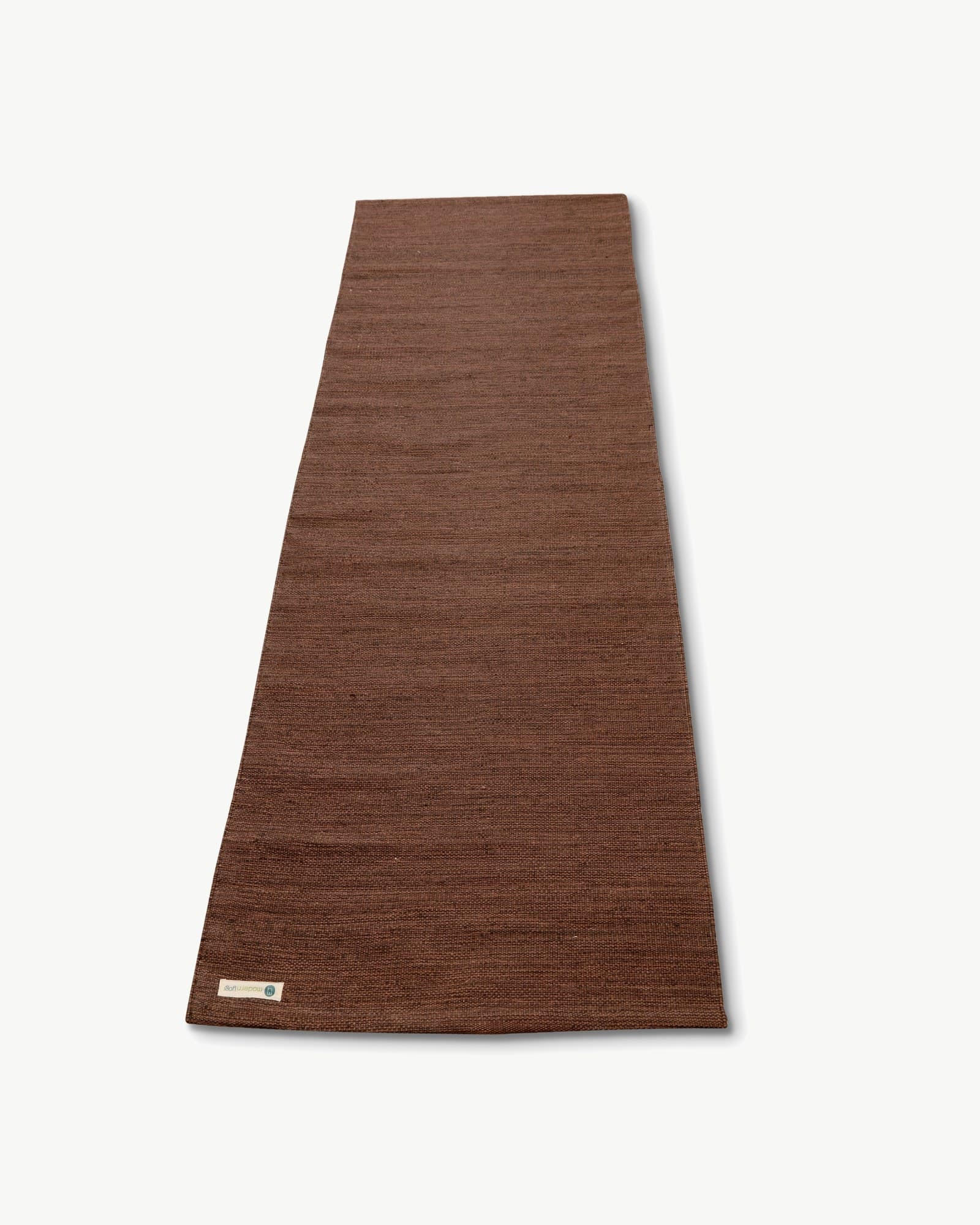
Practical arrangements: mat rolled and standing against the wall beside the space it unrolls into. Or permanently unrolled, if the room allows. Or under a bed you can slide it from.
Not: in a cupboard, behind something, in another room, or in a bag.
Decision two: the floor
Level. Old floors slope, and a slope you cannot perceive walking around becomes obvious in Tree Pose. It will consistently make one side of your body feel worse than the other, and you will blame your body. Put a mug of water on the floor and look at it.
Hard beats soft. Carpet feels kinder and is worse: it compresses unevenly, it hides whether the mat is flat, and it destabilises standing poses. If carpet is what you have, use a firm thin mat rather than a thick soft one.
Cold floors draw heat. Stone, tile and concrete pull warmth out of you faster than you expect during floor work. A rug under the mat solves it.
Upstairs floors flex and transmit sound. Workable, and it means no jumping at six in the morning.
Decision three: wall access
Find a clear wall, at least a metre wide, unobstructed from the floor up to about two metres.
The wall is the largest and most useful prop you own and it is free: legs up the wall, alignment checks for standing poses, hamstring work, supported inversions, handstand preparation, Downward Dog at hip height.
A practice space without wall access loses a third of the useful repertoire.
Obstructions to check for: skirting boards (a small one is workable), radiators, sockets, pictures, and whether the wall is a stud partition — knock it. A partition wall will not take a handstand.
Decision four: ceiling height
Stand and reach both arms up. If you touch the ceiling, arms-overhead standing poses are out, which is a real constraint.
Add another thirty centimetres of clearance if you want to work towards a supported shoulderstand or headstand.
Low ceilings are most common in lofts and basements, which is exactly where people put the yoga corner. Check before committing.
Decision five: light
Natural light beats overhead light, for one specific reason: an overhead light shines directly into your eyes in every supine pose. Savasana becomes an exercise in squinting.
If overhead light is all you have: practise with it off and something at floor level on, or use an eye pillow, or both.
Direction: east-facing light is genuinely pleasant for a morning practice, and it is a preference, not a requirement. Do not let it stop you using the only viable corner.
Dimmable is better than bright. A practice that ends in restorative work wants low light for the last twenty minutes.
Decision six: temperature
The requirement changes twice during a session: cool at the start, warm in the middle, and cooling rapidly at the end while you lie still for ten minutes.
Practical target: around 20°C for the moving part.
The thing people get wrong: the end. Body temperature falls fast during stillness, and a cold Savasana is a wasted Savasana, because a cooling body will not release.
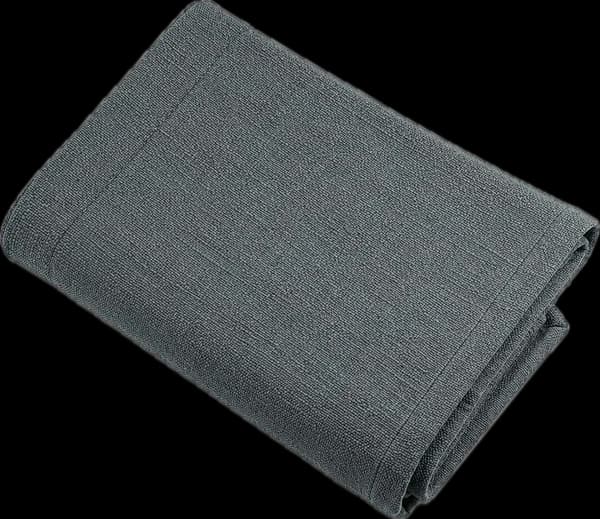
The answer is a blanket, not a warmer room. Keep one folded at the end of the mat and put it over you for the last ten minutes, every time.
Cheap improvements: close the door twenty minutes before you start. Practise in the warmest room rather than the most convenient one. A rug under the mat if the floor is cold.
What you do not need
A dedicated room. Anything on the walls. Candles, incense, or music. A particular hour.
Every one of those is another condition to meet before practice can begin, and the whole craft of a home practice is reducing the number of conditions.
Floor, a wall, thirty seconds of setup, a blanket. That is the whole specification, and everything else is decoration.
The kit that should live there
Beside the mat, visible, already folded:
- Two blankets, folded in eighths.
- Two blocks.
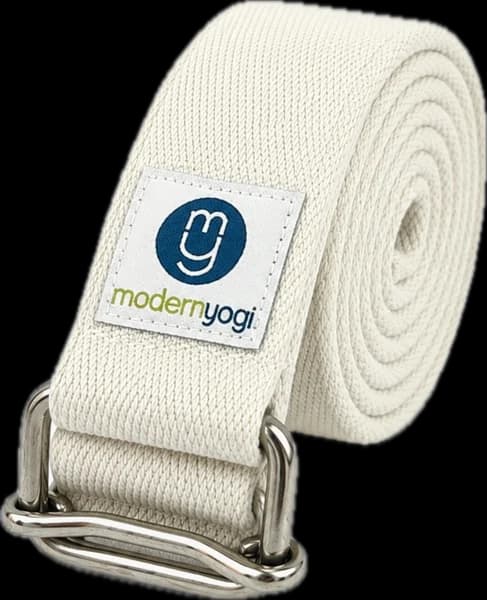
- A strap.
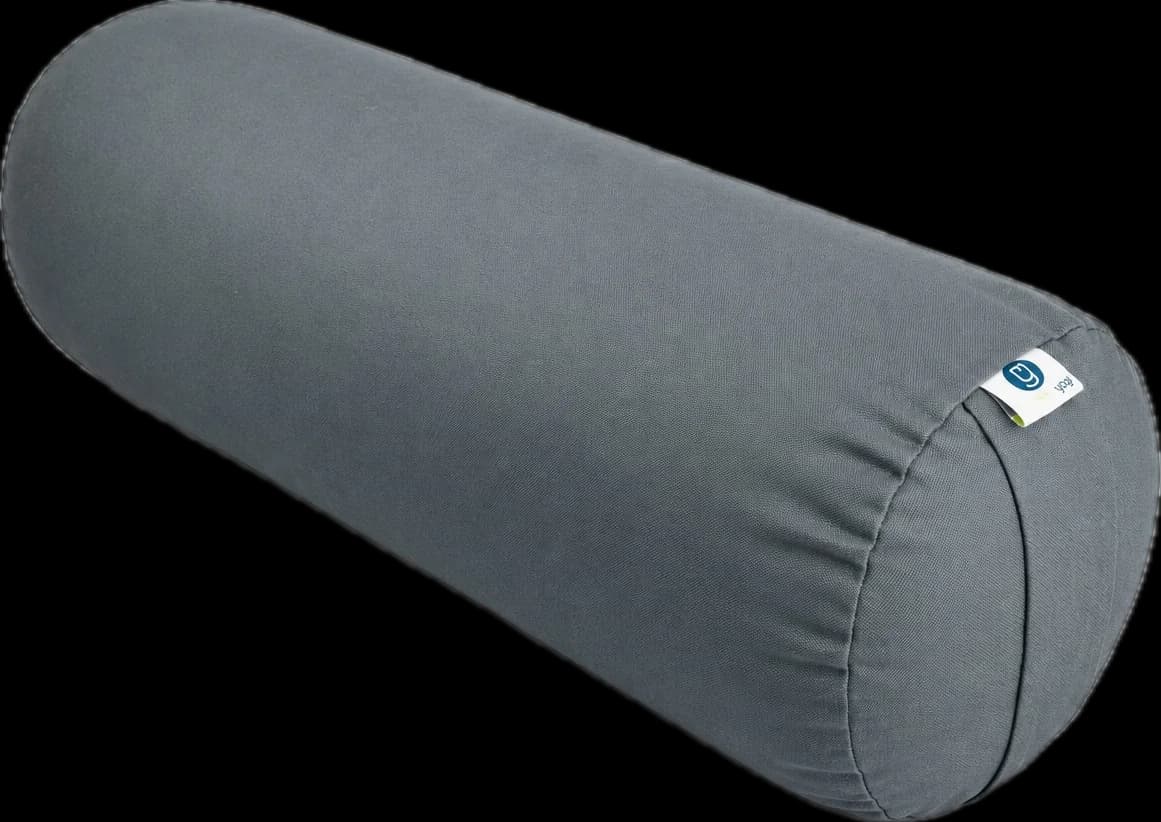
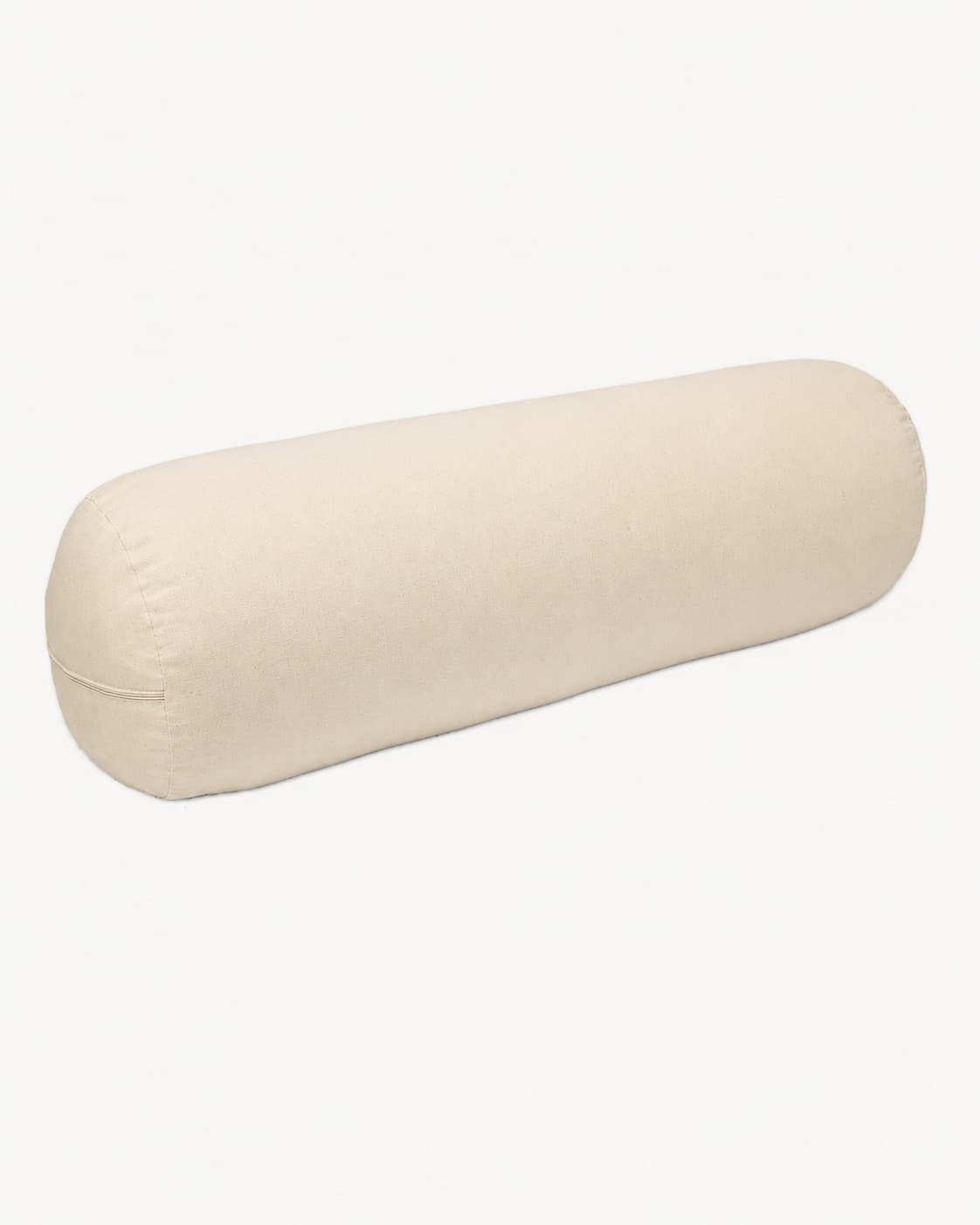
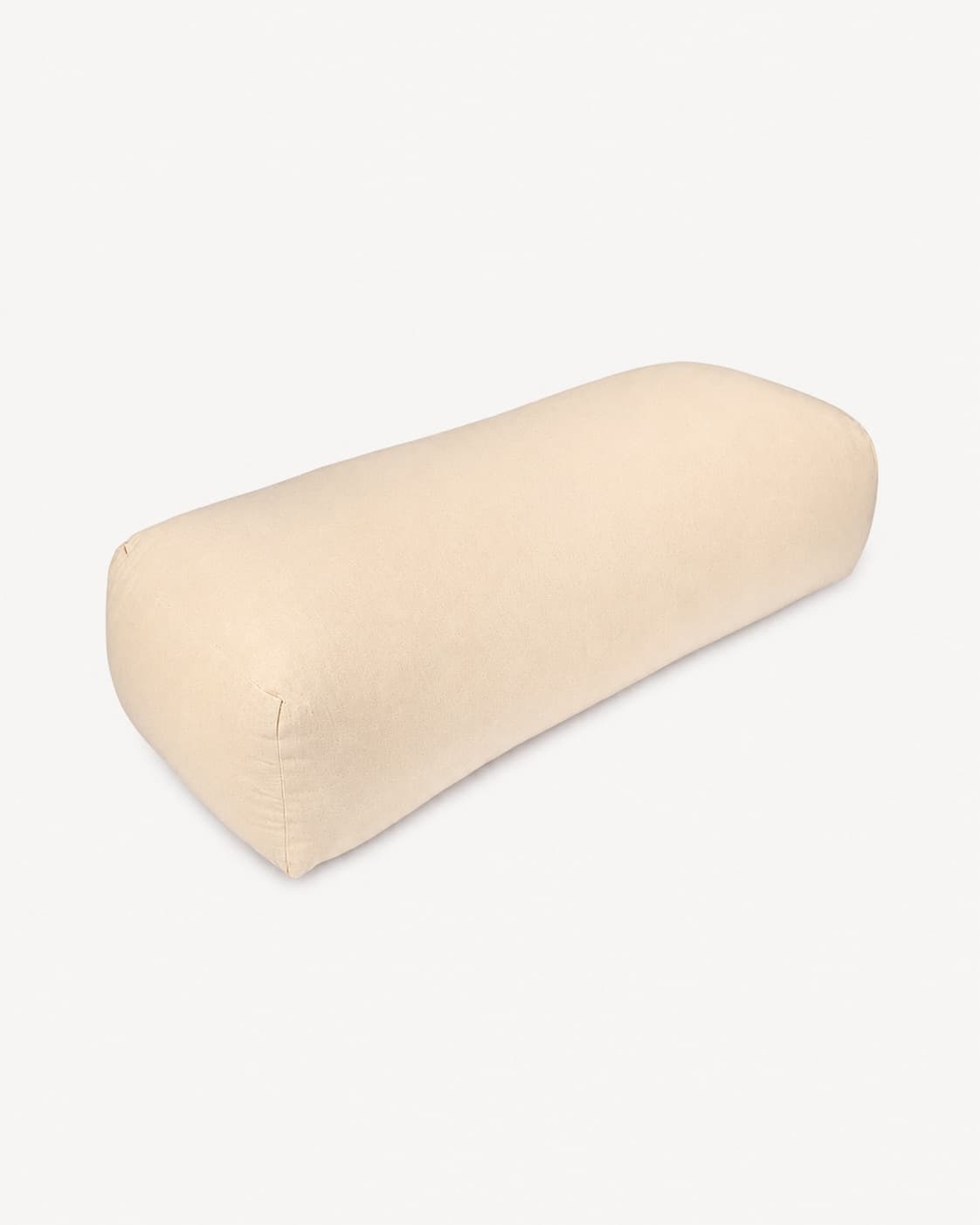
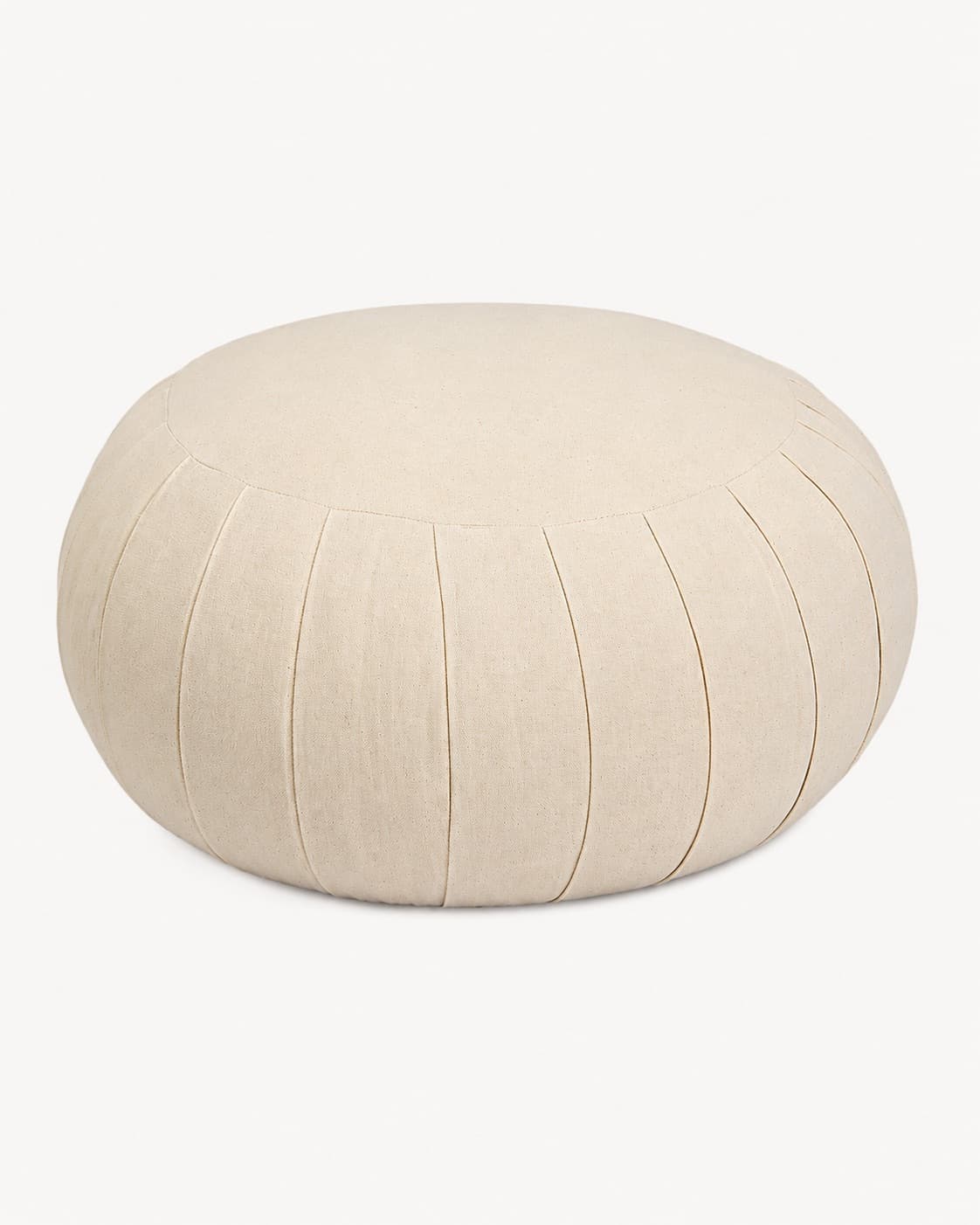
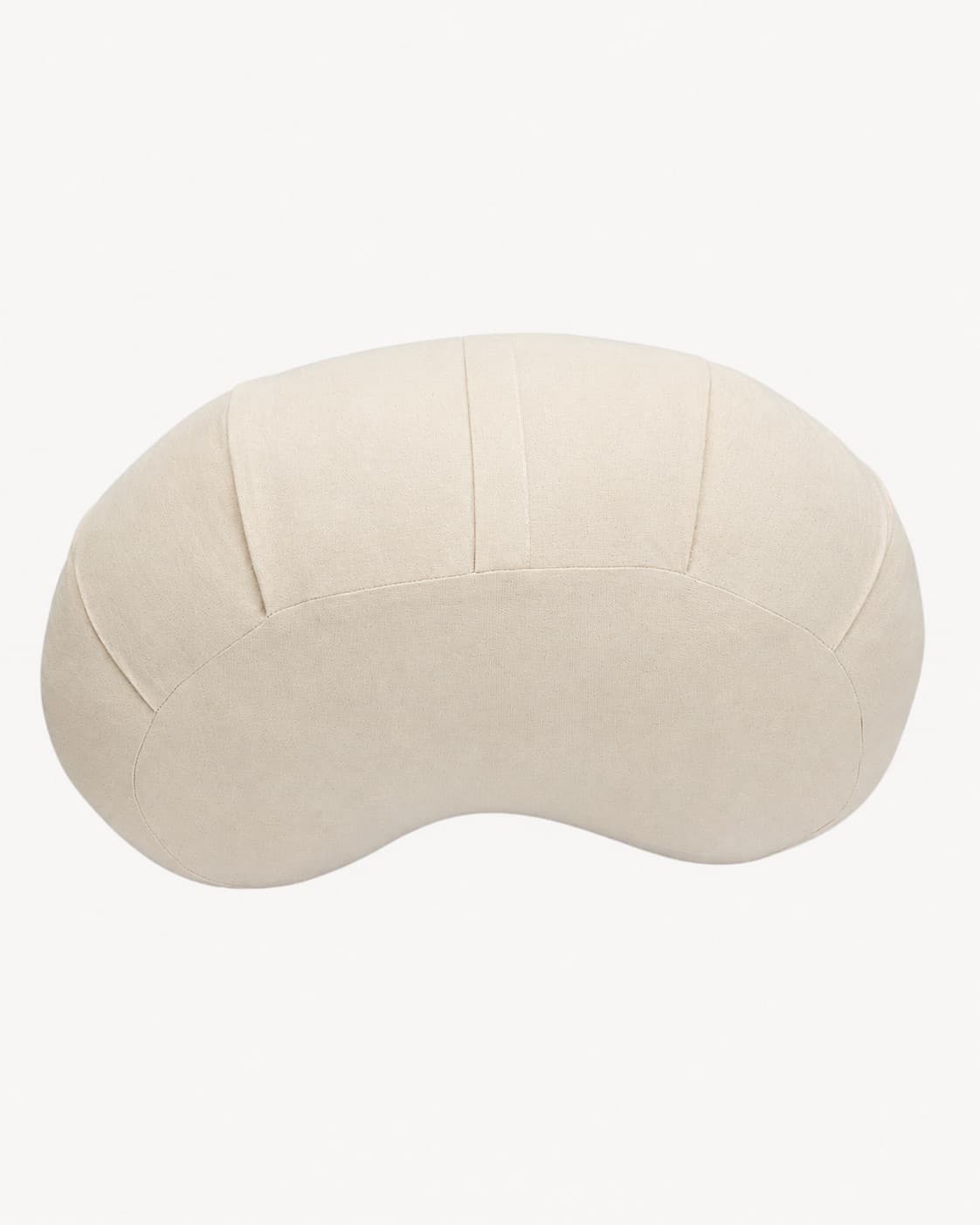
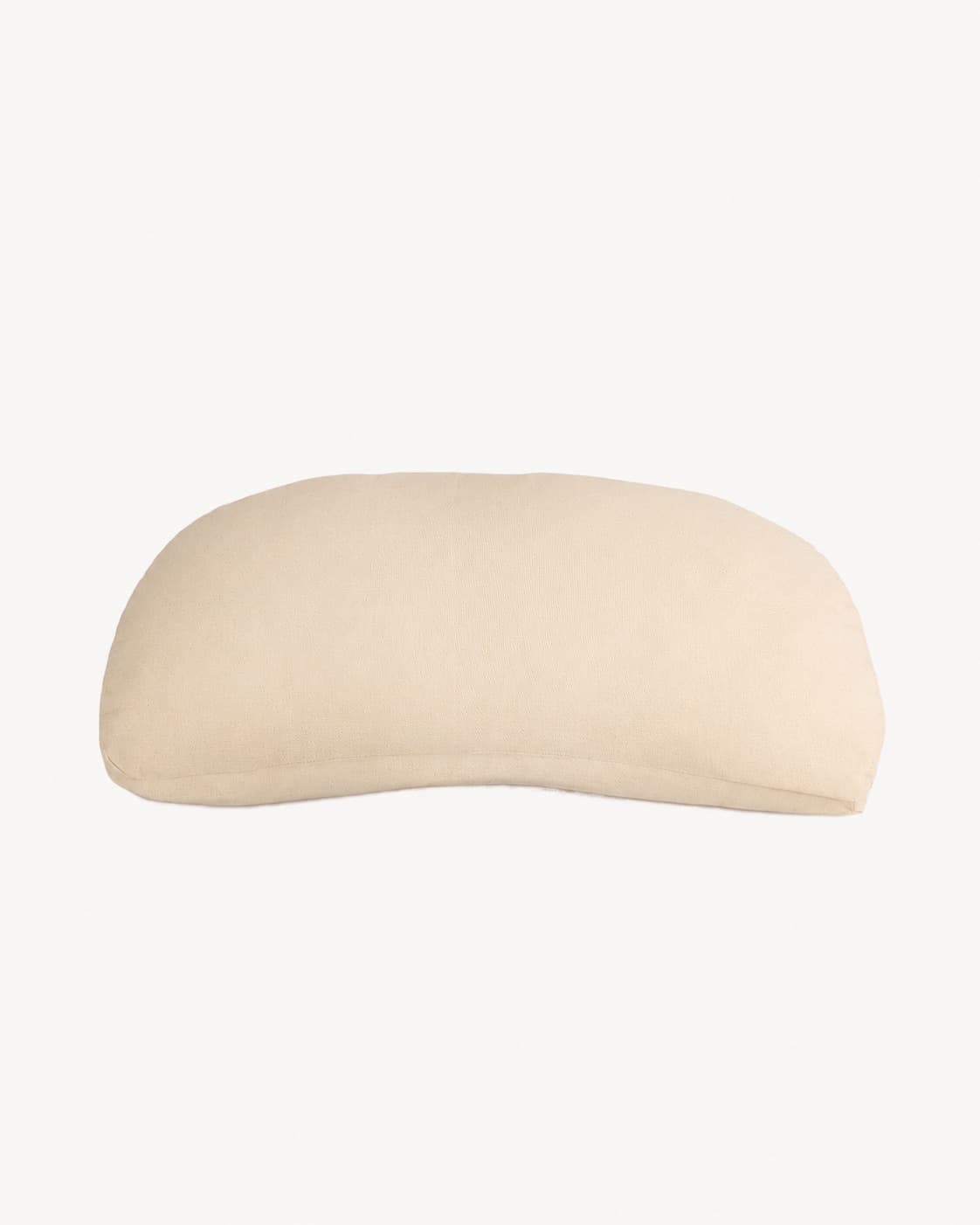
- A bolster, if you have one — it doubles as a floor cushion between practices.
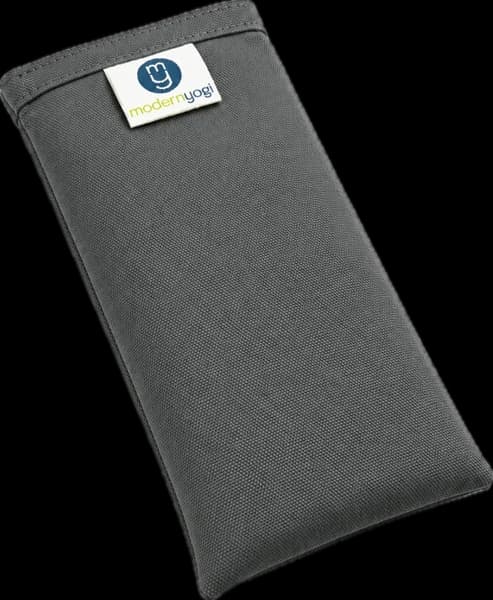
- An eye pillow, on top of the blankets.
A prop in a cupboard is a prop you will not use mid-practice. A prop within arm's reach is one you will reach for, which is the difference between knowing about propping and doing it.