


NotesPractice
Legs Up the Wall
Viparita Karani — the highest return for the least effort in the whole repertoire. Exact setup, how long, and who should not.
Contents
Viparita Karani. The highest return for the least effort in the entire repertoire. No strength requirement, no flexibility requirement, no risk in the basic version, and a reliable effect within five minutes.
The setup
1. Sit sideways on the floor with one hip against the wall, knees bent.
2. In one movement, swing your legs up the wall as you lower your back to the floor. It is awkward the first two times and then it is not.
3. Adjust so your buttocks are close to the wall — touching, or within a few centimetres. If your hamstrings are tight, move further away; ten or fifteen centimetres makes it comfortable and loses nothing.
4. Legs straight up, or slightly bent if that is easier. Let the feet relax; do not point or flex them.
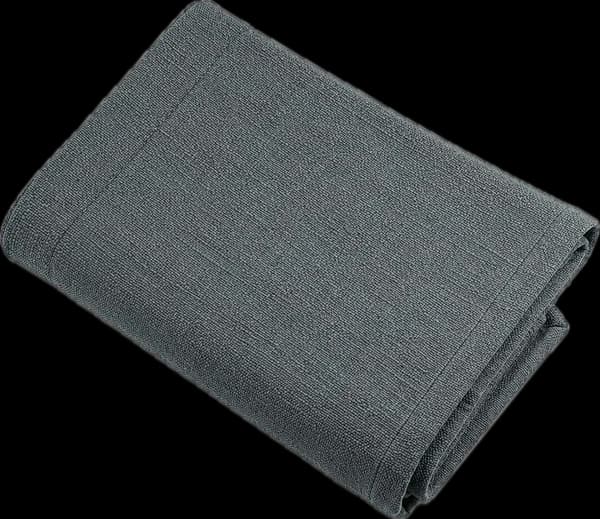
5. Folded blanket under the head, two to five centimetres, so the chin sits fractionally below the forehead.
6. Arms out to the sides, palms up. Or one hand on the belly and one on the chest if you want the breath as a focus.
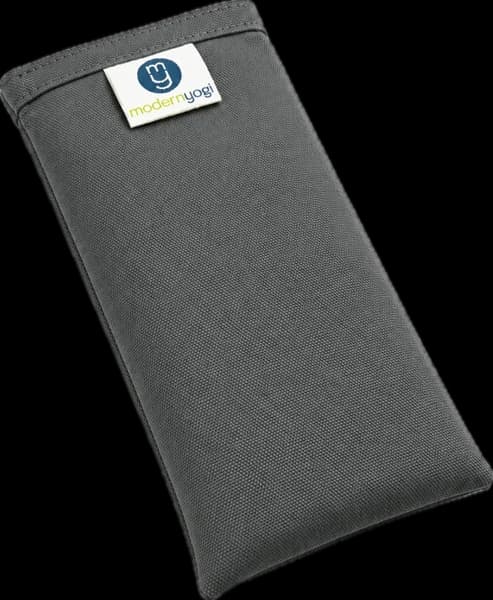
7. Blanket over you. Eye pillow or a folded cloth over the eyes.
Five to fifteen minutes.
The stronger version
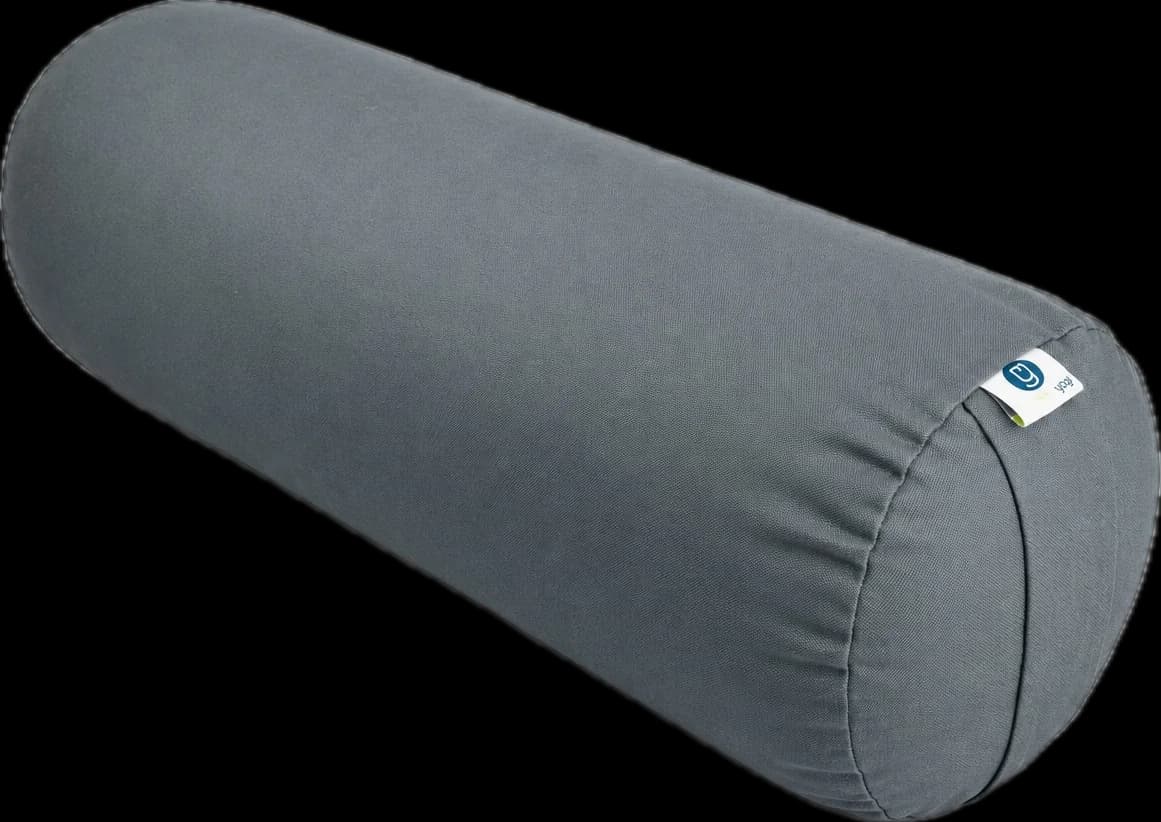
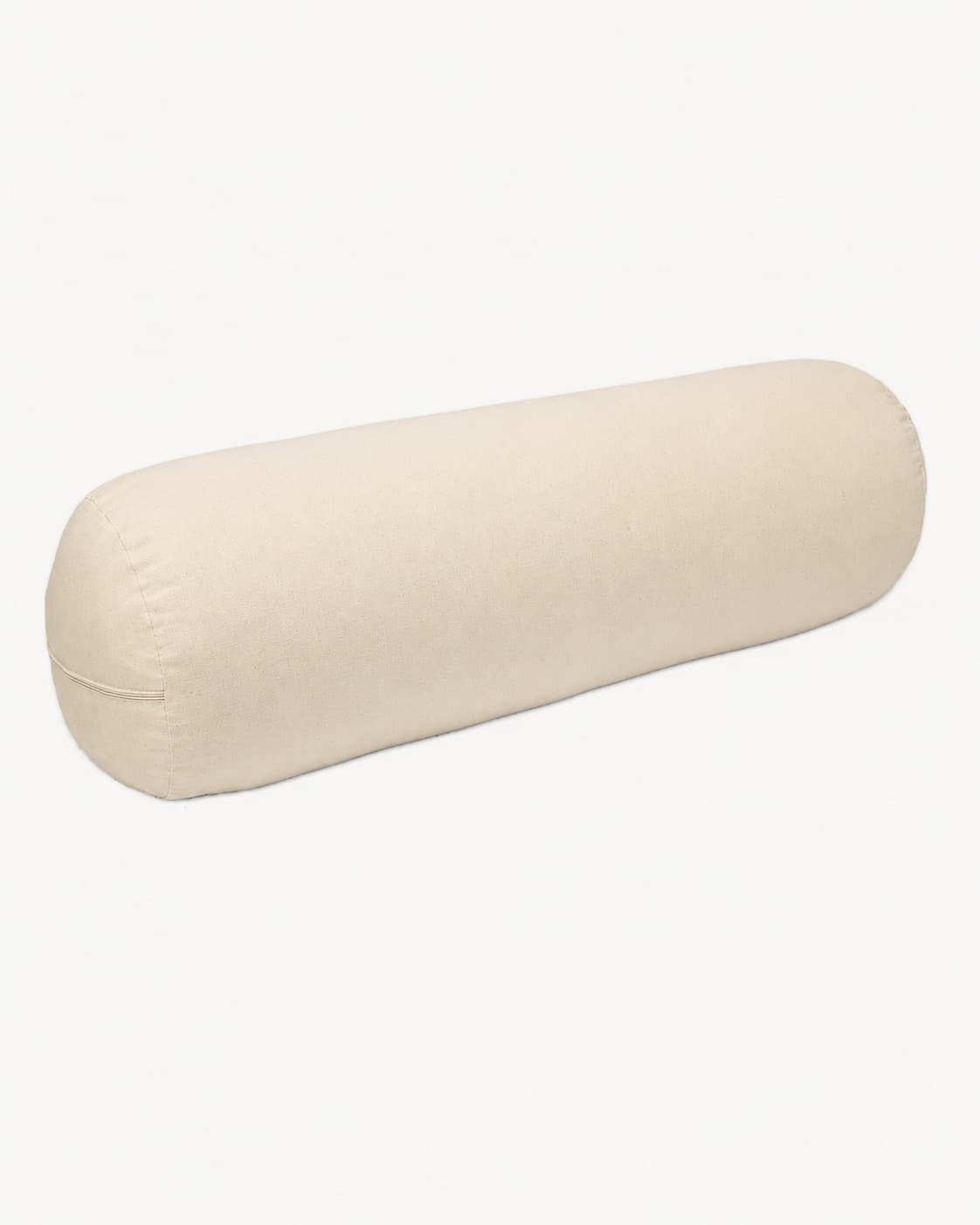
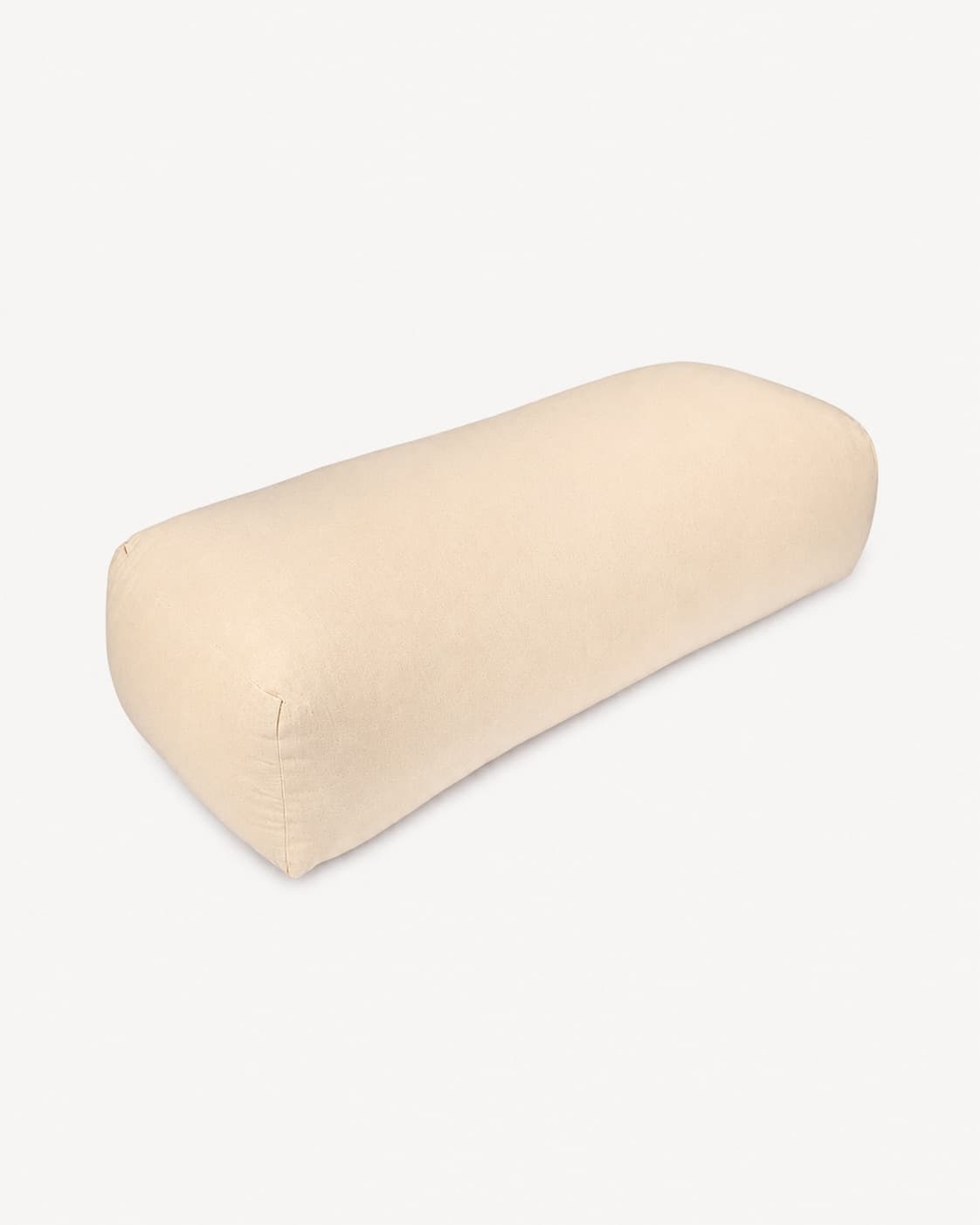
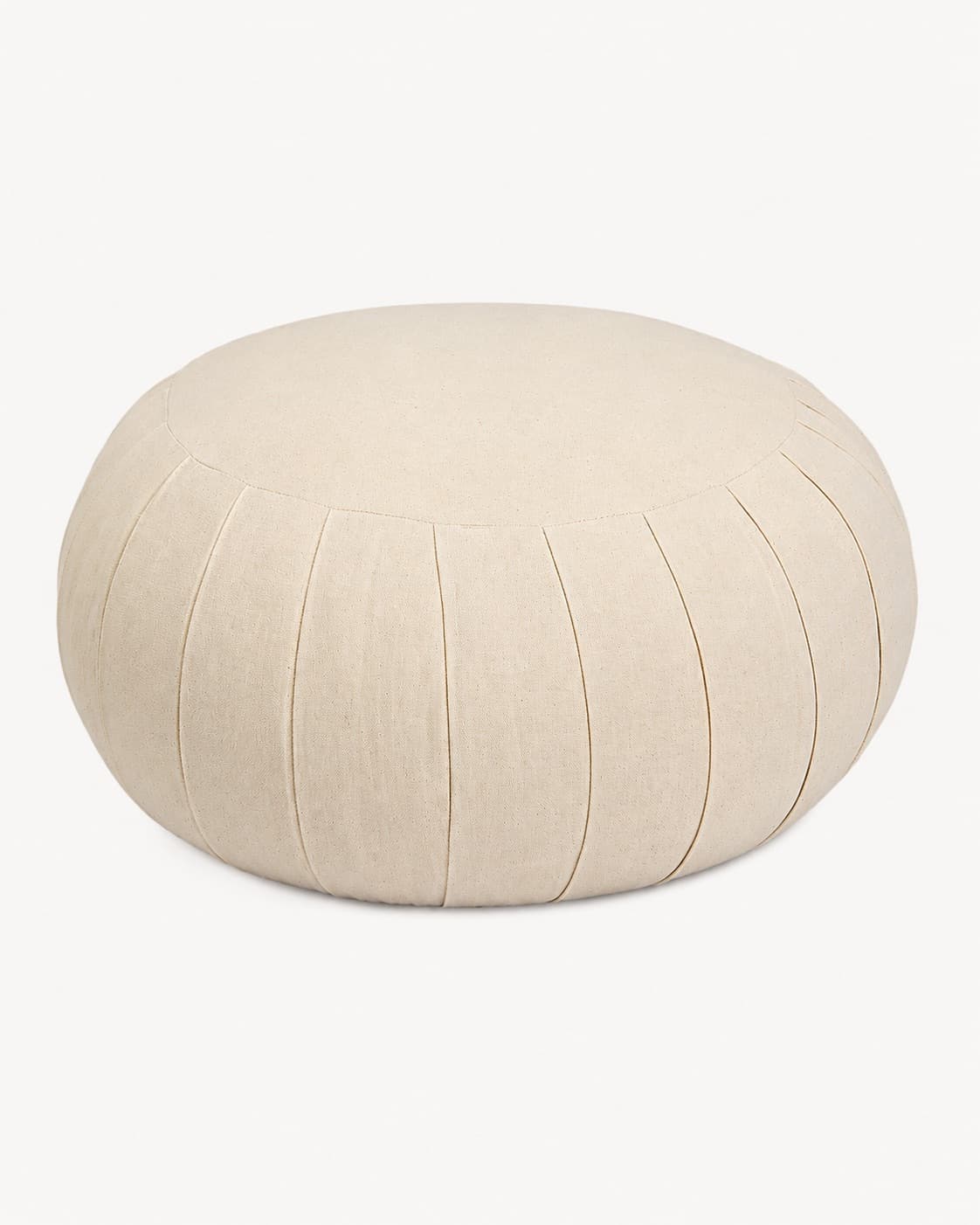
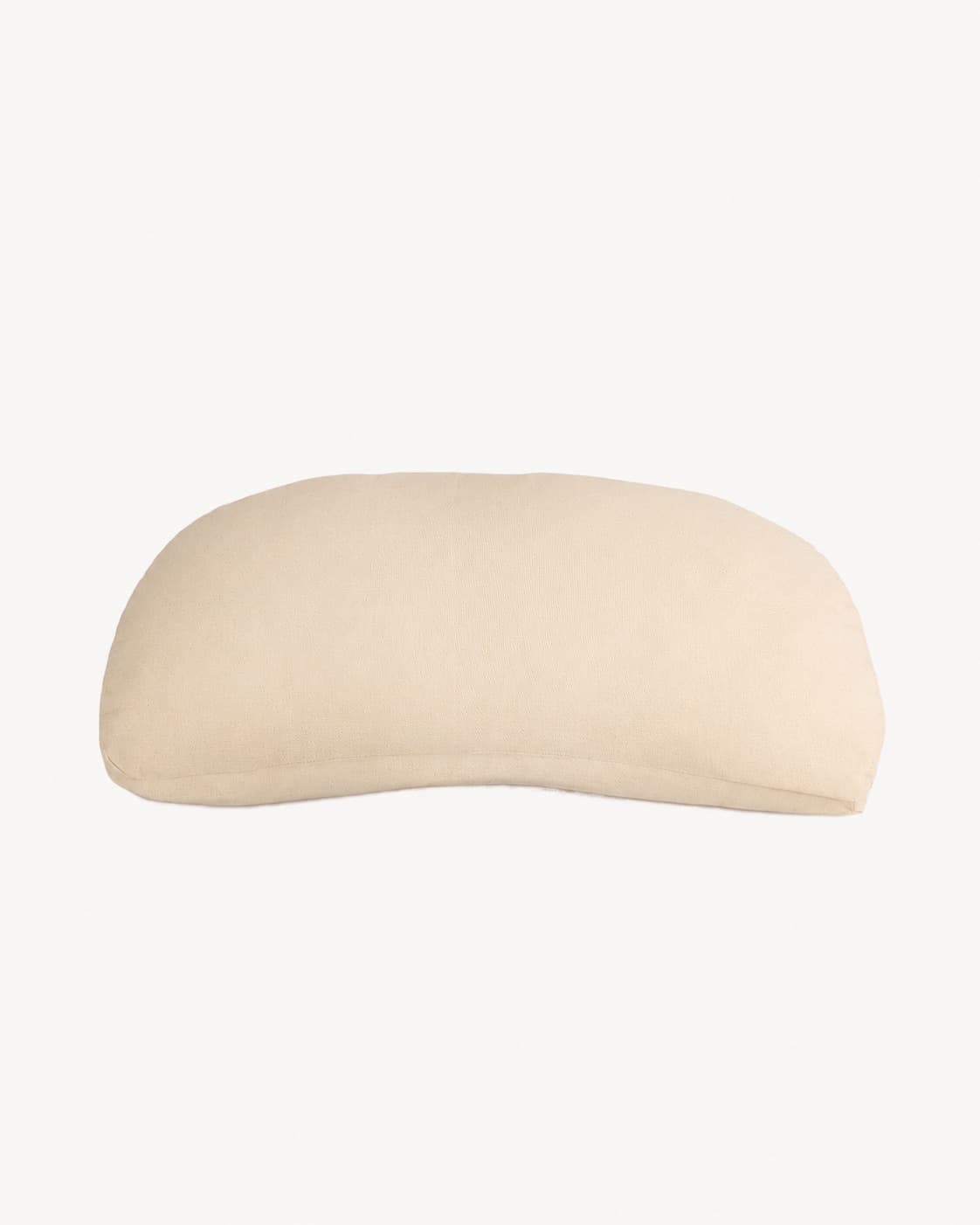
Put a bolster or two folded blankets under the hips, so the pelvis is raised ten to fifteen centimetres above the floor.
Get into it by sitting on the bolster sideways to the wall and rolling back, then adjusting. The pelvis should be on the support, not the lower back.
This turns a resting position into a genuine mild inversion — the pelvis is now above the heart. Stronger effect, and the version to graduate to once the basic one is easy.
Variations
Legs in a V. Let the legs open apart down the wall. Passive inner-thigh work with zero effort. Support the outer thighs with blocks if they need it.
Soles of the feet together, knees out. Feet against the wall, knees dropping to the sides. Passive hip opening.
One leg down. One leg up the wall, one bent with the foot on the floor. Mild asymmetric hamstring work.
Legs crossed. Cross the legs high, near the knees, and rest them against the wall.
Move between two or three of these over fifteen minutes if you want. Or stay in one.
What it does
Venous and lymphatic return. Fluid pools in the legs over a day of standing or sitting. Inverting them lets gravity move it back, and the effect on heavy, tired legs is immediate and obvious.
Nervous system settling. The combination of the mild inversion, the stillness, the support and the length of the hold produces a reliable shift out of the working state. This is the main reason to do it.
Passive hamstring lengthening. Not the point, but it happens, and at an intensity low enough to be safe for anyone.
Lower back release. With the legs supported by the wall, the lower back is unloaded completely.
When to do it
After standing all day. The obvious one, and it works.
After a hard practice, before Savasana.
In the evening, an hour or two before bed. Excellent for sleep.
On days you do not want to practise. Fifteen minutes of this counts as a practice, entirely.
When travelling. After a long flight, this is the single most useful thing you can do, and it needs nothing but a wall.
Not immediately after eating. Wait an hour.
How long
Five minutes is a real dose and produces the leg effect.
Ten to fifteen minutes is where the nervous-system change happens properly.
Beyond twenty adds little, and the feet often go numb.
If your feet tingle, bend the knees for a moment or come down. It means circulation is restricted, usually because the position is too vertical or the hips are jammed hard against the wall.
Coming out
Bend the knees, roll to one side, rest there for a few breaths, and press up to sitting with your hand.
Do not stand straight up. After ten minutes with the legs elevated, blood pressure regulation takes a moment to catch up, and standing immediately makes people light-headed.
When not to
This is a very safe pose, but it is a mild inversion, so:
- Glaucoma or retinal problems — ask someone qualified first.
- Uncontrolled high blood pressure — the same.
- Later pregnancy — lying flat on the back for extended periods is generally avoided. A side-lying supported position instead.
- Menstruation — traditionally omitted in some lineages. Others disagree. It is your call.
- Acute neck injury — make sure the head is well supported.
- If it makes your head pound — come down. That is not a sensation to sit with.
Without a wall
A chair works. Lie on the floor with your lower legs resting on the seat of a chair, knees bent at ninety degrees.
Less inversion, most of the benefit, and it is the version to use if a wall is not available or if straight legs up a wall is too much for your hamstrings.