


NotesPractice
Seated Forward Folds
Why yours has not moved in a year. The fold happens at the hip, not the waist, and almost everything about the standard instruction obscures that.
Contents
Yours has not moved in a year, and it is not because your hamstrings are short. It is because the fold is happening in the wrong place, and every cue you have been given makes that more likely rather than less.
The mechanics
A forward fold is rotation of the pelvis over the head of the femur. The pelvis tips forward, the spine comes with it, and the length is taken out of the hamstrings, which run from the sitting bones down the back of the thigh.
If the pelvis does not tip, the movement has to come from somewhere else, and the only available somewhere else is the spine. So the back rounds. You still get closer to your feet — the shape looks vaguely correct — and the hamstrings get almost nothing, because the sitting bones never travelled anywhere.
That is the whole problem. Two people can look identical in a photograph and one is stretching hamstrings while the other is stretching the ligaments of the lower back.
Why the pelvis will not tip
Because it is already tipped the wrong way. Sit on the floor with your legs straight out. For most adults, the pelvis rolls backwards immediately — tight hamstrings pull the sitting bones under, and the lower back is already rounded before you have folded at all. From there, forward movement can only come from the spine.
Because the hamstrings are at their limit at zero degrees. If sitting upright with straight legs is already a hamstring stretch for you, then you have no fold available at all. Everything from that point is spine.
The fix, in order
1. Raise your hips.
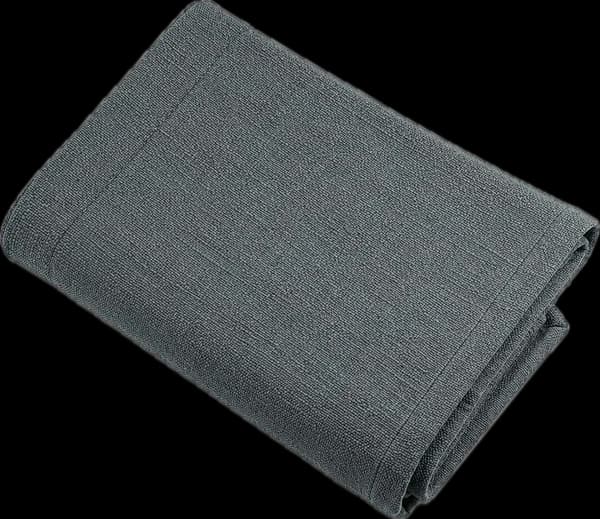
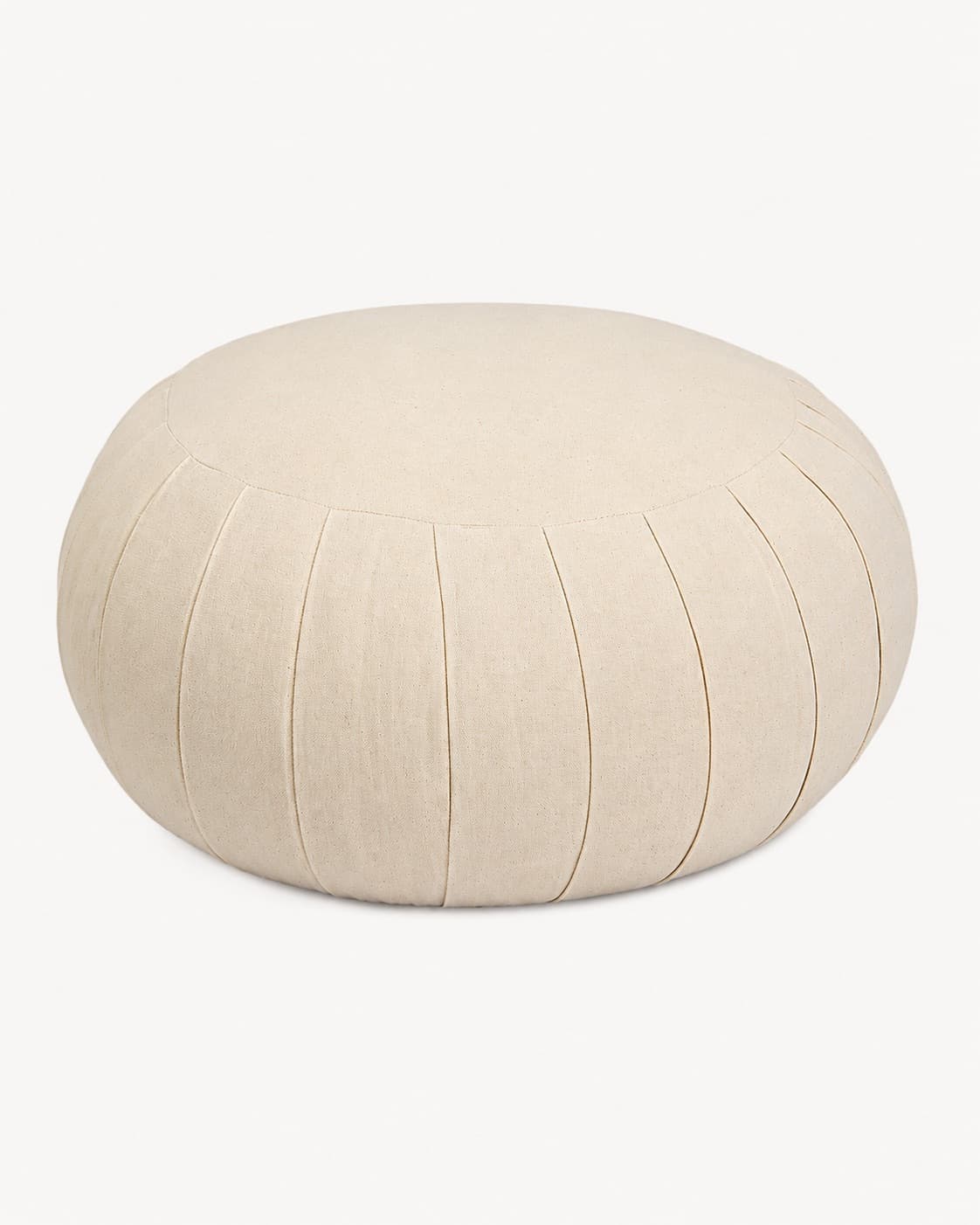
Sit on the front edge of a folded blanket, six to twelve centimetres high. Enough that the pelvis can come to vertical and the lower back has its natural inward curve back.
This one change transforms the pose for most people, and it is the step almost everyone skips.
2. Bend the knees. Substantially.
Not slightly. Enough that the pelvis can tip forward freely — for many people that is thirty or forty degrees of knee bend at first.
Bending the knees takes the hamstrings out of the equation temporarily so the hip can learn the movement. You straighten the legs later, over months, as the pelvis gains range.
3. Find the movement before you use it.
Sitting tall on your blanket with knees bent, put your hands behind you on the floor and rock the pelvis forward and back — tail tucking under, then sticking out behind you. Feel the sitting bones move on the floor. That forward roll is the entire fold. Do twenty of them.
4. Now fold, from that movement only.
Hands on the floor beside you or a strap around the feet. Roll the pelvis forward and let the torso come with it as one piece. Stop the moment the lower back starts to round.
That will be much less far than you are used to going. It is also, for the first time, actually a forward fold.
5. Hold, and breathe into the back.
Two to three minutes. In this shape the front of the body is compressed, so direct the inhale into the back of the ribs.
The cues that make it worse
"Reach for your toes." Reaching is a spine movement. It guarantees rounding. Reach with the sternum, not the hands.
"Flatten your back." Correct in intent, impossible in isolation. The back flattens as a consequence of the pelvis tipping; you cannot flatten it directly from a seated position with tight hamstrings.
"Pull yourself down with your arms." Loads the lower back and teaches the body to guard. If your arms are working, the pose is being forced.
"Relax into it." In a shape where the hamstrings are at their limit, relaxing means the spine takes the load.
The pose that works better
Honestly: do the reclining version instead, most of the time.
Lie on your back. Loop a strap around one foot and take that leg up towards the ceiling. Other leg bent with the foot on the floor, or straight along the ground.
The floor holds your pelvis and spine in position, so the hamstring is the only thing that can lengthen. Nothing can cheat. Two to three minutes per side, and you will make more progress in a month than in a year of seated folding.
The seated version is worth keeping for what it teaches you about the pelvis. But if the goal is longer hamstrings, the supine version is the better instrument, and there is no reason to be precious about it.
What progress looks like
Not your forehead getting closer to your shins.
Month one to three: you can sit with straight legs and a neutral pelvis on a lower blanket than before.
Three to six: the knees straighten in the fold while the back stays long.
Six to twelve: the blanket comes out. The fold is smaller than the rounded version you were doing a year ago, and it is real.
Measure the height of the blanket, not the distance to your toes. It is the honest number.