


NotesPractice
Backbends: Where the Bend Comes From
The lower back is not supposed to do all of it. How the load should be distributed across the spine, and how to feel whether it is.
Contents
The lower back is flexible, willing, and the wrong place for most of a backbend to happen. Almost every backbend problem in yoga is a distribution problem — one region doing all the work that thirty-odd joints should be sharing.
What the spine can actually do
Extension — bending backwards — is available in different amounts along the spine.
Lumbar (lower back), five vertebrae: substantial extension, and the joints are oriented to permit it. This is the region that moves most easily.
Thoracic (mid-back), twelve vertebrae: limited extension, restricted by the ribs and by the shape of the joints. Also the region that is most stiffened by modern life.
Cervical (neck), seven vertebrae: substantial extension.
So the body's default when asked to bend backwards is: hinge at the lower back, hinge at the neck, and leave the mid-back exactly as it is.
That default produces a shape that looks like a backbend and concentrates the entire movement into two hinge points. Repeated, it compresses the facet joints of the lower back and the back of the neck. This is the mechanism behind most yoga-related lower-back complaints.
How to tell if you are doing this
Look for the crease. In a standing backbend or Camel, if there is a sharp crease at your waist and the mid-back is flat, you are hinging.
Feel where the sensation is. A well-distributed backbend feels like work in the front of the body — the front of the thighs, the abdomen, the chest — and like broad, mild sensation across the whole back. A hinged backbend feels like compression in one specific spot in the lower back.
Check the ribs. Put a hand on your lower front ribs before you start. If they jut forward as you bend, that is the lumbar spine arching to make up for a mid-back that is not moving.
The three corrections
One: draw the lower front ribs down and in, and keep them there.
This is the whole technique in one instruction. The lower ribs are attached to the thoracic spine; drawing them down stops the lumbar spine from over-arching and forces the mid-back to contribute.
Practise it standing before you ever try it in a pose. Stand, put one hand on your sternum and one on your lower ribs, lift the arms overhead, and keep the lower ribs from flaring. It is a small movement and it feels like doing less. It is doing more.
Two: lengthen before you bend.
Extension is not compression. Before any backbend, grow taller — lift the ribcage away from the pelvis — and then bend from that length. The spine should feel like it is arcing over something rather than folding at a point.
The image that works for most people: bend backwards over a large ball, not over the edge of a table.
Three: engage the legs and the abdomen.
The front of the hip and the front of the thigh are usually the actual limit in a standing backbend, and if they do not lengthen, the lower back makes up the difference.
In any backbend: press the feet down, engage the buttocks lightly, and lengthen the tailbone downwards. And keep some tone in the abdominal wall — not a rigid brace, but enough that the front body is participating rather than hanging open.
Building mid-back extension
This is the slow work and it is what actually changes backbends over years.
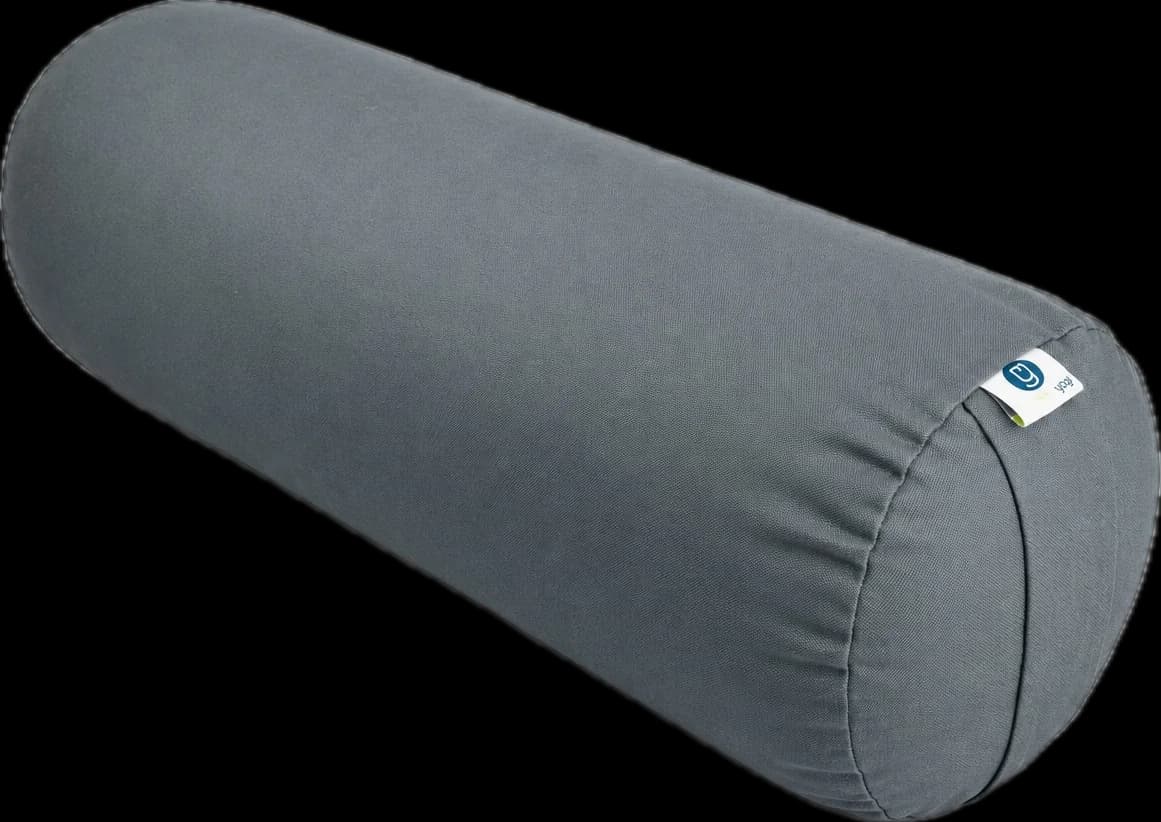
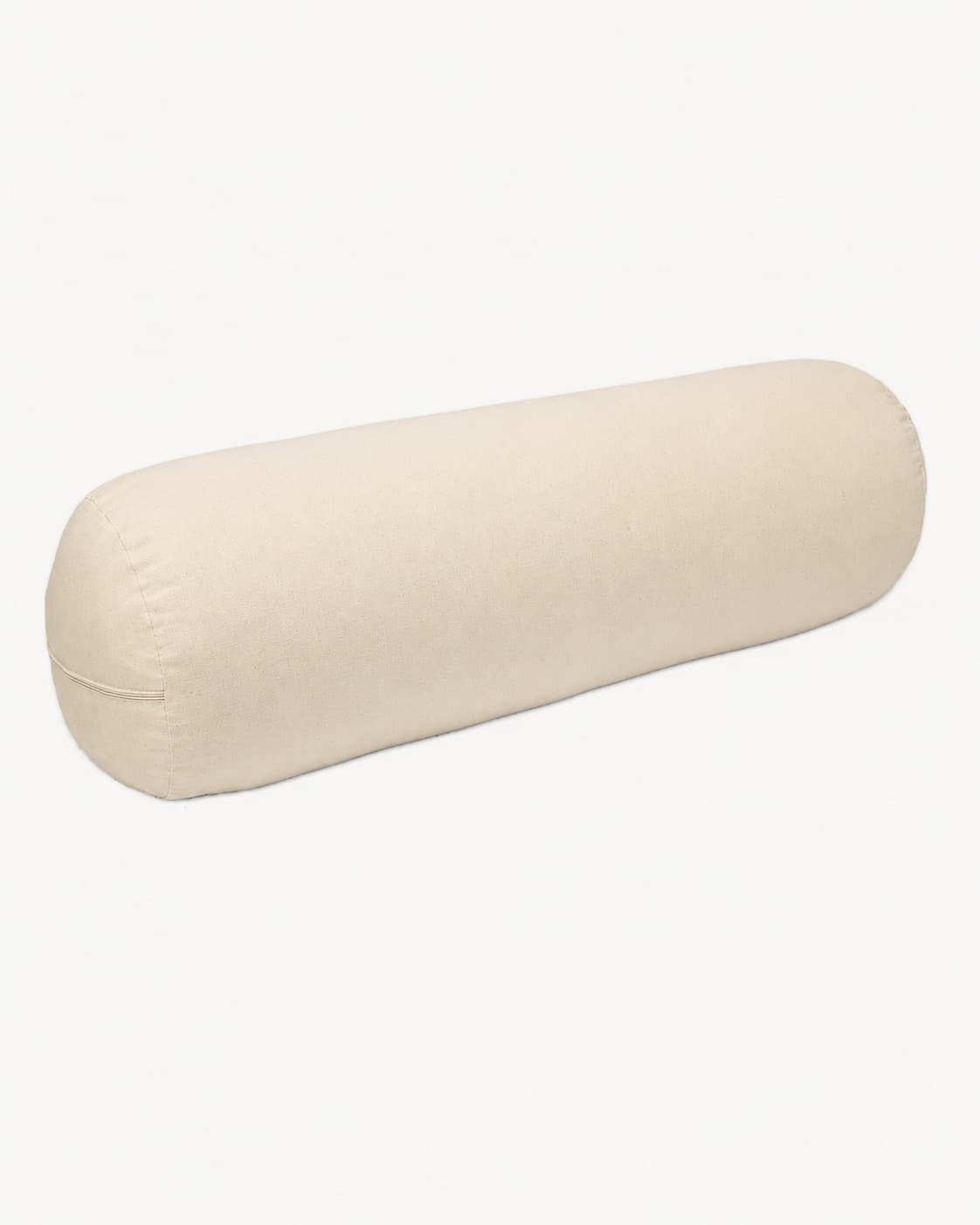
Passive extension over a support. Roll a blanket into a firm cylinder about ten centimetres across and lie on it lengthwise along the spine, head supported. Or lie over it crosswise at the level of the shoulder blades. Three to five minutes daily. Nothing else on this list is as effective.
Thoracic rotation. Rotation and extension share the same restrictions in the mid-back. Seated and supine twists, done properly, improve both.
Sphinx. Forearms on the floor, elbows under shoulders, legs long. The mildest useful backbend, and because the arms are fixed, it is hard to cheat with. Hold for two minutes.
Anything that strengthens the upper back. Locust, and its variations. Extension is a strength quality as much as a range one, and a mid-back that cannot hold itself extended will not extend.
The progression
Sphinx — passive, supported, forearms down.
Cobra — the same shape with the hands, but with the back muscles doing the lifting and the hands barely pressing. Most people press hard and turn this into a shape their arms are producing.
Upward Dog — arms straight, thighs off the floor. This is a considerable step up and needs the thighs to be genuinely lifted, which is a strength requirement most people skip.
Camel — the first backbend where the pelvis is unsupported, and consequently the first place people really hinge. Keep the hips over the knees, ribs down, and go to the hands on the lower back before ever reaching the heels.
Bridge — supine, feet down. Excellent and safe, and the best place to learn to press through the feet.
Wheel — needs shoulder flexion more than it needs spinal extension, and most people who cannot do it are limited at the shoulder. Work on shoulders, not on bending further.
After a backbend
Do not immediately fold forward hard. The instinct is to counter an extreme with the opposite extreme, and the muscles of the lower back have just been working hard and shortened.
Instead: lie on your back with your knees drawn in gently for a few breaths, or take a very mild twist. Then, if you want a forward fold, do it a minute later and keep it moderate.