




NotesPractice
The Quiet Half of Practice
Everything that happens after the last pose — the ten minutes most people skip, and what they are skipping.
Contents
Everything after the last pose. Ten minutes most people skip, and what they are skipping.
What it is
Three things, in order: the down-regulation before Savasana, Savasana itself, and the transition out.
Together they are perhaps fifteen minutes of a sixty-minute session, and they are the part cut when time is short, which is precisely backwards.
Why it matters
The physical work is the stimulus. The quiet part is where the response happens.
This is true of any training. Load produces a signal; adaptation occurs afterwards. Standing up immediately at the end of a session does not undo the work, but it skips a state the body was about to enter and which is not otherwise available.
Three specific things happen:
The nervous system changes state. After forty minutes of effort you are sympathetic-dominant. Left alone, that takes a long time to resolve. Held still, warm, supported, with a slow breath, the change takes roughly eight to twelve minutes. That number is why Savasana is ten minutes.
Motor learning consolidates. You have spent the session giving the nervous system new information about ranges and positions. A period of stillness afterwards is when that settles.
The practice acquires an ending. A session that stops abruptly does not feel finished, and over months that matters more than it sounds — a practice with no boundary at the end bleeds into the rest of the day and loses its distinctness.
Part one: down-regulation, five to ten minutes
Two or three supported shapes, held three to five minutes each, with no muscular effort.
Options:
- Legs up the wall.
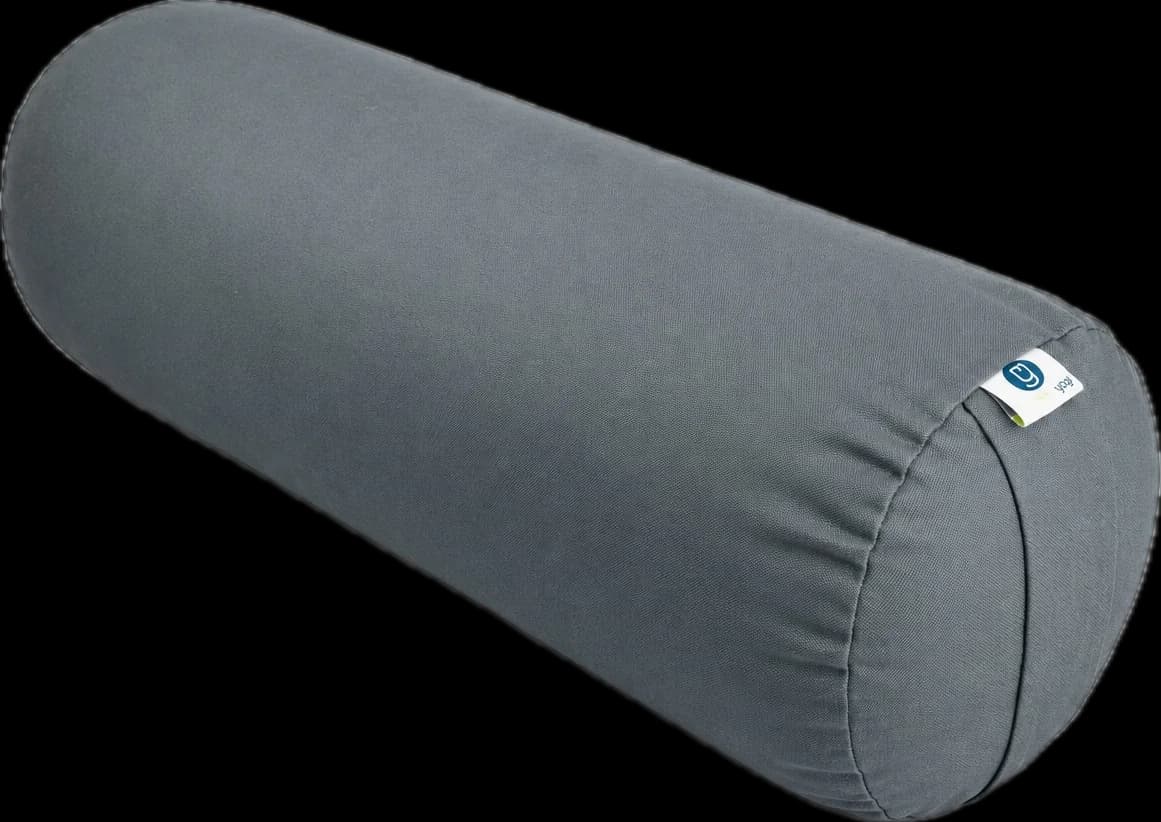
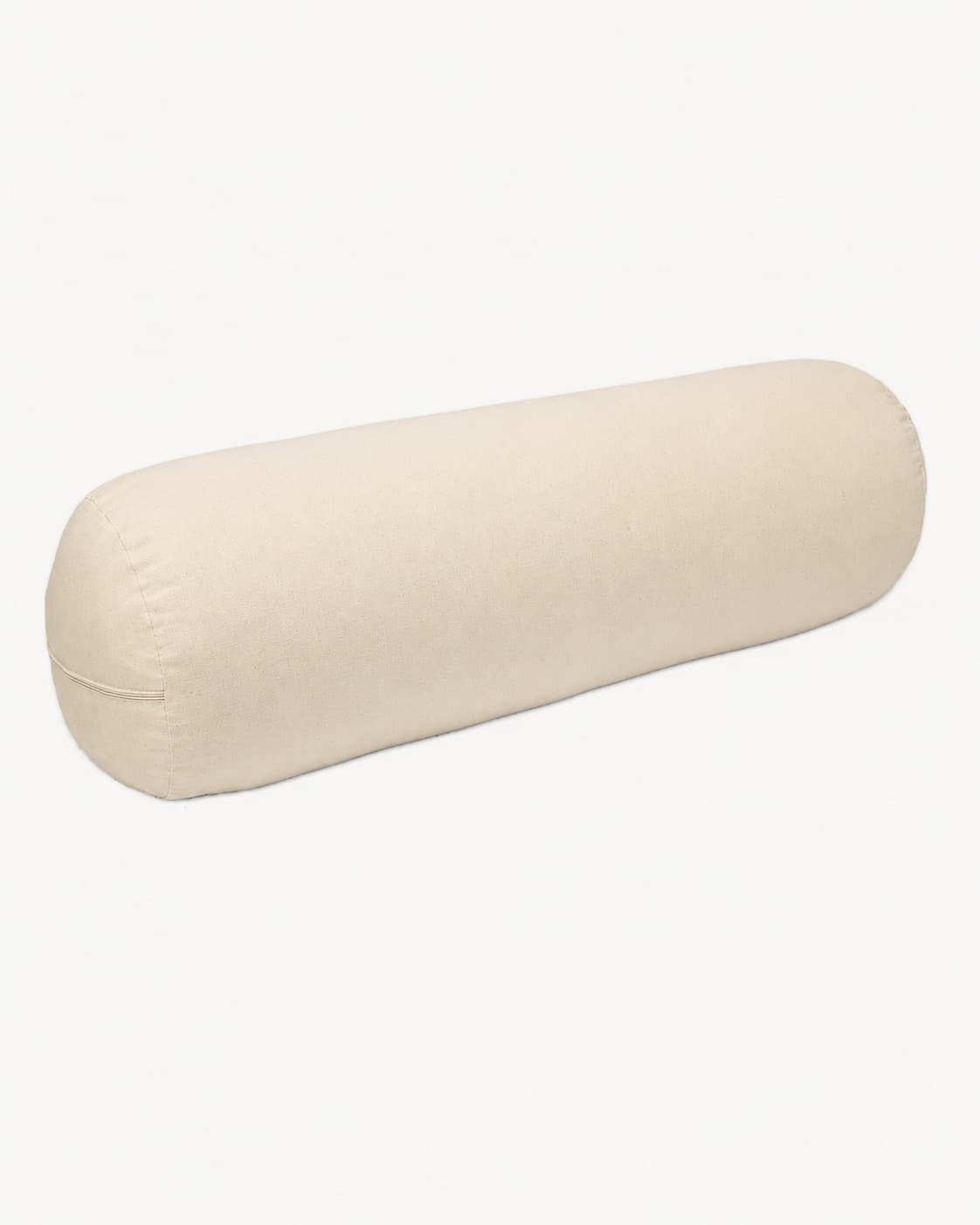
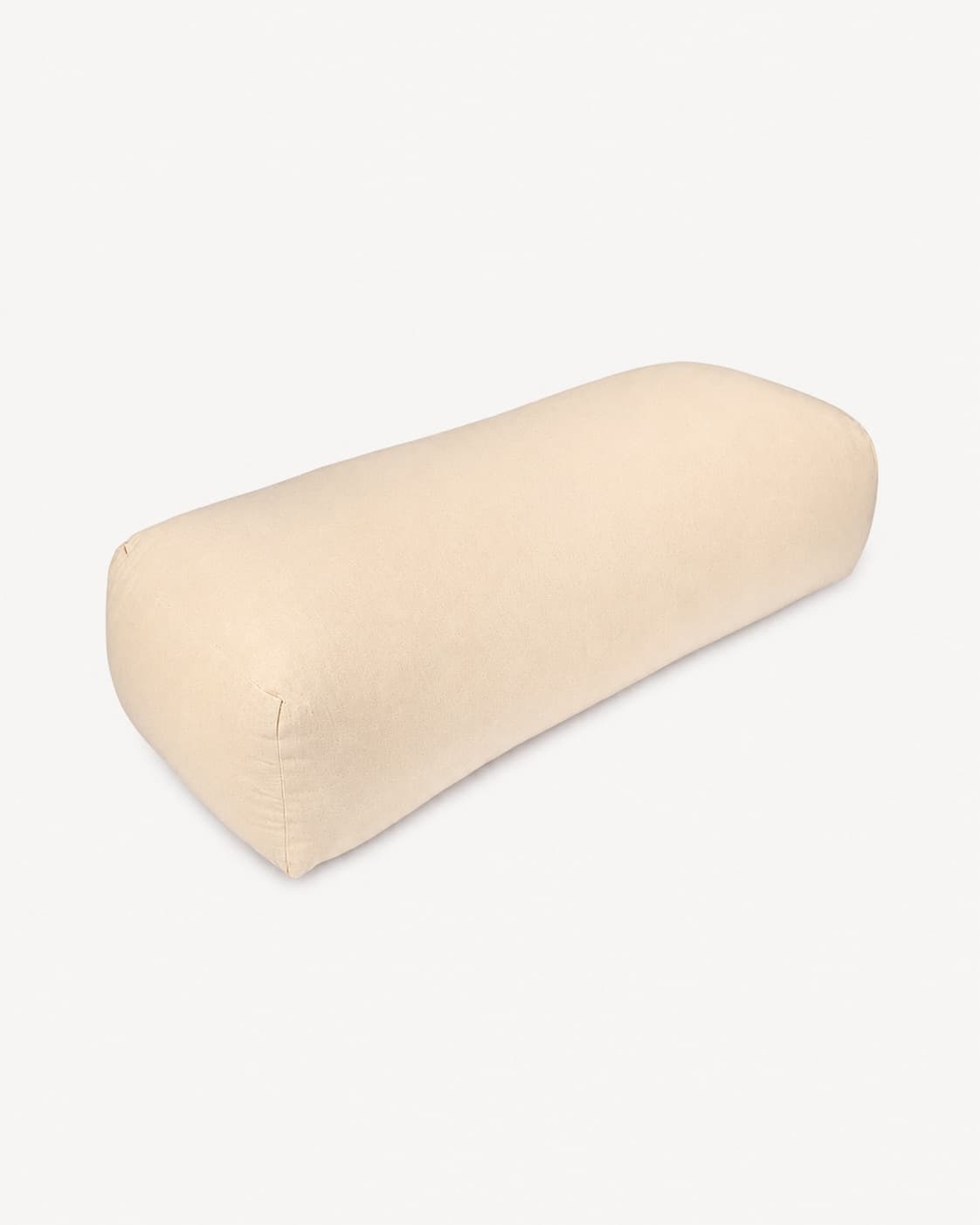
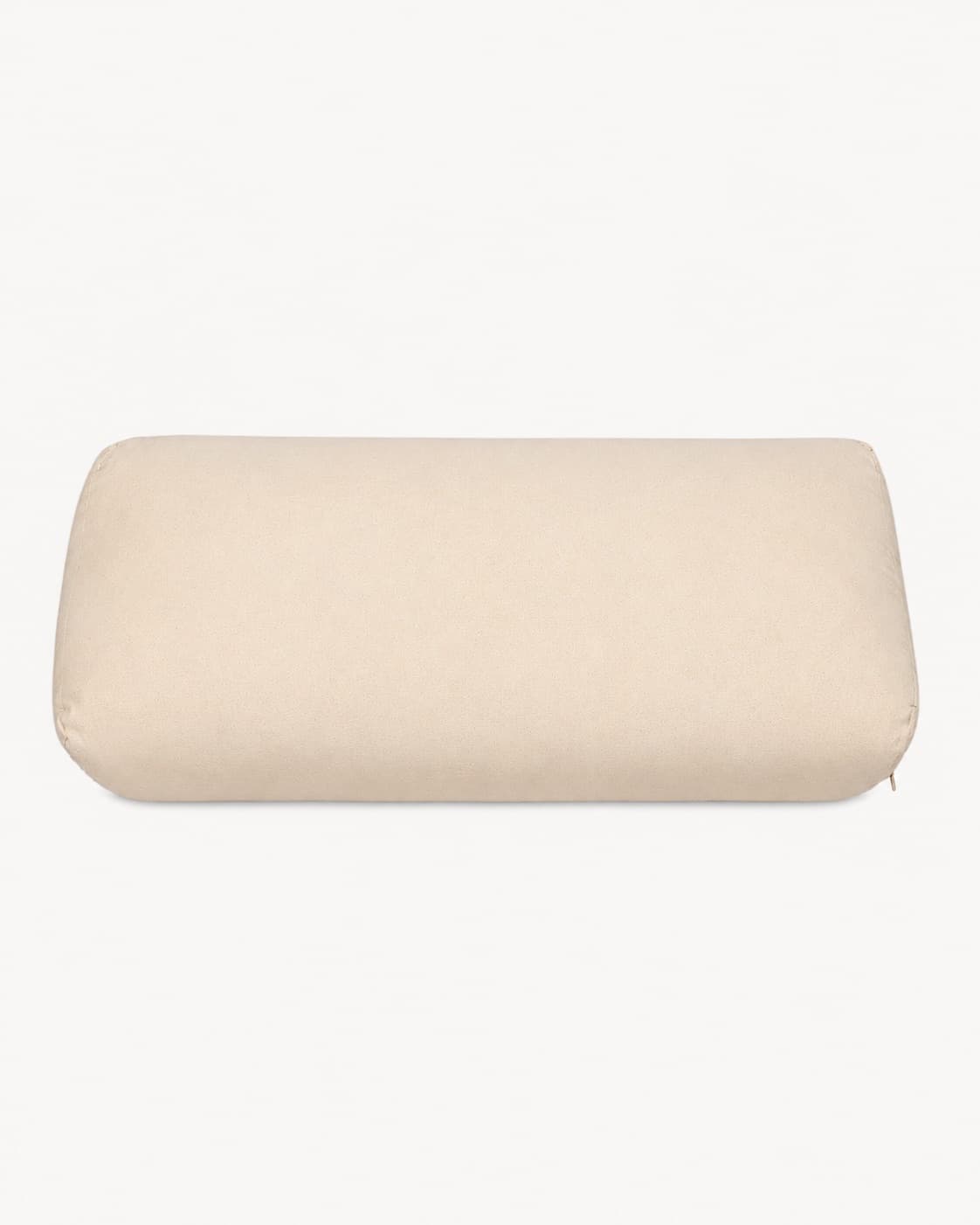
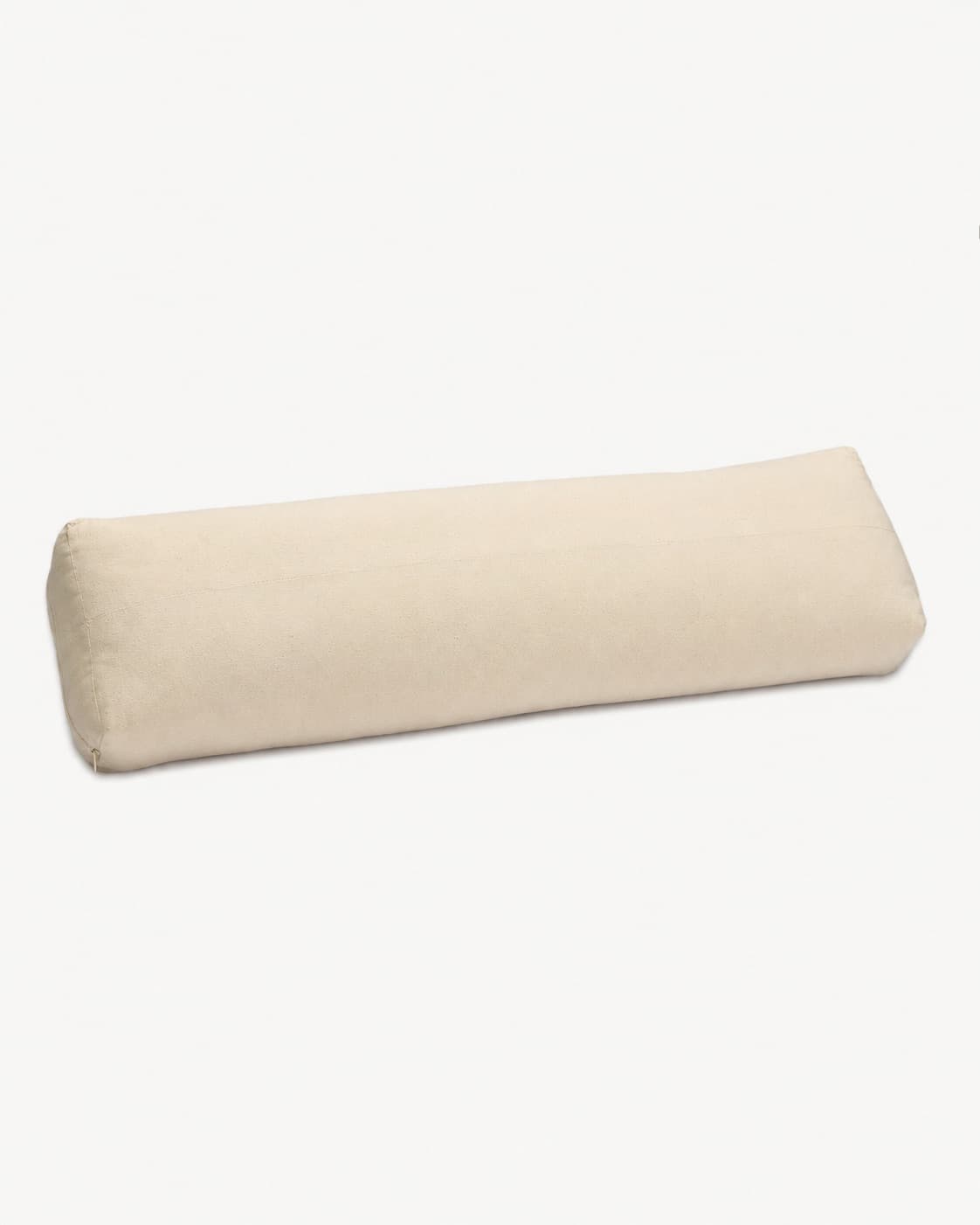
- Supported bridge, bolster or block under the sacrum.
- Supported reclining bound angle.
- Supine twist with the knees on a bolster.
- Child's pose with a bolster under the chest.
Or: five minutes of extended-exhale breathing instead.
What this is for: it brings the heart rate down progressively rather than abruptly, so that Savasana begins from somewhere useful. Going straight from a standing sequence to lying still means spending the first five minutes of Savasana coming down, which is five minutes of the ten gone.
Part two: Savasana, ten minutes
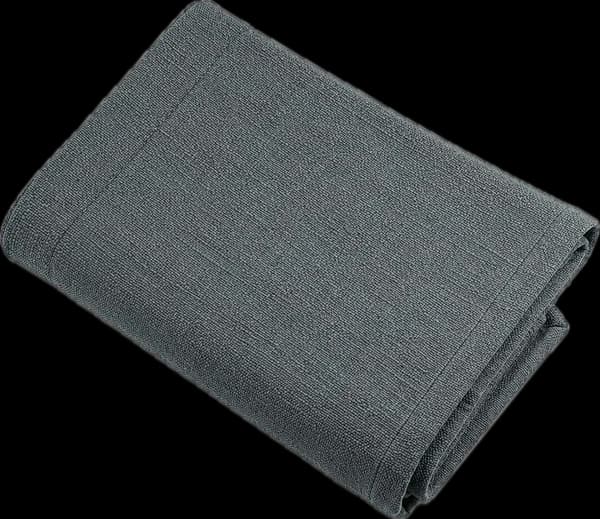
Propped: blanket under the head so the chin sits fractionally below the forehead. Roll under the knees. Blanket over the body. Something over the eyes.
All four. The setup is the difference between resting and lying on the floor being uncomfortable.
The procedure:
- A tension sweep. Feet, calves, thighs, pelvis, belly, hands, arms, shoulders, jaw, forehead. Notice what is holding and let it go. Do not skip the jaw and the forehead; they hold the most and are noticed least.
- Let the exhale lengthen, without effort, for a minute or two.
- Then stop. Around minute five, drop the procedure entirely. Nothing to do, nothing to fix. This is the part that is difficult and it is the pose.
A timer so you are not tracking the time. A gentle sound.
Part three: the transition out, two minutes
The part everyone rushes.
Small movements first — fingers, toes.
A slow stretch of the arms overhead.
Roll onto your right side and stay there for several breaths with the knees drawn up.
Press up to sitting using the hand, with the head coming last.
Sit for a moment before standing. Blood pressure regulation is slower after ten minutes of stillness, and standing straight up will make you light-headed.
Then sit for another minute if you can. Not meditating — just sitting, at the end, before the next thing.
Why people skip it
It is not obviously doing anything. No sensation, no effort, no visible result.
It is genuinely difficult. Lying still with nothing to do is, for most people, the least practised state there is. The mind, given no task, supplies one.
Time pressure. It is the easiest thing to cut, because cutting a standing pose feels like cutting the practice and cutting Savasana feels like cutting the rest.
The rule
If you are short of time, cut a pose, not the end.
A forty-five-minute practice with a full ten-minute Savasana is better than a fifty-five-minute practice without one. This is not close and it is not a matter of taste.
If ten minutes is genuinely impossible
Five. Then six.
Five minutes done every session beats ten minutes attempted twice a month and abandoned.
Even one minute, in a ten-minute practice, is worth having. It marks the end, and the transition is what matters more than the duration.
If lying still is difficult
For some people — particularly with a history of trauma — stillness with the eyes closed is not neutral, and there is no requirement to do it that way.
Alternatives that count:
- Eyes open, softly focused on the ceiling.
- Side-lying, with a bolster between the knees.
- Sitting supported against a wall.
- Legs up the wall instead.
- A guided body scan, so there is something to follow.
The state is what matters, not the shape.