


NotesPractice
What Shoulders Need
The most mobile joint in the body, and the one most often stretched when it should be strengthened. How to tell which yours wants.
Contents
The most mobile joint in the body, and the one most likely to be stretched when it needs strengthening. Working out which yours wants is the whole question.
The structure, briefly
The shoulder is not one joint. It is four, working together:
The glenohumeral joint — the ball and socket. Very shallow, which is what buys the range. It is held together almost entirely by soft tissue, not by bone.
The scapulothoracic "joint" — the shoulder blade sliding on the back of the ribcage. Not a true joint. Enormously important, and the part that stops working first.
The acromioclavicular and sternoclavicular joints — where the collarbone meets the shoulder blade and the breastbone.
Because the socket is so shallow, the shoulder trades stability for range. Which means: shoulder health is a muscular problem, not a skeletal one. The muscles are what hold it together.
The two situations
Situation one: genuinely restricted.
Some ranges are actually short — most commonly overhead reach and external rotation. Usually from a rounded posture held for years, from the front of the chest shortening, and from the mid-back losing extension.
Situation two: unstable and guarding.
The joint has plenty of range and not enough control. The nervous system limits movement it cannot control, and it feels like tightness. Stretching gives temporary relief and makes the underlying problem slightly worse.
Which one is yours
Test one: overhead reach.
Lie on your back, knees bent, feet flat, lower back pressed to the floor and lower ribs drawn down. Now take both arms overhead towards the floor behind you.
- Arms reach the floor, elbows straight, back stays flat: good overhead range.
- Arms do not reach, or your ribs pop up and your back arches to get there: restricted. Note that the arching is the body faking the movement, and it is what most people do without noticing.
Test two: external rotation.
Stand with your upper arms against your sides, elbows bent to ninety degrees, forearms forward. Keeping the elbows pinned to your ribs, rotate the forearms outward.
- Around ninety degrees: normal.
- Much less: restricted external rotation.
Test three: control.
Stand facing a wall, arms overhead against it, and slide them up. Watch the shoulders. Do they shrug up towards the ears?
Then: hold a plank for thirty seconds. Does the space between your shoulder blades sag towards the floor?
Then: hold Downward Dog for a minute with the arms straight. Does it become an effort in the shoulders?
If you have range but fail these, it is control.
Test four: hypermobility.
Can you pull your thumb back to touch your forearm? Do your elbows hyperextend past straight? Can you put your palms flat on the floor with straight legs?
If two or more, you are on the mobile end of the spectrum and stretching is almost certainly not what you need.
If you are restricted
Work on these, most days:
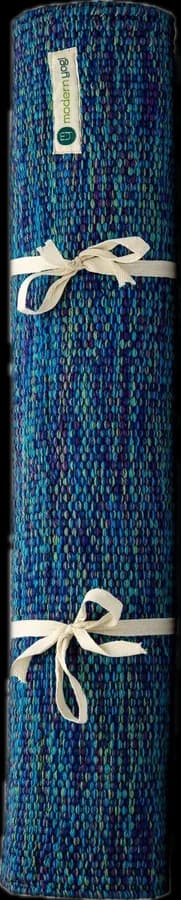
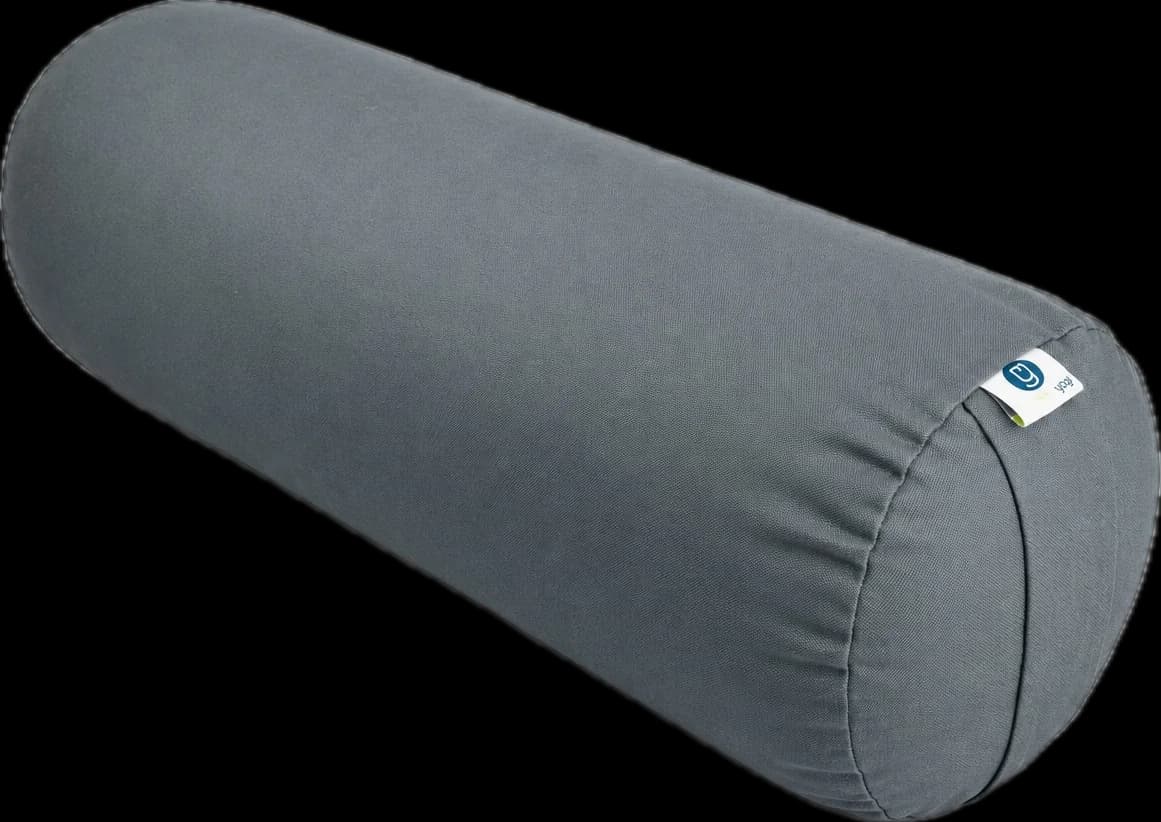
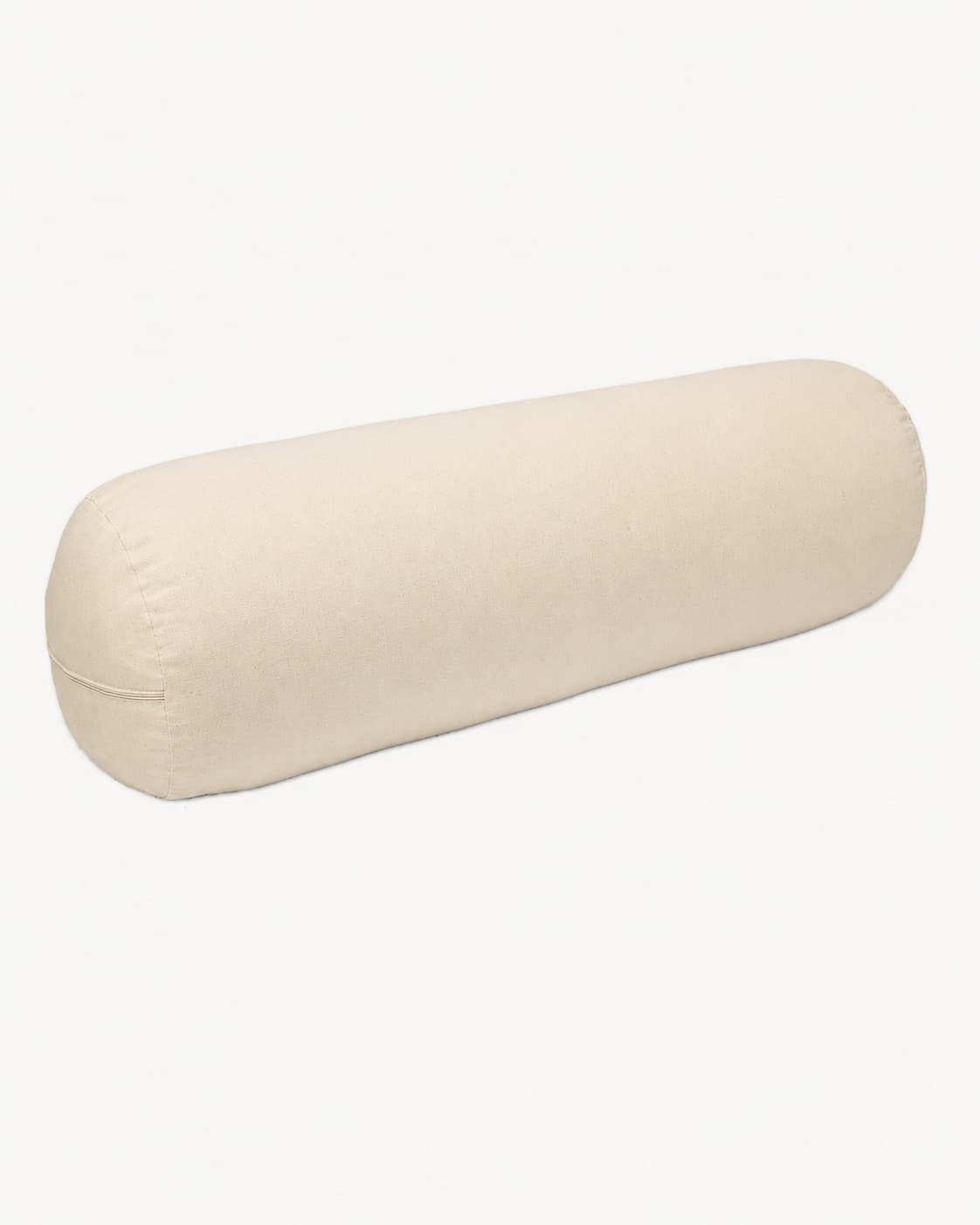
Passive chest opening. Rolled blanket lengthwise along the spine, ten centimetres in diameter, head supported, arms open. Three to five minutes. The most effective single thing on this list.
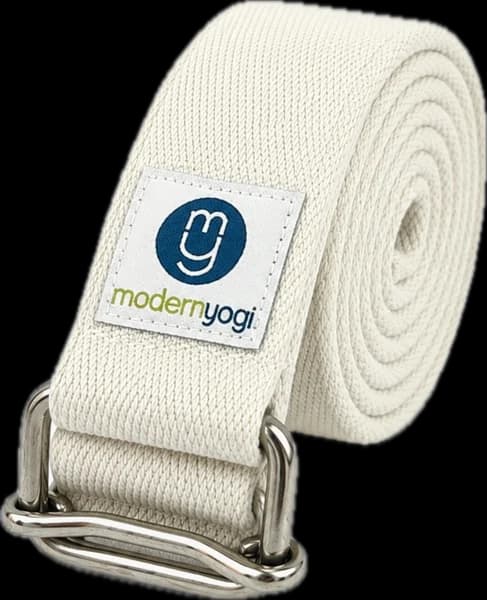
Strap overhead. Hold a strap wide with straight arms in front of you, take it up and over your head to behind you, and back. Narrow the grip by a centimetre a month.
Doorway or wall chest stretch. Forearm on the frame, elbow at shoulder height, turn away. Change the elbow height to reach different parts of the chest.
Thoracic extension and rotation. The mid-back and the shoulder are inseparable. If your mid-back will not extend, your arms cannot go overhead without your lower back compensating. Rotation drills on your side, and extension over a rolled blanket.
Puppy pose. Knees down, hips over knees, chest and arms forward and down to the floor. Two minutes.
If it is a control problem
Stop stretching, and start loading:
Downward Dog held long, with the arms actively straight, upper arms turning outward, pressing the floor away. Build to two minutes. This is a shoulder strength pose and treating it as one changes everything.
Dolphin. Forearms down. Hold thirty seconds, build to two minutes.
Plank with the shoulder blades wide, actively pressing the floor away rather than letting the chest sink between the arms. Thirty seconds to a minute.
Wall slides. Back to a wall, arms in a goalpost shape against it, slide up and down keeping contact. Slowly. Ten repetitions.
External rotation with a band or a light weight. Elbow at your side, bent ninety degrees, rotate outward against resistance. Fifteen a side. Dull and extremely effective.
Side plank, on the forearm, thirty seconds a side.
If you are hypermobile
Strength, exclusively. Skip the stretching entirely for six months. You have all the range you need and none of the control, and stretching a hypermobile shoulder is how it gets injured.
The list directly above is your practice. Add load over time.
Chaturanga
A note, because it is the shape most likely to cause a problem.
Lowering from a plank with the elbows flared out to the sides puts the head of the arm bone into a position where the tendons of the rotator cuff are compressed against bone. Hundreds of repetitions a week, and it accumulates.
The correct version: elbows track straight back along the ribs, upper arms staying close to the body. Shoulders stay level with or above the elbows — do not go lower. Shoulder blades wide, not squeezed.
Until you can do that: knees down. For as long as it takes. Most people should be doing knees-down Chaturanga for the first year or two and almost nobody does.
The general rule
If a shoulder complains during or after practice, the answer is almost never more stretching. It is either better positioning in the shapes that load it, or more strength, and usually both.