


NotesPractice
Pigeon Pose
The pose most likely to be done badly in a general class. What it is asking of the front hip, and three safer routes to the same place.
Contents
The shape most likely to be done badly in a general class, and the one most likely to cause a knee problem. It is also useful, which is why it is worth doing properly rather than avoiding.
What it is asking
Eka Pada Rajakapotasana preparation — the version done in general classes — asks two things at once:
The front hip: external rotation, combined with flexion and abduction. That is a demanding combination.
The back hip: extension. The front of the back thigh and hip flexor lengthening.
Both at the same time, with body weight on top.
Where the problem is
The front knee.
If the hip does not have the external rotation the shape requires, the rotation has to come from somewhere. The knee is the next joint down, and it will oblige — but the knee is a hinge. It flexes and extends and permits only a few degrees of rotation. Forcing rotation through it stresses the meniscus and the ligaments at the sides.
You will feel this as sensation at the inside or outside of the front knee. That sensation is not a stretch and it is the signal to stop.
The second problem: the pelvis. Almost everyone lets the pelvis drop and rotate towards the front-leg side. When it does, the shape stops asking anything of the hip and starts loading the sacroiliac joint and the lower back.
Doing it properly
1. Set the front shin at an angle you can actually hold.
The picture shows the shin parallel to the front of the mat. That requires a great deal of external rotation and almost nobody has it. Bringing the heel closer to the opposite hip reduces the demand considerably.
Start with the shin at forty-five degrees or less. The heel close in. Work towards parallel over years, or never.
2. Prop the front hip.
This is the step that makes the pose work and the step that is almost always skipped.
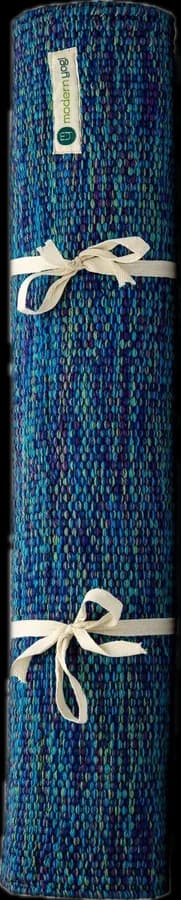
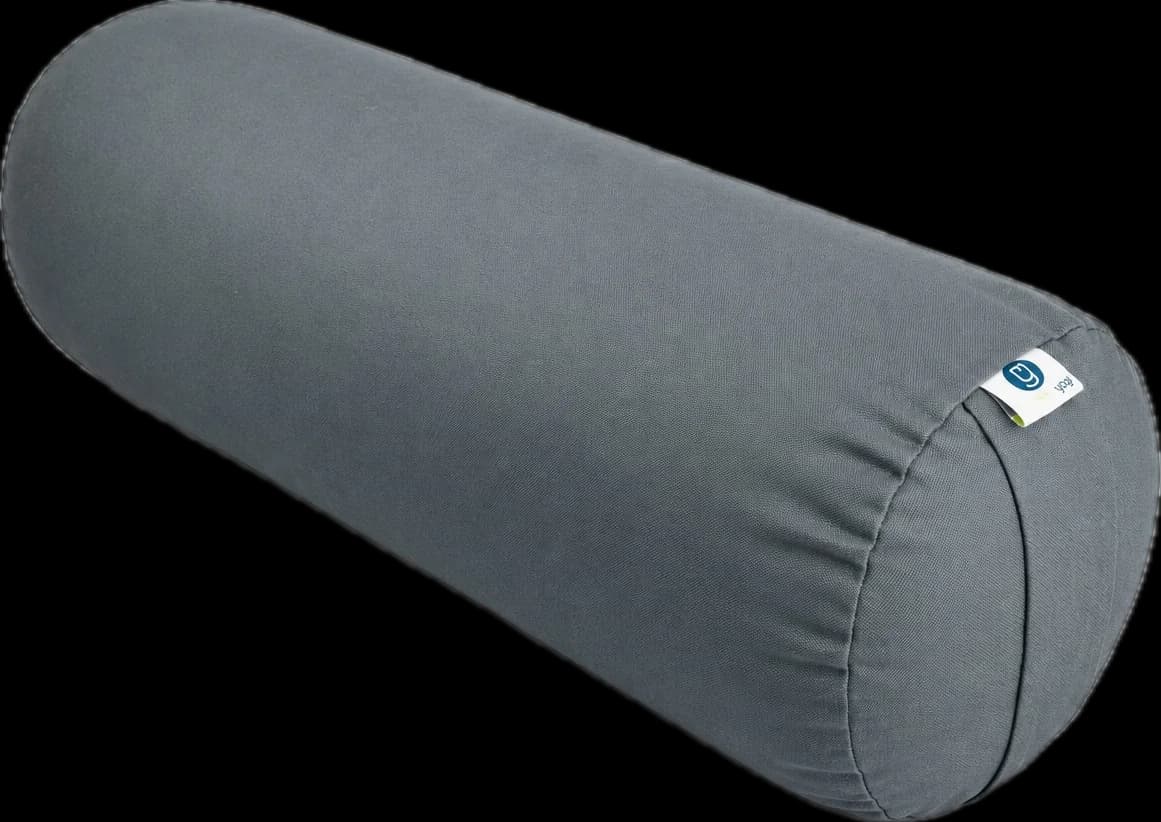
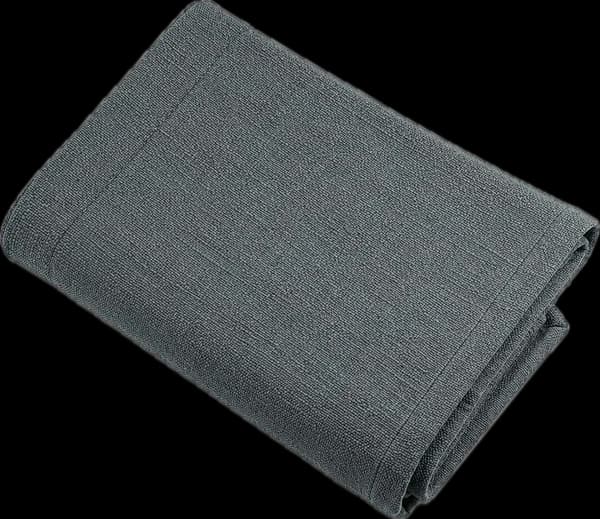
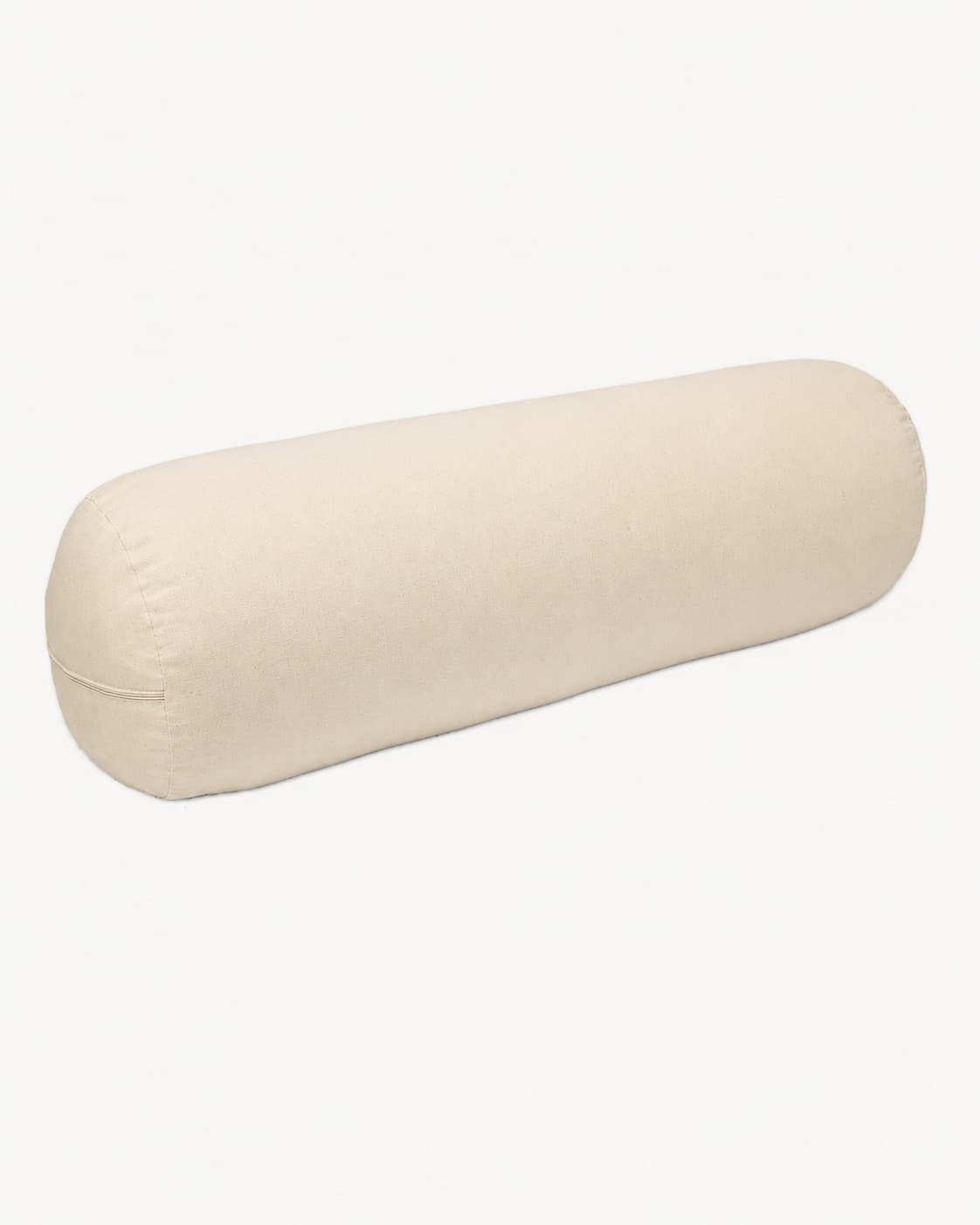
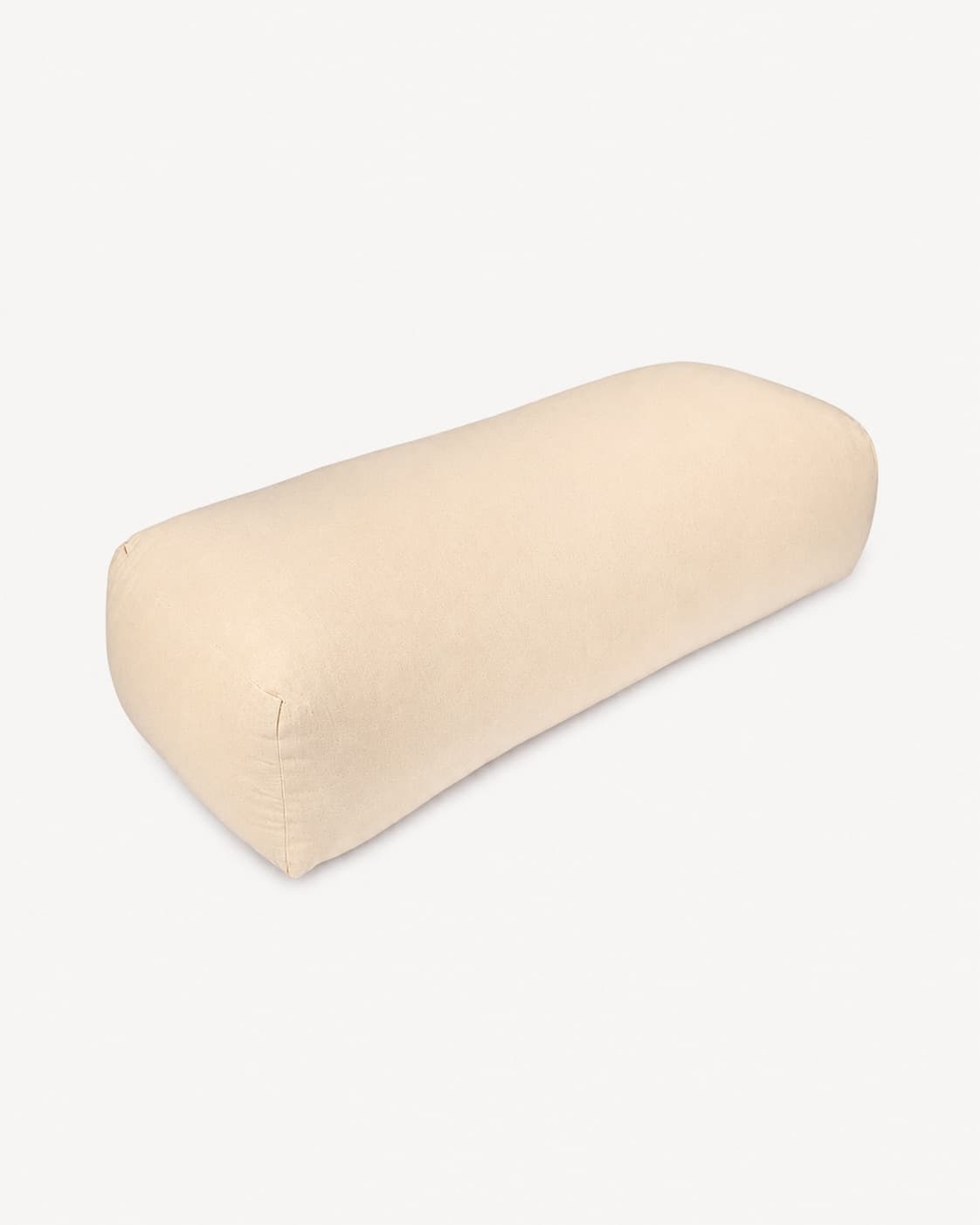
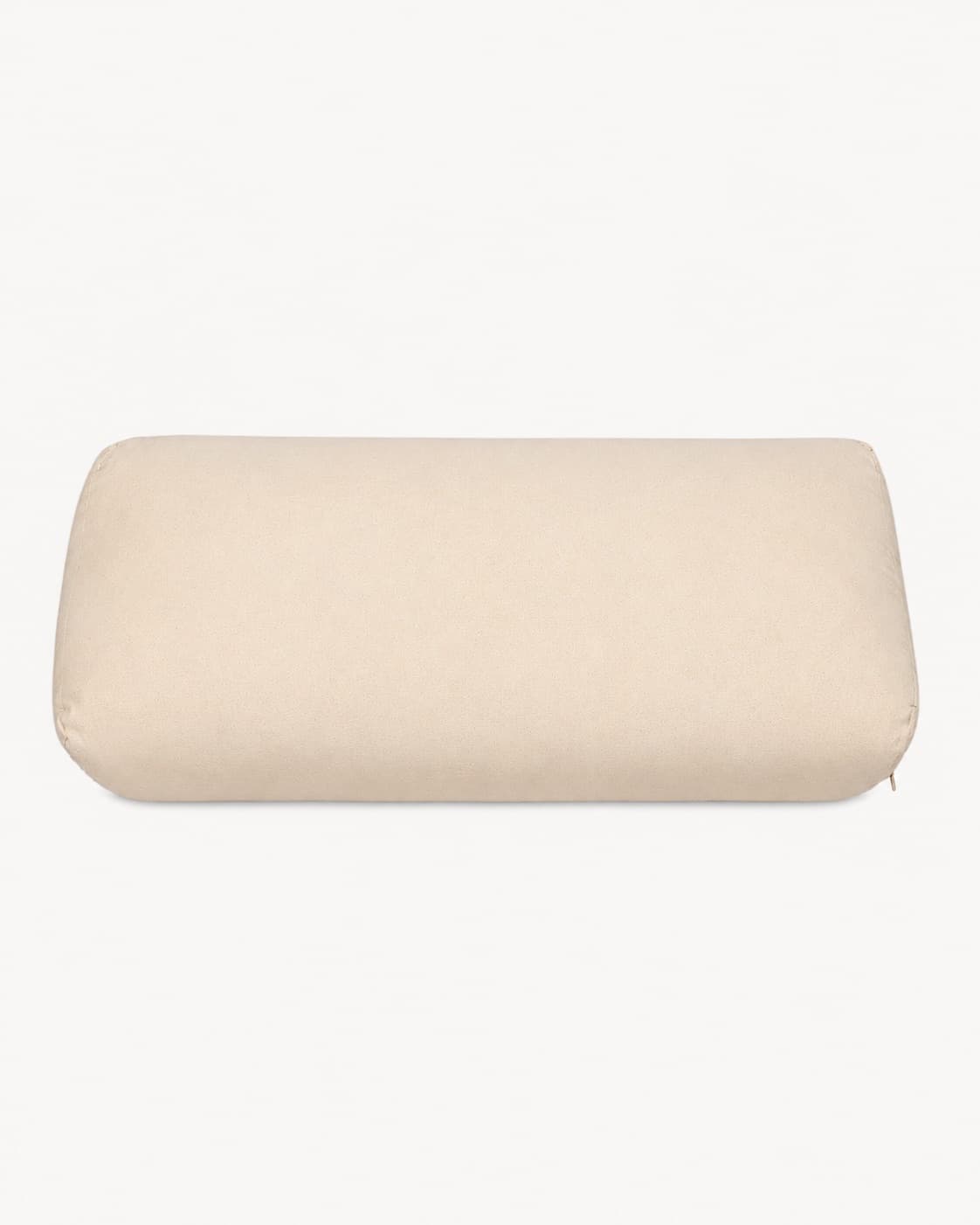
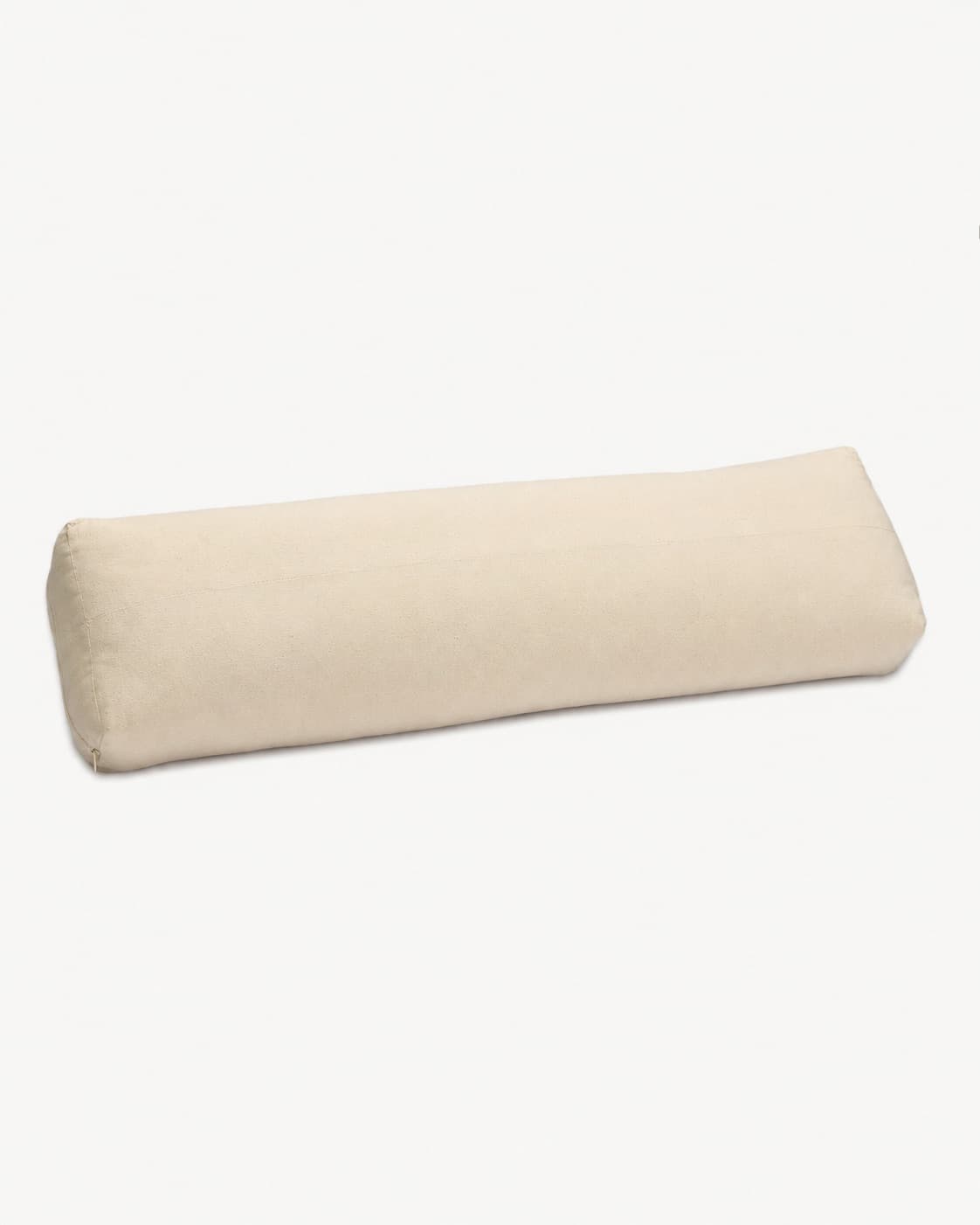
Put a folded blanket, a block, or a bolster under the buttock of the front leg — the side with the bent knee. Enough that the pelvis is level.
Check: put your hands on the two front points of your pelvis. They should be level with each other and pointing forward. If one is lower, add height.
Without this, the pelvis tips, the sacrum takes the load, and the pose is doing the wrong thing.
3. Square the pelvis forward.
Draw the front-leg hip back and the back-leg hip forward until both point at the front of the mat.
4. Check the back leg.
Straight behind you, not out to the side. The kneecap and the top of the foot pointing at the floor, not rolled outward. A blanket under the back knee if it is uncomfortable.
5. Come forward only as far as the pelvis stays level.
Upright first. Forward onto the forearms only if nothing changes at the pelvis. A bolster under the chest is better than a strained forward fold.
6. Hold for two to three minutes, breathing into the back of the ribs.
The stop signal
Any sensation in the front knee: come out.
Not "ease off." Come out and change the shape. Knee cartilage does not complain and then adapt; it complains and then degrades.
The productive sensation in this pose is a broad, deep stretch in the outer buttock of the front leg, and a stretch across the front of the back hip and thigh. Anything at the knee is wrong.
Three better routes to the same place
For most people, most of the time, one of these is a better choice than pigeon.
Supine figure-four
Lie on your back, knees bent, feet on the floor. Cross the right ankle over the left knee. Reach through and draw the left thigh towards you.
Why it is better: the floor supports the pelvis, so it cannot tip. You control the intensity precisely with how far you draw the leg in. There is no weight on the knee. And you can hold it for five minutes comfortably.
This targets the same external rotators as pigeon, more safely, with better control. If you do one hip opener, do this one.
Seated figure-four
Sitting on a chair or a block, cross one ankle over the opposite knee and lean forward with a flat back.
Same target, works anywhere, and useful at a desk.
Thread the needle, side-lying
Similar to the supine figure-four but on your side, which changes the angle and reaches slightly different fibres.
When pigeon is worth doing
It is genuinely useful for two things the supine versions do not offer:
The back leg. Pigeon stretches the front of the back hip at the same time as the front hip's rotators, and few shapes do both.
Weight-bearing. Some load through the hip is useful, and the supine versions are entirely unloaded.
So it earns a place, propped properly, once or twice a week — not as the default hip opener in every session.
When to skip it entirely
- Any knee injury, past or present. Use the supine version.
- Any sacroiliac problem. Pigeon is one of the more common aggravators.
- Pregnancy, past the first trimester — the asymmetric pelvic load is generally advised against.
- If your hip has a hard, blocked end feel rather than a stretch. That is bone, and no amount of practice changes it. Change the shape.