


NotesPractice
Savasana
Not a rest break at the end of class. What the pose is for, why ten minutes is the number, and how to set it up so the body actually lets go.
Contents
The pose at the end of class that people treat as a break. It is a technique, it has a specific setup and a specific procedure, and it is arguably the hardest thing in the practice — which is why it is the one people skip, cut short, or spend planning dinner.
What it is for
Two things happen in a properly held Savasana that do not happen anywhere else.
The nervous system switches state. After forty minutes of effort the body is in a sympathetic-dominant condition — elevated heart rate, elevated breathing rate, muscles primed. Left alone, it takes a long time to come down. Held still, warm, and supported, with a slow breath, the change happens in about eight to twelve minutes.
That number is the reason for the length. Ten minutes is not tradition; it is roughly how long the transition takes.
The body integrates what just happened. You have spent the session giving the nervous system new information about ranges and positions. Stillness afterwards is when that settles. Standing up and immediately checking your phone interrupts it.
The setup
Almost nobody sets this up, and it is the difference between resting and lying on the floor being uncomfortable.
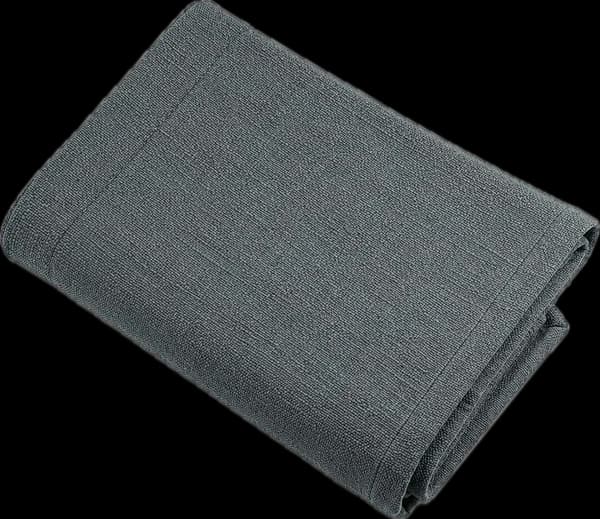
Under the head. A folded blanket, two to five centimetres. Enough that the chin sits fractionally below the forehead. Without it, most people's chin points upward, the throat is open, and the neck is in extension — a position the body reads as alert.
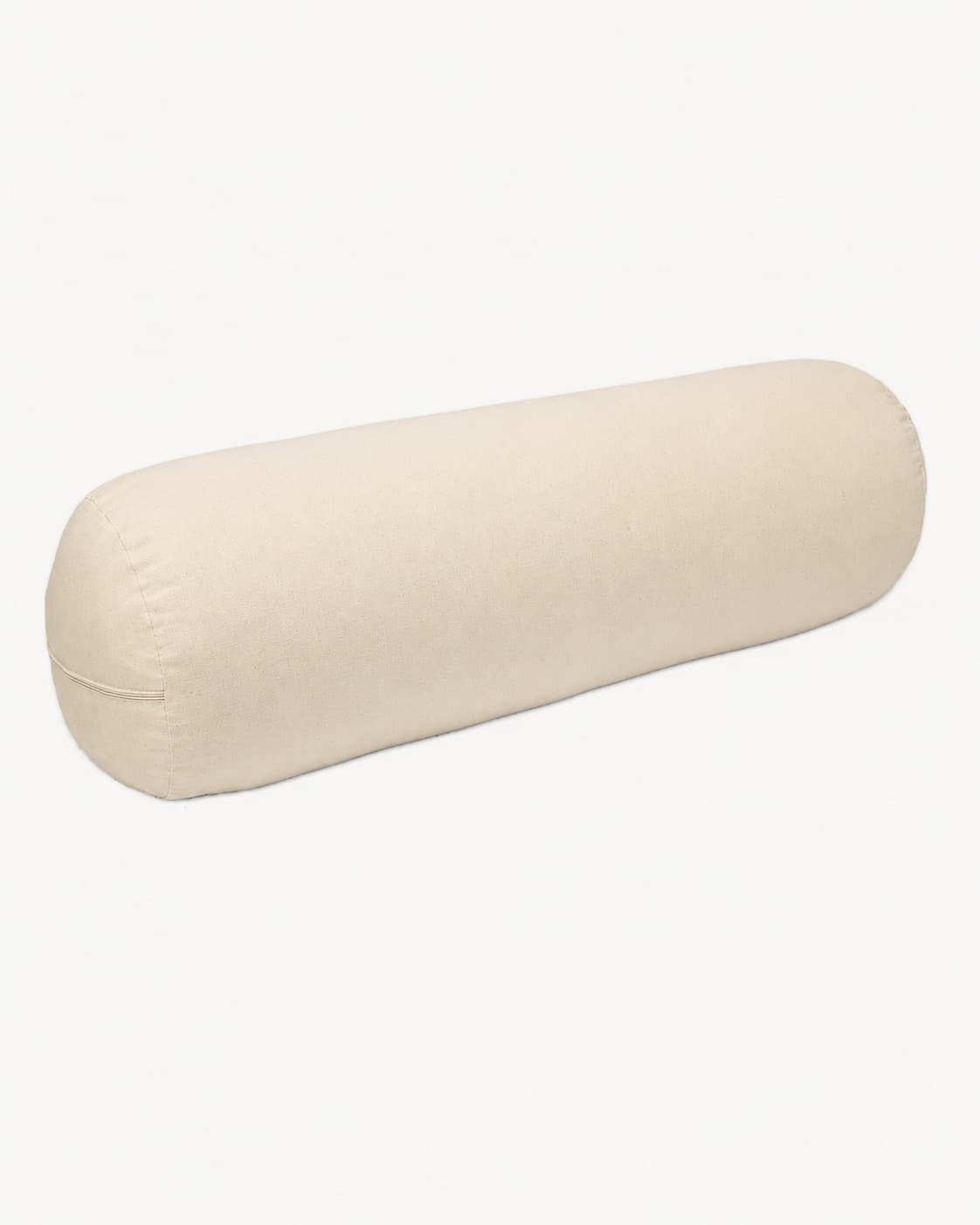
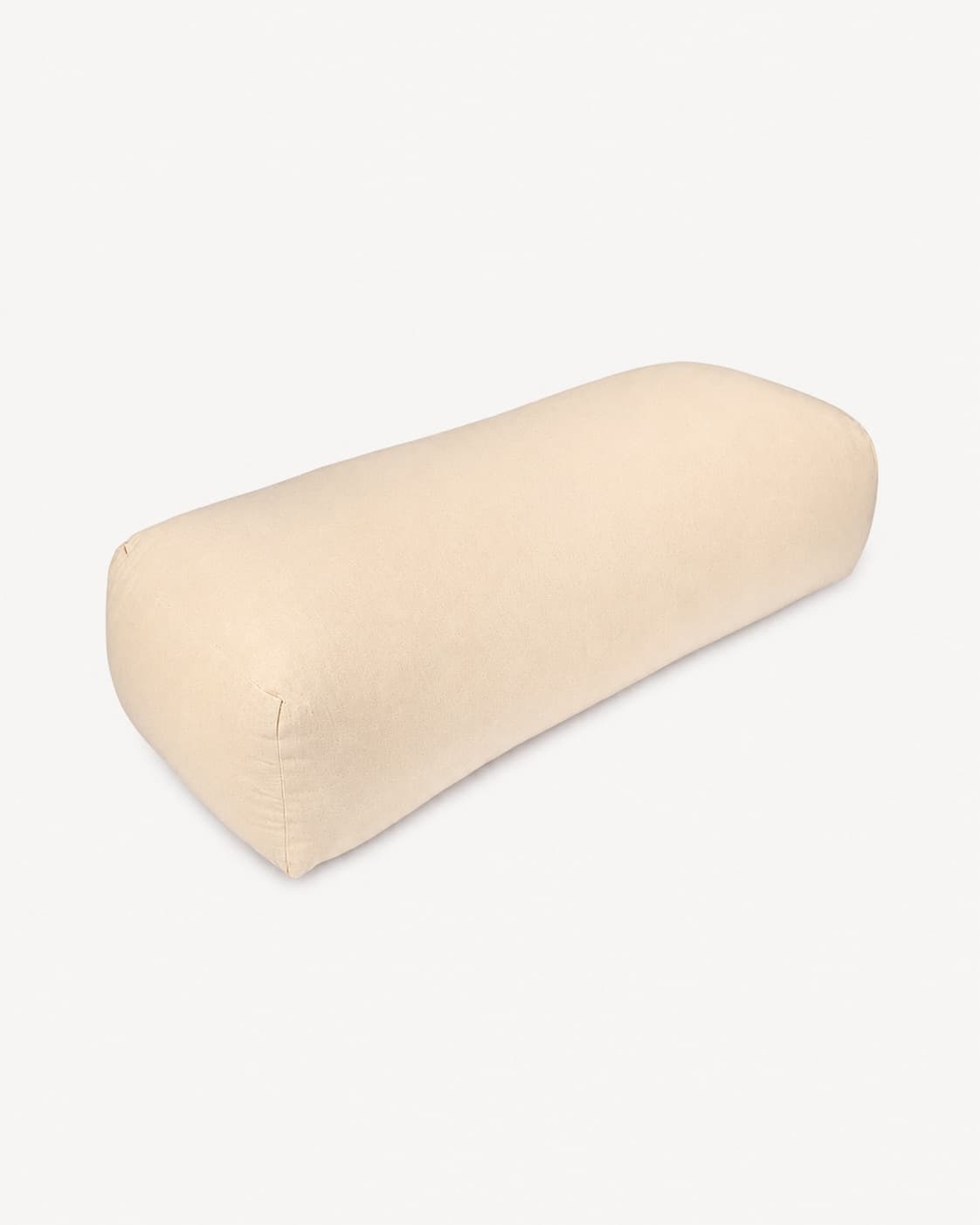
Under the knees. A rolled blanket or a bolster, so the knees bend twenty to thirty degrees. With straight legs, the weight of the legs pulls the pelvis into a forward tilt and the lower back arches off the floor. For a lot of people this alone makes ten minutes impossible.
Over the body. A blanket, always, in any room below about twenty-two degrees. Body temperature drops during stillness and a cooling body starts to guard. This is the most commonly skipped element and it changes the pose more than any other.
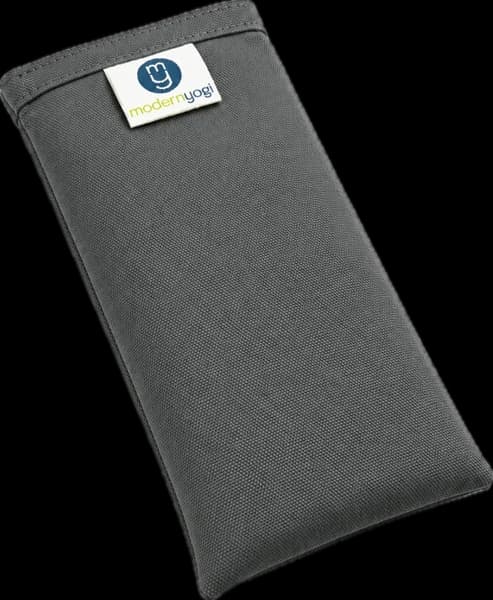
On the eyes. An eye pillow, or a folded cloth. Light through closed eyelids keeps a low-level visual processing load running. Covering them, with a small weight, drops it — and the light pressure on the eyes themselves has a settling effect.
The arms. Away from the body at about thirty degrees, palms up. Palms up externally rotates the arms, which opens the chest and lets the shoulders rest back rather than rolling forward.
The feet. Let them fall open. If they stay pointed at the ceiling, something is still holding.
The procedure
Once you are set, this is not passive. There is something to do for the first few minutes.
One: the tension sweep. Move through the body in order — feet, calves, thighs, pelvis, belly, hands, arms, shoulders, jaw, forehead. At each place, notice whether anything is holding, and let it go. Do not skip the jaw and the forehead; they hold the most and are noticed least.
Two: the breath. Do nothing to it for the first minute. Then let the exhale lengthen slightly, without effort — not a technique, just permission. After a couple of minutes stop attending to it deliberately.
Three: the count, if you need it. If the mind will not settle, count exhales from ten down to one, then start again. Better than fighting it.
Four: stop. Somewhere around minute five, drop the procedure. Nothing to do, nothing to fix, nothing to attend to. This is the part that is difficult, and the part that is the pose.
Coming out
Do not sit straight up. The transition matters.
Small movements first — fingers, toes. Then a slow stretch of the arms overhead. Then roll onto your right side and stay there for a few breaths with the knees drawn up. Then press up to sitting with the head coming last, using the hand rather than the abdominals.
Sit for a moment before standing. The blood pressure regulation is genuinely slower after ten minutes of stillness and standing straight up will make you light-headed.
Why it is hard
Because there is nothing to do, and for most people that is the least practised state there is. The mind, given no task, will supply one — usually a list.
Some things that help:
Set a timer so you are not tracking the time. Choose a gentle sound.
Accept the first three minutes as noise. Almost everyone's mind is loud at the start. It quietens around minute four if you let it, and it does not if you fight it.
Do not aim at anything. People try to relax, which is an effort, and efforts do not produce this state. The instruction is closer to: stop doing, and see what remains.
If ten minutes is impossible
Do five. Then six. Five minutes done every time beats ten minutes attempted twice a month and abandoned.
If lying still triggers genuine agitation — and for some people, particularly with a history of trauma, it can — the alternatives are legitimate: eyes open, softly focused on the ceiling; a side-lying position; or sitting supported against a wall. The state is what matters, not the shape.
The rule
Never skip it. A forty-five minute practice with a ten-minute Savasana is better than a fifty-five minute practice without one, and it is not close. If you are short of time, cut a standing pose, not the end.