


NotesPractice
Meditation Posture
Five seats, from the floor to a chair, ranked by how long you can hold them. Nobody is required to sit cross-legged.
Contents
Five seats, ranked by how long you can hold them. Nobody is required to sit cross-legged on the floor, and choosing a seat you cannot hold is the most common reason people conclude they cannot meditate.
What the posture is for
One thing: to let the spine hold itself up, with almost no muscular effort, for as long as you intend to sit.
That is the whole specification. Any arrangement that achieves it is correct. Any arrangement that does not is wrong, however traditional it looks.
The three requirements:
- The pelvis is upright or tipped very slightly forward, so the lower back keeps its natural inward curve.
- The head is balanced over the shoulders, which are balanced over the hips.
- Nothing is being held. If a muscle is working to keep you upright, you will not last.
Seat one: cross-legged on a cushion
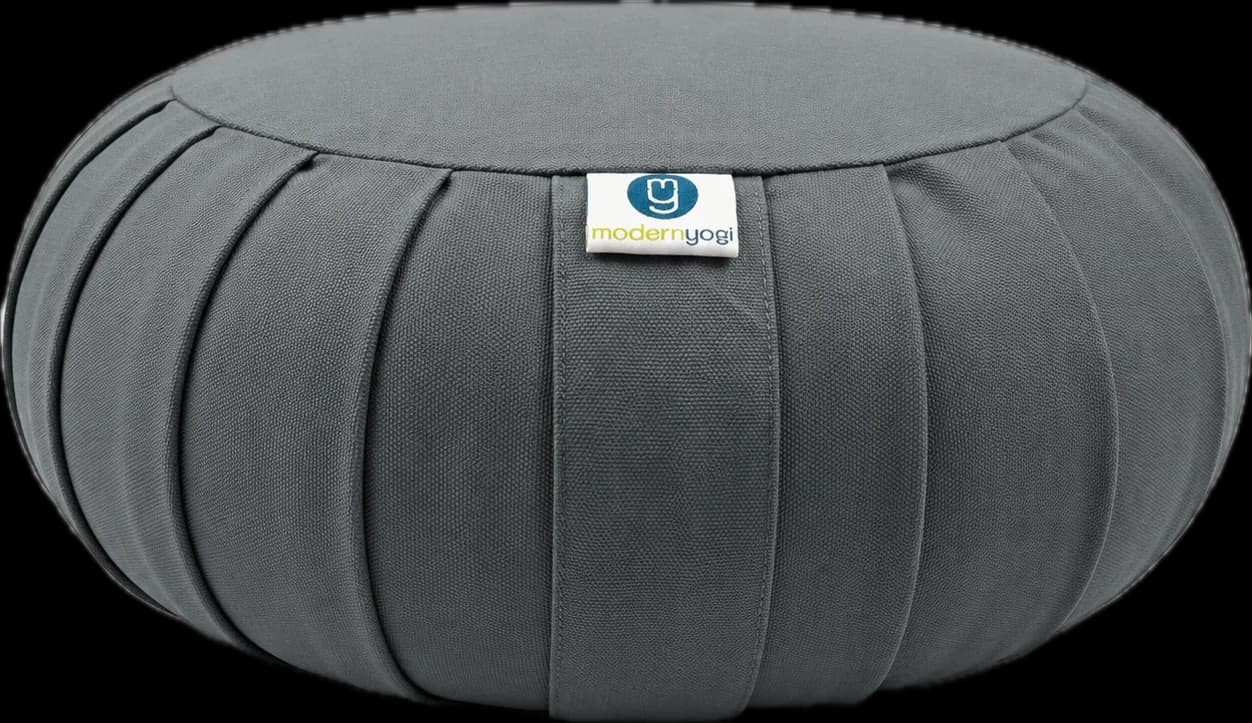
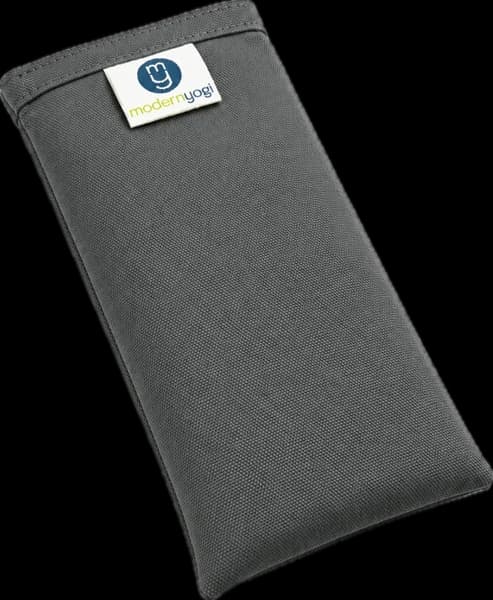
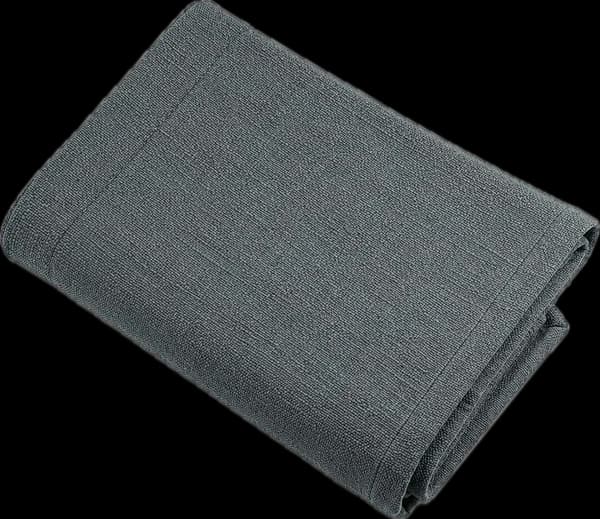
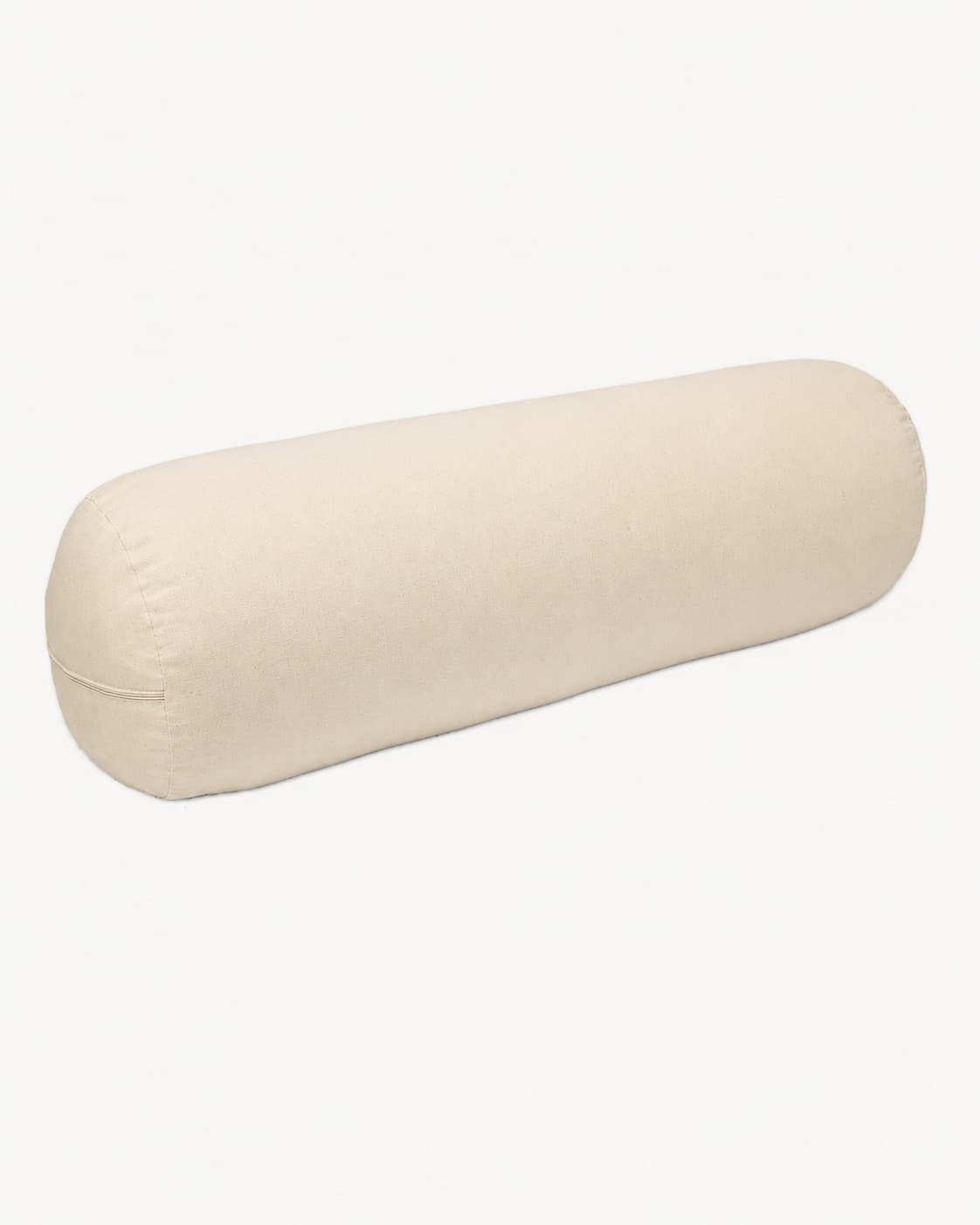
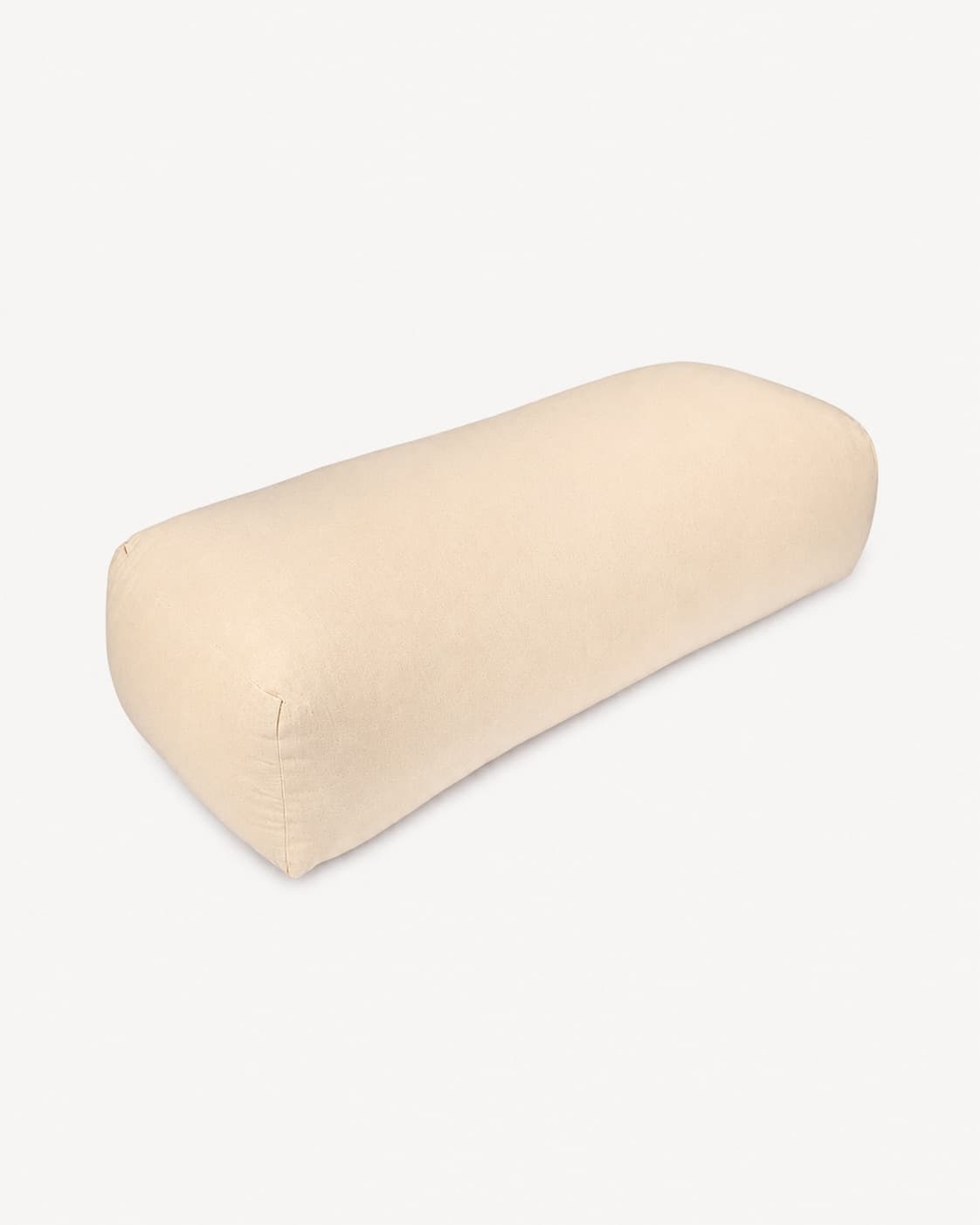
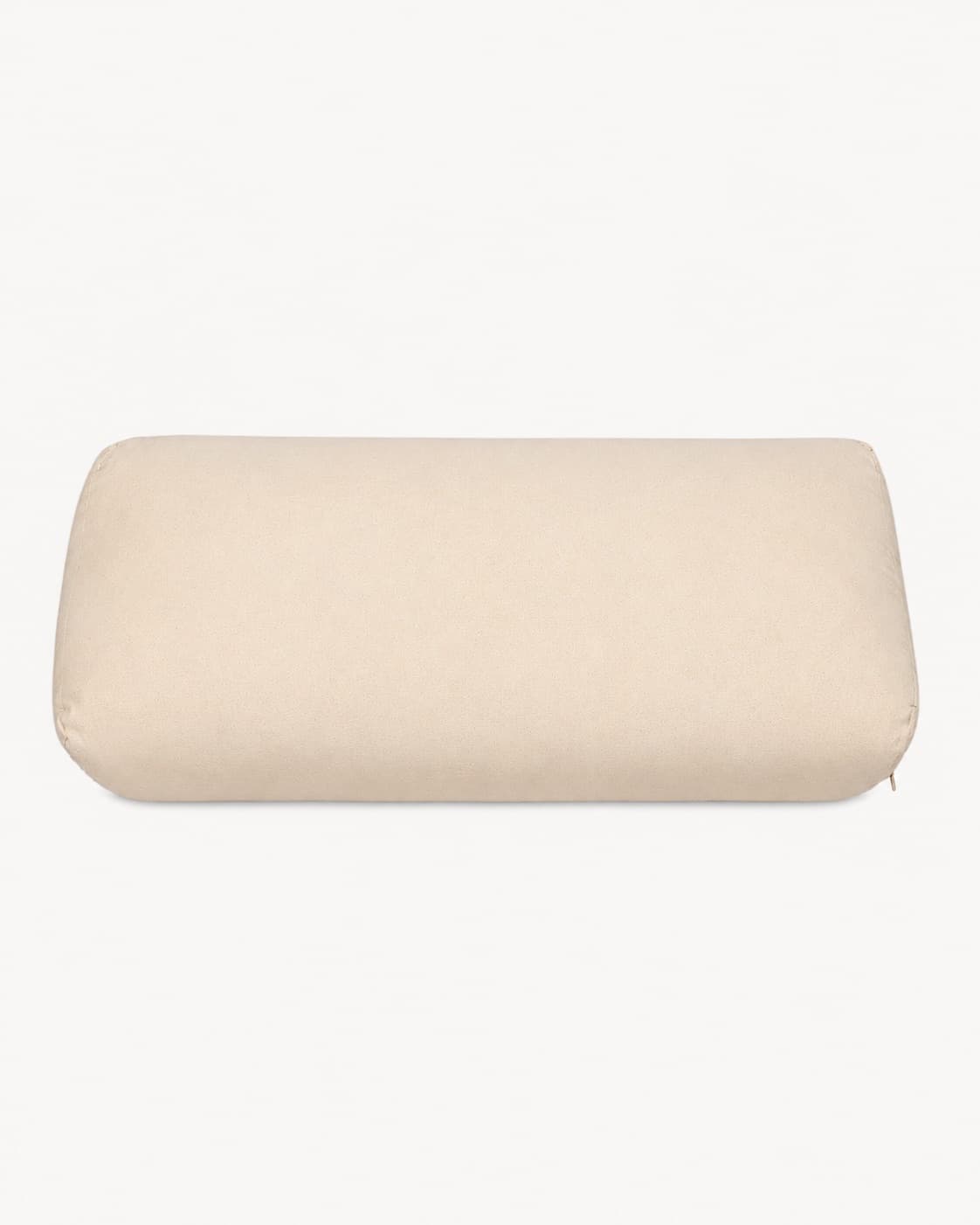
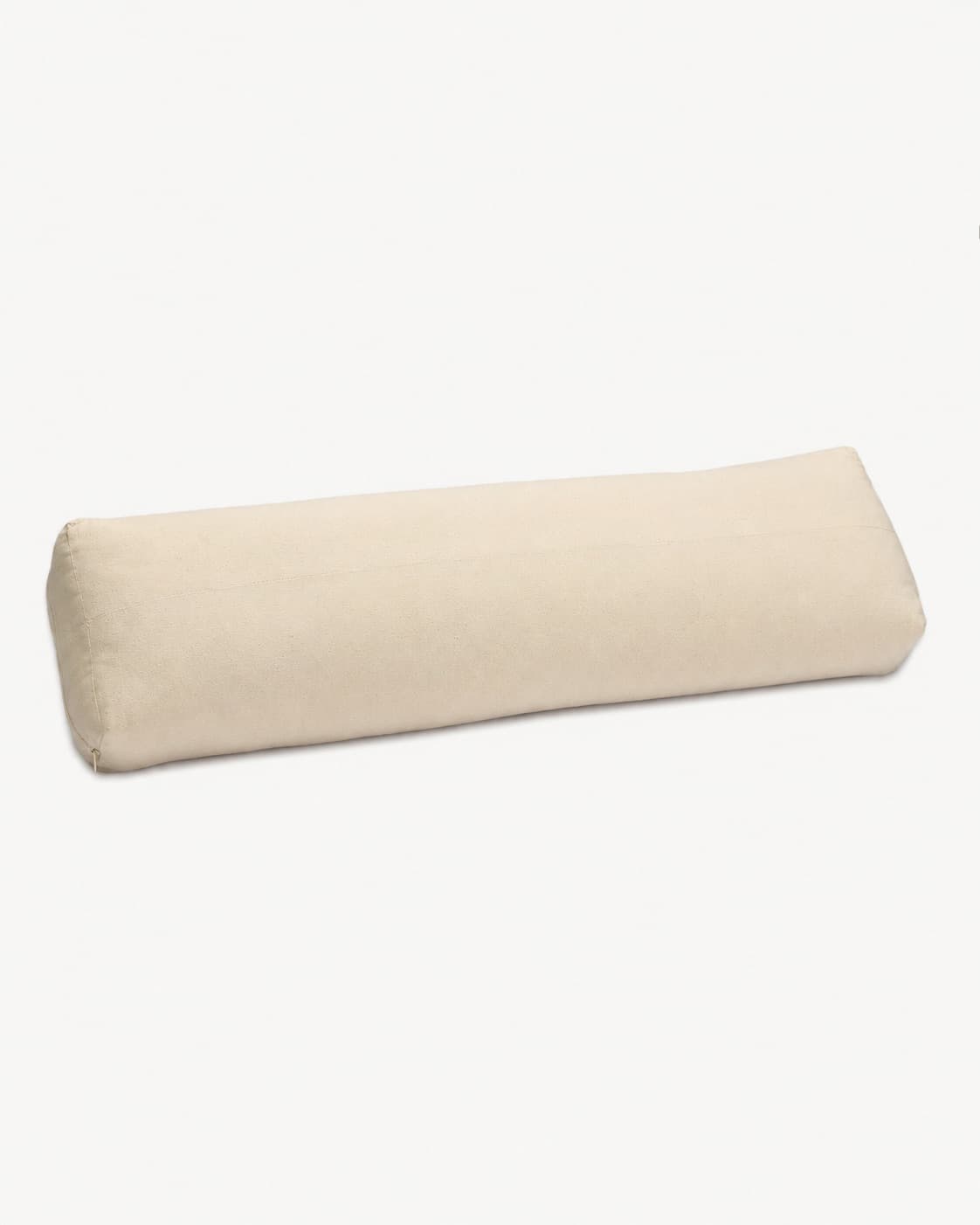
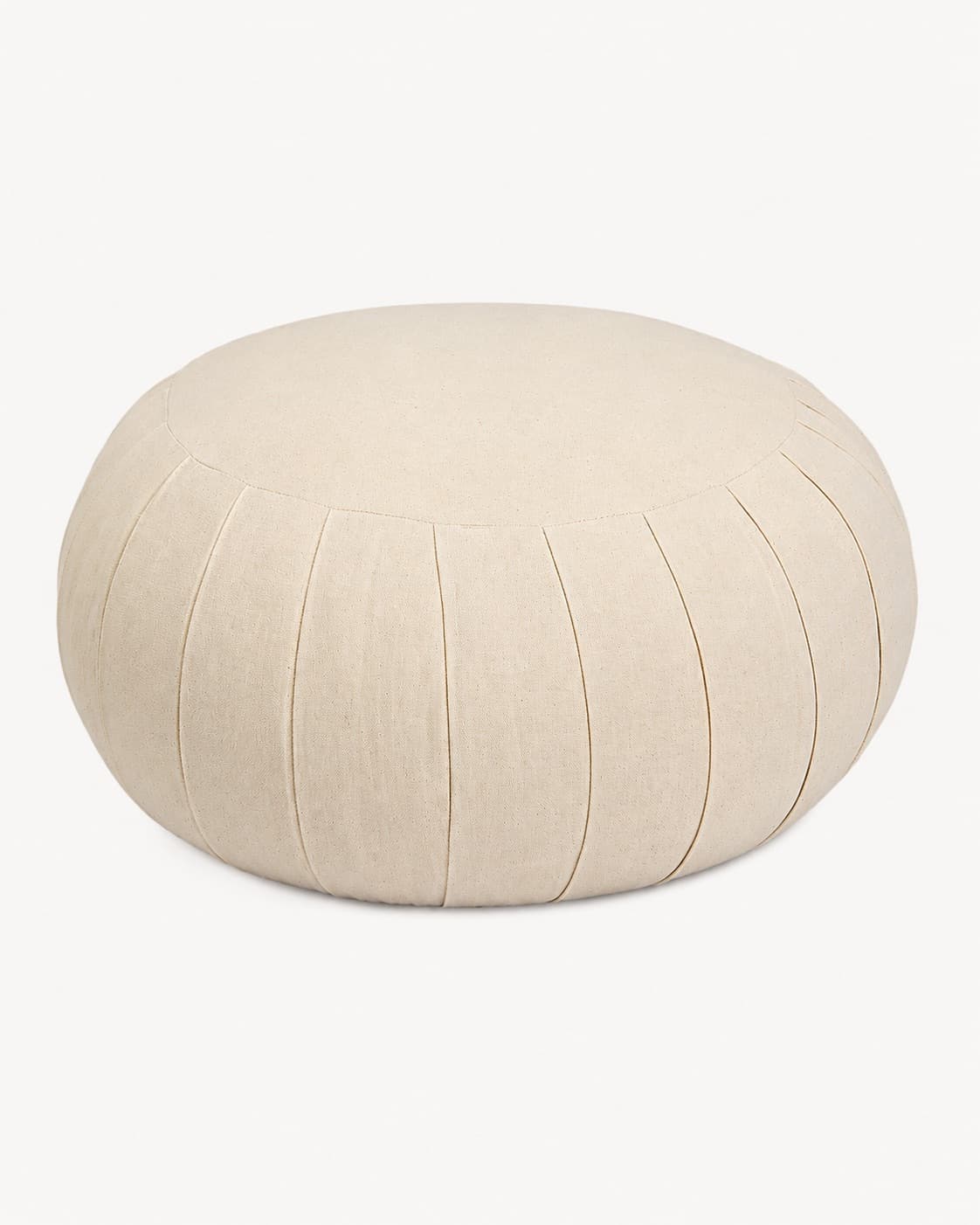
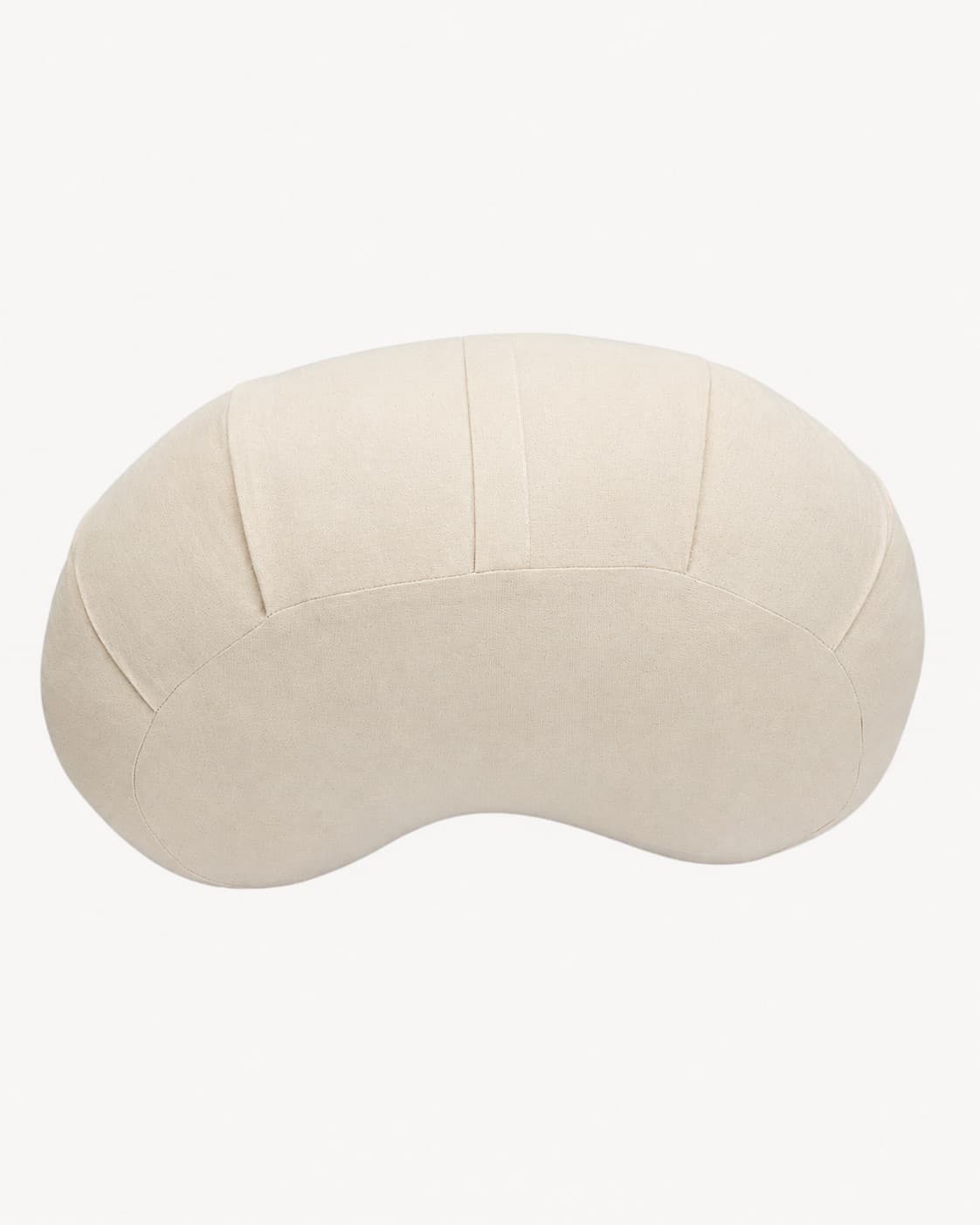
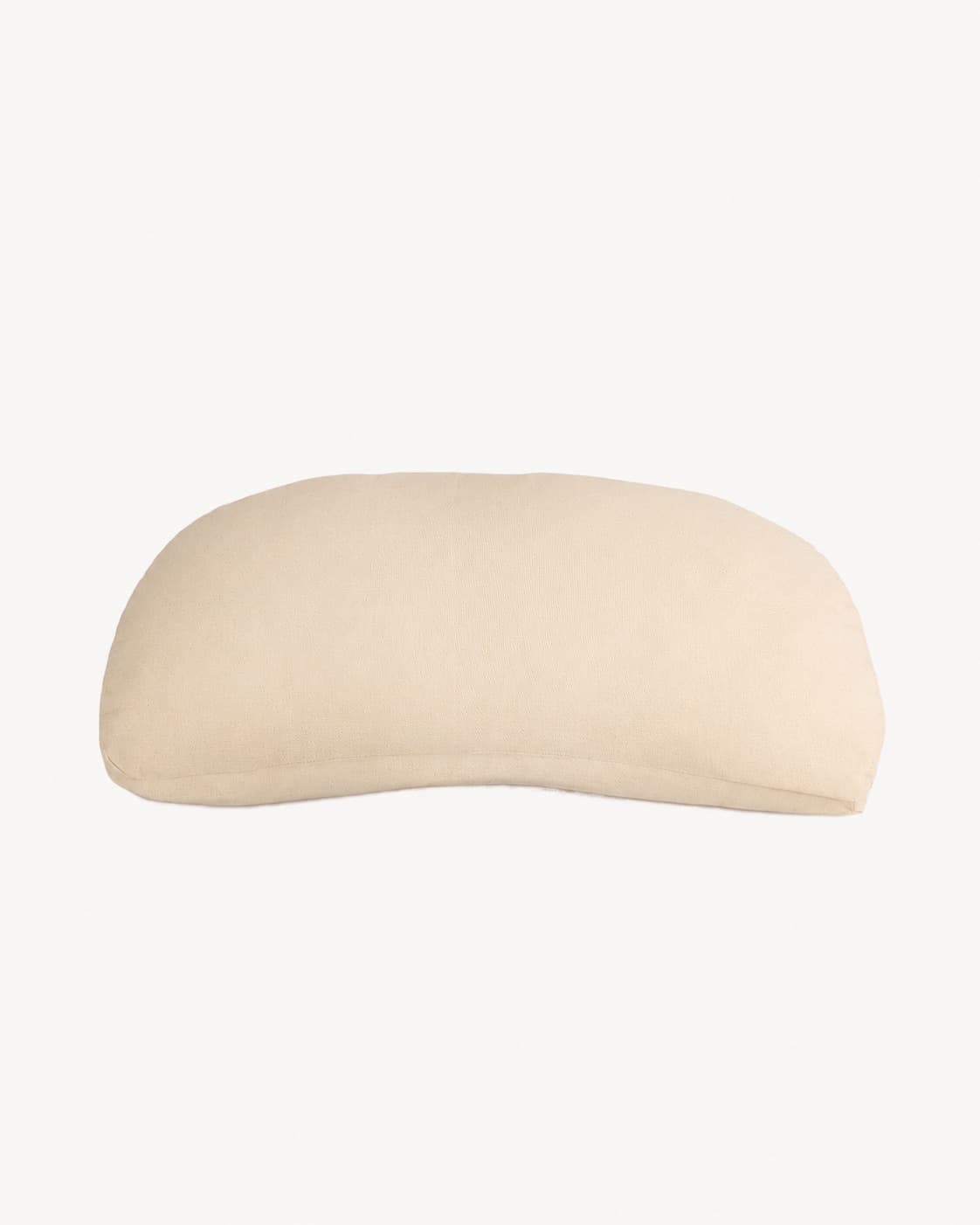
Setup: sit on the front edge of a firm cushion, 10–20 cm high, so the thighs slope down. Shins crossed loosely, feet under the opposite knees. Blankets or cushions under each outer thigh if the knees hang unsupported.
Holds for: 10–40 minutes, depending on hip mobility.
The limit: ankle compression where the shins cross, and the hips.
Seat two: Burmese
Setup: the same cushion, but instead of crossing the shins, place them one in front of the other, both flat on the floor.
Holds for: 20–60 minutes. Considerably longer than crossed for most people.
Why it is better: no ankle compression, and the weight distributes across a wider base. Most people who find cross-legged sitting uncomfortable have never tried this, and it solves the problem for a great many of them.
Try this before deciding floor sitting is not for you.
Seat three: kneeling, straddling a support
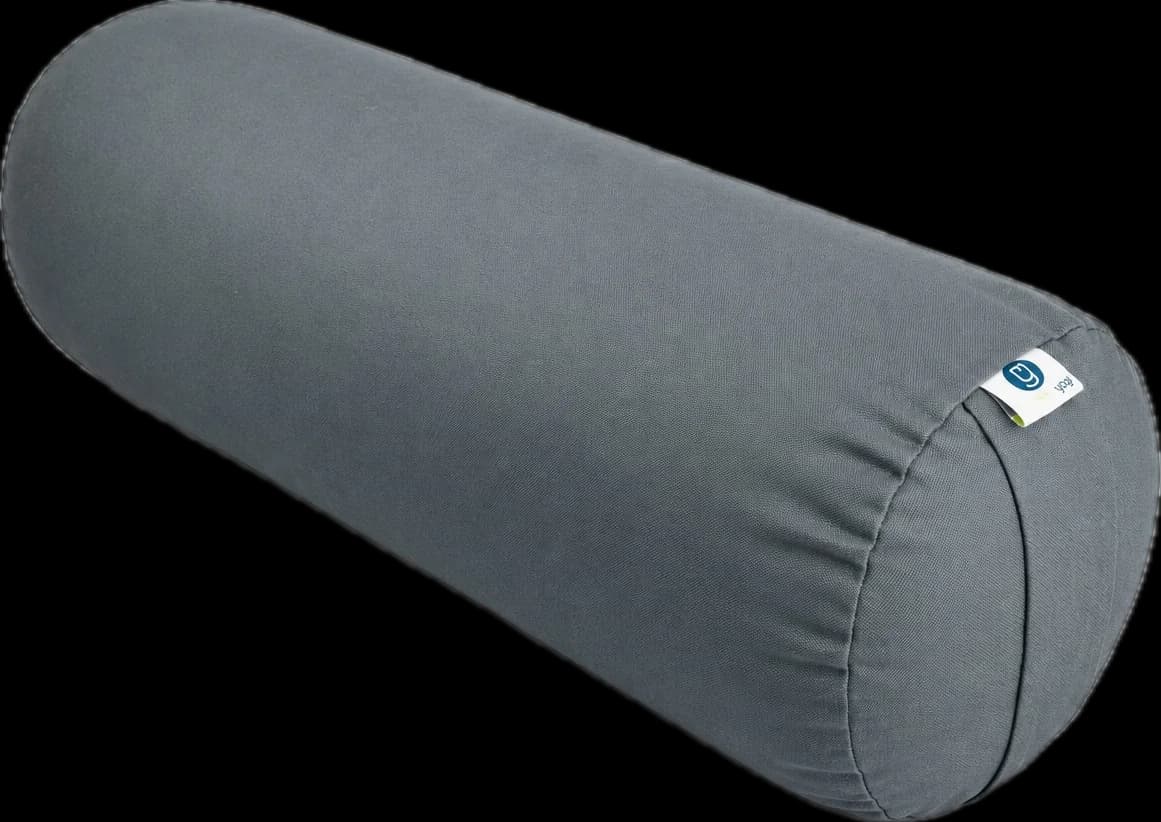
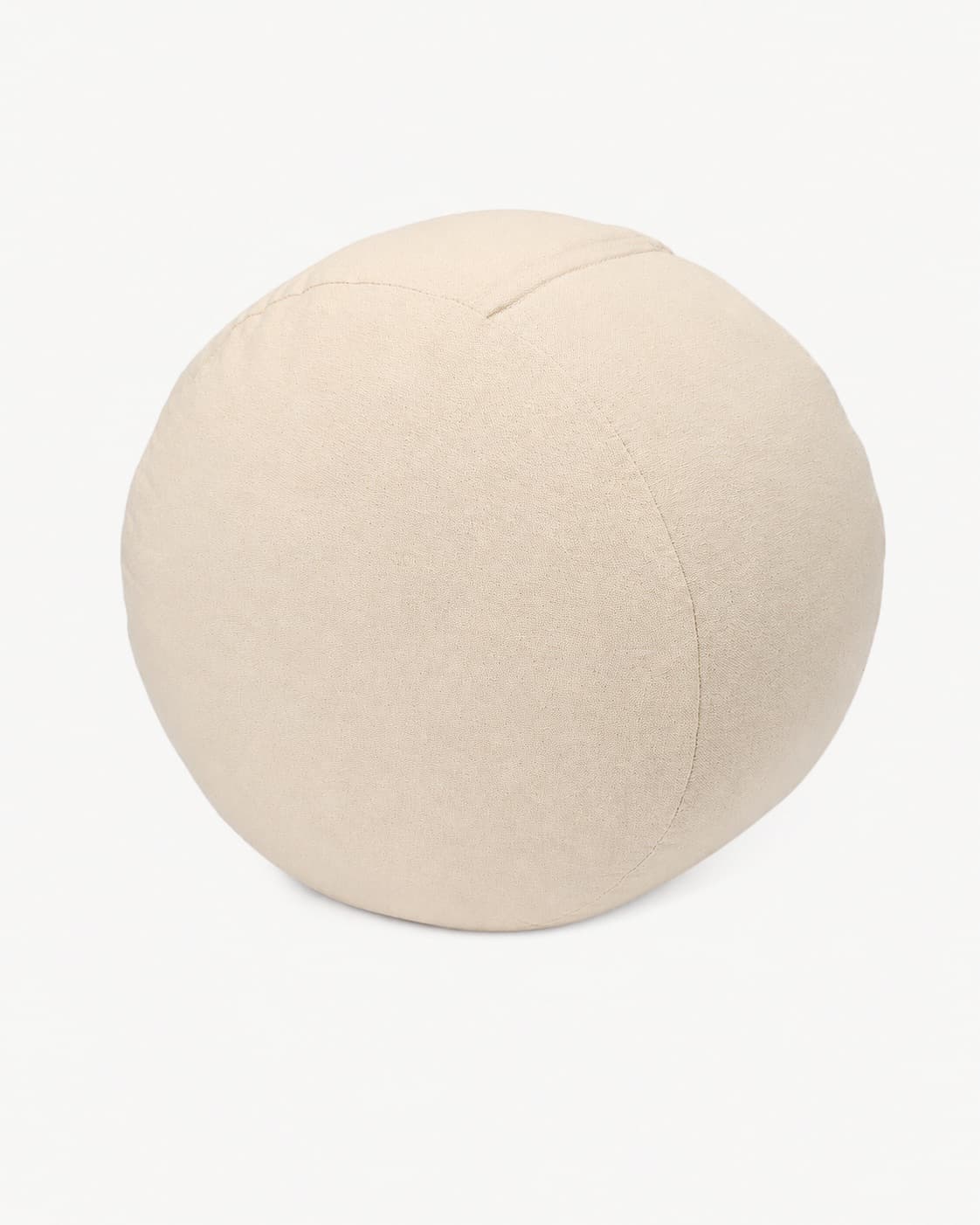
Setup: kneel with a cushion or block turned on its side between the shins, and sit on it. Or use a purpose-made kneeling bench.
Holds for: 20–45 minutes.
Why it works: it removes external hip rotation from the equation entirely. If your limit is rotation rather than hamstring length — a very common pattern — this is the answer.
Watch: the tops of the feet and the ankles. Put a rolled blanket under the front of the ankles if they complain.
Seat four: a chair
Setup: feet flat on the floor, hip-width. Sit forward off the backrest, weight on the sitting bones. If your feet do not reach the floor, put a book under them. If the seat slopes backwards, put a folded blanket under the back of your buttocks to level it.
Holds for: as long as you like.
There is nothing wrong with this. No tradition's benefit is unavailable from a chair. The people who insist otherwise are mistaking the container for the contents.
Use a chair if: floor sitting hurts, you have a knee or hip problem, you are sitting for a long time, you are ill, or you simply prefer it.
Seat five: lying down
Setup: on your back, blanket under the head, roll under the knees.
Holds for: indefinitely, with one problem — most people fall asleep.
Use it for: yoga nidra, body-scan practices, and any session where sleep is not a failure. Not for concentration practices, where drowsiness defeats the exercise.
A useful compromise: lie down with one forearm vertical, elbow on the floor. If you fall asleep, the arm drops and wakes you. An old trick and it works.
The details, whatever seat you use
Hands. On the thighs or in the lap. Palms down is slightly grounding, palms up slightly opening — this is preference. The important thing is that the shoulders are not holding the arms up.
Shoulders. Let the arms hang from them. Roll them back and open once at the start, then forget them.
Head. Ears over shoulders. Chin very slightly down — a level chin, not a lifted one. The most common error is the head drifting forward over the course of a sit, which is worth checking every few minutes.
Eyes. Closed, or open and softly directed at a point on the floor a metre or so ahead. Open is better if you are prone to drowsiness, and it is the default in several traditions.
Jaw and tongue. Jaw loose, teeth slightly apart, tongue resting behind the upper teeth. The jaw holds a surprising amount of tension and it is easy to release once you notice it.
Building tolerance
Start at five minutes. Not twenty.
Add two or three minutes every couple of weeks, and only when the current length is comfortable.
Change legs, or change the crossing, regularly. Sitting the same way every day for years builds a real asymmetry in the hips.
Shift if you need to. Some traditions insist on absolute stillness. For most people, shifting once when the leg genuinely needs it is better than spending the last ten minutes in pain and learning to dread the practice.
Pain versus discomfort
Discomfort — a dull ache in the hips or back, restlessness, pins and needles — is normal, usually passes, and is part of what you are learning to sit with. Pins and needles in particular are almost always positional and harmless; shift, and go back.
Pain — sharp, particularly in the knee — is not tolerable and does not improve with persistence. It means the rotation is being taken at the knee because the hip will not supply it. Raise the seat, support the outer thighs, or change to kneeling or a chair.
The permission, again
Height is the variable that solves most floor-sitting problems, and a chair solves the rest. There is no achievement in a posture, and there is a real cost to spending twenty minutes a day negotiating with your knees instead of doing the practice.