


NotesGuides
Sitting on the Floor Without Pain
Cross-legged sitting hurts because the pelvis is tipped backwards. Raise the hips and the whole problem disappears. How much, and on what.
Contents
Cross-legged sitting hurts for one reason, and it is not that your hips are tight. It is that your pelvis is tipped backwards, and everything unpleasant follows from that.
Fix the pelvis and the problem disappears, usually within a single session.
What is going wrong
Sit on a flat floor with your legs crossed. Feel for your sitting bones — the two hard points at the base of the pelvis. Now notice where your weight is.
For almost every adult, the weight is behind them, on the tailbone, not on the sitting bones. The pelvis has rolled backwards. When that happens:
- The lower back loses its natural inward curve and rounds.
- The ribcage collapses forward and down.
- The head goes forward to compensate.
- The muscles of the lower back have to hold the whole structure up against gravity, which they can do for about four minutes.
- Your weight sits on the tailbone, which is a small bony point with no padding.
That is the ache. It is a postural problem with a mechanical cause, and it has nothing to do with your character or your capacity for stillness.
Why the pelvis rolls back
Two reasons, usually both.
Hamstring tension. The hamstrings run from the sitting bones. When they are short, they pull the sitting bones under and rotate the pelvis backwards. This happens even with the knees bent, and it is why sitting on the floor is harder than sitting on a chair.
Limited external rotation at the hip. Cross-legged sitting requires the thighs to rotate outwards in the sockets. If that rotation is limited, the knees stay high, and high knees mean the thighs are pulling upward on the pelvis and rolling it back.
The fix: raise the hips
Sit on something, and sit on the front edge of it.
That second part matters. If you sit in the middle of a cushion, the whole pelvis is elevated and nothing changes. Sitting on the front edge means the sitting bones are up and the thighs slope downwards off the front — and that downward slope is what allows the pelvis to tip forward into neutral.
How high? Higher than you think. Start at ten centimetres and adjust.
The test: sitting on your support, put your hands on the front of your pelvis and feel the two bony points at the front. If you can rock forward and back and find a position where you feel balanced on top of the sitting bones with a small inward curve in the lower back, and hold it without effort, the height is right. If you cannot get there, go higher.
A useful rule of thumb: your knees should be lower than your hip joints. If they are level or higher, add height.
Choosing what to sit on
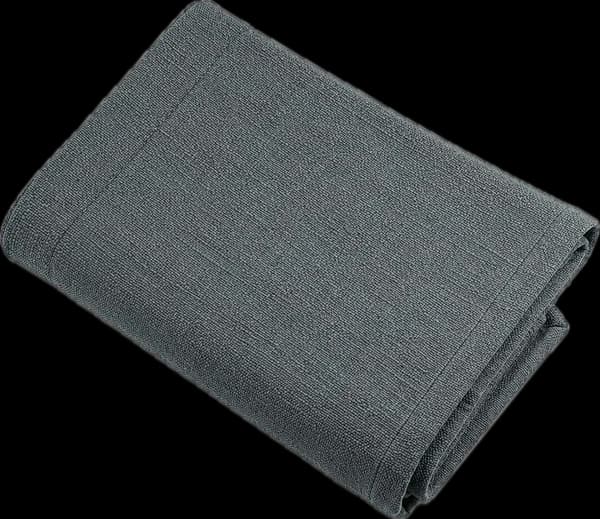
A folded blanket. Free, infinitely adjustable, and the best place to start. Fold to a firm rectangle and add or remove a fold to change the height. Sit on the front edge.
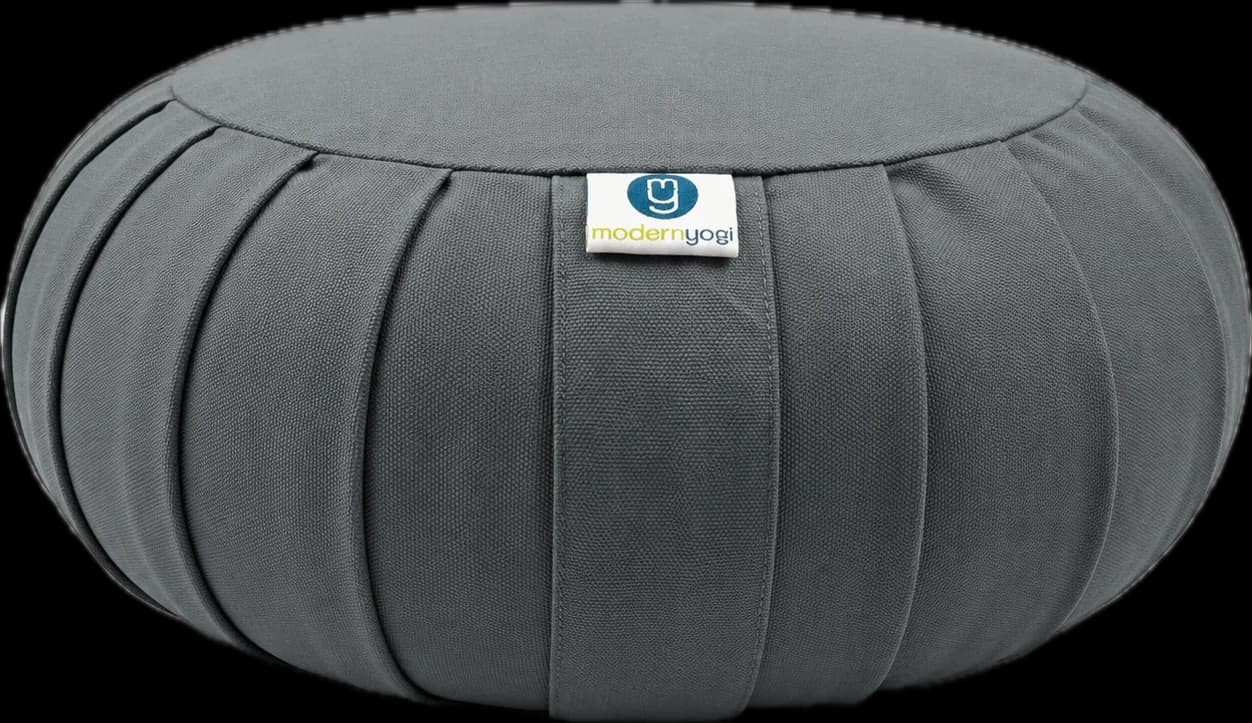
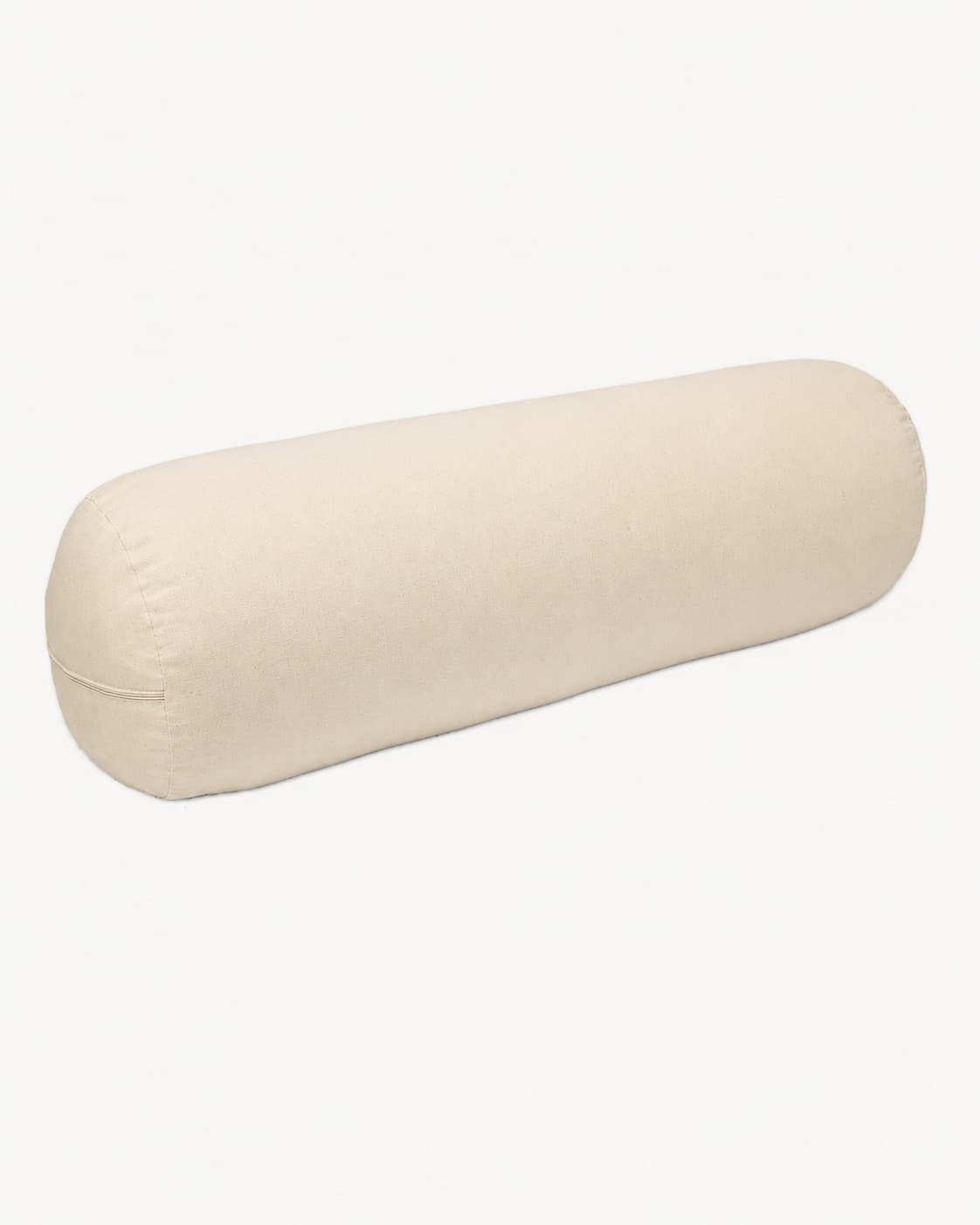
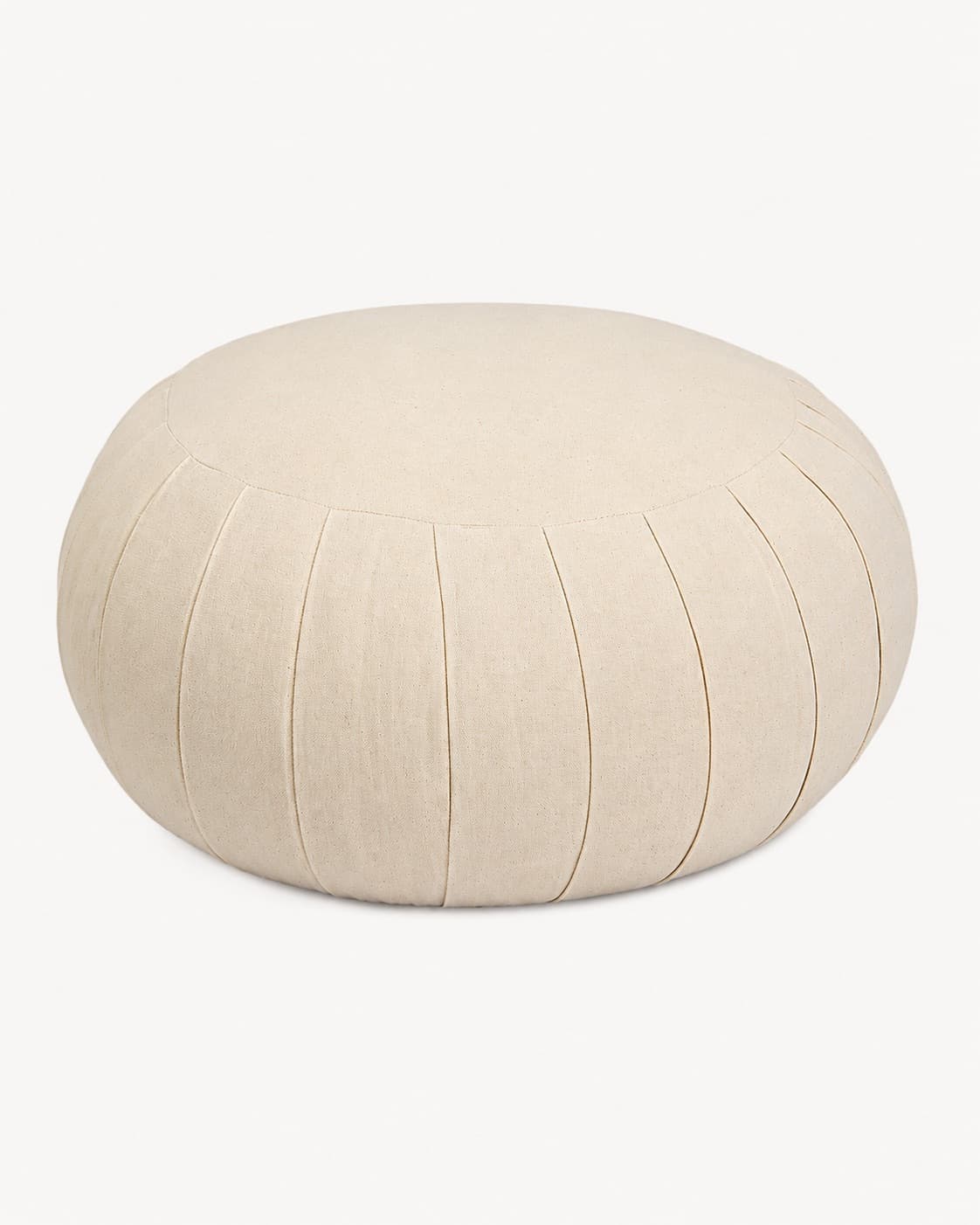
A round zafu. A firm disc, usually 15–20 cm high. The classic, and the reliable answer for most people, because the firmness stops it compressing to nothing after two minutes.
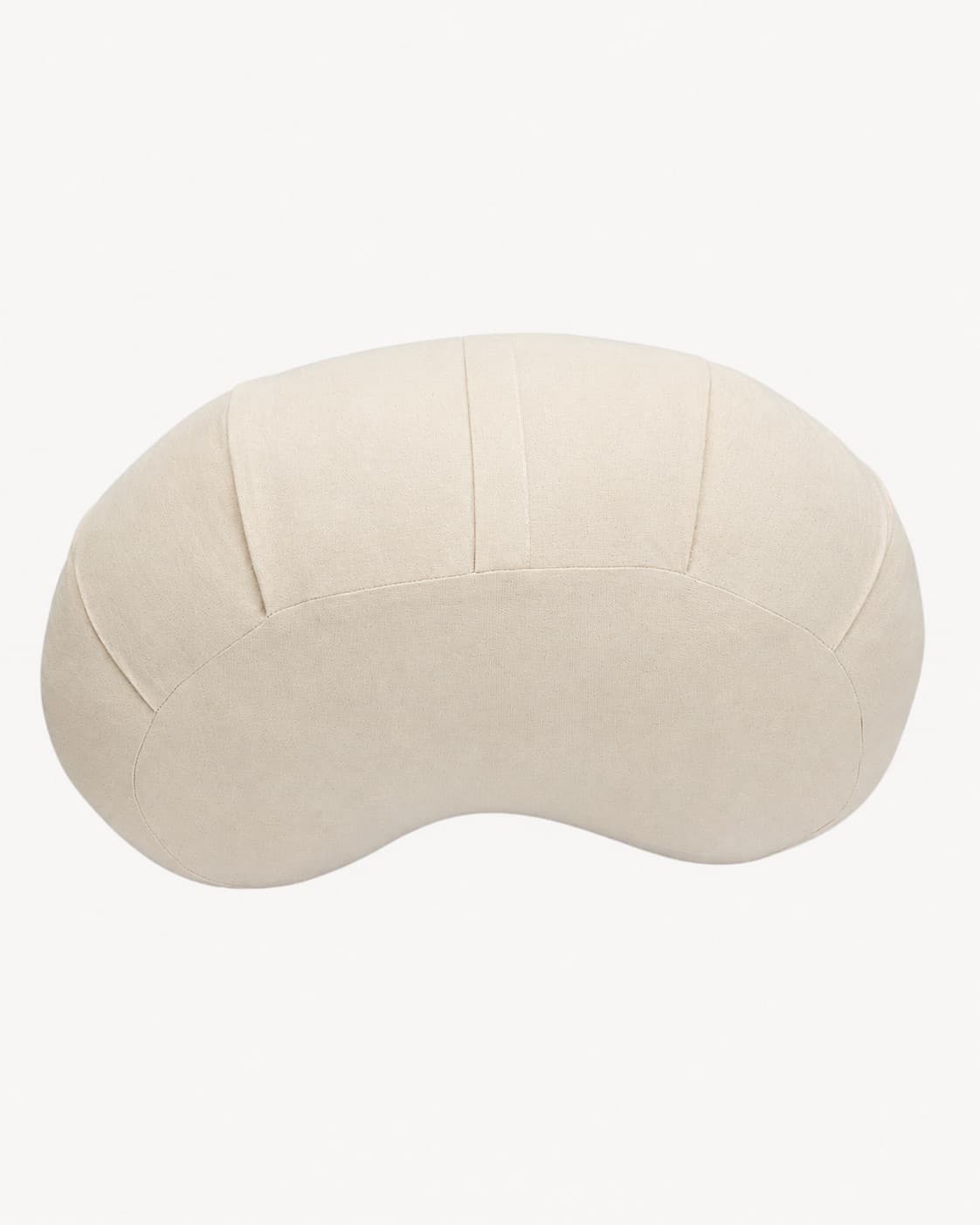
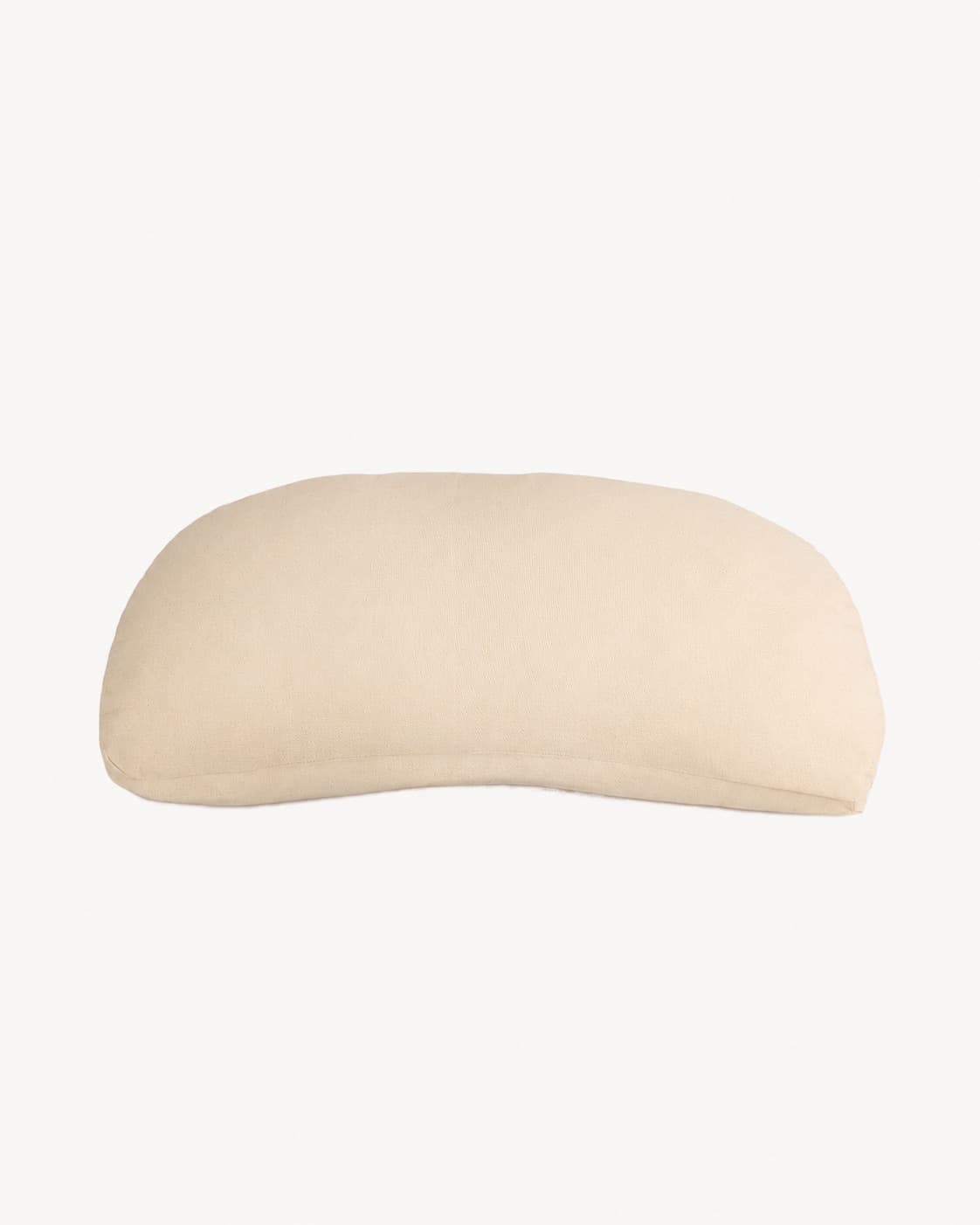
A crescent-shaped cushion. The cut-out at the front means the thighs have somewhere to go, which lets the knees drop lower. This is the one to try if the height alone is not solving it — it is the answer for stiffer hips.
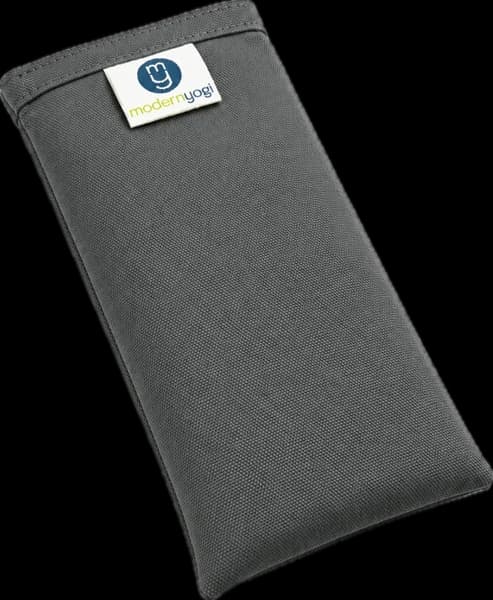
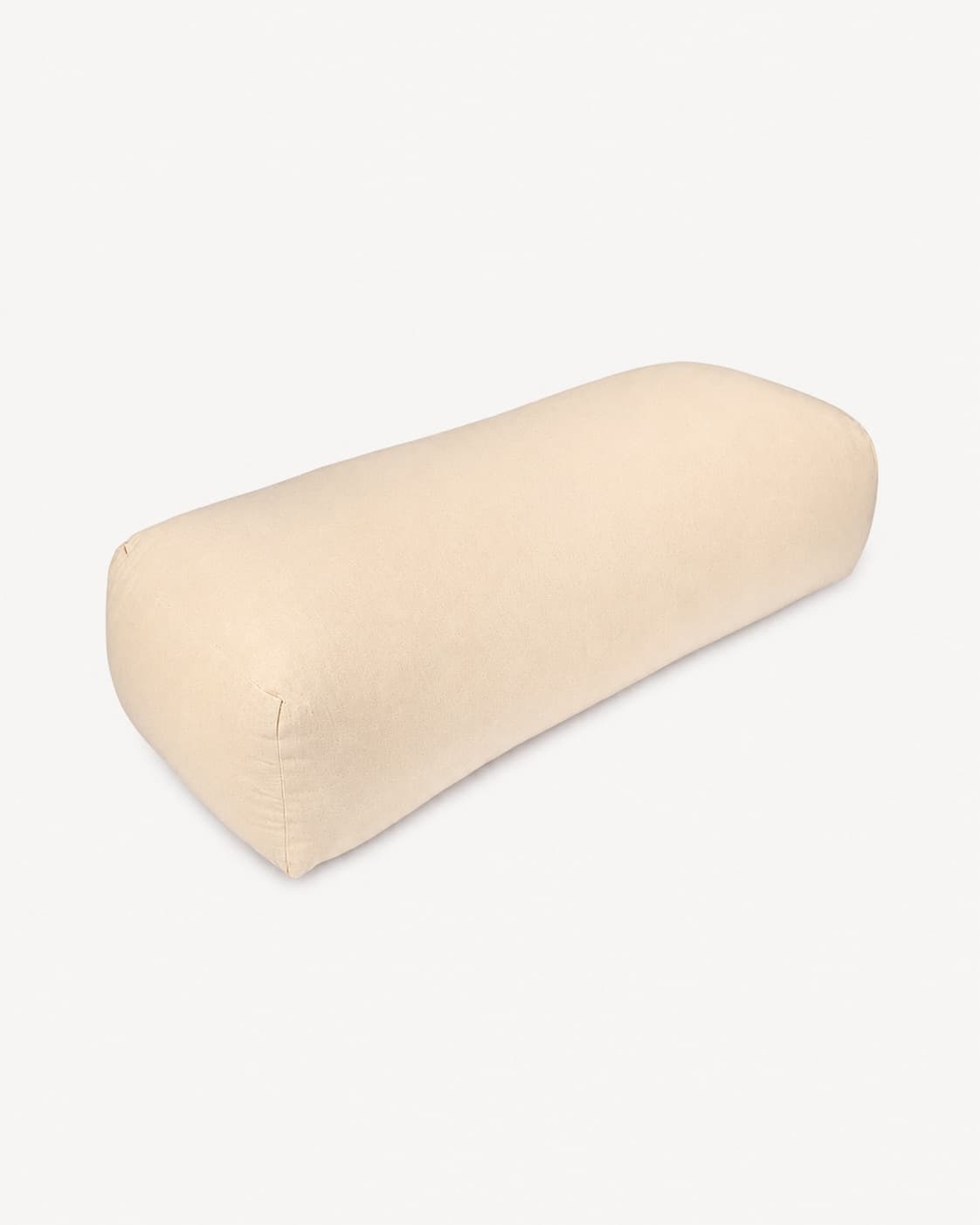
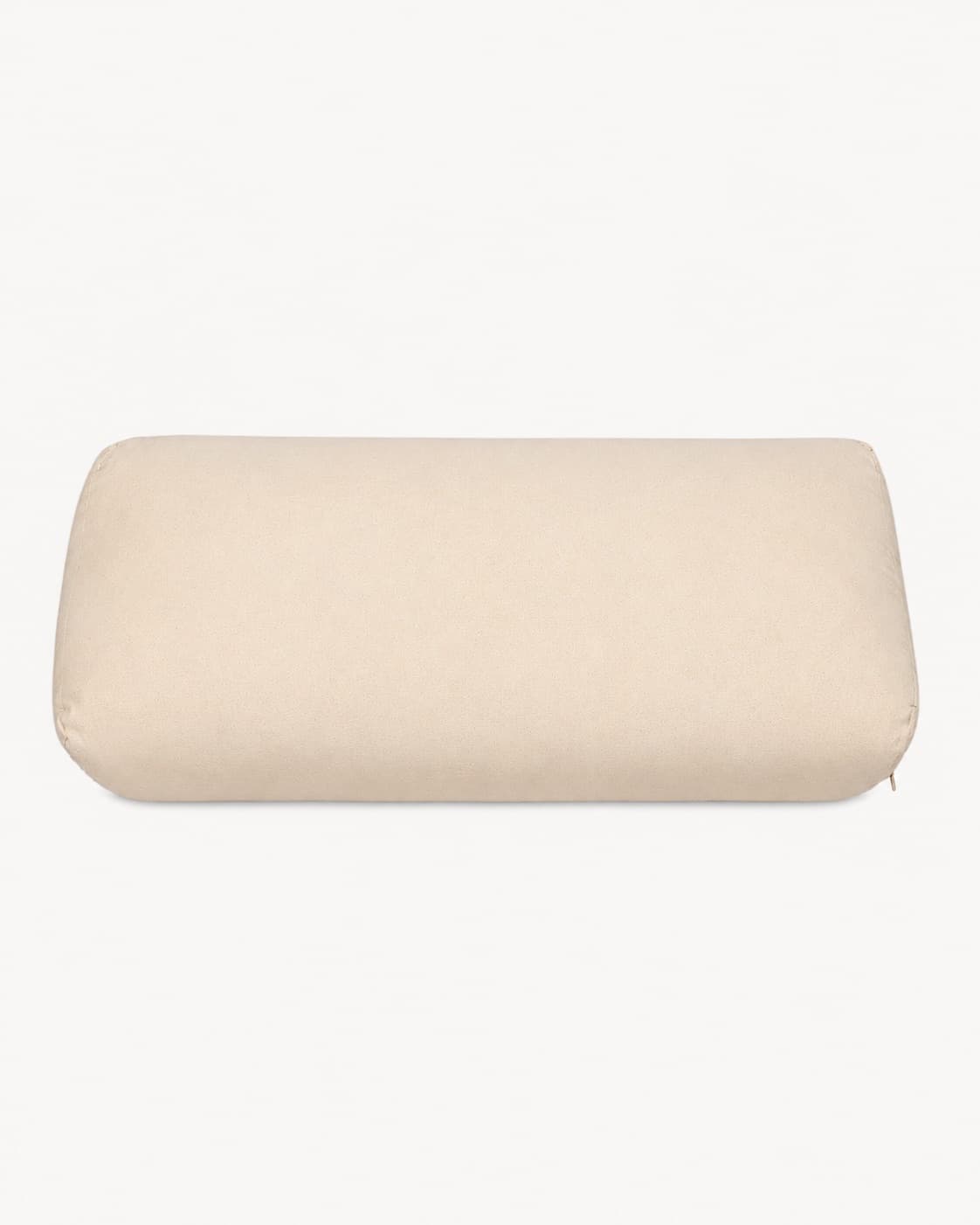
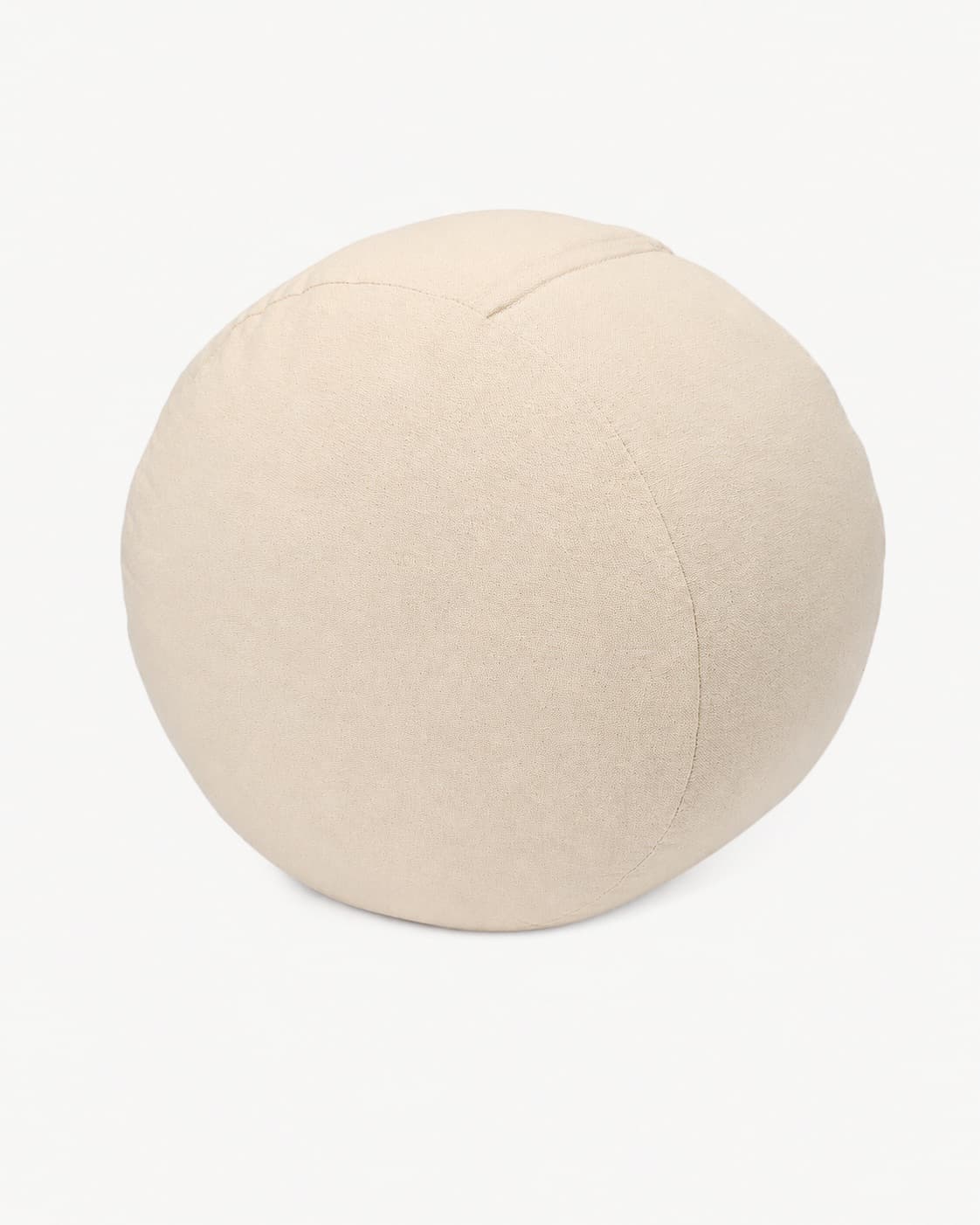
A low, wide cushion. For people who are already comfortable and want a small lift, or for kneeling.
A block. Firm and cheap, but hard, and uncomfortable past ten minutes.
The variable that matters is firmness, more than shape. A soft cushion compresses under your weight within a minute and puts you back on the floor. Kapok, buckwheat and dense foam all hold height; polyester fibre generally does not.
The four seats
Cross-legged, simple. Shins crossed loosely, feet under the opposite knees. Fine for shorter sits. The ankles get compressed over time.
Burmese. Both shins on the floor, one in front of the other, no crossing. Considerably more comfortable for long sits, and it does not compress the ankles. Try this before you decide floor sitting is not for you.
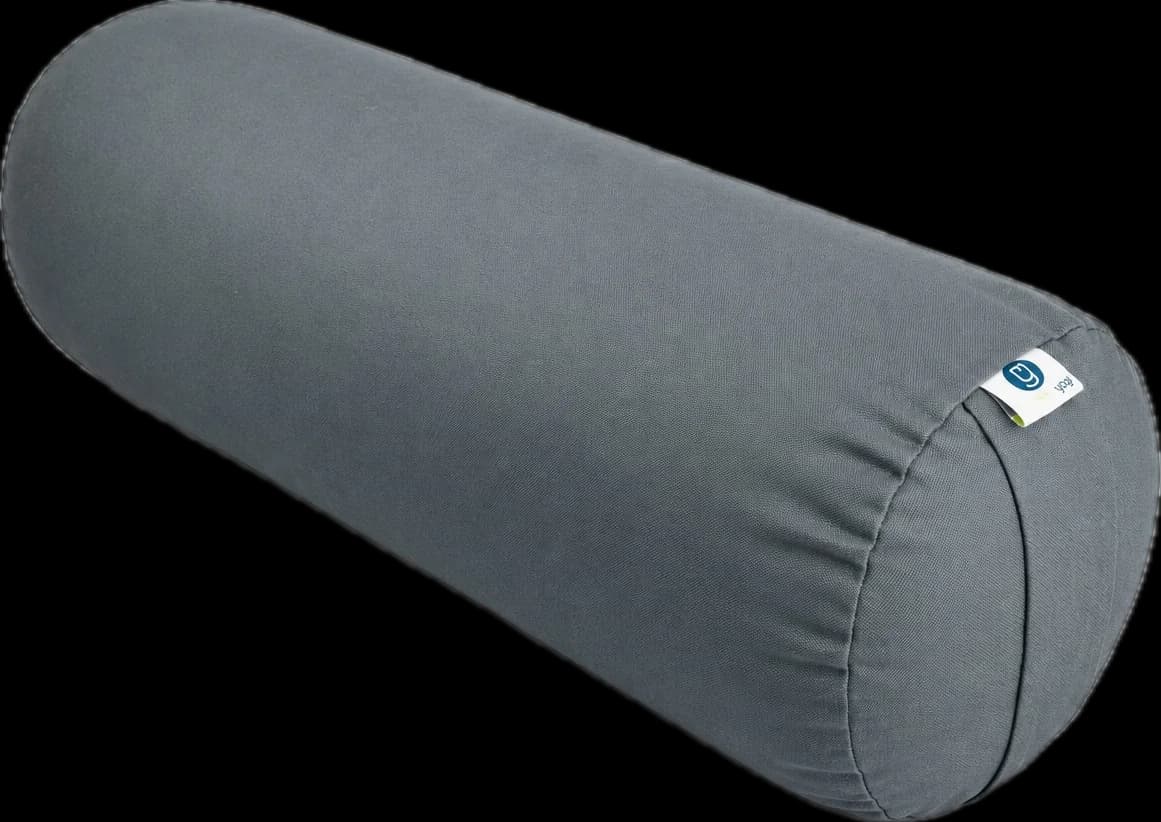
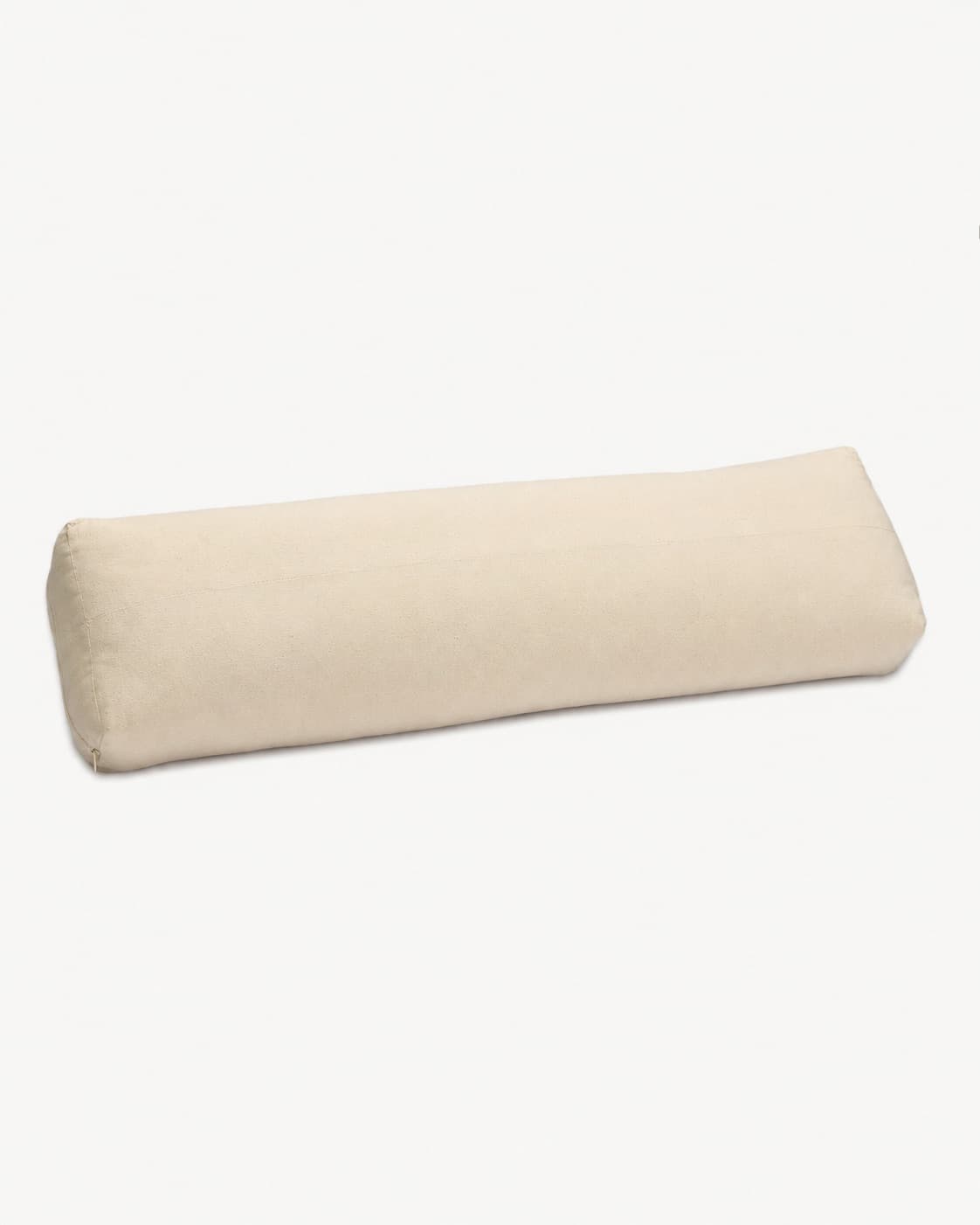
Kneeling, straddling a support. A cushion or block turned on its side between the shins, sitting on it. Takes hip rotation out of the equation entirely — good if external rotation is your limit. Watch the ankles and put a rolled blanket under them if the tops of the feet complain.
A chair. Feet flat on the floor, sitting forward off the backrest, sitting bones on the seat. There is nothing wrong with this. Nobody's practice is diminished by it, and it is a far better seat than a compromised floor position.
Support the knees
Even at the right height, the knees often hang unsupported, and the inner thigh muscles hold them up. Muscles holding something up cannot release, which is why the hips feel worse after twenty minutes of sitting rather than better.
Put a folded blanket, cushion or block under each outer thigh so the leg is genuinely resting. The support should touch. This one change makes long sits possible for a great many people.
Building tolerance
Do not aim at forty minutes.
- Week one: five minutes, twice a day if possible. Change legs halfway.
- Weeks two to four: ten minutes. Notice which side is more comfortable and lead with the other one.
- Beyond: add five minutes a month, and expect it to be uneven.
Change your crossing regularly. Sitting the same way for years builds a genuine asymmetry in the hips.
What to do about pins and needles
Common and usually harmless — pressure on a nerve or a reduction in circulation from the position. Shift, uncross, straighten the legs for thirty seconds, and go back.
If it is frequent, you are almost certainly too low. Add height and it usually stops.
Sharp pain in the knee is different. That is not tolerable and it does not improve with persistence. It means the rotation is being taken at the knee because the hip will not give it. Raise the seat, support the outer thighs, or change to kneeling.