


NotesGuides
Washing Cotton Props
Covers, blankets, straps, bolster shells. What goes in a machine, what never does, and how to dry cotton so it keeps its shape.
Contents
Everything cotton in a yoga practice is washable, which is most of the reason to own cotton. Here is what goes where.
What can go in a machine
Blankets. Yes. Cold, gentle cycle.
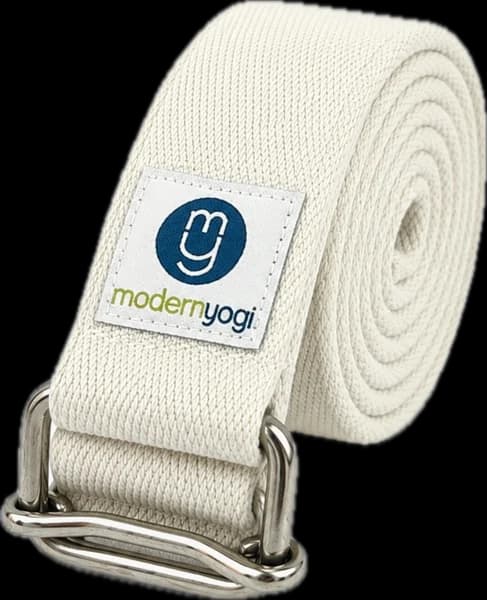
Straps. Yes, occasionally. Most straps never need it.
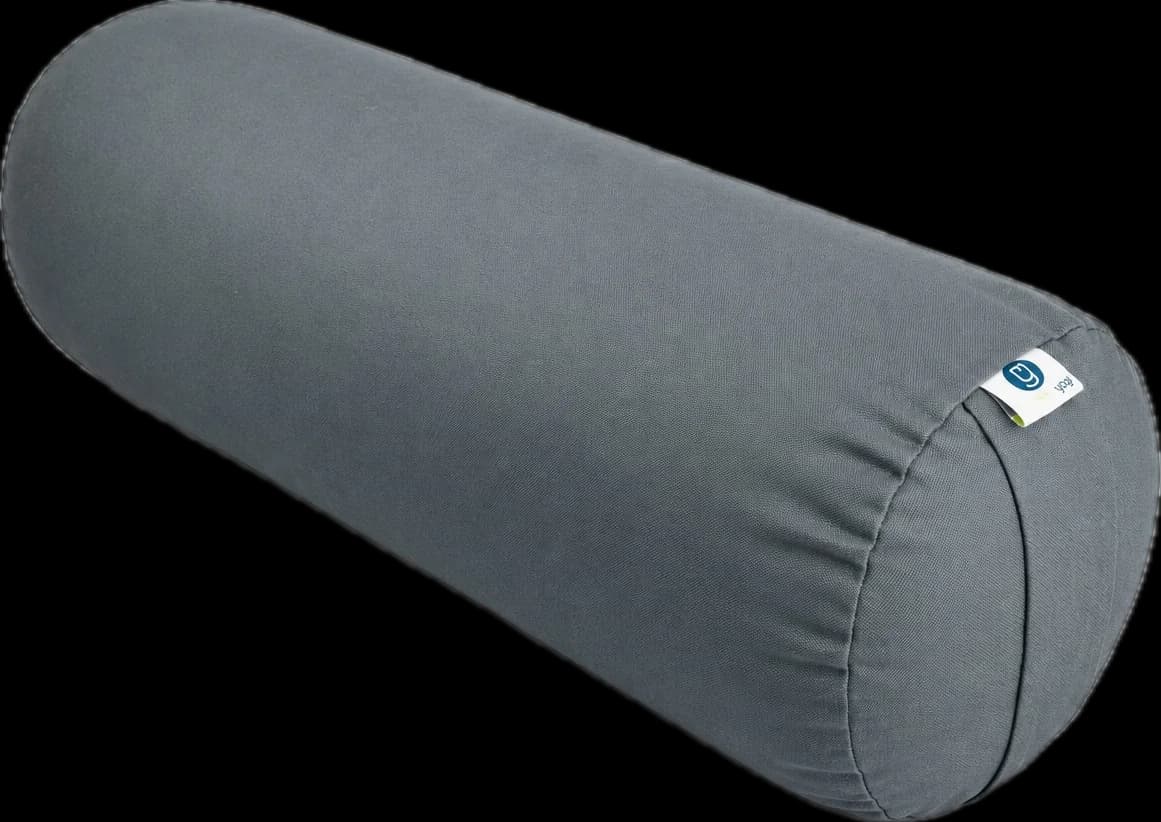
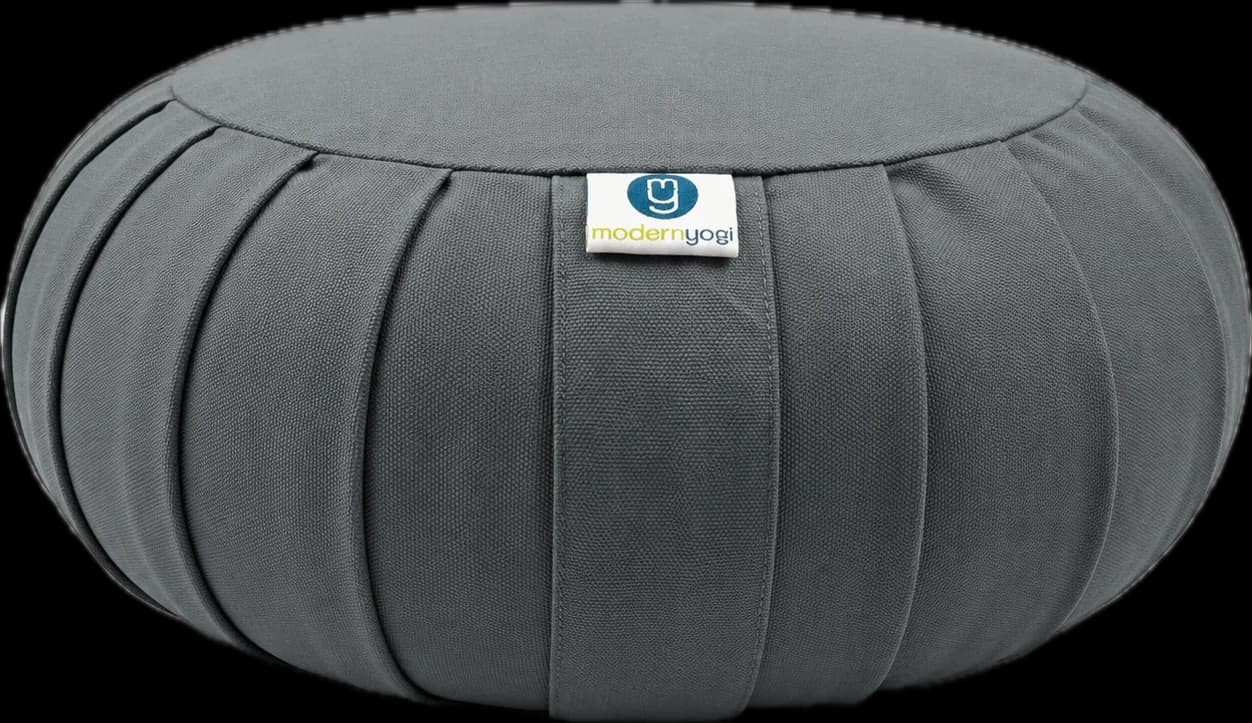
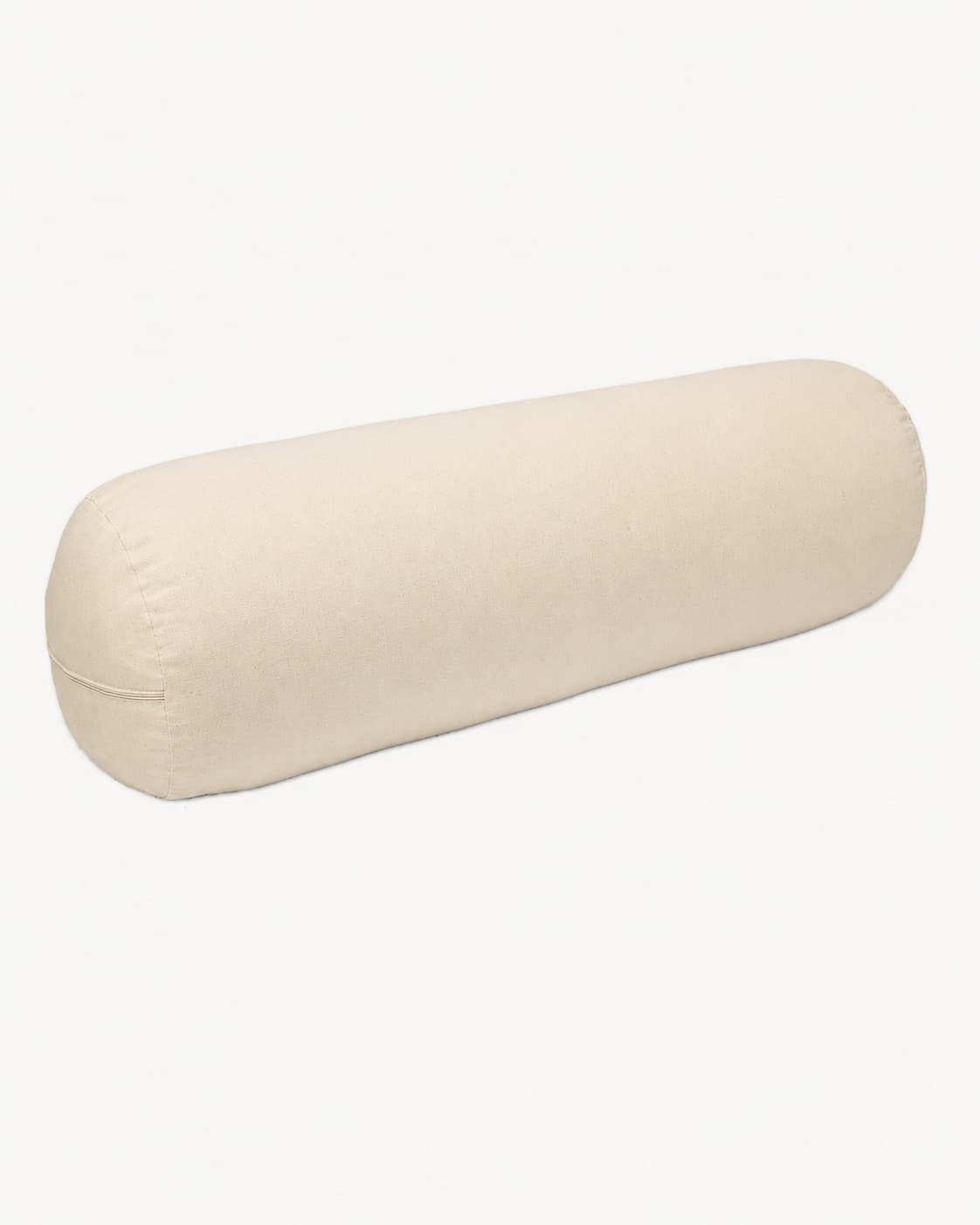
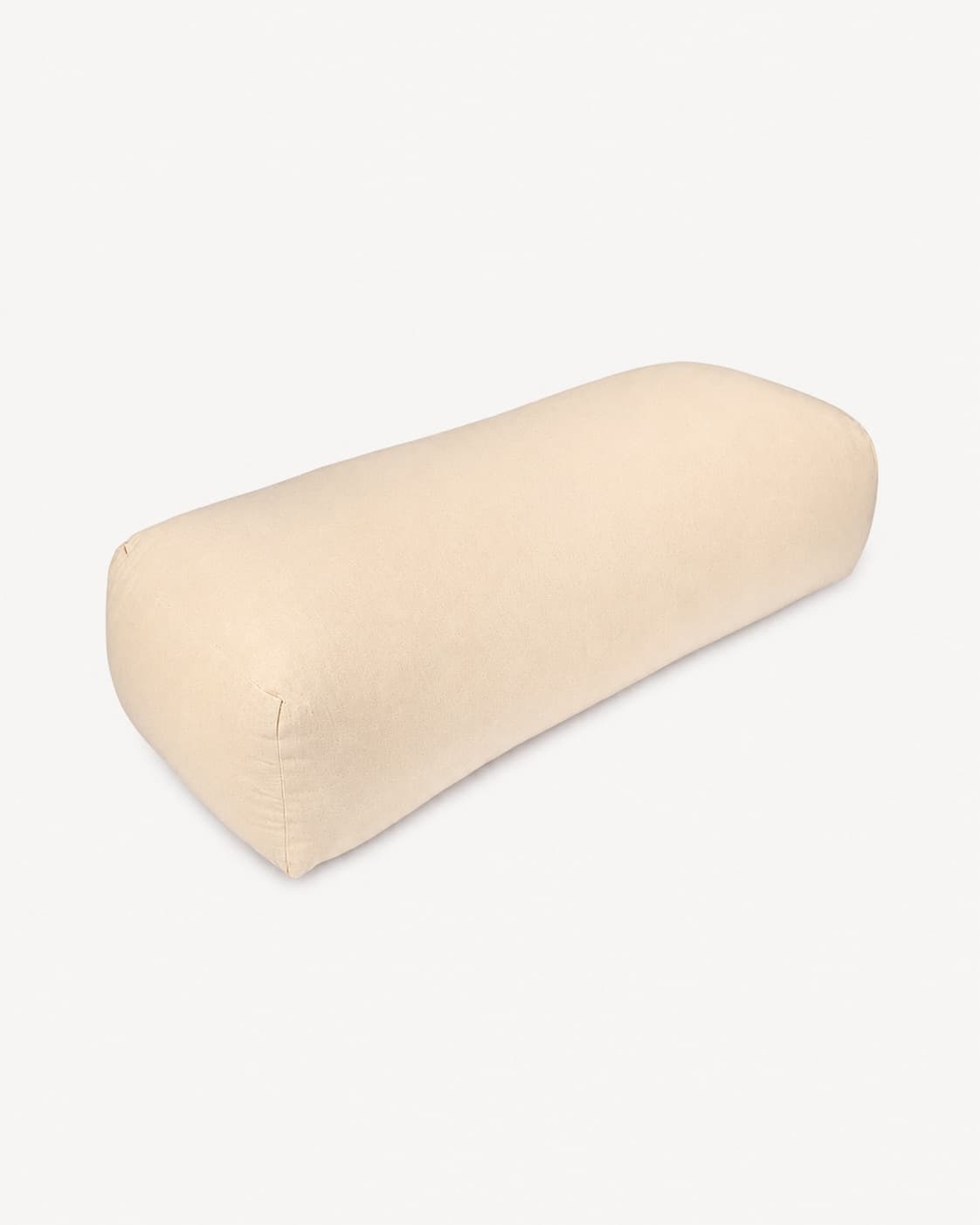
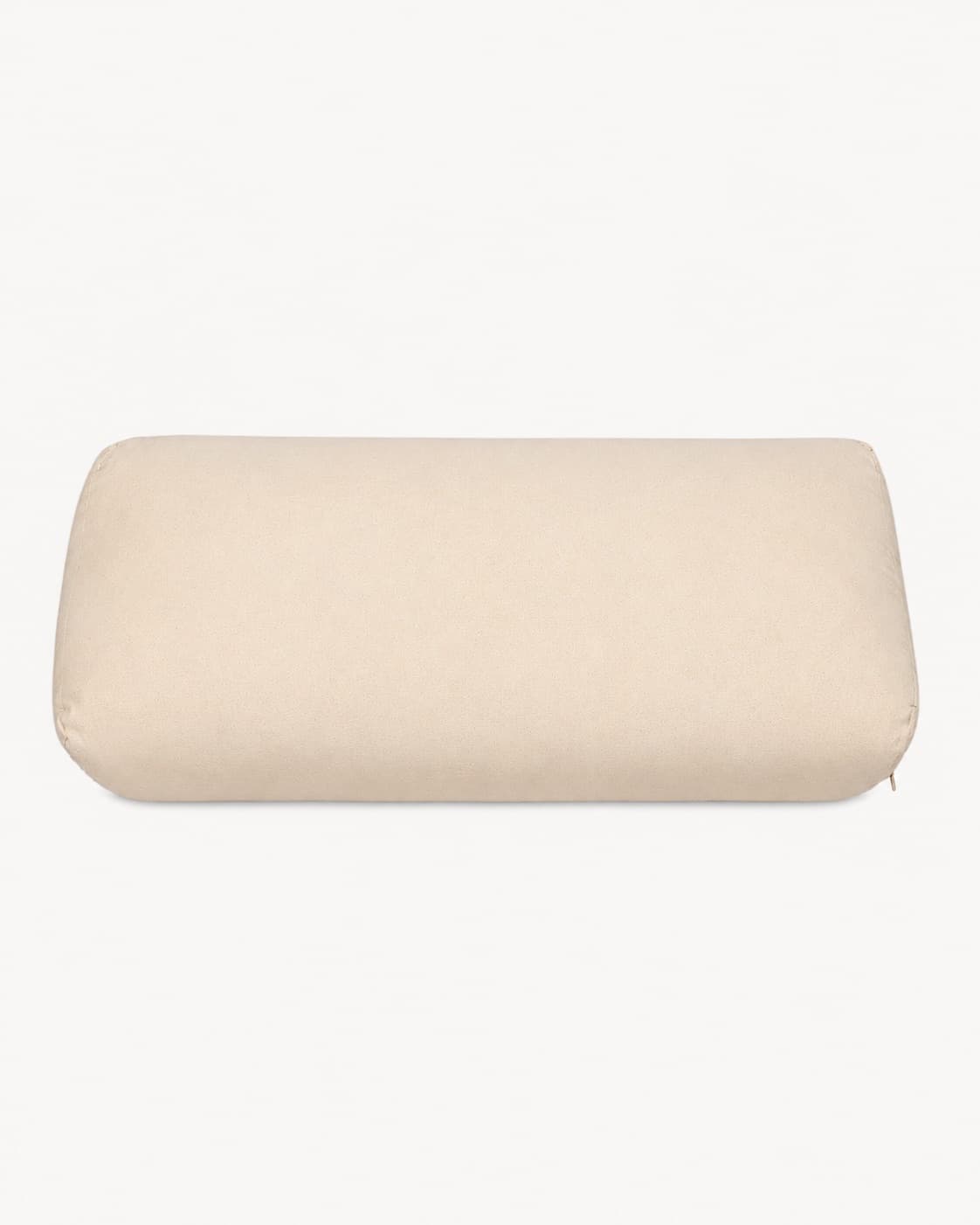
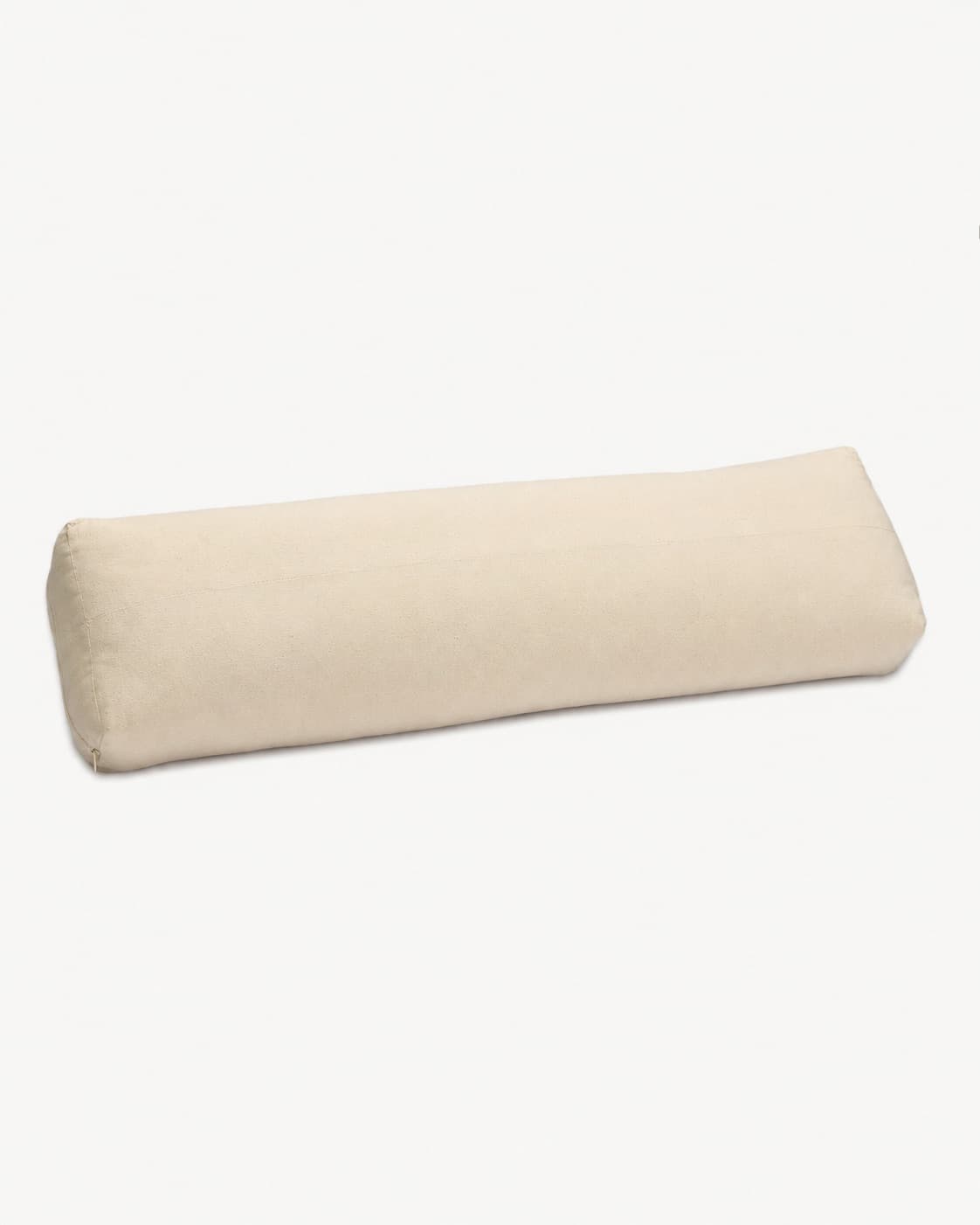
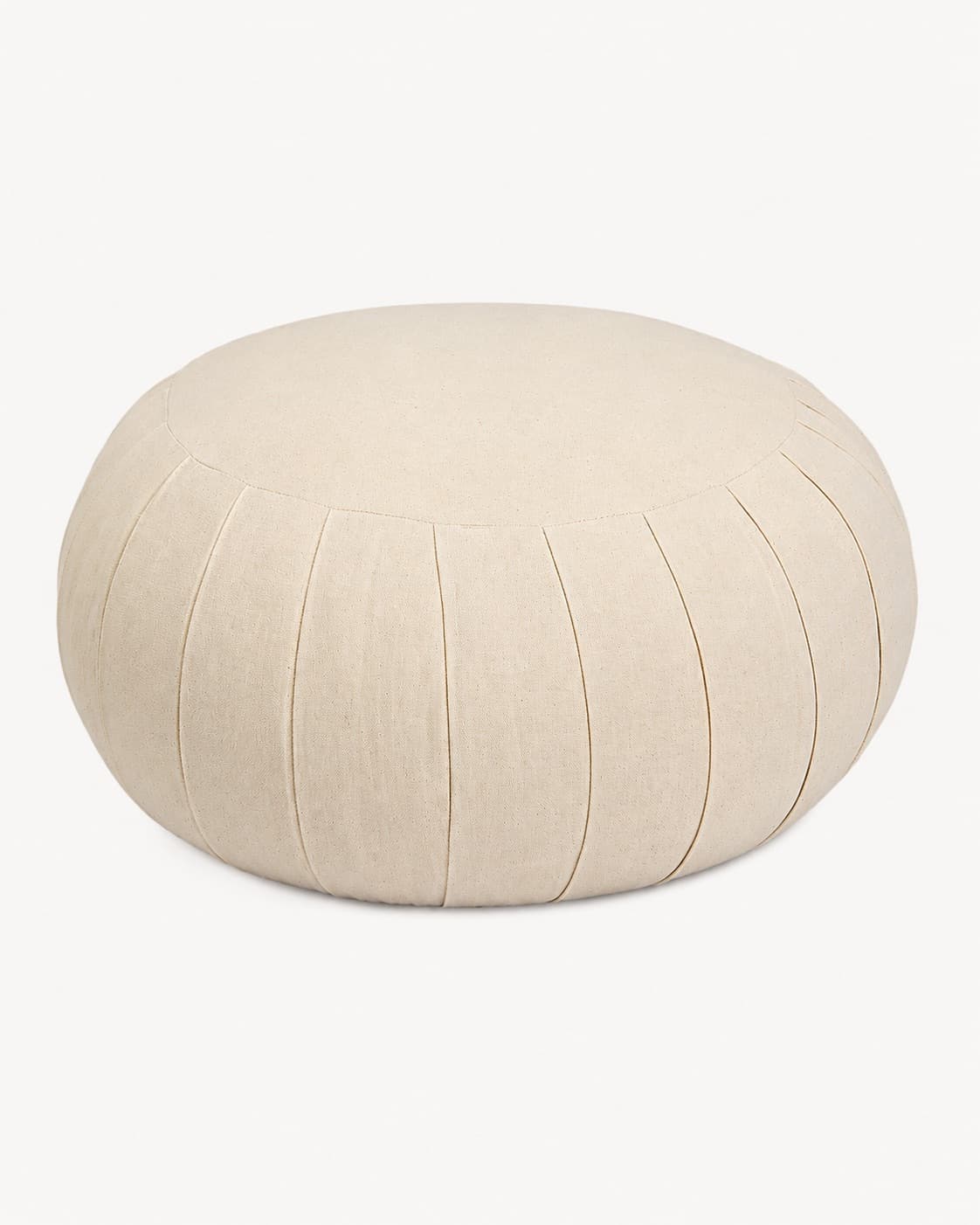
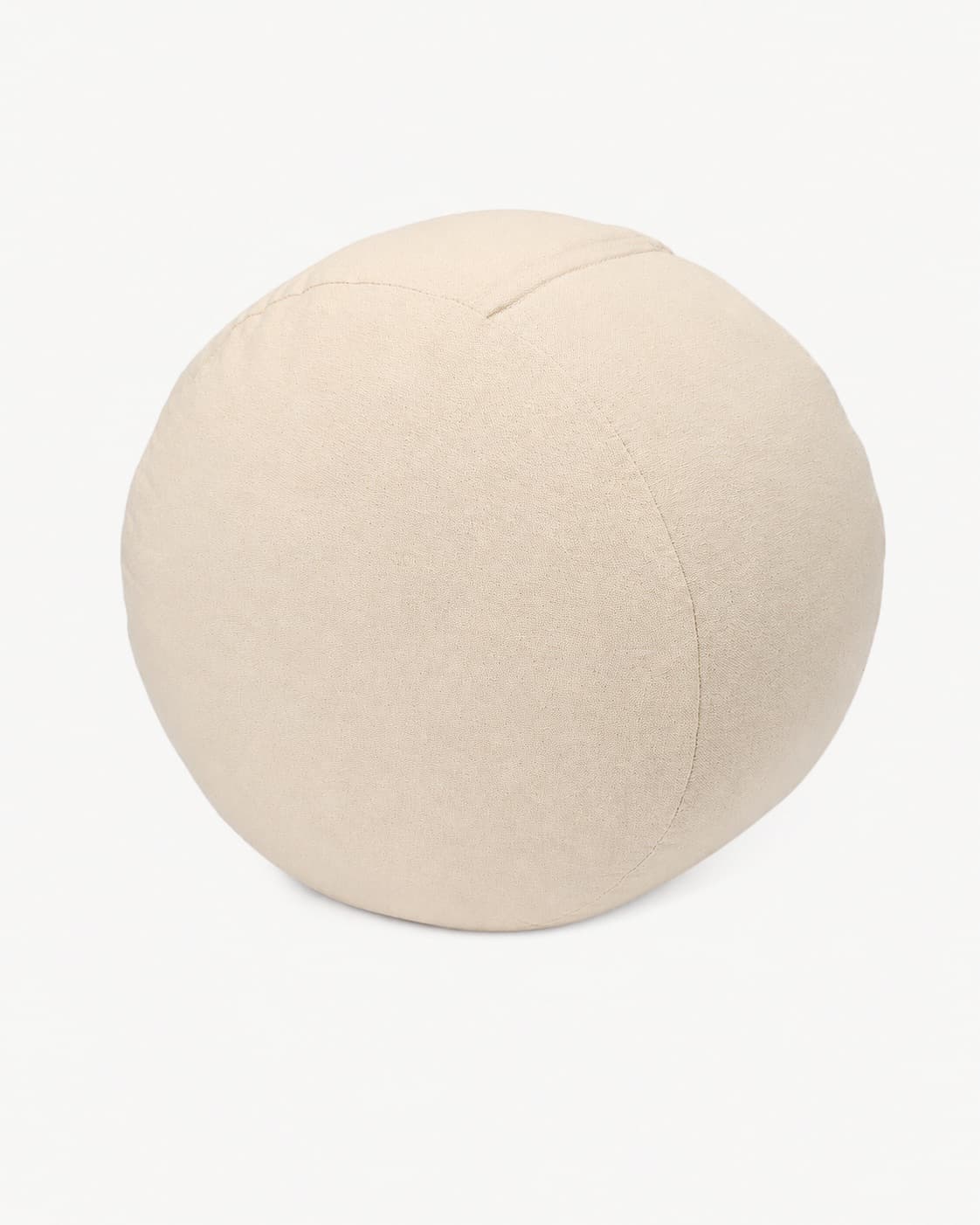
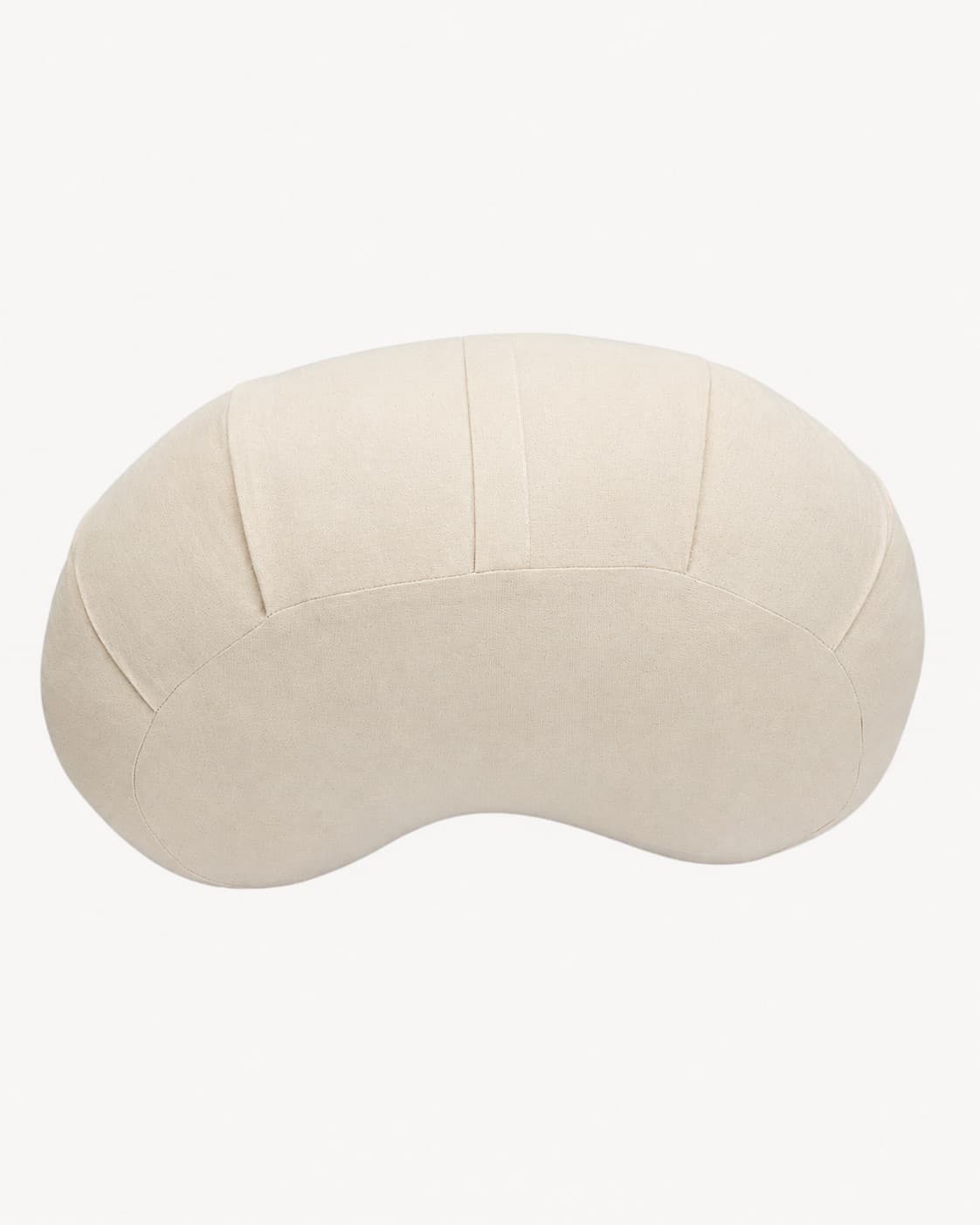
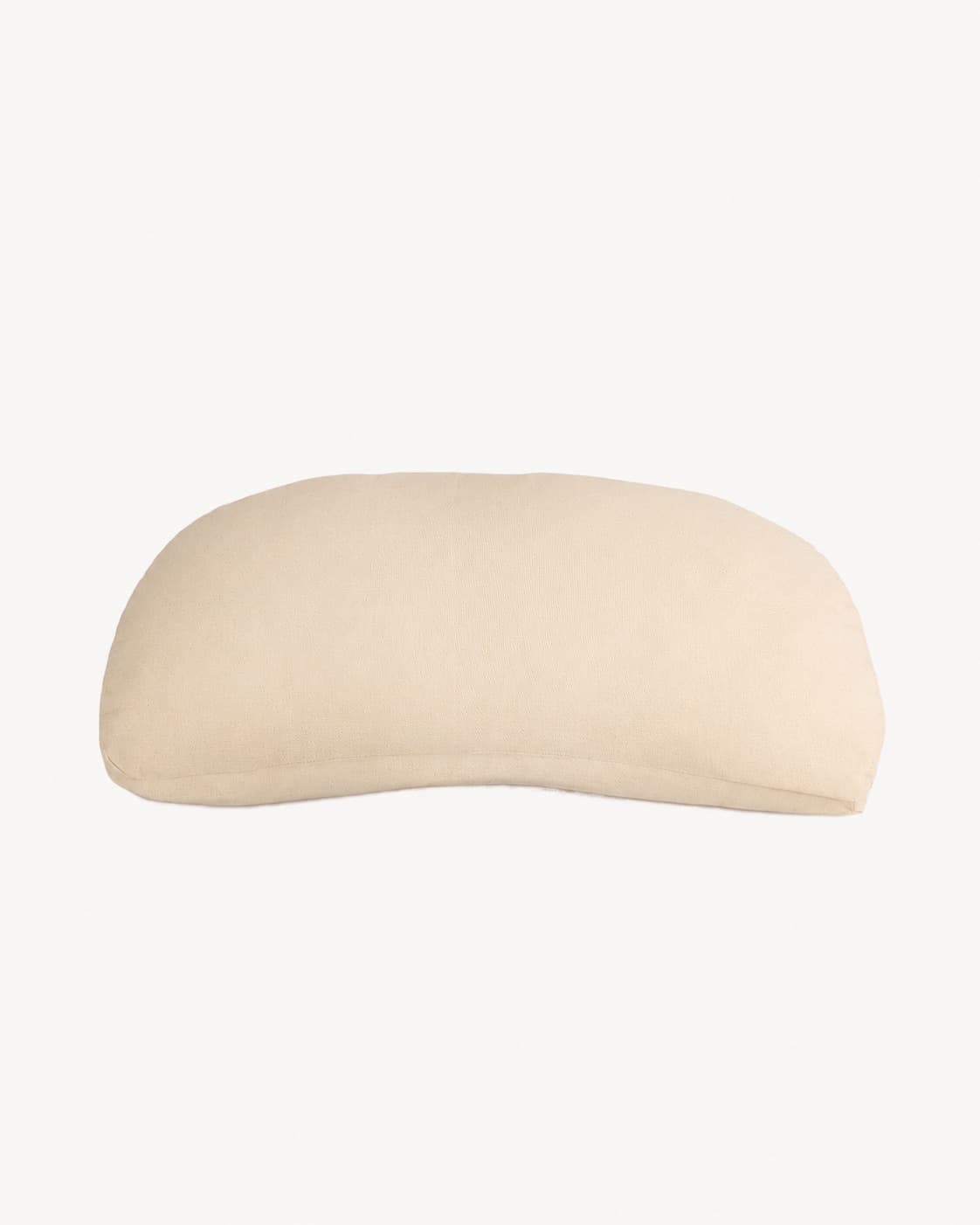
Bolster and cushion covers. Yes, once removed from the inner. Every bolster and cushion worth owning has a zip for this reason.
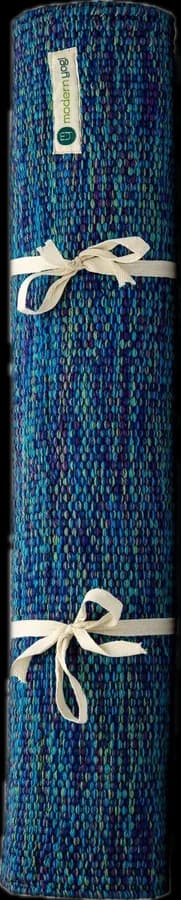
Cotton mats with no rubber base. Yes. Cold, gentle.
Eye pillow covers. Yes, once removed.
What cannot
The inner pillow of any bolster or cushion. Kapok, buckwheat, cotton batting — none of it should be washed. Kapok clumps and does not recover; buckwheat rots; batting compacts into lumps. If the inner needs attention, vacuum it lightly and air it in the shade.
The inner of an eye pillow. Flaxseed or similar fill will swell, rot, and smell. Never.
Cotton mats with a rubber base. Water driven into the weave with a sealed layer underneath cannot dry evenly, and it grows mildew inside. Vacuum, steam, and spot-clean with a damp cloth.
Anything with foam inside. Foam holds water for days.
The method
Cold water. Hot water shrinks cotton, and a shrunk bolster cover no longer fits its inner. Cold is also sufficient — modern detergents work at low temperatures and mechanical agitation does most of the cleaning.
Gentle cycle. Less agitation, less abrasion, longer life.
Mild detergent, and not much of it. Excess detergent does not rinse out fully and leaves a residue that stiffens cotton and reduces absorbency.
No fabric softener. Ever. Softener works by coating fibres with a lubricating film. On a towel that reduces absorbency; on a yoga mat or a strap it reduces grip, and it is the single worst thing you can do to cotton equipment.
No bleach. It weakens cotton fibres and it will take the colour out.
Wash colours separately the first two or three times. Dyed cotton releases some surface dye early. This is normal, it settles, and it is why a new coloured item should not go in with white things.
Drying, which is where things go wrong
Never tumble dry. Heat shrinks cotton. A blanket that has been through a hot dryer once will be smaller and stiffer permanently, and a bolster cover will no longer go back on.
Hang or lay flat. Out of direct sunlight — UV fades dye and, over time, weakens the fibre.
Dry completely before storing. Cotton stored damp mildews, and mildew in a weave does not fully come out.
Reshape while damp. Pull a blanket square, smooth a cover flat. Cotton dries in whatever shape you leave it.
Give it time. A heavy cotton blanket takes twelve to twenty-four hours to dry properly. Rushing it is how things get put away damp.
Getting a cover back on
The task everyone underestimates, particularly with a firmly stuffed bolster.
Turn the cover inside out and work it over one end of the inner, then walk it along. Considerably easier than trying to push a bolster into a tube.
Compress the inner with your arms as you go.
Do it while the cover is very slightly damp if it is a tight fit — cotton is more pliable damp and will shrink to fit as it dries the rest of the way on the inner.
Work the corners out from inside once it is on.
Frequency
Blankets: every couple of months with regular use, more if they are used against the skin or slept under.
Bolster and cushion covers: two or three times a year. More if used daily.
Eye pillow covers: monthly. It sits on your face.
Straps: rarely. Cotton webbing sheds dust on its own and develops a patina with use that is not dirt.
Cotton mats: every four to six weeks with regular practice.
What washing does over time
Cotton improves. The weave relaxes, the hand softens, and absorbency increases as any residual finishing washes out. A cotton blanket at five years is better than at one.
What it costs: colour eases gradually, and the fabric thins very slowly at wear points. Neither is fast. Well-made cotton equipment washed properly lasts decades.
Removing specific things
Sweat and body oils: normal wash. If a blanket has a shine where it has been sat on, that is body oil, and it needs detergent rather than water alone. A pre-soak in warm water with detergent for an hour, then a normal cold wash.
Smell: half a cup of white vinegar in the rinse. Safe on cotton, kills the bacteria producing the odour, and rinses out without leaving a smell of its own.
A mark: treat it before washing, not after. Once something has been through a wash and dried, it is set. Cold water and a little detergent worked in with a finger, left ten minutes, then washed.
Mildew: vinegar and a full wash, then dry in fresh air. If it has been damp for a long time, it may not come out — this is the one to prevent rather than treat.