












NotesLiving
Practising When You Don't Want To
A working protocol, not encouragement. What to do on the days it is not happening, in the order to try it.
Contents
A protocol, not encouragement. Work through it in order and stop at the first thing that works.
First, sort out which kind of not-wanting-to this is
Three kinds, and they need opposite responses. Getting this wrong is why people either quit or injure themselves.
Tired but fine. Ordinary end-of-day flatness. No pain, no illness, nothing wrong. You just do not feel like it.
Depleted. Genuinely run down — poor sleep for several nights, illness coming, a hard training week, a period of real stress. The body has less to give and knows it.
Something hurts. A specific complaint, somewhere specific.
For the first, practise. For the second, practise differently. For the third, this protocol does not apply — work out what is hurting first.
If you are tired but fine
Work down this list. Stop when one works.
1. Do five minutes.
Set a timer for five minutes and commit to only that. Not a trick to get you to twenty — genuinely five, and you may stop.
Most of the resistance is to the idea of a full practice, and the idea evaporates once you are on the floor. Perhaps two-thirds of the time you will carry on. The third of the time you stop at five minutes, you have still practised, and the streak is intact.
2. Do the easiest thing you know.
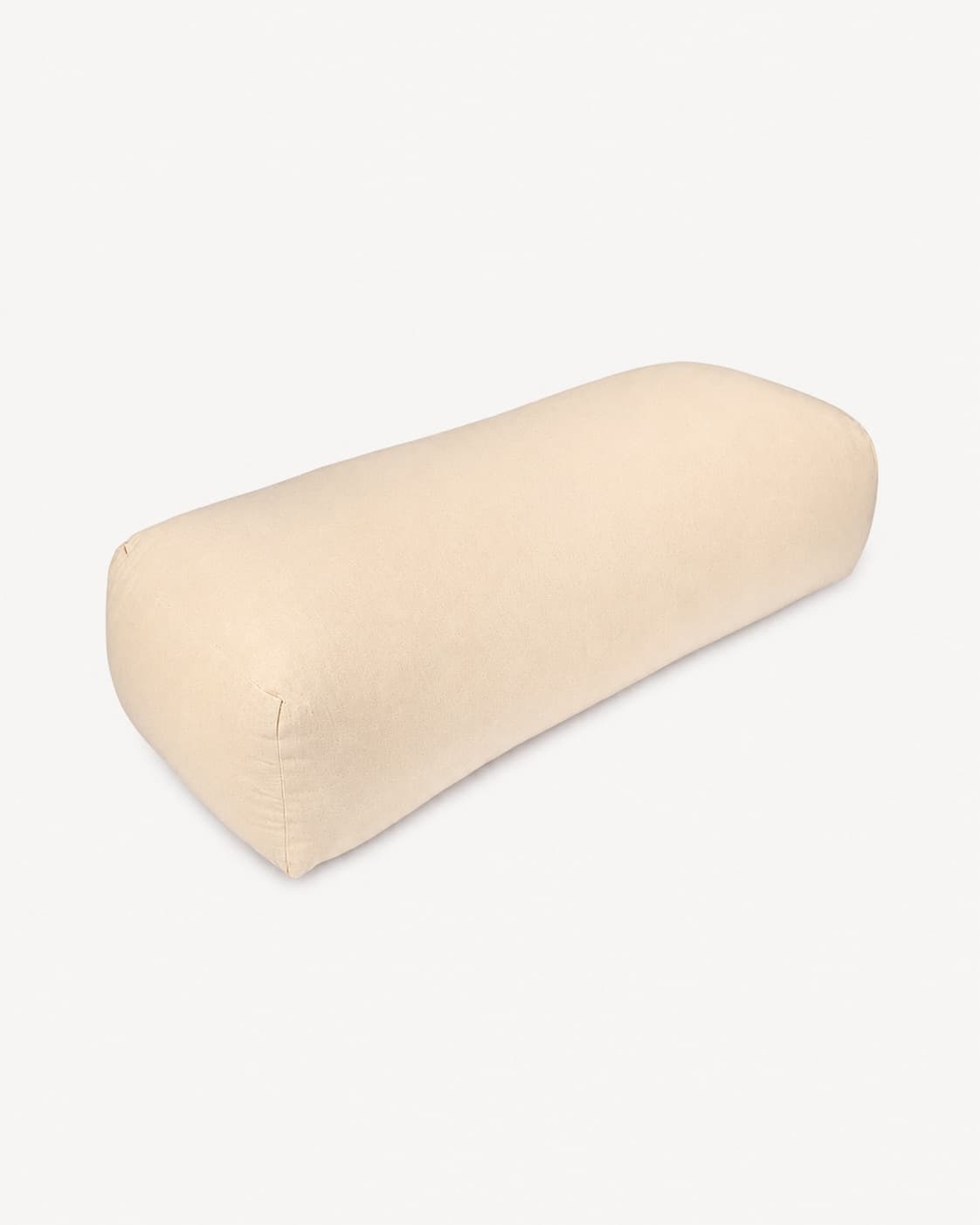
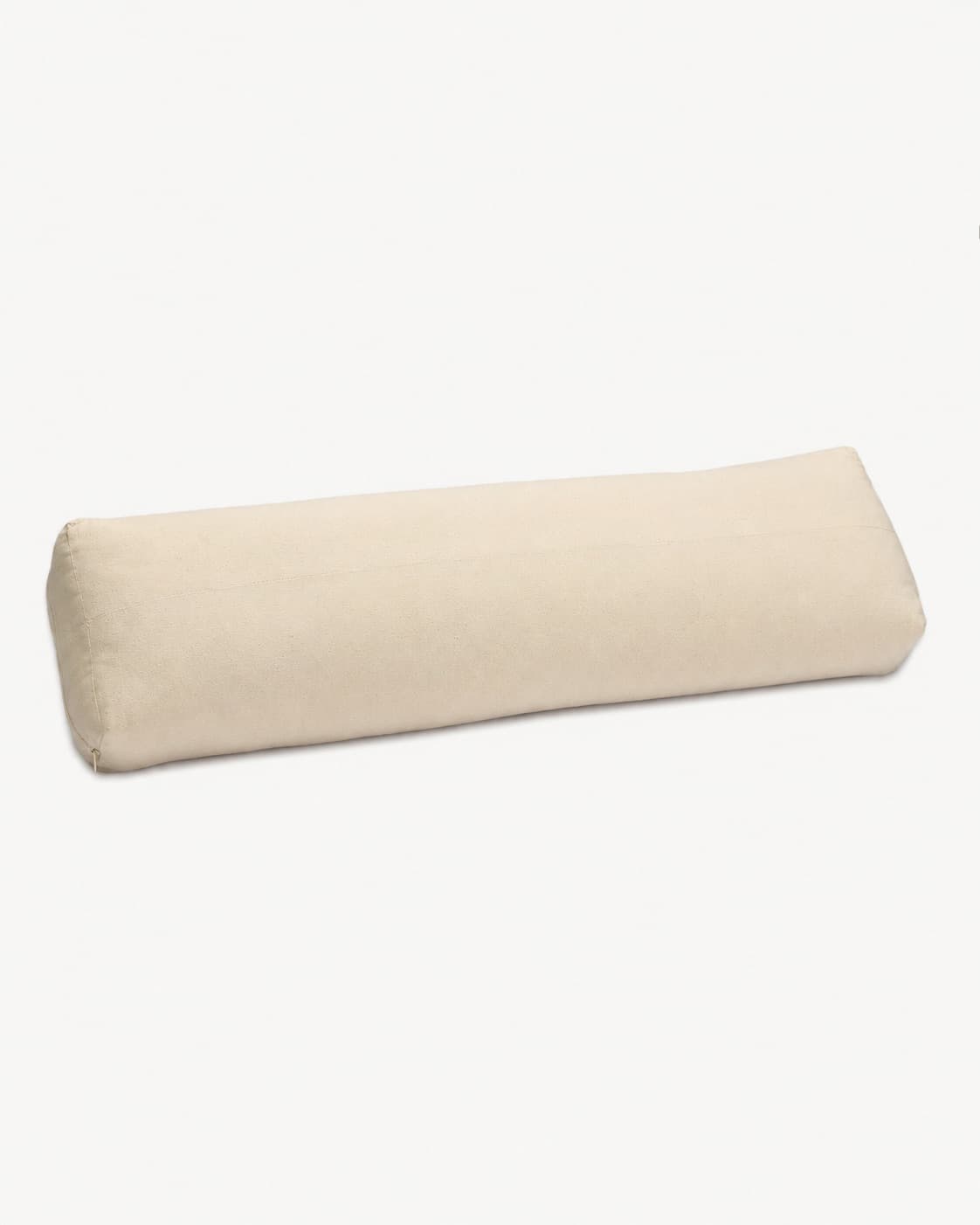
Not the practice you had planned. Legs up the wall. Ten minutes of lying over a rolled blanket. A supine twist each side. Cat-cow.
The instinct is to skip the day if you cannot do the real session. That instinct has ended more practices than injury has.
3. Change the format.
If it is always movement, sit and breathe instead. If it is always solitary, put on a recorded class and do what you are told. If it is always the same sequence, do something you have never done.
Resistance is often boredom that has not identified itself.
4. Change the time.
If evenings have stopped working, try mornings for a week. People sometimes fight a slot for months when the answer is that the slot is wrong.
5. Reduce the standard, formally.
Decide that for the next two weeks, the practice is fifteen minutes. Say it out loud. Then do fifteen minutes and stop, even on days you could do more.
The formal reduction matters. An informal one feels like failure every day. A deliberate one is a plan.
If you are depleted
Different instruction: practise, but change what practice means.
Restorative only. Supported shapes held for five minutes each. Legs up the wall, supported bridge, a supported twist, a long Savasana. Twenty-five minutes, and no muscular effort anywhere.
Or breath only. Sit and count exhales for ten minutes. Or lie down and lengthen the exhale for ten minutes.
Or Savasana alone. Fifteen minutes, fully propped, blanket over you. This counts. It is arguably the most useful thing you can do in that state, and treating it as a real practice rather than a cop-out is the correct framing.
Do not do a strong practice while depleted. It does not build anything — adaptation happens in recovery, and there is no recovery available — and it is where people get hurt.
What does not work
Motivation. It is not a resource you can summon, and waiting for it hands the decision to your mood. People with long practices are not more motivated; they have simply removed the decision.
Discipline as an identity. "I am someone who practises daily" is fine until the first missed day, at which point it becomes evidence against you and the whole structure wobbles.
Punishing a missed day. Making up a missed session by doubling the next one turns practice into a debt. Debts get abandoned.
Making it more interesting. Adding novelty works for about a fortnight. The underlying skill is doing an ordinary thing on an ordinary day.
Structural fixes, for the long run
If it is a recurring problem rather than a bad week, the answer is usually structural.
Reduce the friction. Mat visible and reachable in thirty seconds. This is worth more than everything else on this page combined.
Shorten the default. A twenty-minute default that happens six days a week beats an hour that happens twice.
Attach it to something fixed. After brushing your teeth. Before the shower. After the last work call. An existing anchor beats a time on a clock.
Lower the ambition of the sessions. Practices that are always hard become things you dread. Roughly: two strong sessions a week, three moderate, two easy.
The one rule
Never skip two in a row.
One missed day is nothing. Two is the beginning of a gap, and gaps close by themselves less often than people expect.
If you have missed one, the next session can be five minutes of legs up the wall. It does not need to be good. It needs to happen.