





NotesPractice
The Thirty-Minute Practice
A complete, repeatable half hour with nothing padded out. Written as a sequence you can memorise in a week.
Contents
A complete, repeatable half hour with nothing padded out. Written as a sequence you can memorise in a week and then stop thinking about.
Thirty minutes done four times a week beats an hour done once, comfortably, for strength, range and habit alike.
The sequence
Settle — 2 minutes
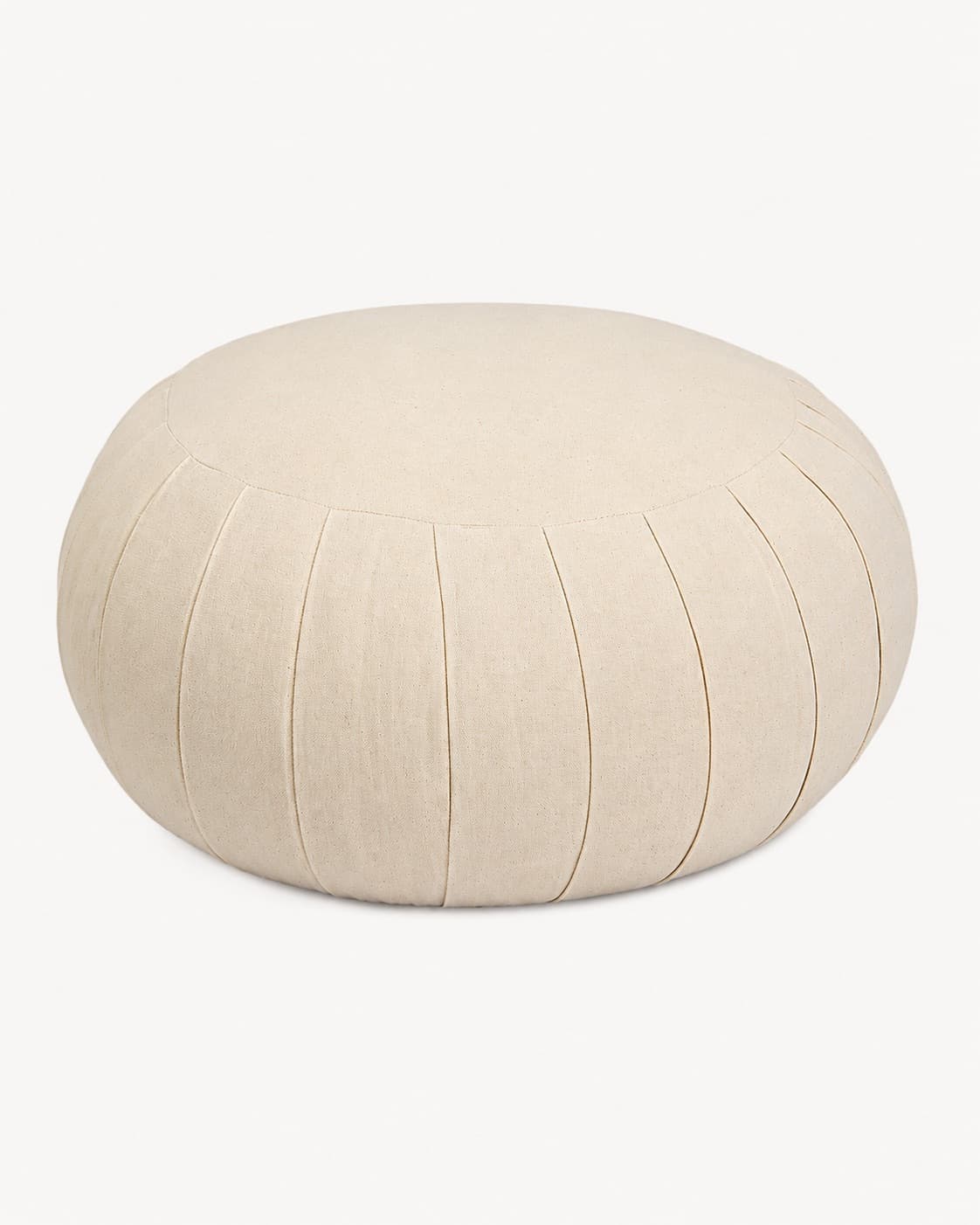
Sit on a folded blanket, hips above knees. Eyes closed. Notice the breath for a minute without changing it, then let the exhale lengthen slightly for a minute.
Warm the spine — 4 minutes
- Cat-cow, ten rounds, slowly, one movement per breath.
- Thread the needle, five each side.
- Child's pose to Downward Dog, five rounds.
- Downward Dog, hold for five breaths, pedalling the heels.
Warm the body — 5 minutes
Four sun salutations, stepping rather than jumping, knees down for the lowering.
Take the first slowly, learning the shapes; the fourth at a moderate pace. You should be breathing harder at the end.
Standing work — 10 minutes
Both sides of each. Five to eight breaths per pose.
- Warrior II — long stance, front knee pressing outward, back foot's outer edge down.
- Extended Side Angle — forearm on the thigh, or hand on a block.
- Triangle — hand on a block, chest rotating open.
- Tree — one minute per side. Establish the standing foot before lifting.
Floor work — 6 minutes
- Low lunge, 90 seconds each side. Back knee on a blanket, pelvis tucked under.
- Supine figure-four, 90 seconds each side.
Savasana — 3 minutes
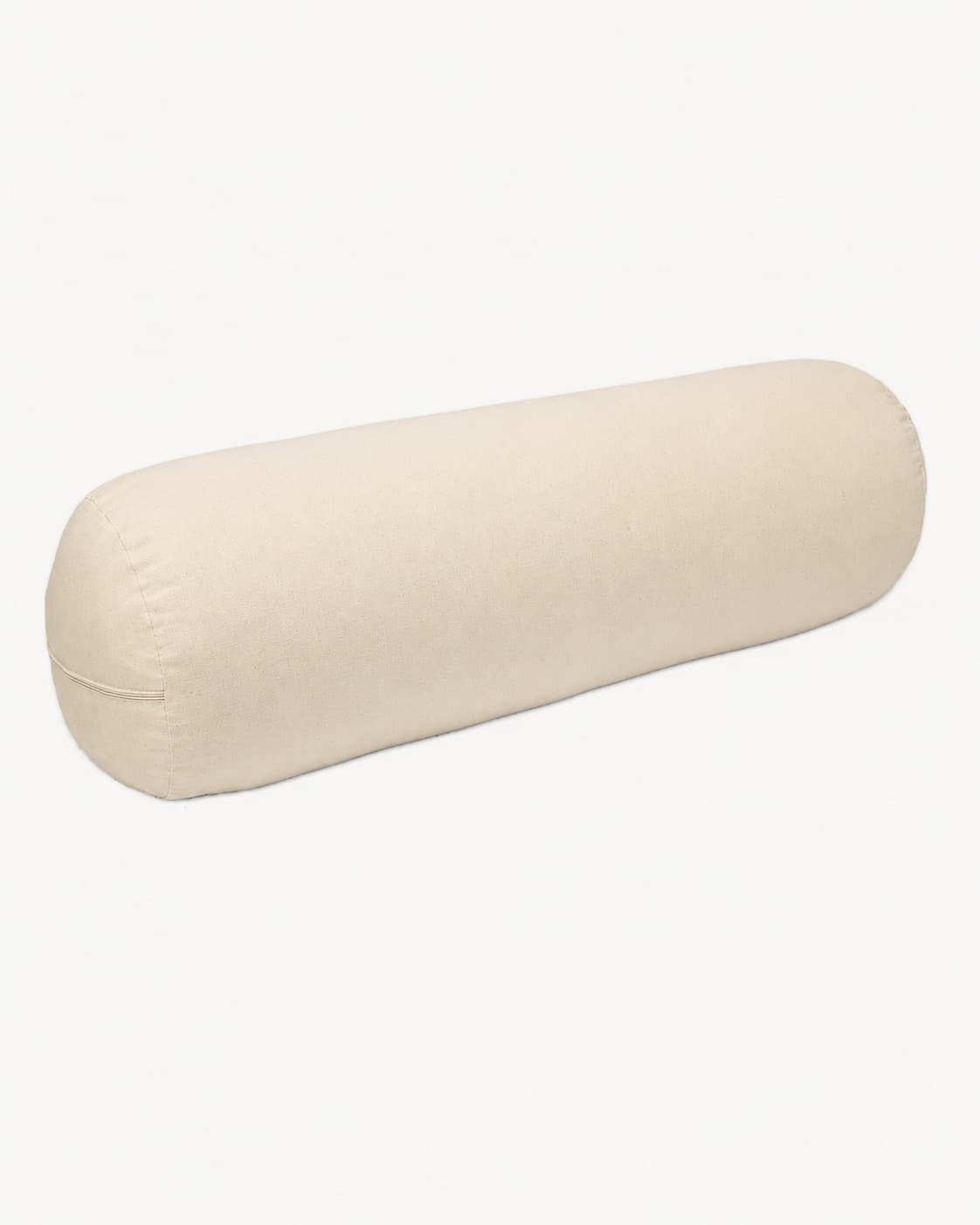
Blanket under the head, roll under the knees, blanket over you.
Three minutes is short for Savasana. In a thirty-minute practice it is what fits. Take five if you have them.
Varying it
Keep everything except the standing block and the floor block. Rotate those on a weekly cycle.
Monday — standing strength. As written above.
Tuesday — hips. Standing: Warrior II, Goddess, Wide-Legged Forward Fold, Warrior III. Floor: low lunge, supine figure-four, reclining bound angle with blocks under the thighs.
Wednesday — backbends. Standing: Warrior I, Crescent, Chair. Floor: Sphinx 2 minutes, Cobra ×5, supported bridge 2 minutes.
Thursday — hamstrings. Standing: Pyramid, Wide-Legged Forward Fold, Triangle. Floor: supine strap work 3 minutes each side, seated fold on a blanket.
Friday — shoulders. Standing: Warrior I with a strap overhead, Eagle arms, Chair. Floor: Puppy 2 minutes, rolled blanket along the spine 3 minutes.
Saturday — longer version. The same structure with 20 minutes in the middle instead of 16, and a ten-minute Savasana.
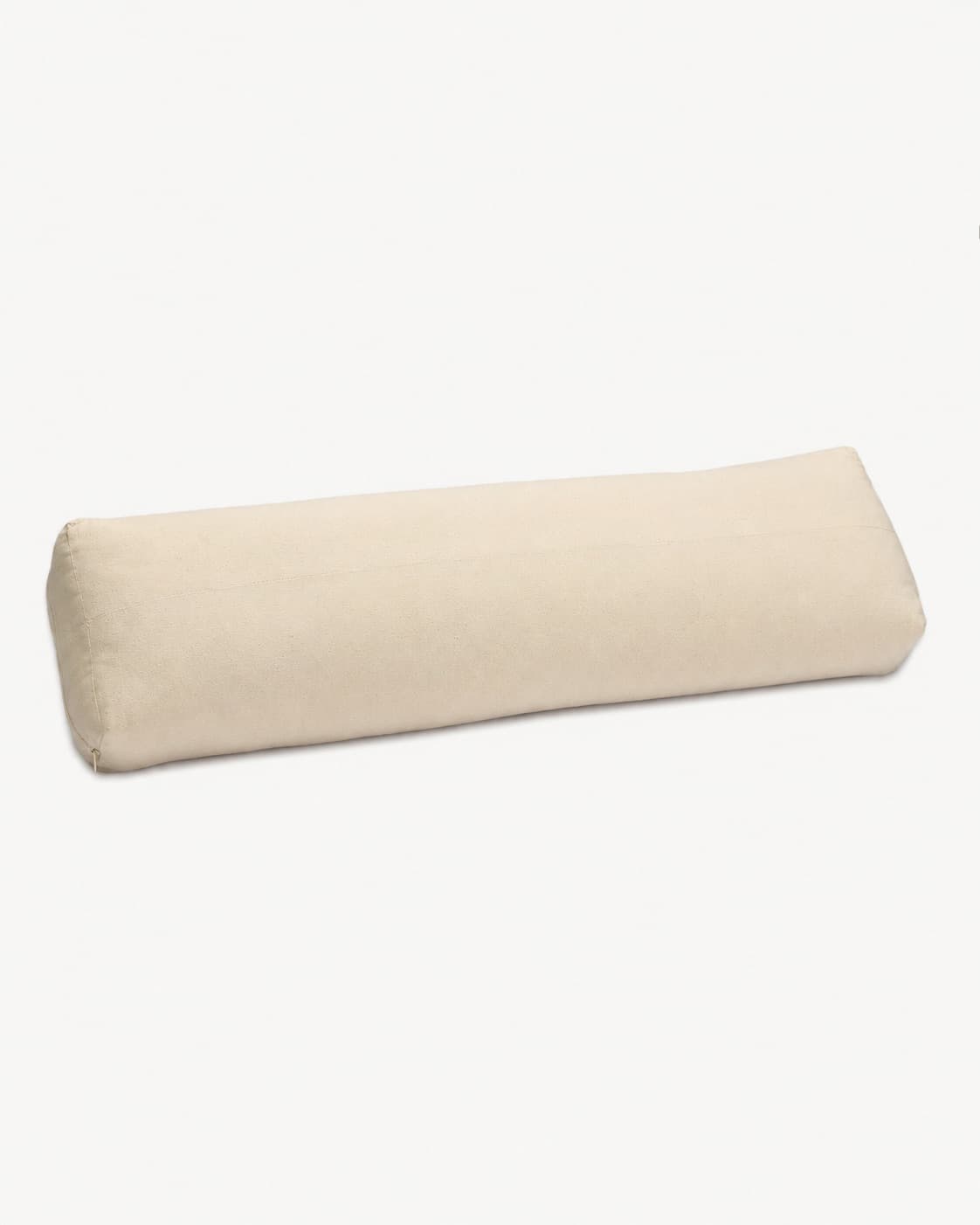
Sunday — restorative. Skip the warming entirely. Supported bridge 5 minutes, reclining bound angle 5 minutes, legs up the wall 5 minutes, Savasana 10 minutes.
Why it is built this way
Spine first, in all directions. Nothing is asked cold.
Warm before load. The standing work happens once the tissue is warm.
Standing before floor. Standing poses need energy and freshness; floor work does not.
One focus per session. Ten minutes on one thing produces change. Two minutes each on five things produces nothing, and this is the most common flaw in self-directed practice.
Long holds at the end. Ninety seconds is where the useful work in hip and hamstring shapes happens, and it belongs when you are warm.
Savasana, always. Cut a standing pose before you cut this.
What to have ready
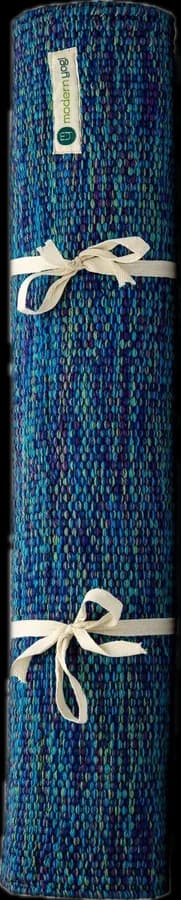
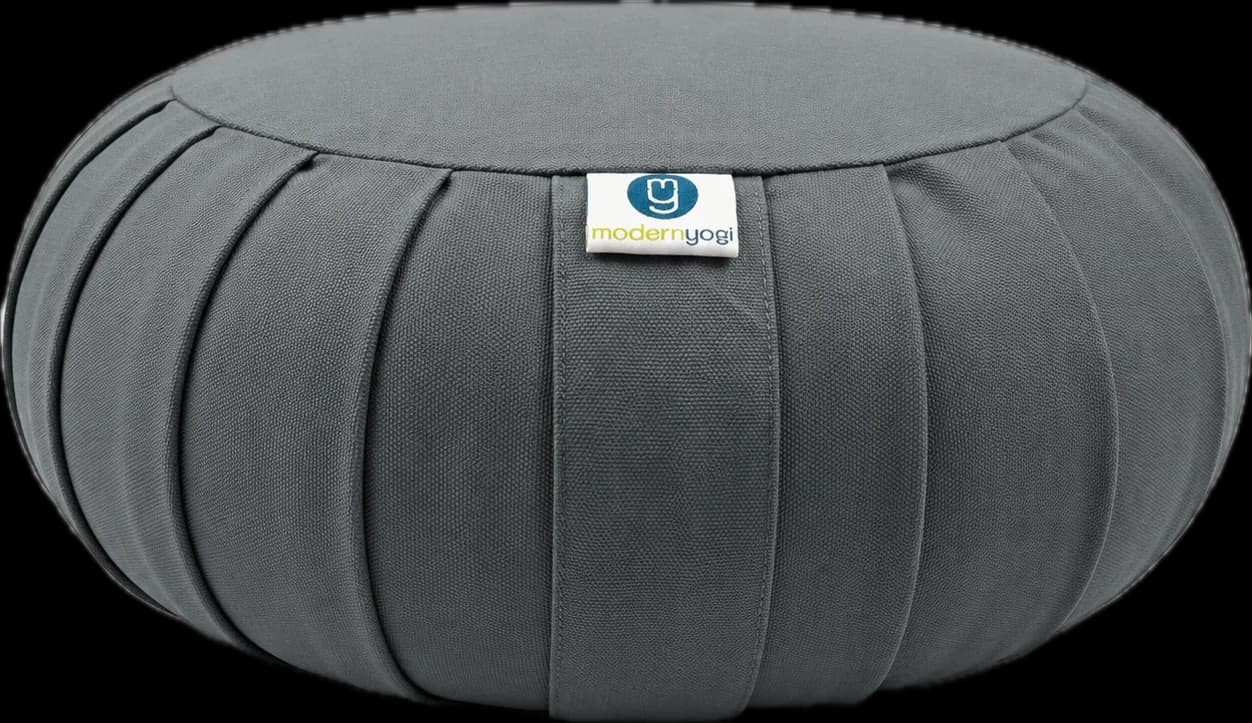
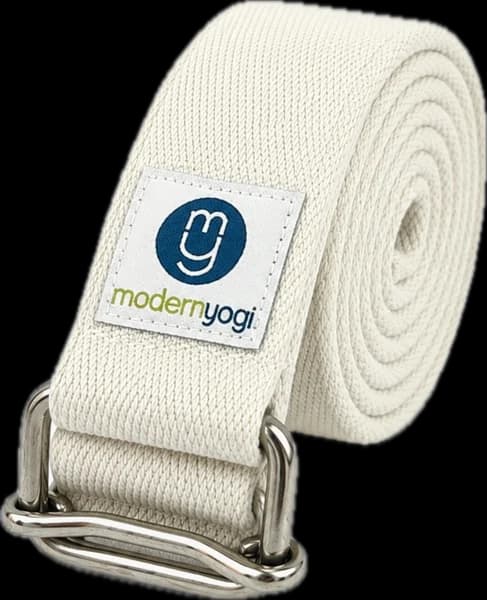
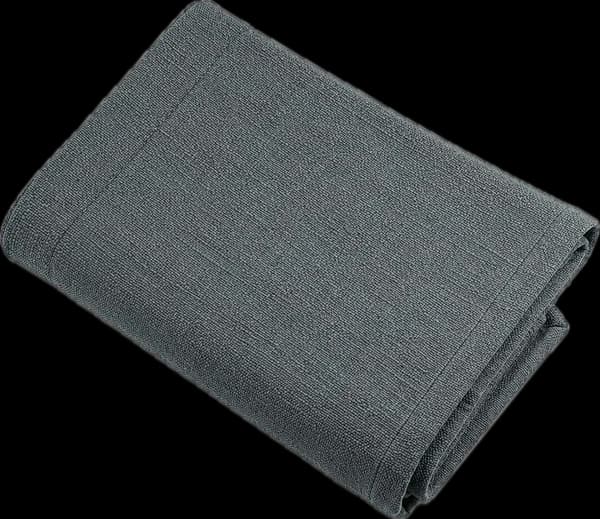
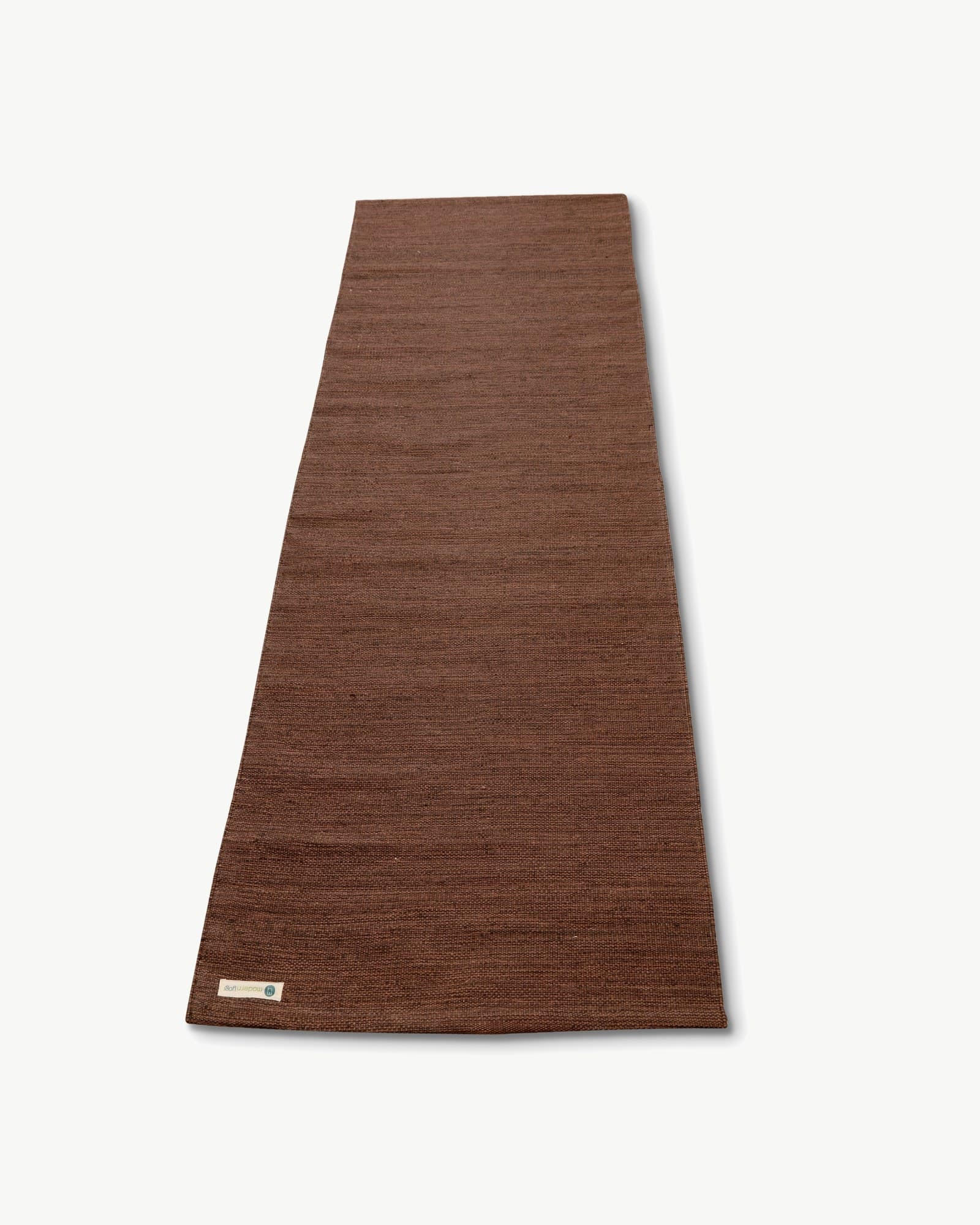
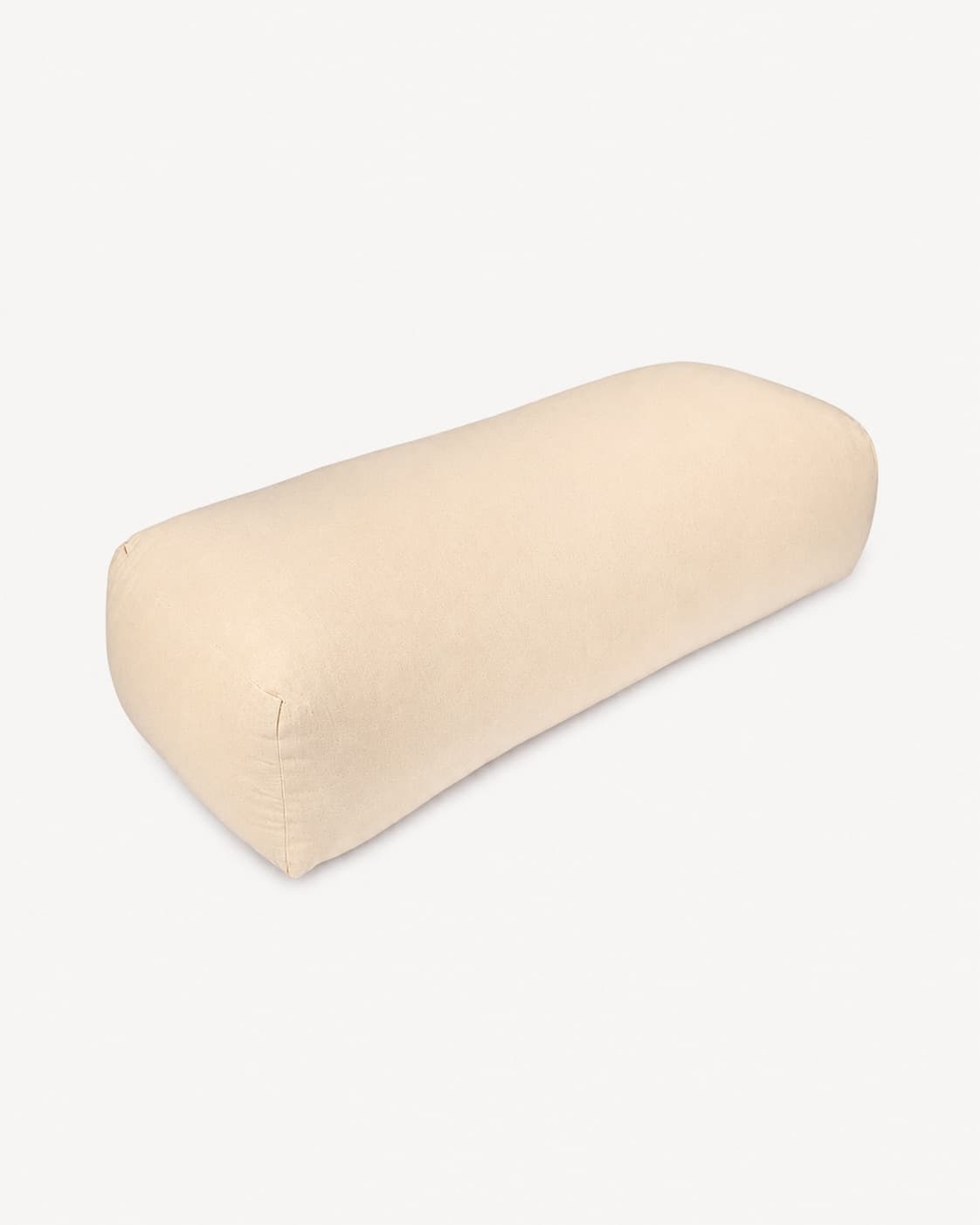
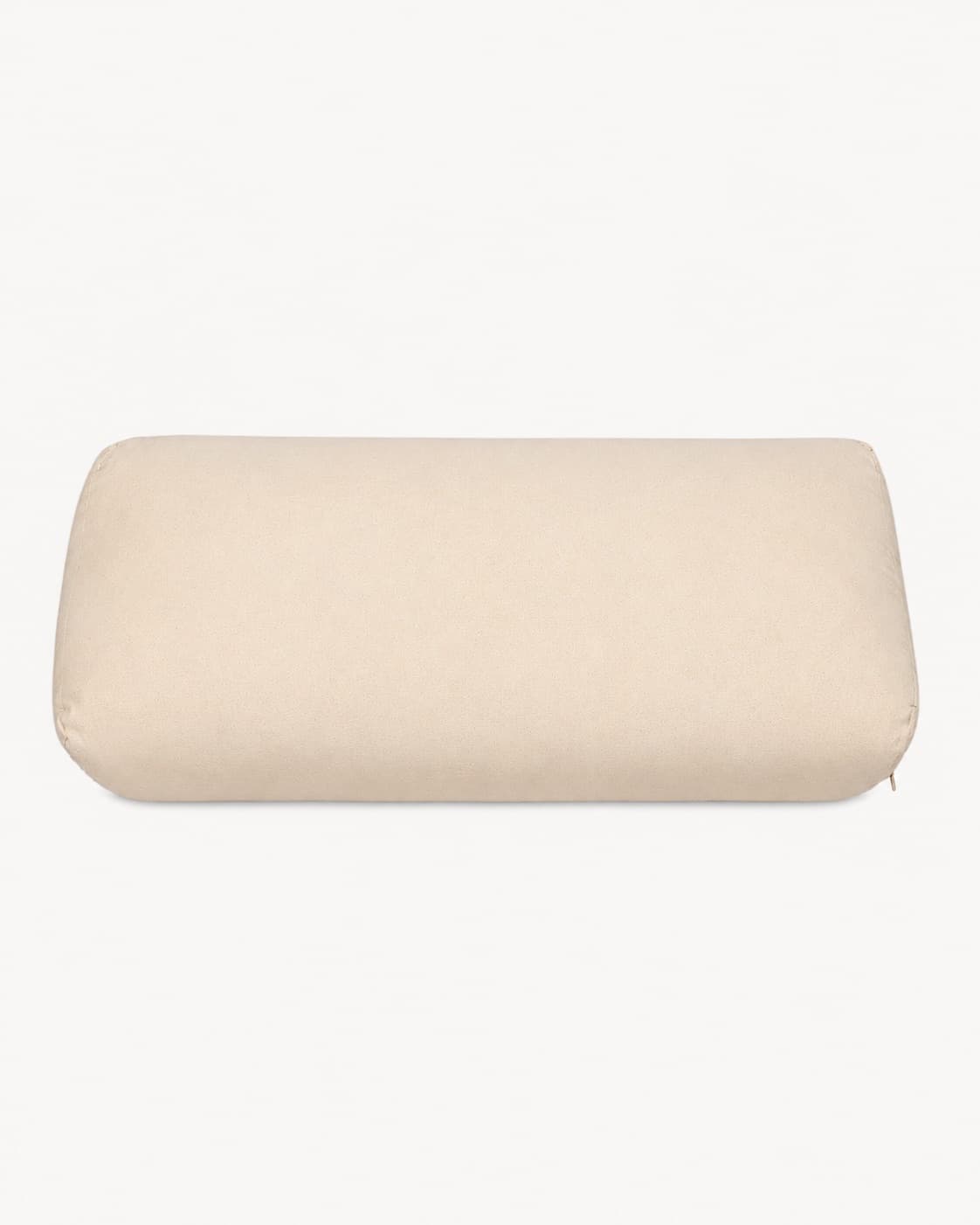
Two blankets, one or two blocks, a strap. Beside the mat, already folded. If you have to fetch a prop mid-practice, you will do the pose without it.
Cutting it to twenty
Drop one standing pose and one floor pose. Keep the settle, keep the spine warm-up, keep two sun salutations, keep Savasana.
Cutting it to fifteen
- Cat-cow, ten rounds.
- Two sun salutations.
- Warrior II, both sides, eight breaths.
- Low lunge, 90 seconds each side.
- Savasana, 3 minutes.
Still a practice. Still worth doing. Considerably better than nothing, and enormously better than the hour you did not do.
The point of memorising it
Once the sequence is in your body, the decision-making disappears. You step onto the mat and the practice runs itself, which removes the most common failure point in home practice — standing at minute four with no idea what comes next.
Give it two weeks. Write it on a card and keep it beside the mat until then.