


NotesGuides
Buying Props in Order
What to buy first, second and third, and what to wait two years for. Most people buy in exactly the wrong order.
Sommaire
What to buy first, second and third, and what to wait two years for. Most people buy in almost exactly the wrong order, usually because the expensive things are the ones that get photographed.
First: two blankets
Before a mat, if you are choosing.
A blanket is the only prop with a continuously adjustable height. Folded, it is anything from two to fifteen centimetres. Rolled, it is a bolster. It does more distinct jobs than any other object here:
- Under the sitting bones for every seated pose.
- Under the knees in Savasana.
- Under the head in every supine pose.
- Under the shoulders in shoulderstand — where nothing else will do.
- Under the knees in kneeling.
- Rolled along the spine as a chest opener.
- Over the body in Savasana.
Two, not one. Several of those uses need a pair, and shoulderstand needs two or three matched.
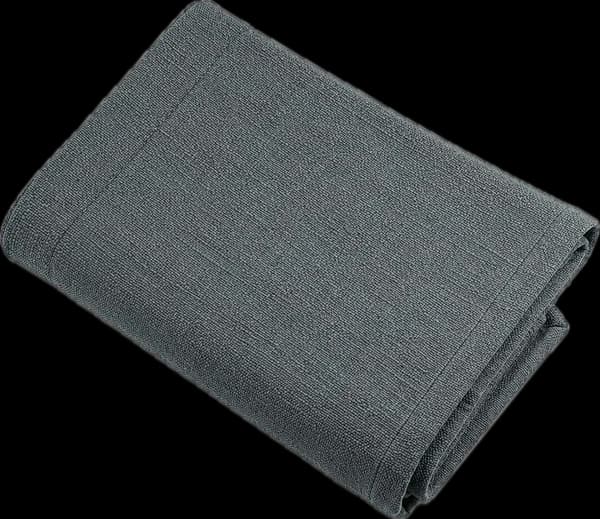
What to buy: dense cotton, twill or similar, roughly 200 × 150 cm, hemmed, no fringe, around 1.5 kg. Fleece and loose throws compress to nothing under weight and are useless as props.
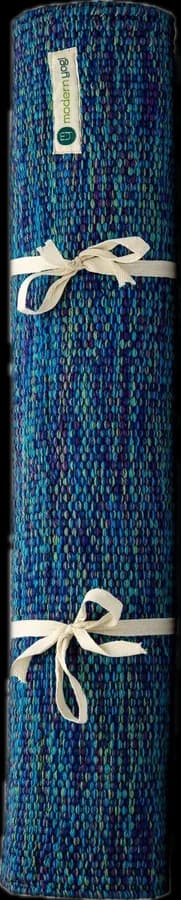
Second: a mat
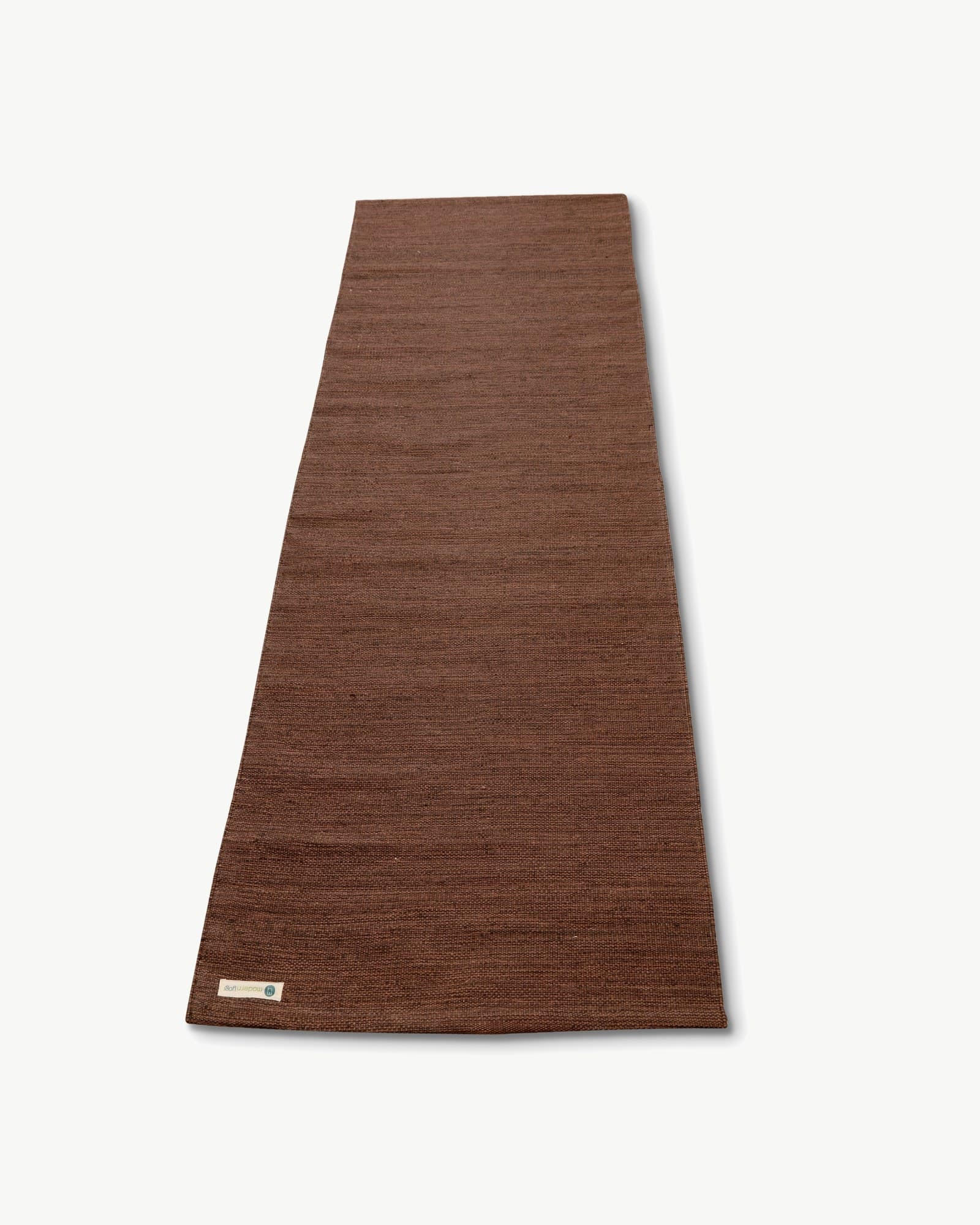
Yes, second. A blanket on a carpet is a workable surface for a first month; a mat with no blanket leaves you unable to sit or kneel comfortably.
That said, in practice most people buy a mat first and it is fine. Just do not stop there.
Decisions: floor first, then surface, then thickness, then size. Covered in its own note.
Third: a strap
Cheap, small, and it changes more poses than anything else at the price.
Seated forward folds, reclining hamstring work, shoulder openers, binds, and as a loop around the arms or thighs to stop things splaying.
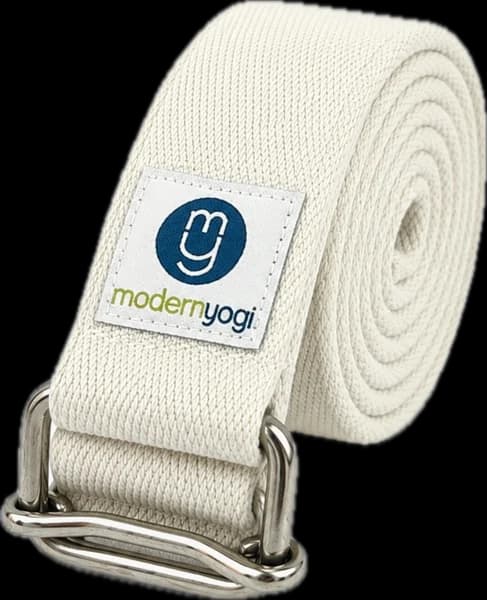
What to buy: 2.4 metres — eight feet — of cotton webbing, about 2.5 cm wide, with a flat metal slide or D-ring buckle. Cotton over nylon: nylon is slick and creeps through the buckle under load.
Fourth: two blocks
Two, not one. One block is half a set — most of the useful applications need a pair, and the ones that do not are the less important ones.
What to buy: cork. Dense, does not slip, does not compress under weight. Foam is fine under a head and poor under a hand in Half Moon.
Why fourth rather than first: blankets do a lot of what a block does, less precisely. But once you are doing standing poses seriously, the tall block under the lower hand in Triangle and Half Moon is not optional.
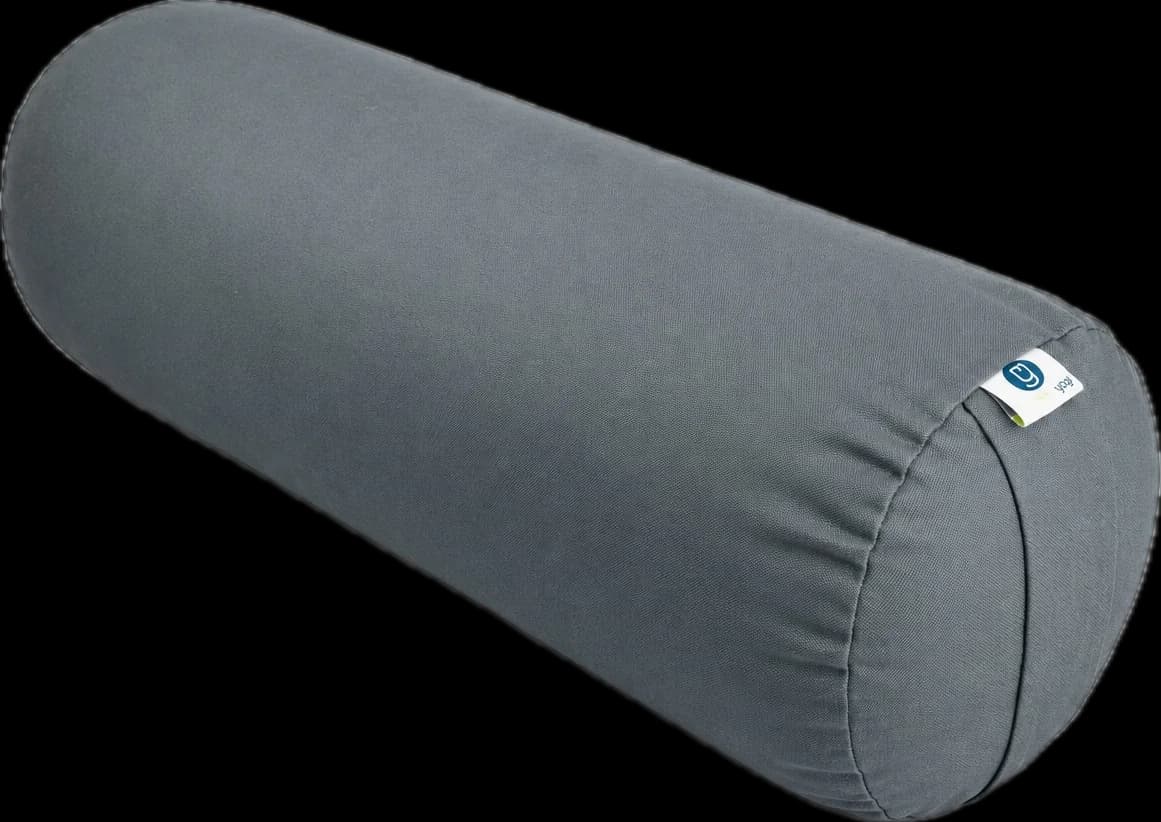
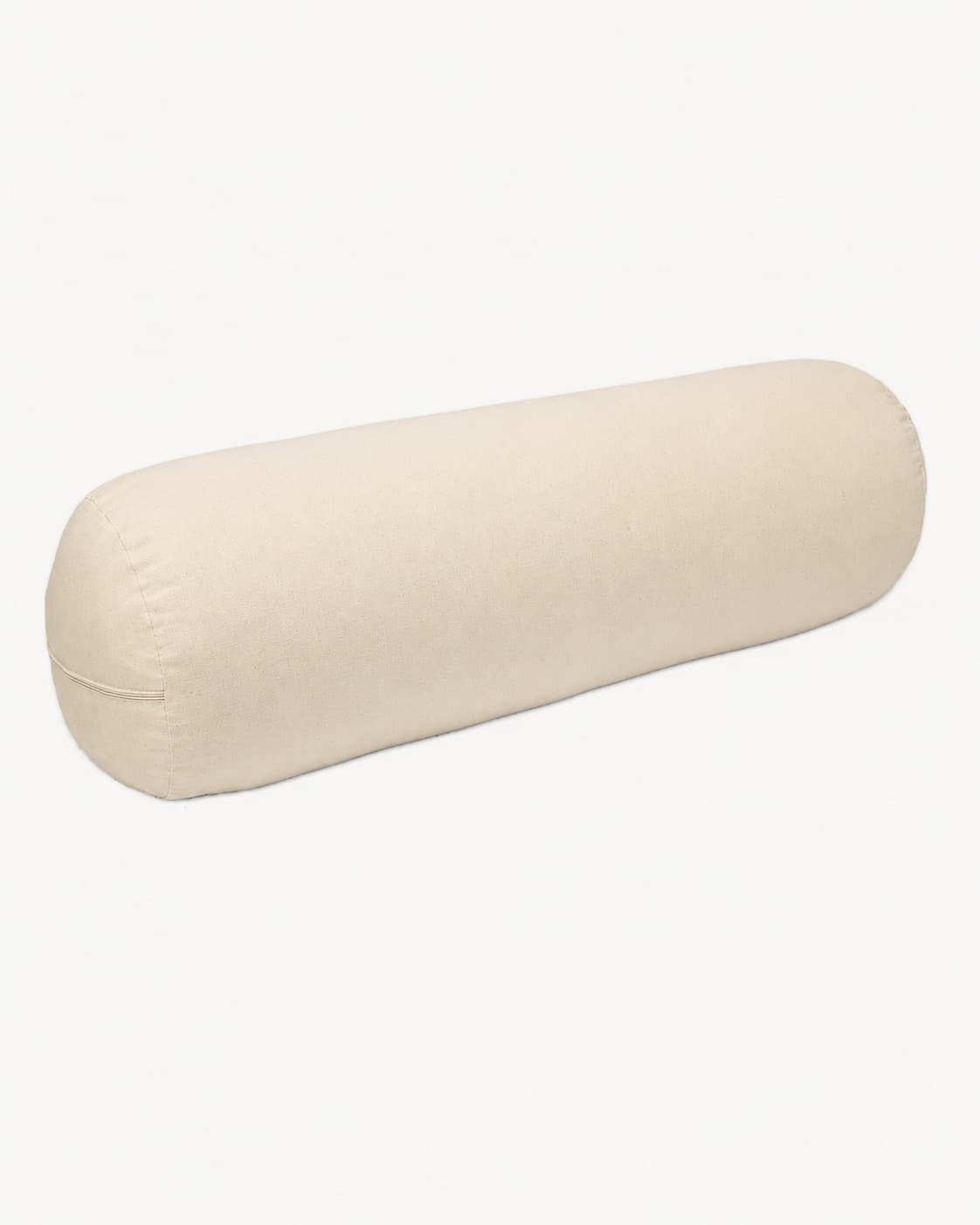
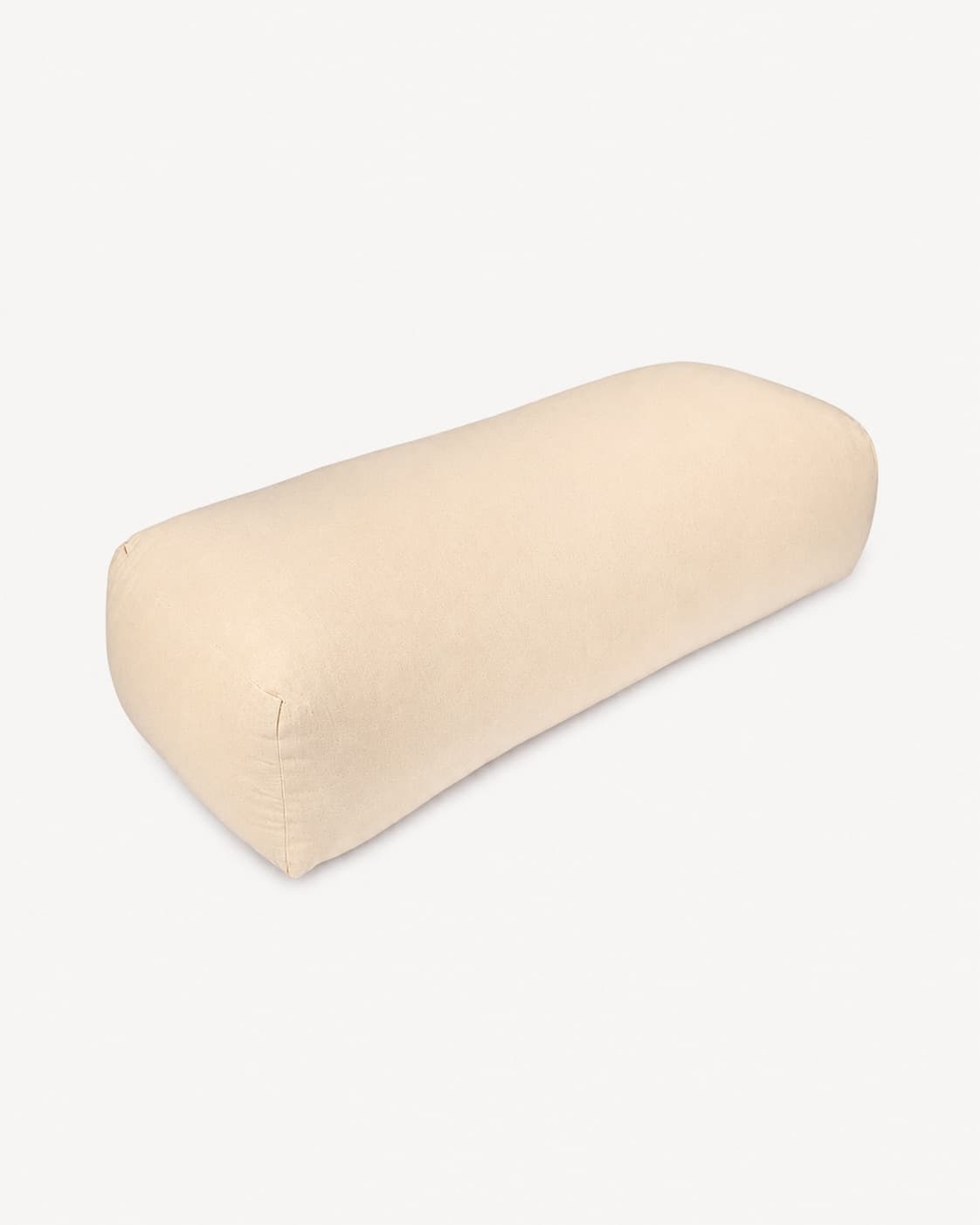
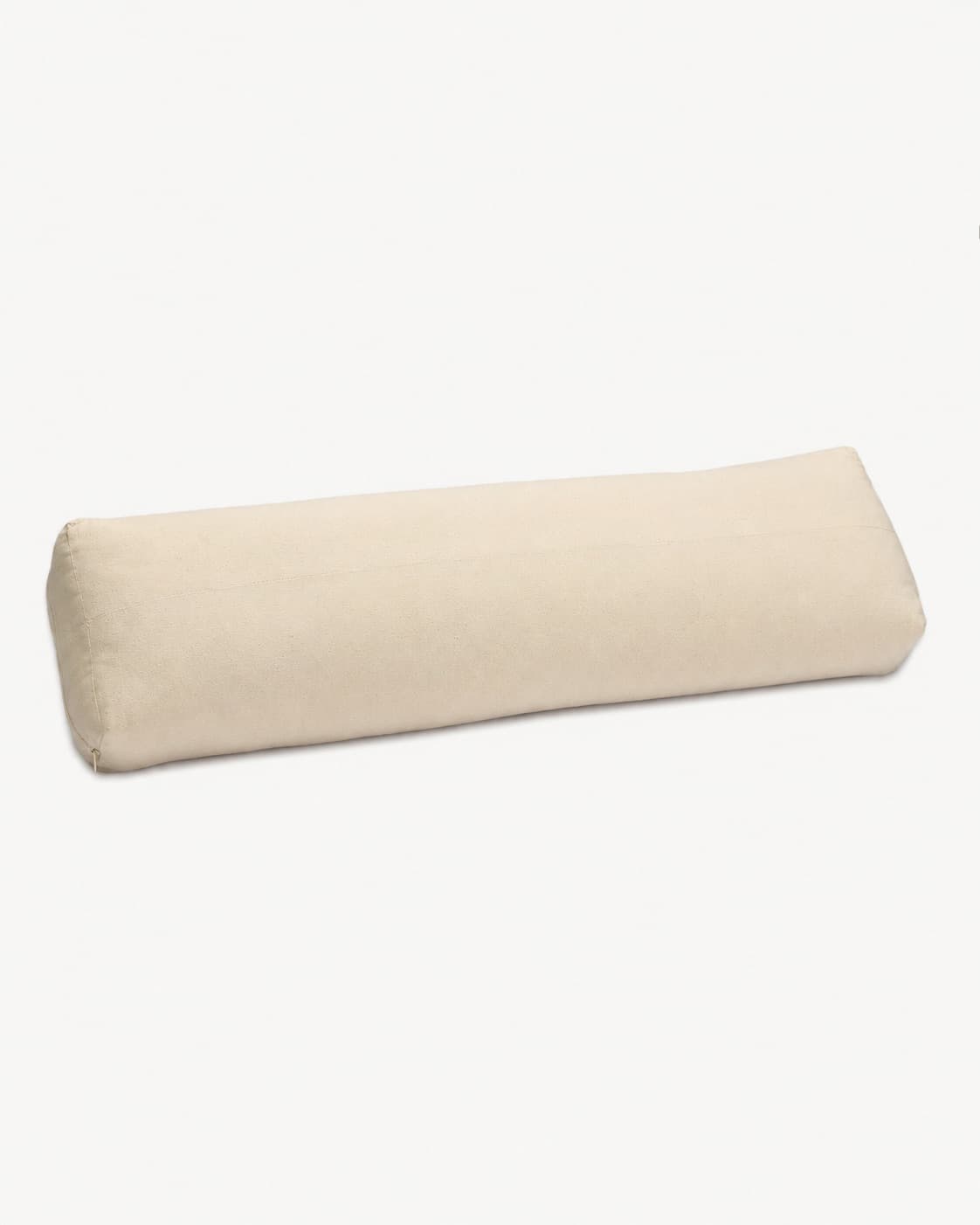
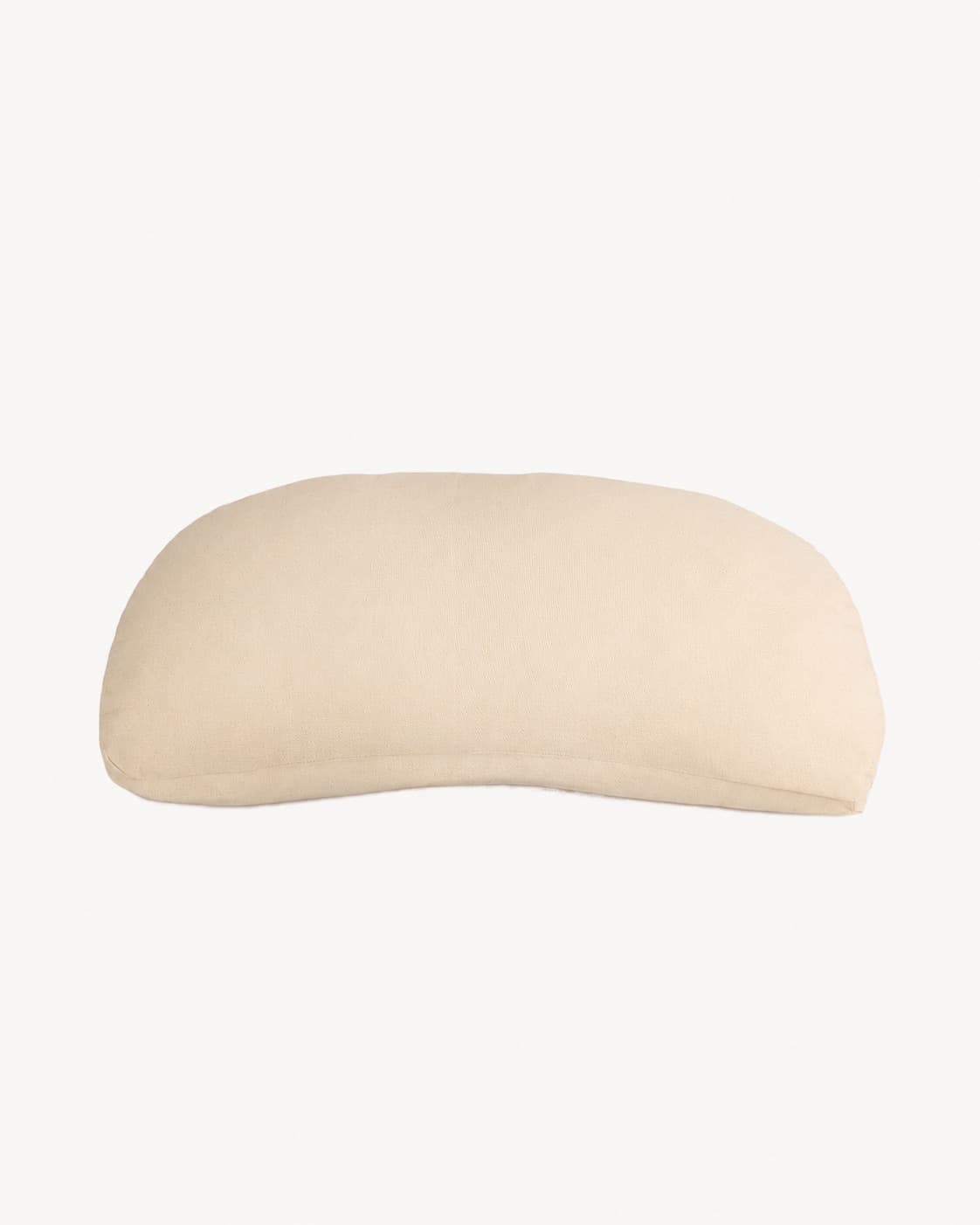
Fifth: a bolster
The first genuinely expensive item, and the first one that does something nothing else does.
Blankets rolled will approximate a bolster. Where they fall short is the case that matters: lying with your full weight on the support for five to ten minutes. Rolled blankets compress and shift, and you spend the pose adjusting instead of resting.
Buy one if: you do restorative work, you want supported backbends as a regular practice, or you have a desk job and the chest opener is going to be a daily thing.
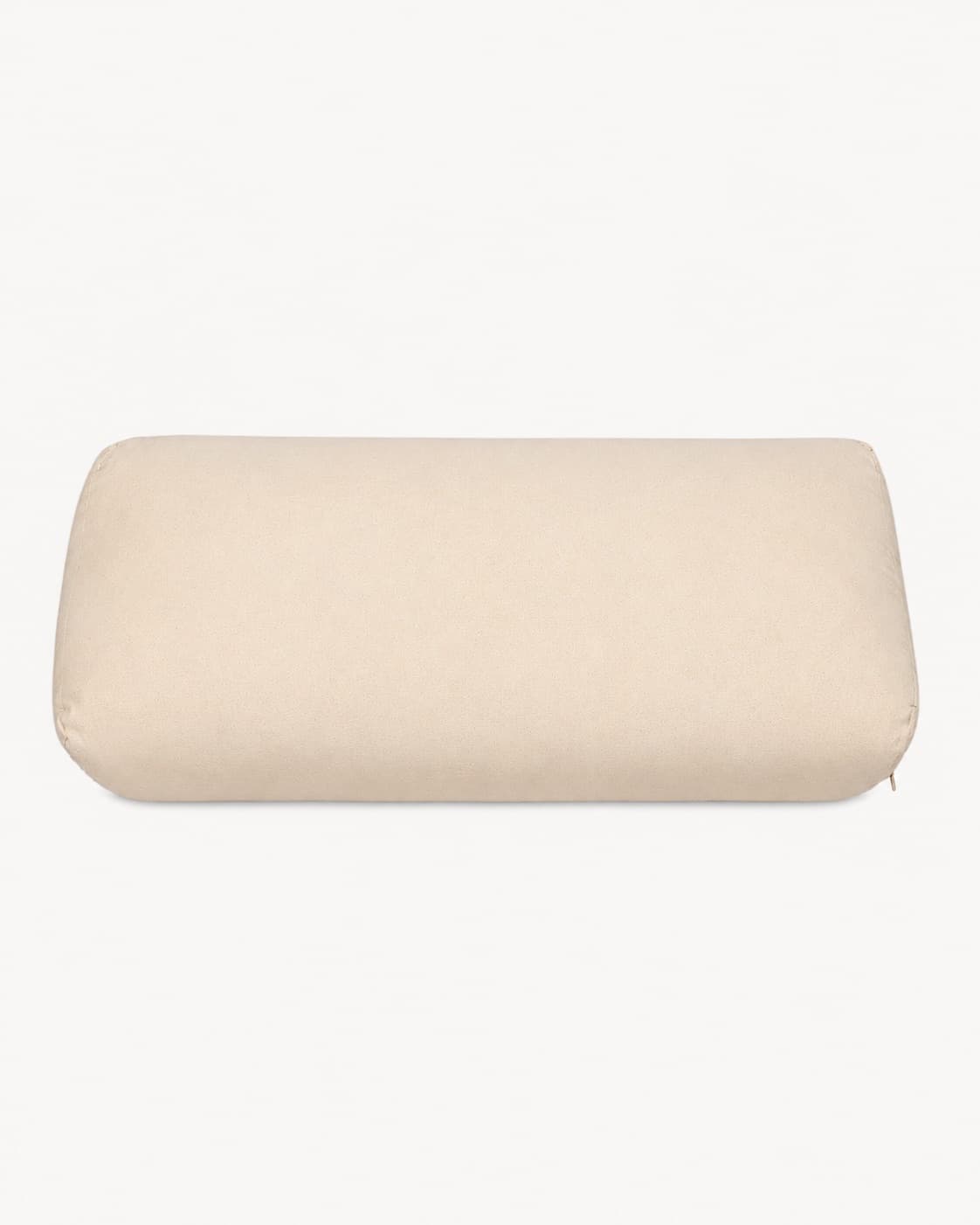
Which shape: rectangular, if you are buying one. Flat-based so it does not roll, broad enough to support a torso, and the most versatile of the shapes.
Firmness is the variable that matters more than shape. A bolster that compresses under your weight is not supporting you.
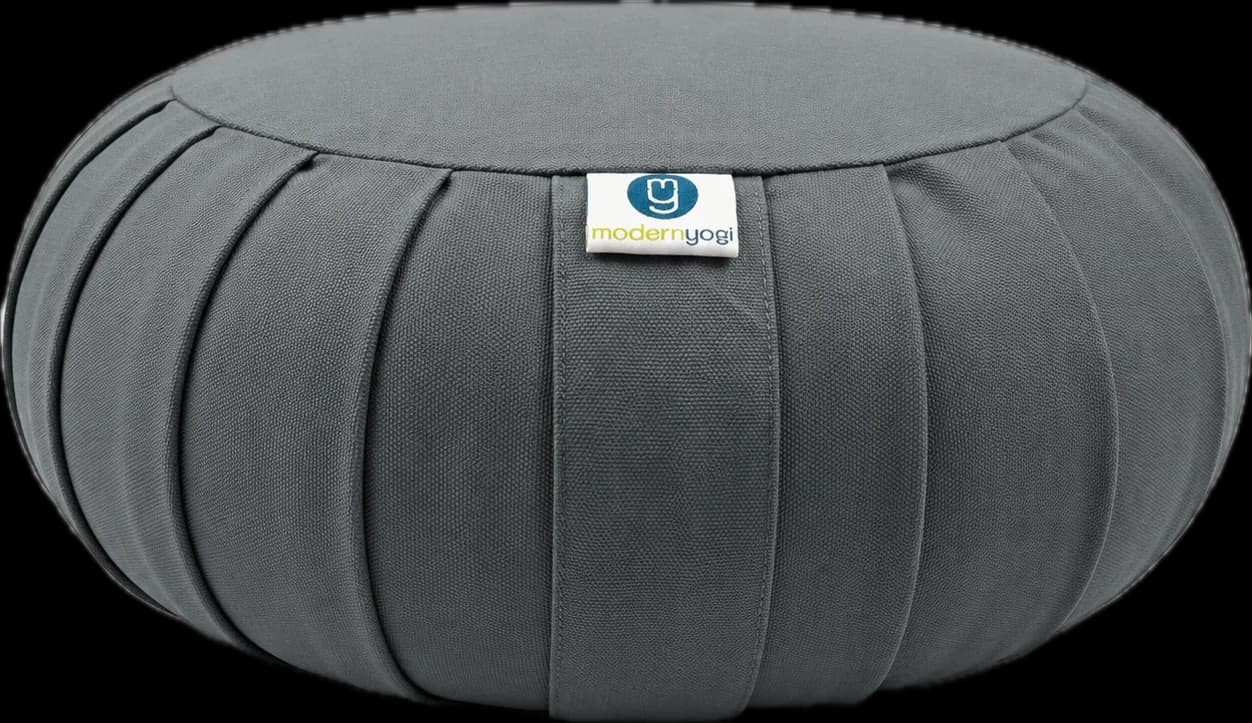
Sixth: a cushion, if you sit
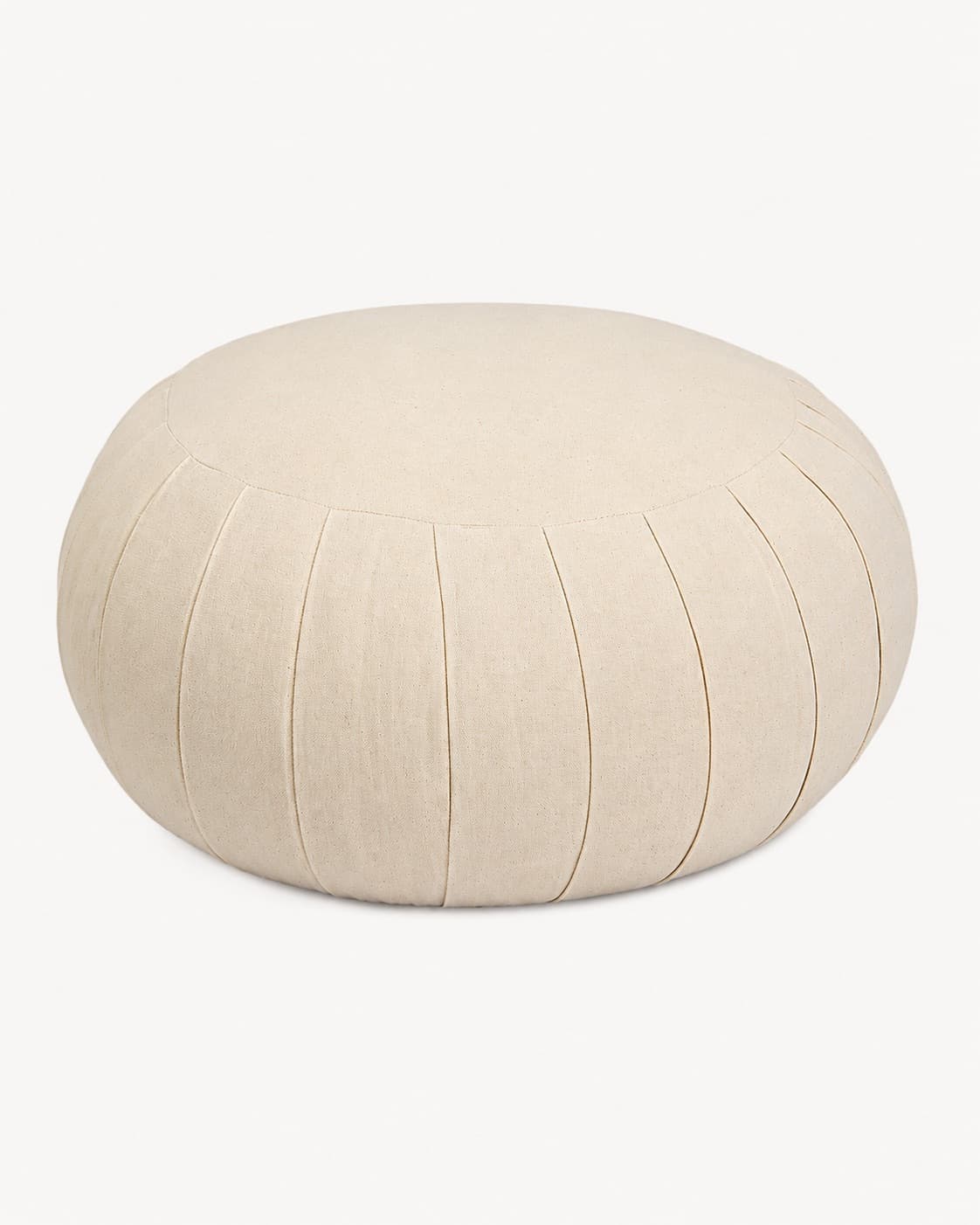
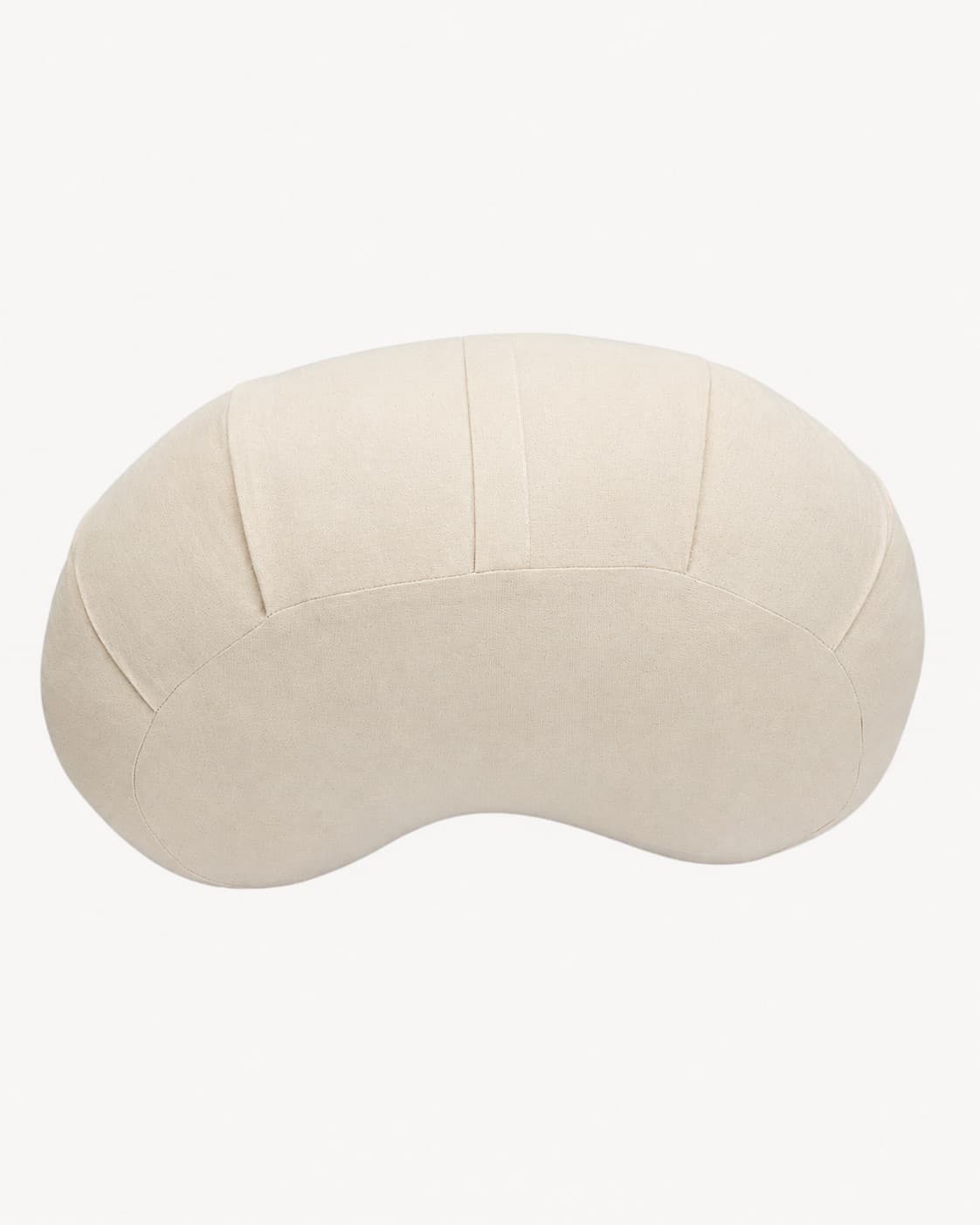
Only if seated practice is a regular part of what you do. Folded blankets will do it otherwise.
Measure the height you need first, with blankets, over a fortnight. Then buy at that height. Most people land between 12 and 20 cm.
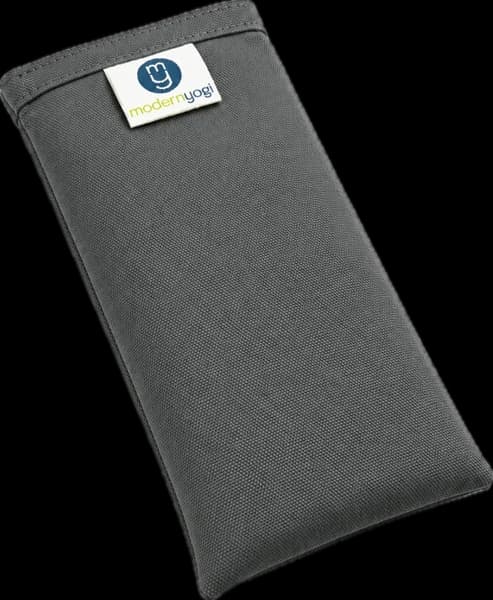
Firm. Kapok or buckwheat. Polyester fibre compresses to nothing within weeks.
Seventh: an eye pillow
Cheap, small, and disproportionately effective. Not urgent, and worth having.
What to look for: 200–350 grams, flaxseed fill, a washable cover, and enough size to cover the temples as well as the eyes.
What to wait for, or skip
A second mat. Useful eventually — one at home, one thin one for travel and as a topper — and not a first-year purchase.
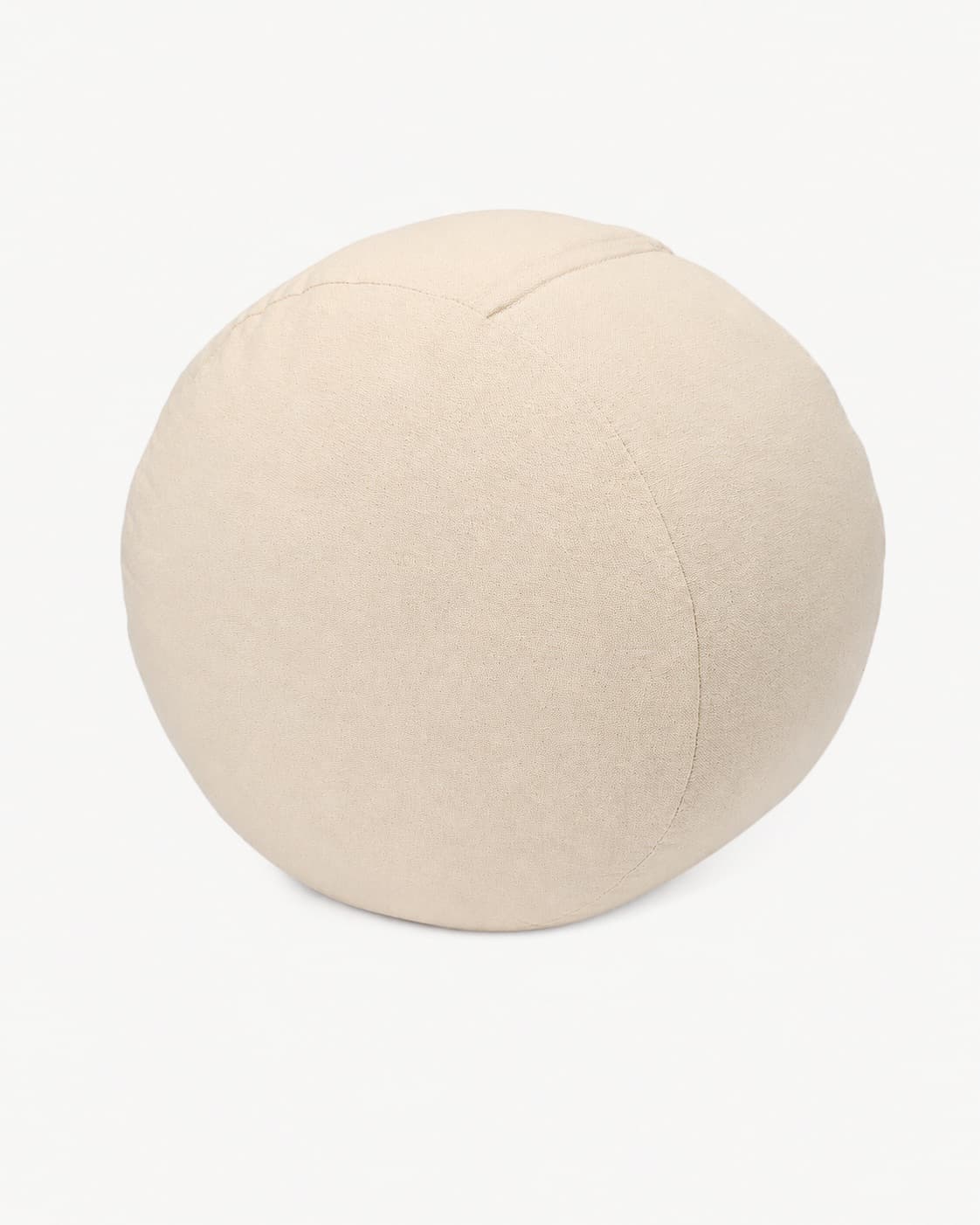
A yoga wheel. Does one thing, which a bolster mostly also does. Buy it in year three if you still want it.
A chair specifically for yoga. A dining chair works. Buy the specialised one only if you know you need it.
A meditation bench. Only if kneeling turns out to be your seat, which you will know after a few months of experimenting with blankets.
Sandbags, ropes, wall equipment. Iyengar-specific and not for a home practice starting out.
Anything branded as a "kit." They are usually assembled around price rather than usefulness, and they typically include one block, a thin foam mat, and a nylon strap — three compromises in one purchase.
Grip socks and gloves. Bare feet on a decent mat are better.
The total
The essential set: two blankets, a mat, a strap, two blocks. That covers ninety percent of everything in the whole repertoire.
The comfortable set: add a bolster, a cushion, an eye pillow.
Beyond that you are buying variations, not capability.
The principle
Buy the thing that unlocks poses, not the thing that looks like equipment.
A blanket is unglamorous and it makes seated practice possible, kneeling comfortable, shoulderstand safe, and Savasana restful. A yoga wheel is photogenic and it does one thing you can do over a bolster.
Buy in the order of how many poses each object makes available, and you will end up with a smaller collection that gets used.