


NotesGuides
Props for a Stiff Body
If you cannot reach the floor, the floor should come up. A complete propping strategy for a body at the stiff end of normal.
Sommaire
If you cannot reach the floor, the floor should come up. That is the entire strategy and everything below is an application of it.
This is written for a body at the stiff end of normal — someone who cannot sit comfortably cross-legged, whose hands are a long way from the floor in a forward fold, and who has been told to relax into shapes that are not available.
The principle
Every pose has a purpose, and the purpose is almost never "get your hand to the ground." The floor contact is incidental. When a body cannot reach, the standard response is to strain towards it, which rounds the spine, recruits the wrong muscles, and produces a pose that is doing something other than what it was meant to.
Raise the floor and the actual shape appears immediately — often on the first try.
The corollary that matters: using more support does not make a pose easier in any useful sense. It makes the pose available, which usually means you are working harder, because you are now doing the thing rather than approximating it.
Seated
Height, and more of it than you expect. The single highest-value change for a stiff body.
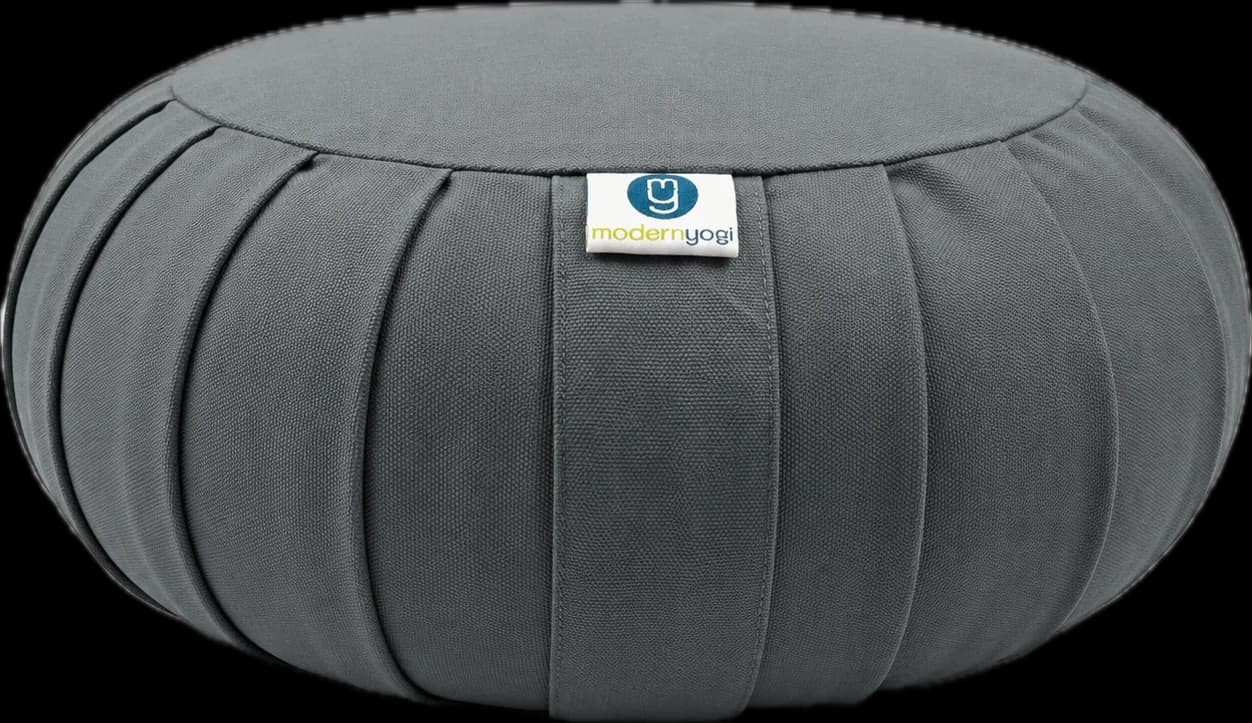
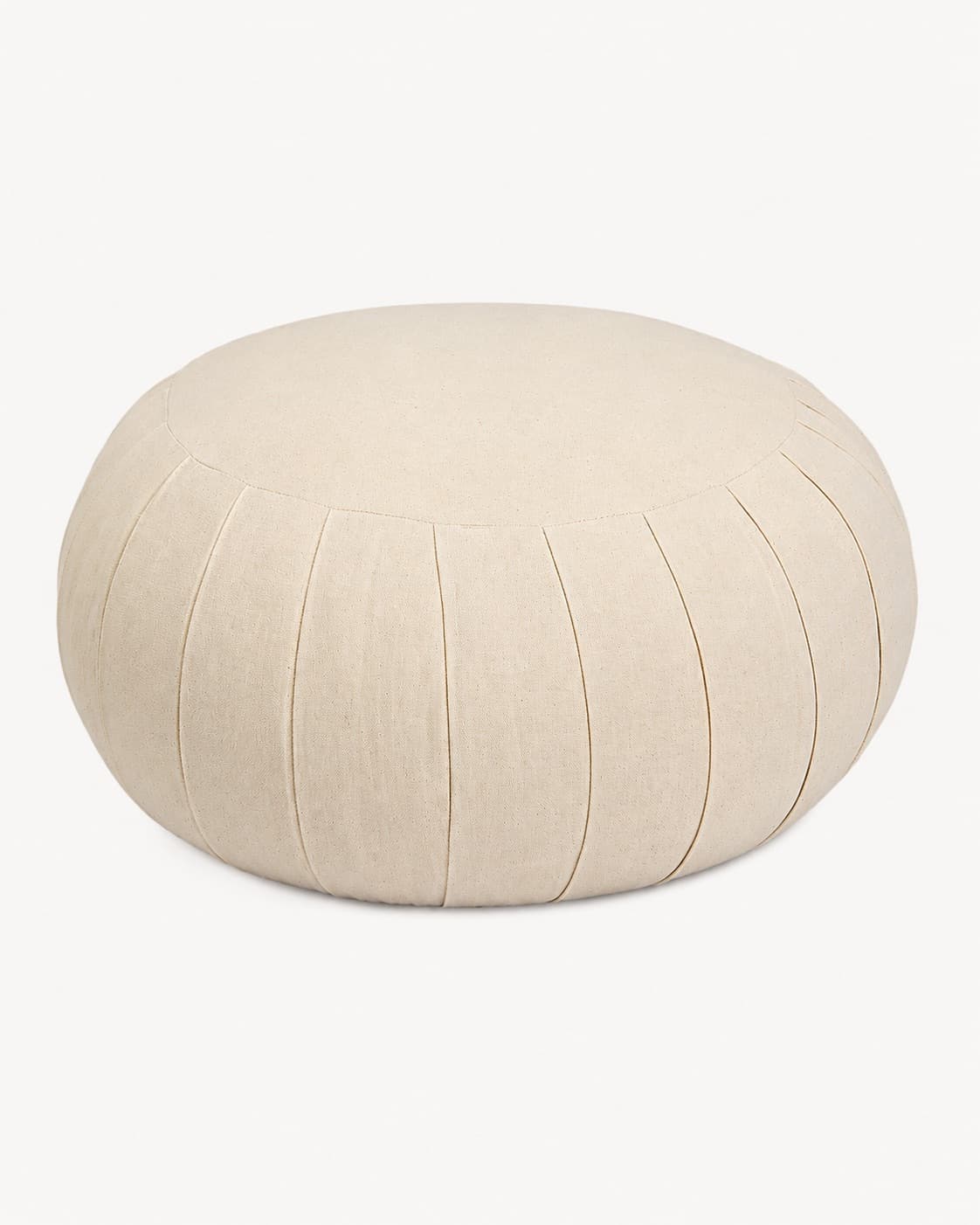
Sit on a firm cushion or folded blankets, on the front edge, so the thighs slope down. Start at 12–15 cm and go higher if the pelvis still rolls back. Some people need 20–25 cm.
Check: knees lower than hip joints, small inward curve in the lower back, weight on the sitting bones and not the tailbone.
Support the knees. A folded blanket or block under each outer thigh, touching the leg. Without it the inner thighs hold the legs up and cannot release.
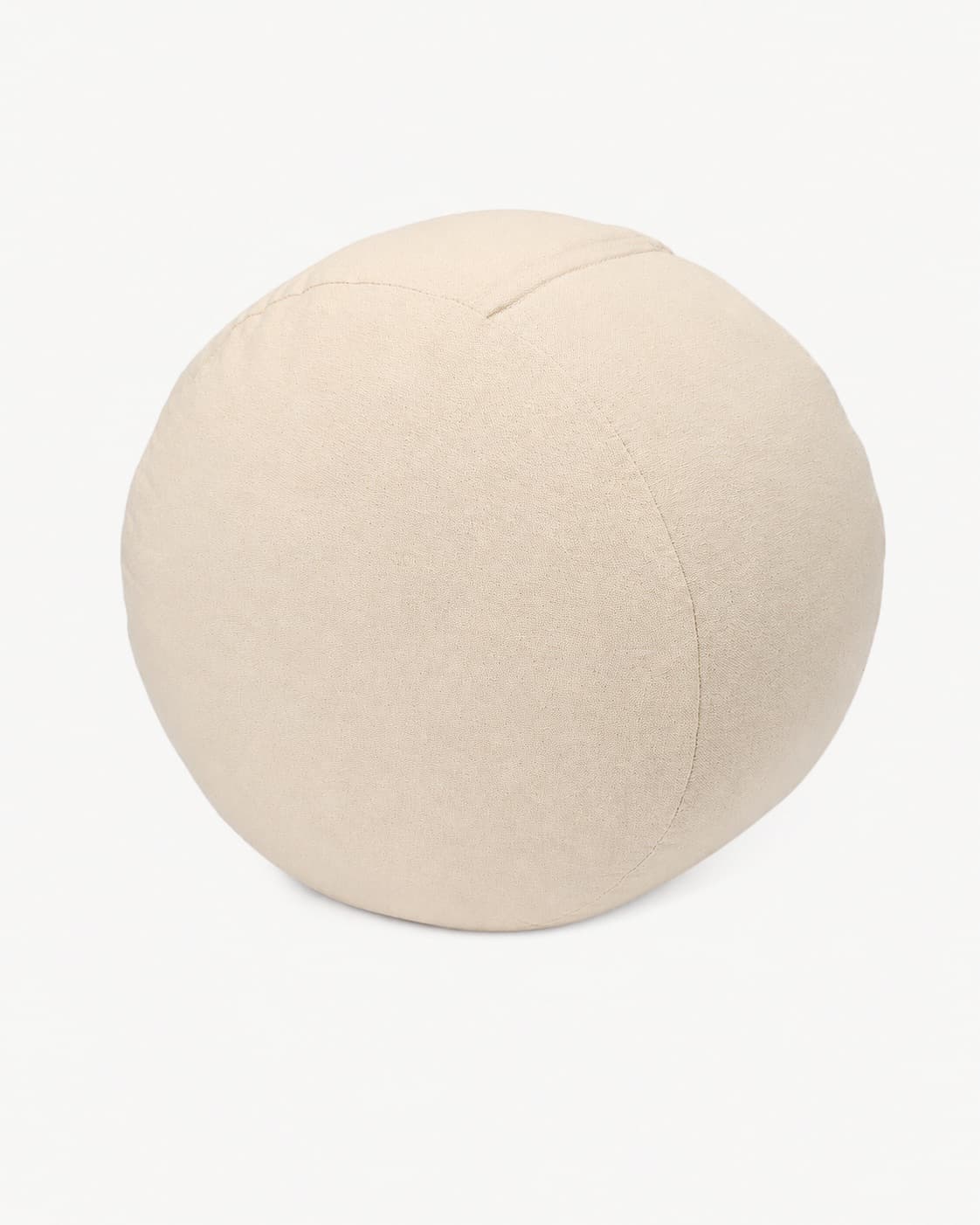
Or kneel. A cushion or block turned on its side, straddled. Takes hip rotation out of the equation entirely, which is often the actual limit.
Or a chair. No loss of practice quality whatsoever.
Standing forward folds
Two blocks at the tallest height, one under each hand, at the front of the mat. Or hands on the seat of a chair. Or hands on a wall at hip height.
Bend the knees, substantially. A forward fold with bent knees and a long spine is the pose. A forward fold with straight legs and a rounded back is a different, worse thing.
The measure of progress is not how far down you go. It is the height of the block you need with a straight spine.
Triangle, Half Moon, Side Angle
Block under the lower hand, tallest setting, outside the front foot.
Or, for Side Angle, forearm on the thigh rather than hand to floor. Or hand on a chair seat.
Why: these poses are about the length of the side body and the rotation of the chest. Reaching for the floor collapses both. Raise the hand and the pose appears.
Expect to use the tall block for years, and possibly always. It is not a stage to pass through.
Seated forward folds
Sit high — 10–15 cm — and bend the knees generously, thirty or forty degrees at first.
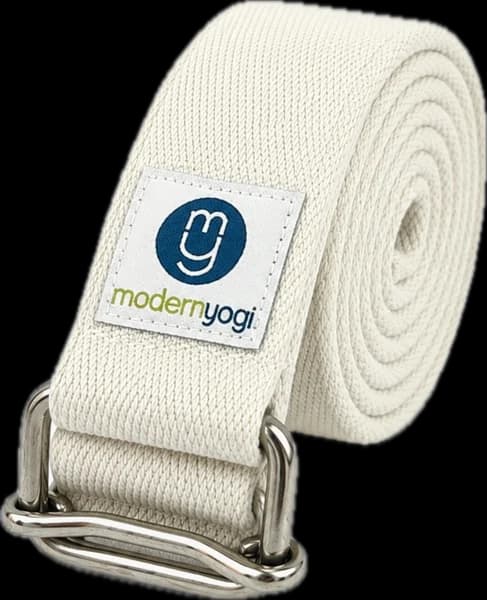
Strap around the feet, held with bent elbows and dropped shoulders. Do not pull.
A bolster or stacked blankets across the thighs to rest the torso and head on. Somewhere to put the head means the neck stops working and you can hold it for three minutes.
Better still: do the reclining version instead. Lie on your back, strap around one foot, leg towards the ceiling. The floor holds your pelvis, nothing can cheat, and it produces more change than the seated version.
Hip work
Skip pigeon. For a stiff body it loads the knee and tips the pelvis, and it is the wrong tool.
Use the supine figure-four instead. On your back, ankle across the opposite knee, draw the bottom thigh towards you. Precise control of intensity, no knee load, holdable for five minutes.
Reclining bound angle, supported: on your back, soles together, and a block or folded blanket under each outer thigh so the legs are genuinely resting. Add a bolster along the spine. Five to ten minutes.
Low lunge with the back knee on a blanket and hands on blocks either side of the front foot.
Backbends
Do them supported and passive, not active, until the mid-back has some extension.
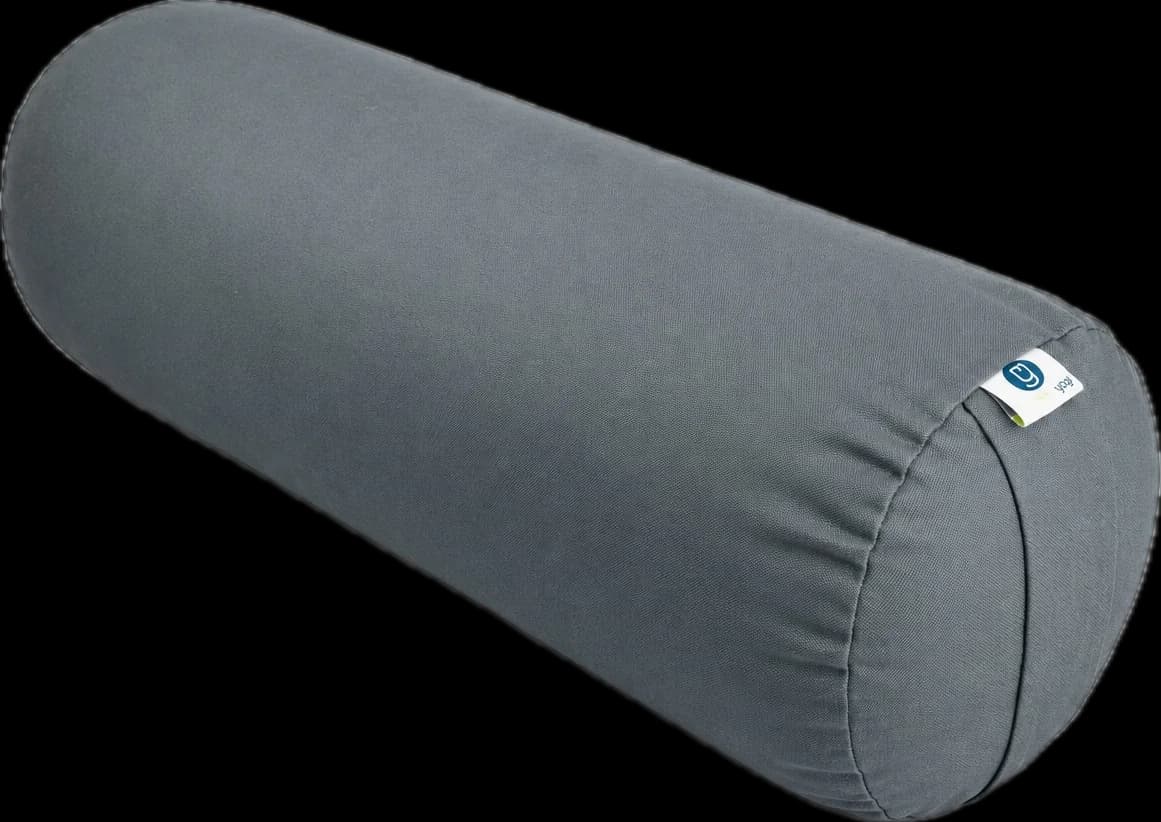
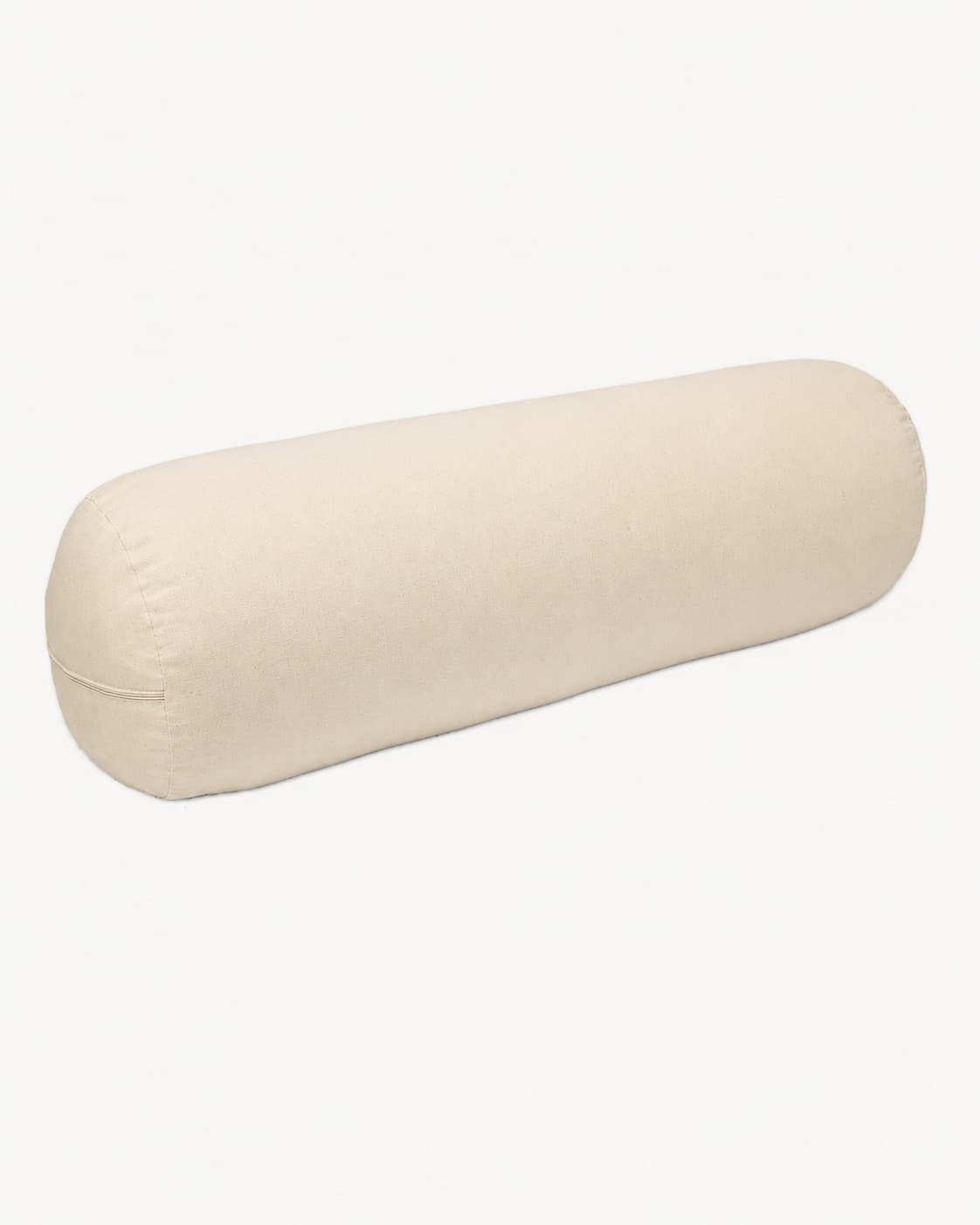
Rolled blanket lengthwise along the spine, head supported, arms open. Five minutes daily. This is the most effective single item in this whole piece for a stiff body.
Supported bridge with a block under the sacrum, lowest height.
Sphinx rather than Cobra. Forearms down, and the arms cannot cheat.
Twists
Sit high. A twist from a backward-tipped pelvis has nowhere to go.
Supine twists over a bolster — knees resting on a bolster rather than hanging — so the pelvis stays put and the muscles can release.
Downward Dog
Bend the knees. A lot. The pose is about the spine and the shoulders; the legs are incidental and straightening them before the spine can accommodate it ruins the shape.
Or do it at a wall, hands at hip height, body in an L. All the shoulder work, none of the hamstring requirement.
Kneeling and floor work
Blanket under the knees, always.
Rolled blanket under the ankles if the tops of the feet do not go flat.
Blanket under the hips in child's pose if the buttocks do not reach the heels, and a bolster under the chest.
Savasana
Roll under the knees — essential for a stiff lower back.
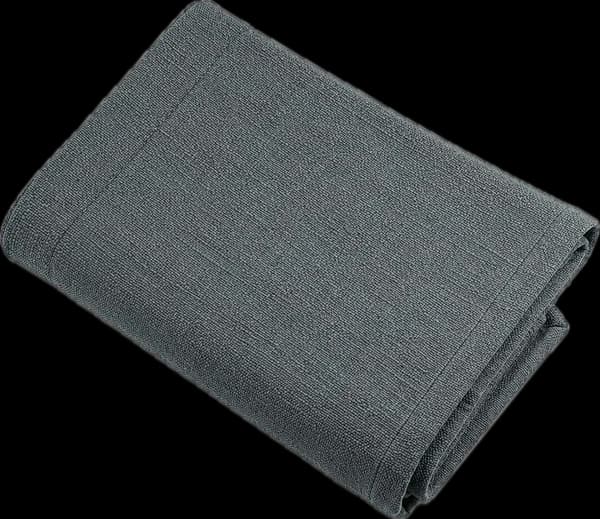
Folded blanket under the head.
Blanket over the body.
The kit
If you are buying for a stiff body, in order:
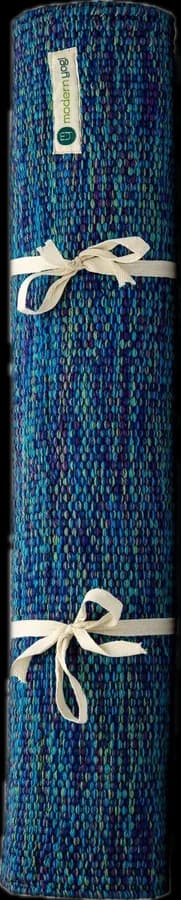
- Two blankets. The most versatile object here, and the one that does the most jobs.
- Two blocks, cork. Tall, and two rather than one.
- A strap. 2.4 m, cotton.
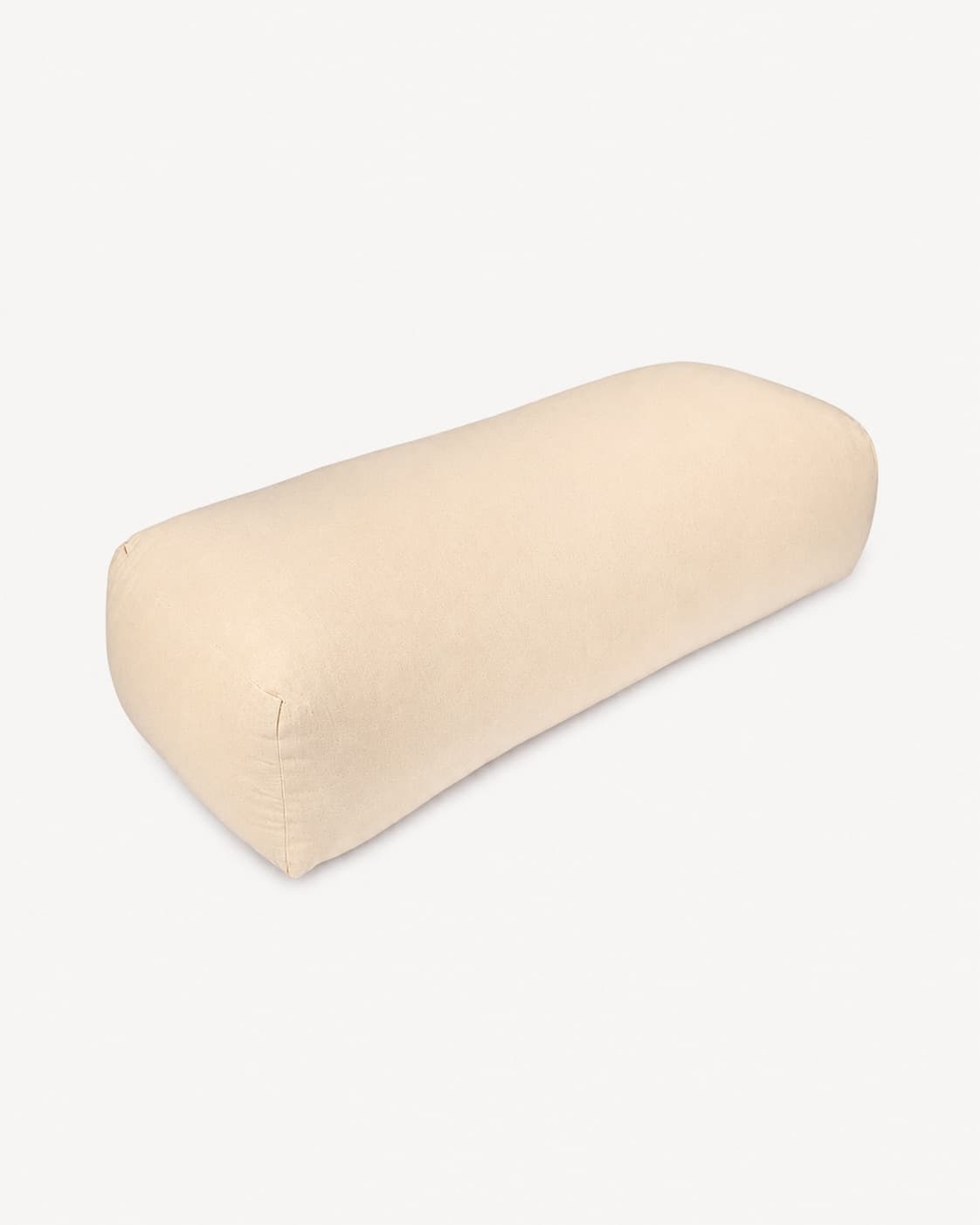
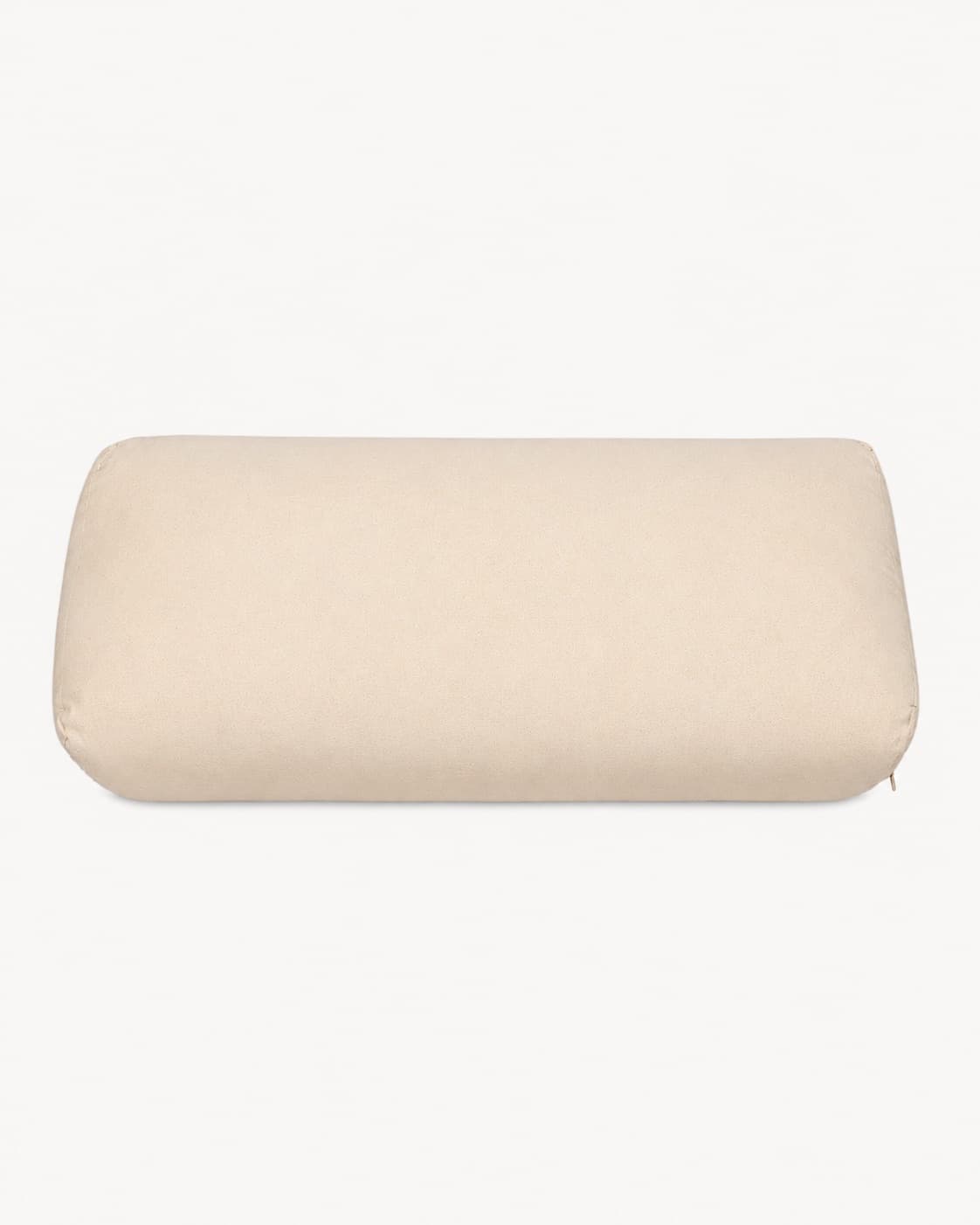
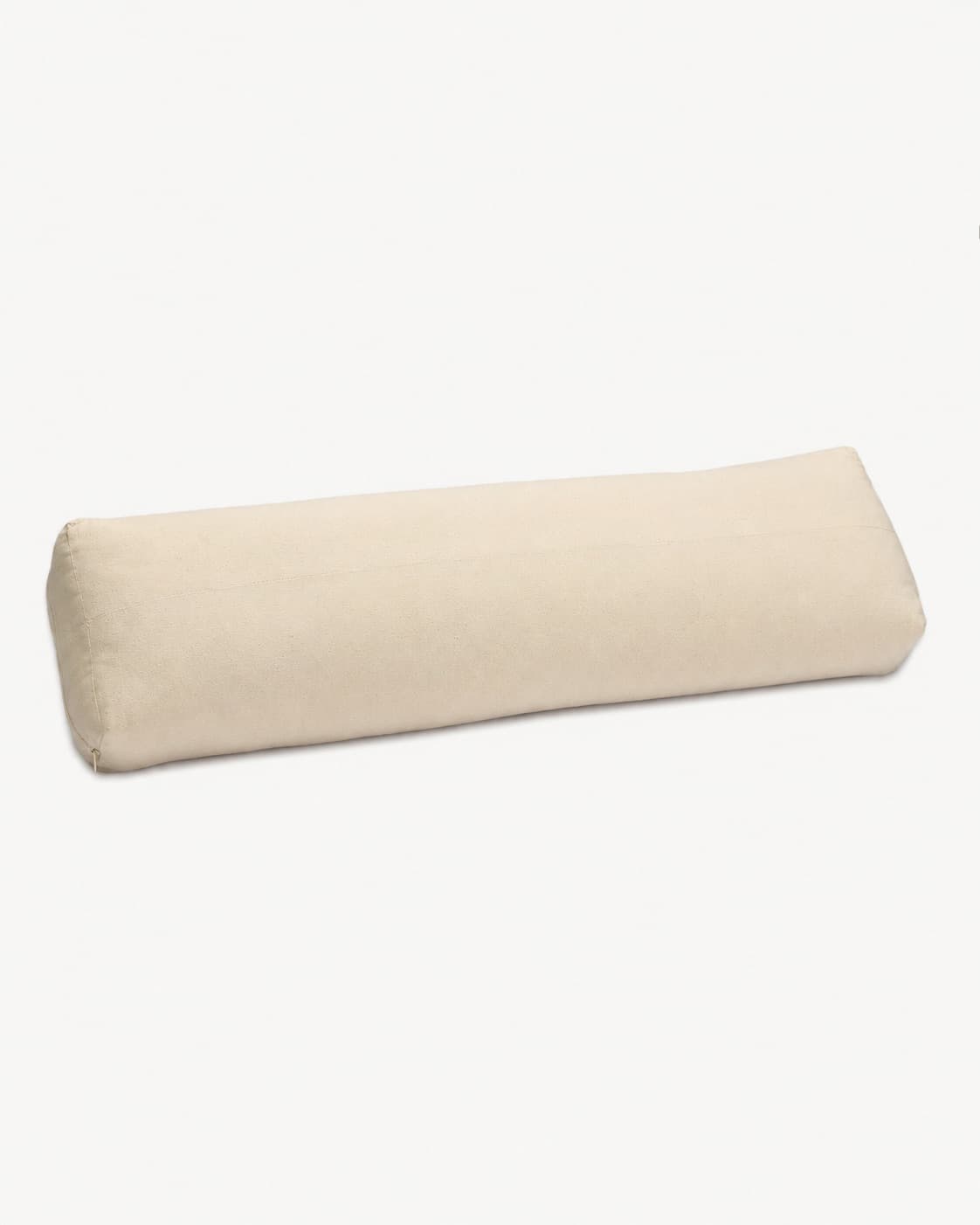
- A bolster. Rectangular, firm.
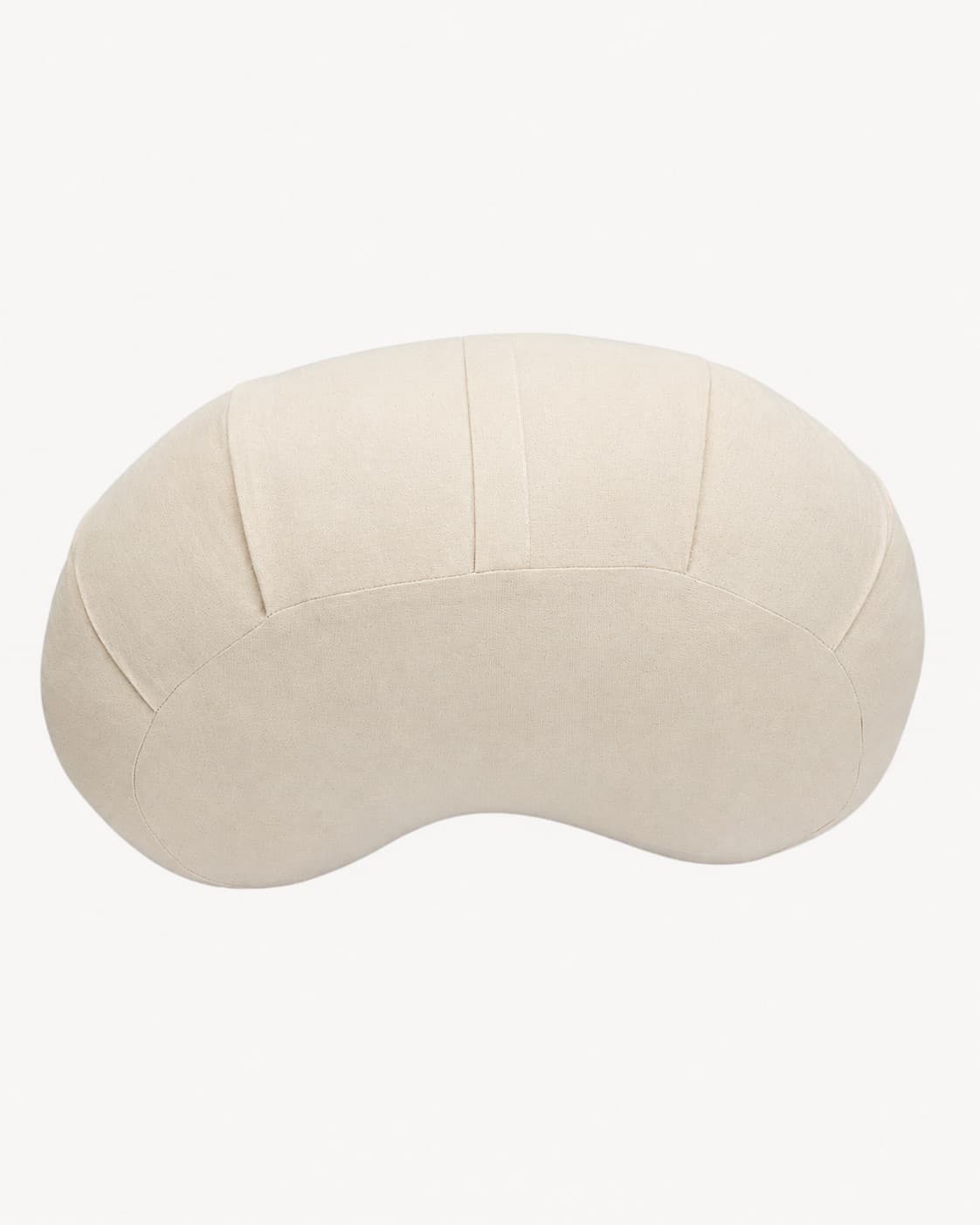
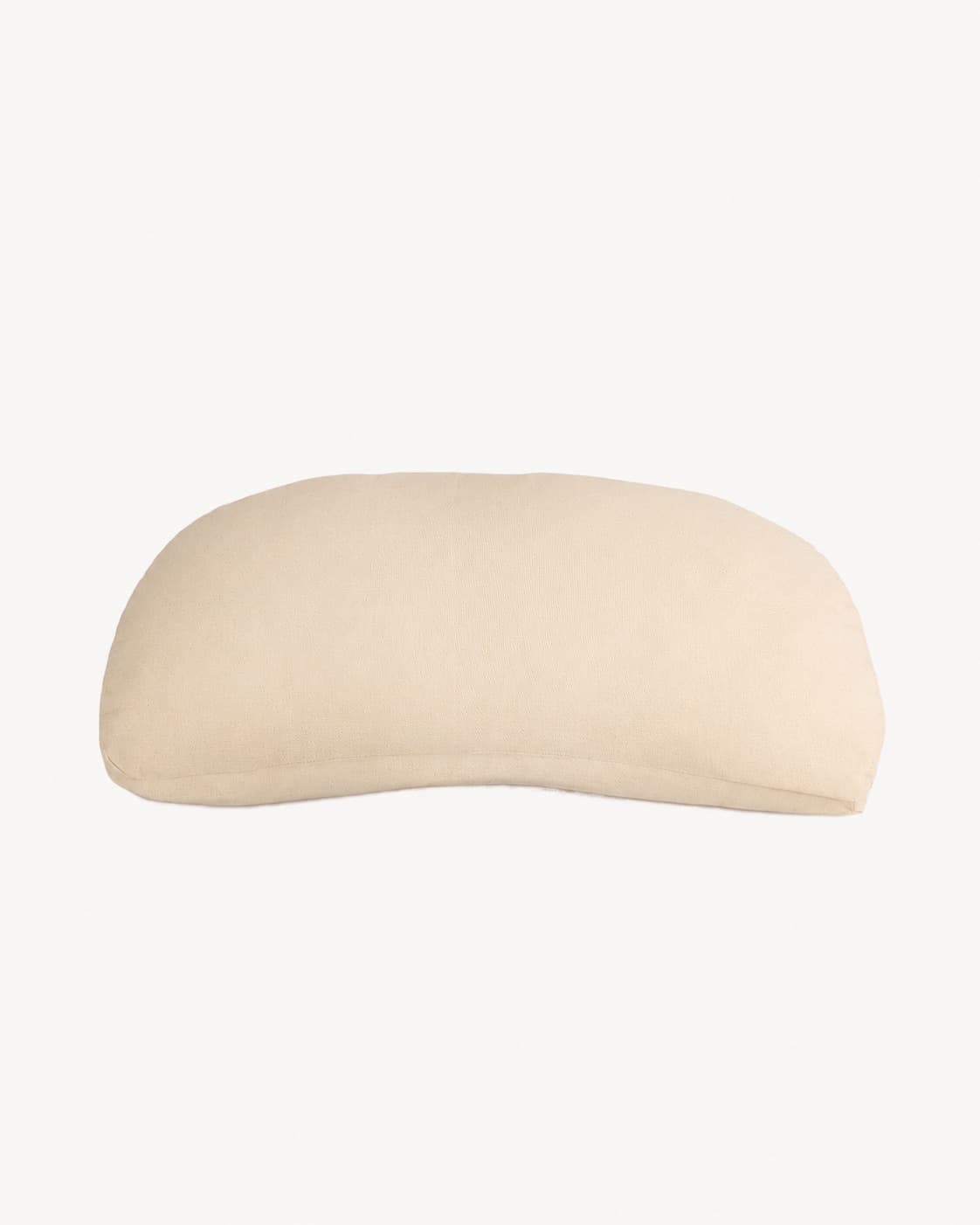
- A firm cushion if you sit.
That covers everything above.
What to expect
Immediately: poses that were not working start working. Not a smaller version — the actual pose.
Three to six months: the block comes down a height. The seat comes down a fold. These are the real measurements.
A year or two: several props come out of several poses, and others stay in permanently, which is fine and normal.
The props are not a stage you pass through on the way to a real practice. Some of them are simply the right way for your body to do the pose, and the most experienced practitioners use more equipment than the least, not less.