


NotesPractice
Supported Backbends
The most useful thing a bolster does. Three setups by height, what each opens, and how to come out without straining the lower back.
Sommaire
The single most useful thing a bolster does, and the shape that most directly counteracts how people spend their days.
What a supported backbend is
A passive extension of the spine, held for minutes, in which the body's weight rests entirely on a support. No muscular effort. The height of the support sets the intensity.
The distinction from an active backbend matters. Camel, Wheel and Cobra are strength poses — the back muscles are working. A supported backbend is the opposite: the back muscles are switched off entirely, and the shape is produced by gravity and the prop.
Both are worth doing. They do different things, and only the supported version can be held for five minutes.
Why it matters
Sitting rounds the mid-back, shortens the front of the chest, and restricts the ribs. That is eight hours a day for most people, five days a week, for decades.
The extension available in the thoracic spine is the first thing lost and the last thing anybody works on, because it is not visible and it does not hurt until it does. A supported backbend restores it passively, without requiring strength you may not have and without loading anything.
It also opens the ribcage, which changes the breath. Most people notice a fuller, easier breath within two minutes of lying over a support, and that alone is worth the setup.
Three setups, by height
Start with the lowest and stay there for weeks. Height is intensity, and the strong version done too early produces a sore lower back.
Low: rolled blanket lengthwise
Roll a blanket into a firm cylinder about eight to ten centimetres across. Lie on it so it runs along the length of your spine, from the tailbone to the base of the skull. The head must be supported by the roll — if it is not, add a folded blanket for the head.
Arms open to the sides, palms up. Legs straight, or knees bent with the soles of the feet together and blocks under the outer thighs.
Five to ten minutes. The mildest version, safe for essentially everyone, and the one to do daily.
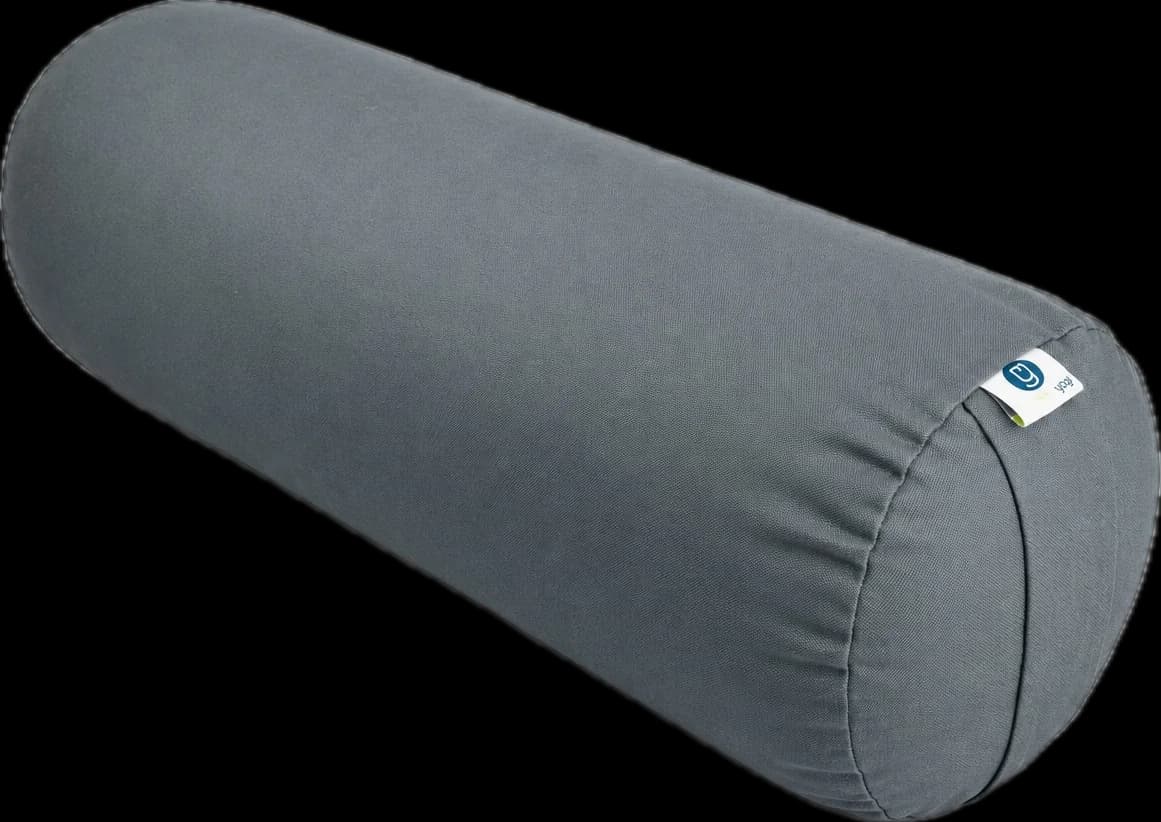
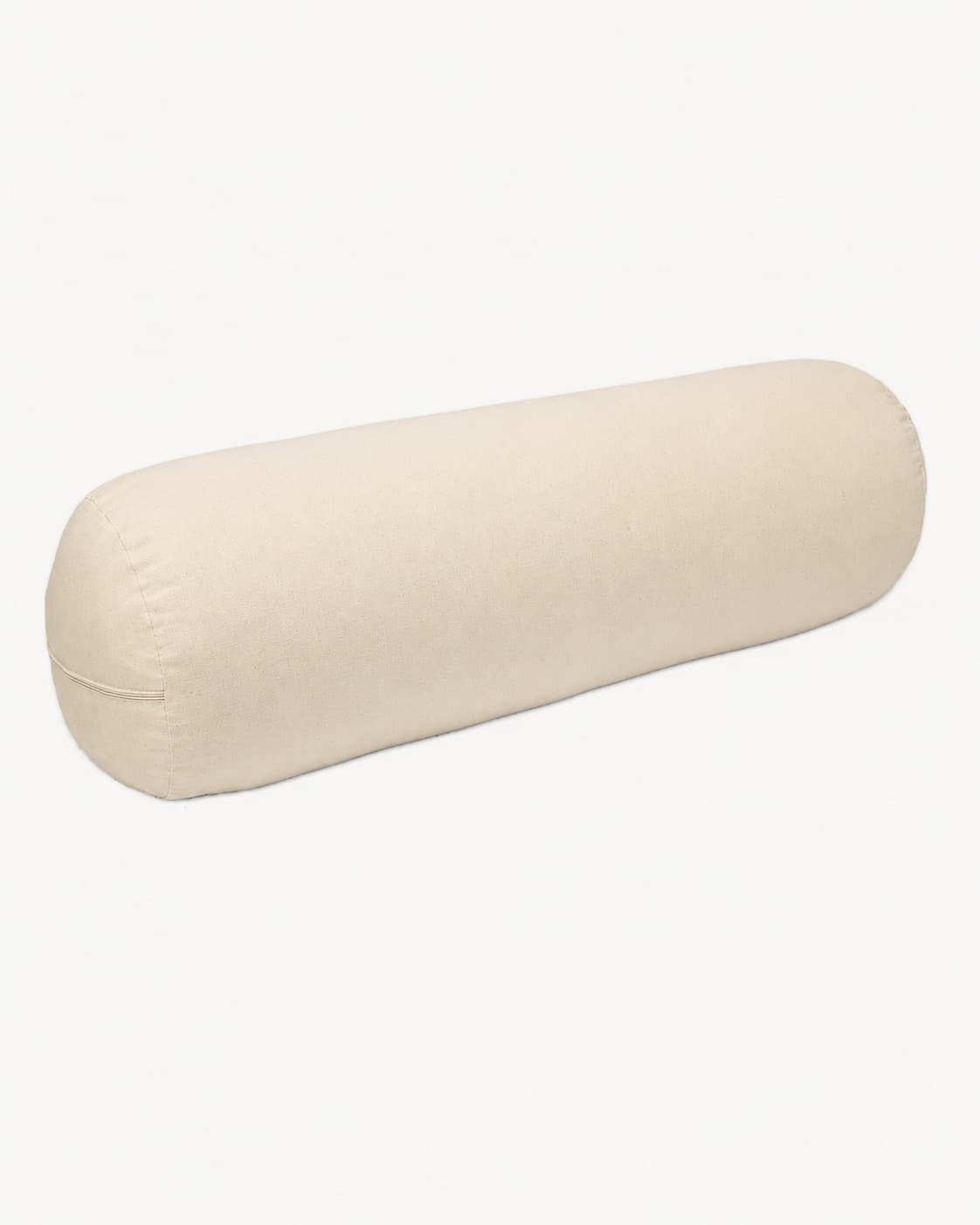
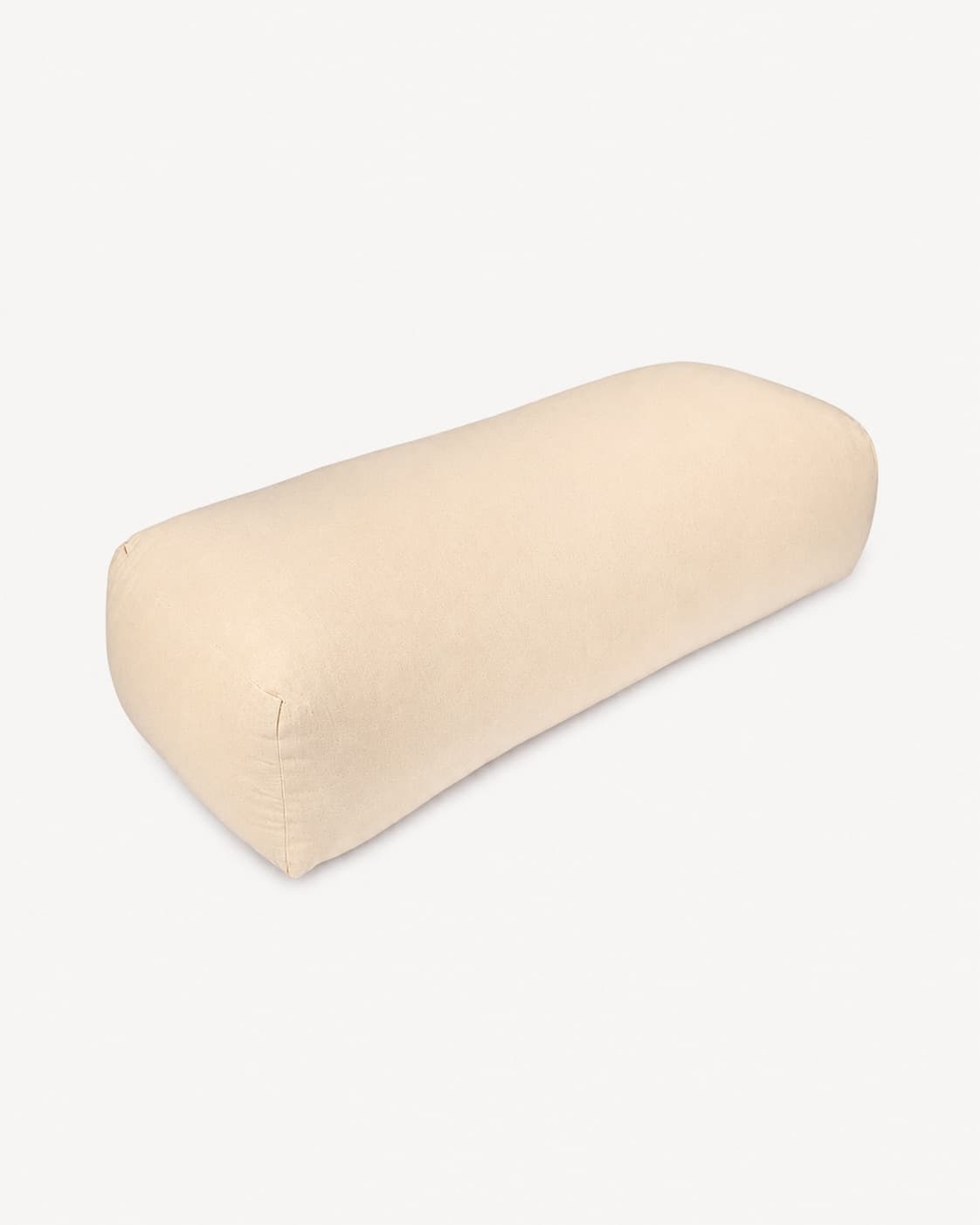
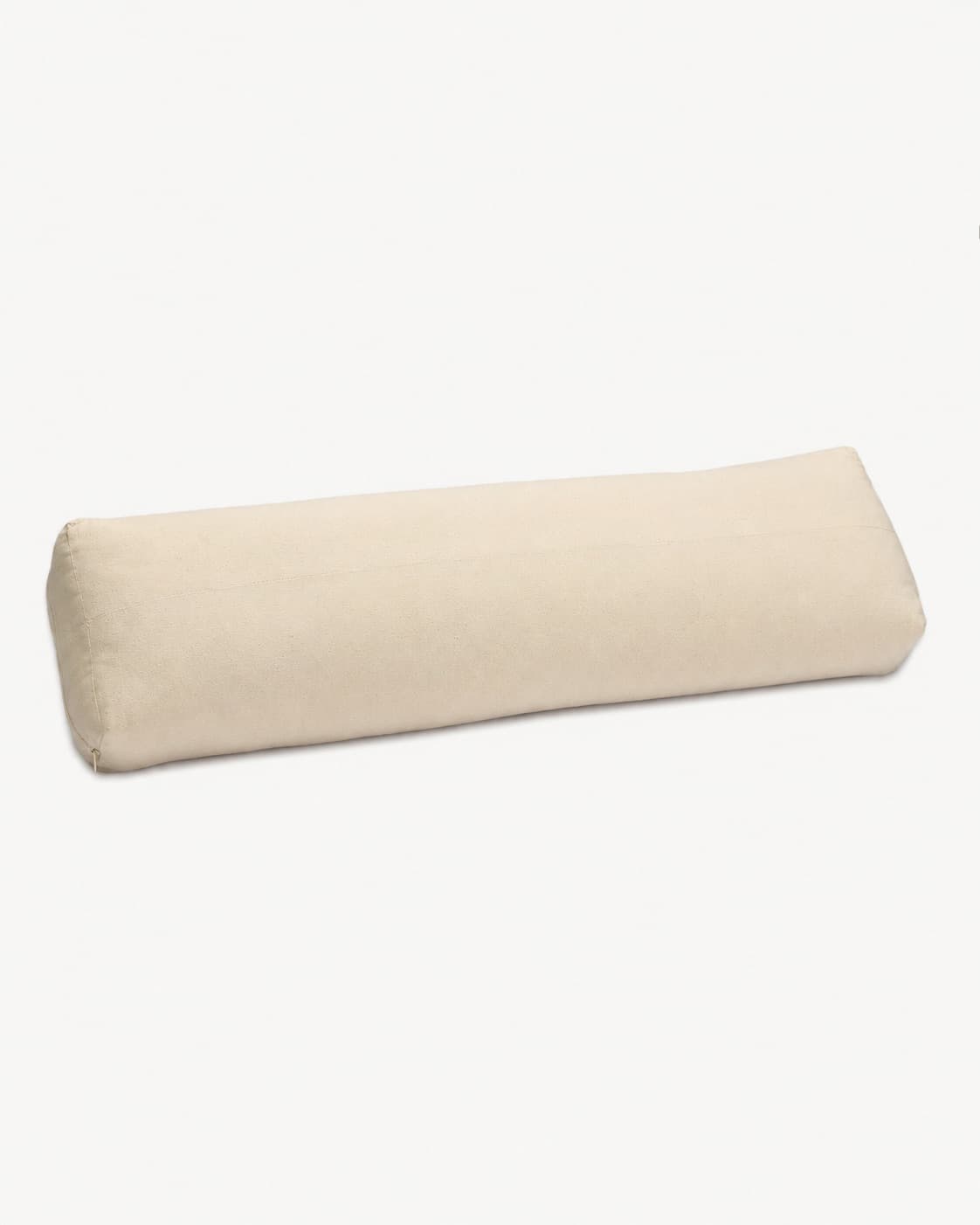
Medium: bolster lengthwise
Sit at one end of a bolster with your tailbone just off the end. Lie back so the bolster supports your spine from the lower back to the head.
If the bolster is short and your head hangs off, put a folded blanket under the head. The head hanging back is the most common error and it strains the neck.
Five to ten minutes. A real opening, and the standard version.
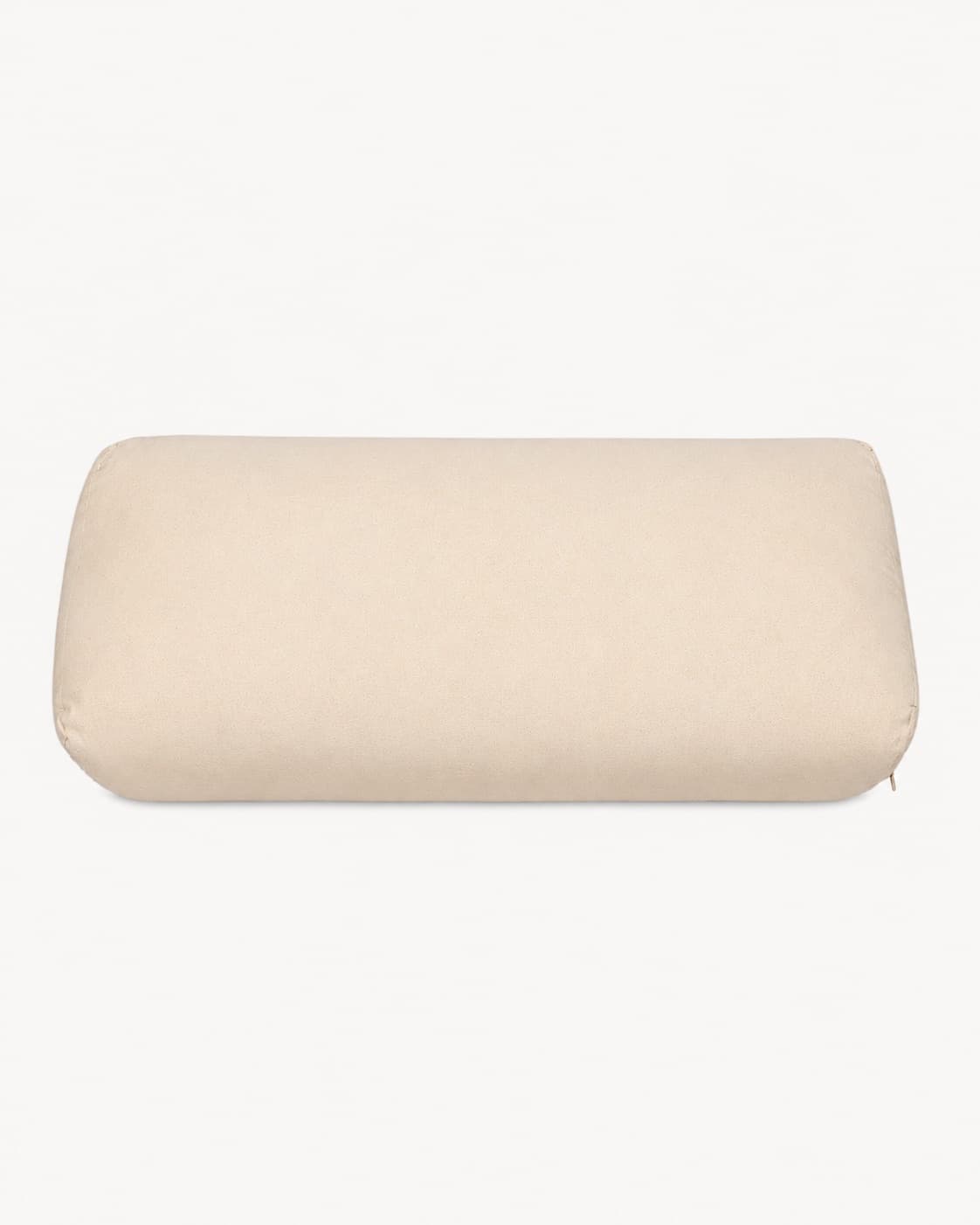
High: bolster crosswise, or bolster on blocks
Crosswise: lie back over a bolster placed at right angles to your body, positioned under the shoulder blades. Head and shoulders drop below it, arms overhead. Considerably stronger.
On blocks: raise one or both ends of a lengthwise bolster on blocks. Changes the arc without changing the shape.
Three to five minutes. Strong. Do not start here.
The setup details that matter
The head must be supported. In every version. A head hanging backwards puts the cervical spine into unsupported extension for five minutes, which is a good way to end the session with a headache.
The support must reach the sacrum or start just above it. If the bolster ends in the middle of your lower back, all the extension concentrates at one point. Either extend the support down or move up onto it.
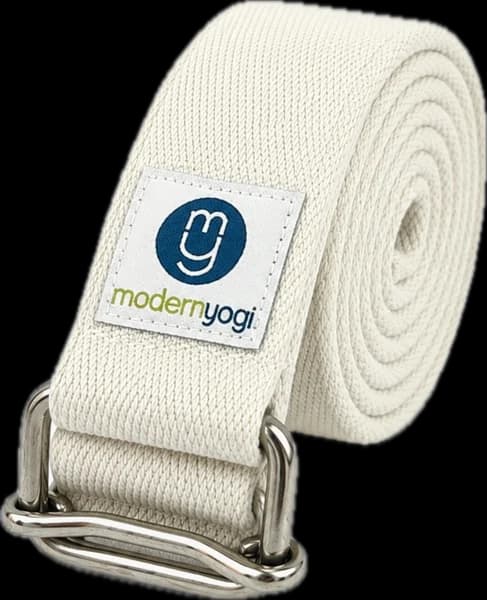
The legs. Straight legs pull on the lower back. Options, in order of how much they help: knees bent with feet on the floor; a rolled blanket under the knees; soles together with blocks under the outer thighs; or a strap around the thighs to stop them splaying.
Arms. Out to the sides at forty-five degrees, palms up, is the default. Overhead is stronger and only appropriate once the shoulders allow it without the ribs flaring.
A blanket over you. Five minutes of stillness and body temperature drops.
Coming out
The part people rush, and the part that causes trouble.
Never sit straight up. Do not do a sit-up out of a backbend — the lower back has been passively extended for minutes and flexing it hard immediately is exactly the wrong move.
Instead: bend the knees, place the feet on the floor, and push with the legs to slide yourself off the support towards your head. Then roll onto one side. Rest there for several breaths. Then press up to sitting with your hand.
Then rest flat for a minute before the next thing, or draw the knees gently to the chest for a few breaths. Not a hard forward fold.
How often
Daily, at the low height, is reasonable and is probably the single most useful daily habit in this whole subject for anyone with a desk job.
The medium height, three or four times a week. The high version, occasionally and once the others are easy.
When to be careful
If you feel compression in the lower back rather than an opening in the chest: the support is too high, or too far up your back, or your legs are pulling. Lower it, move it down, bend the knees.
Any acute lower-back problem: do not. Ask someone qualified.
Pregnancy: lying flat on the back for extended periods is generally avoided after the first trimester. A propped, inclined side-lying arrangement instead.
Neck problems: support the head generously and keep to the low version.
If it produces a headache: the head was not supported, or the neck was extended too far. Fix the setup.