














NotesPractice
Counting the Breath
The simplest attention practice there is, why it fails in the second week, and the three fixes that make it hold.
Sommaire
The simplest attention practice available, and the one most people try, fail at within two weeks, and conclude they are bad at. They are not bad at it. They were given an incomplete instruction.
The practice
Sit. Breathe normally through the nose. Count each exhale: one, two, three, up to ten. Then start again at one.
That is the whole thing.
Why it fails
You lose count. Somewhere around four you notice you are thinking about a conversation from Tuesday and have no idea whether you are on four or seven.
This is not failure. This is the practice working exactly as intended. The moment of noticing that you have wandered is the repetition. It is the thing being trained. A session in which you lost count nine times is nine repetitions; a session where you counted cleanly to ten four times is four.
Nobody explains this, so people interpret the wandering as evidence they cannot do it, and stop.
You get to ten easily and it feels pointless. If you can reliably count to ten without drifting, you are probably counting on autopilot while thinking about something else — which is a different failure and a harder one to spot. The fix is below.
You are trying to control the breath. Counting makes people slow the breath down and deepen it deliberately. Then it becomes an effortful breathing exercise, which is a fine thing but a different thing, and it is tiring in a way that stops you doing it daily.
Let the breath be exactly as it is. You are counting it, not conducting it.
The three fixes
Fix one: count on the exhale only, and count at the very end.
Not during the exhale — at the moment it finishes, in the small pause before the next inhale. That moment is specific and easy to miss, which is what makes it useful. It gives attention a precise target rather than a vague duration.
Fix two: when you lose count, go back to one.
Not to where you think you were. To one. This is not a punishment; it is what makes the practice self-correcting. Autopilot counting cannot survive it, because autopilot cannot tell you where you were.
Fix three: make it harder when it gets easy.
In order of difficulty:
- Count exhales, one to ten, repeat.
- Count exhales backwards, ten to one.
- Count inhale and exhale as separate numbers, to twenty.
- Count one to ten on the exhale, then ten to one, alternating.
- Drop the counting and simply follow the breath, noticing the four transitions — start of inhale, top, start of exhale, bottom.
Number five is where this is going. Counting is scaffolding; the underlying skill is sustained contact with a moving object of attention. When you no longer need the numbers, stop using them.
How long
Five minutes to start, and be strict about not extending it in the first month. The failure mode here is enthusiasm — a forty-minute session on Sunday and nothing until the following Sunday builds nothing.
Five minutes daily beats thirty minutes weekly by a wide margin, because what is being trained is a habit of return, and the habit needs frequency more than duration.
Build to ten or fifteen minutes over a few months if you want to. Many people stay at ten permanently and get everything they need from it.
Where and when
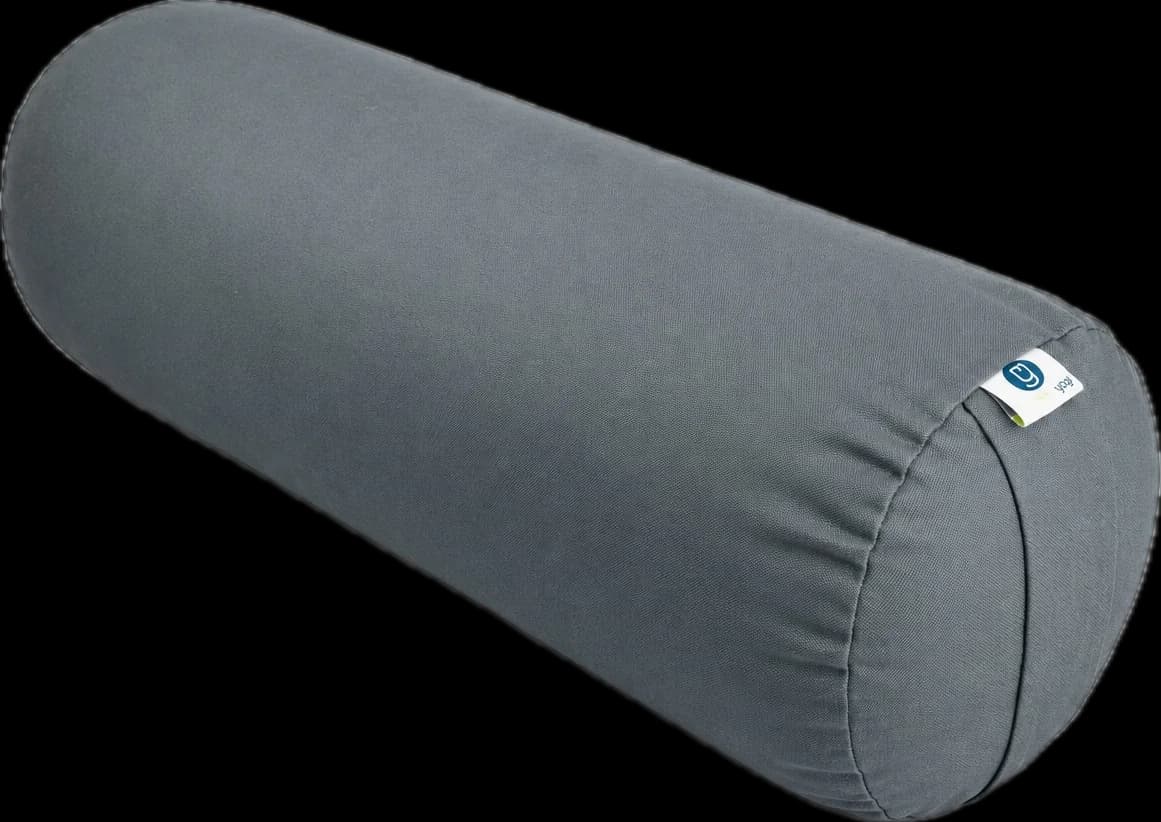
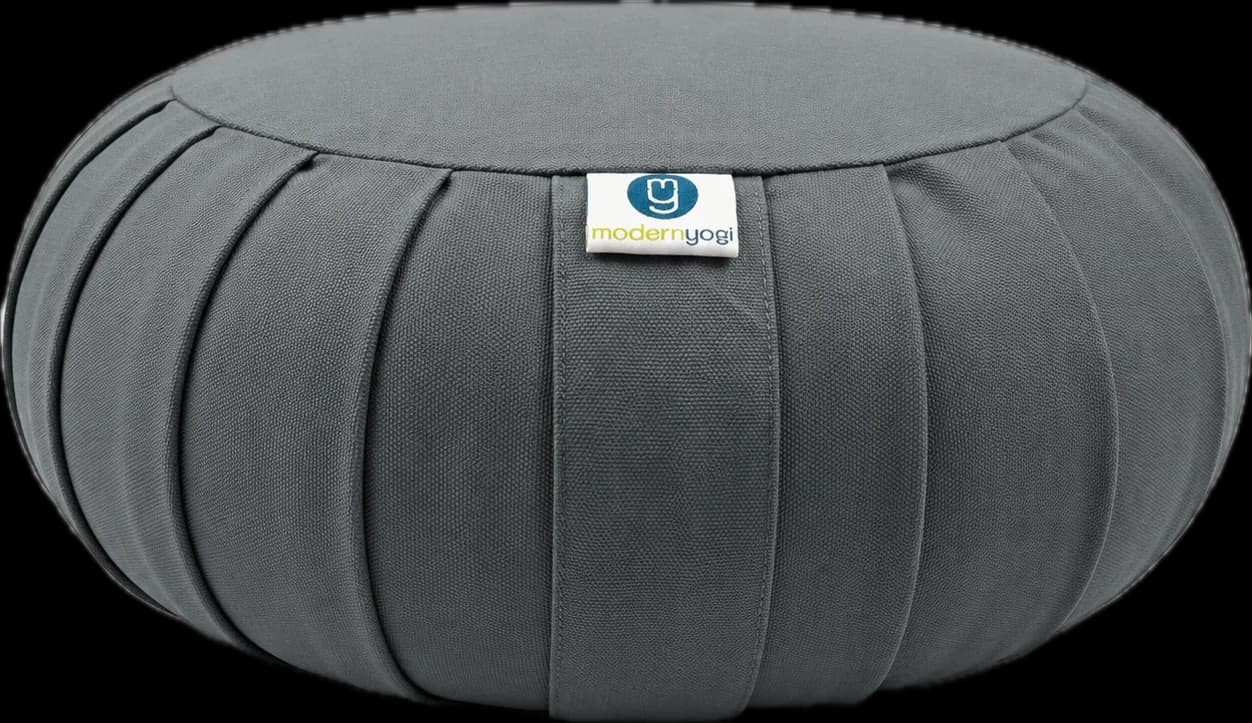
Sitting, with the hips higher than the knees, spine stacked, hands anywhere comfortable. Eyes closed, or open and softly directed at a point on the floor about a metre and a half ahead — open is better if you get drowsy.
Any time except immediately after eating. First thing in the morning is easiest to make consistent, because nothing else has started competing for the slot yet.
What to expect, honestly
Week one: interesting, calming, easy.
Week two: boring. The novelty is gone and you are aware of how often you drift. This is where most people stop.
Weeks three to six: the number of times you drift stays roughly the same, but the time it takes you to notice drops. This is the actual progress and it is easy to miss because nothing dramatic accompanies it.
Beyond: the skill starts appearing off the mat. You notice yourself lost in a spiral of thought while doing something else, and you come back. That transfer is the entire point of the exercise, and it takes months, not days.
The one thing not to do
Do not judge a session. There are no good and bad sessions in this practice, only sessions that happened and sessions that did not. A session in which your mind was chaotic and you returned forty times was excellent training. A session in which you felt serene was pleasant and trained less.
Keep the standard at "did I sit down." Everything else takes care of itself.