


NotesGuides
Choosing a Meditation Seat
Height first, then shape, then firmness — in that order. How to measure the height you need before you buy anything.
Sommaire
Height first, then shape, then firmness. In that order, and the first one decides most of it.
Why height comes first
Sitting on the floor is uncomfortable because the pelvis rolls backwards, which rounds the lower back, collapses the chest, and puts your weight on the tailbone rather than the sitting bones. Every other consideration is downstream of this.
Raising the hips lets the pelvis tip forward into neutral, at which point the spine stacks and holds itself up with almost no muscular effort. That is the state you want, and the only question is how much height you need to reach it.
Measuring the height you need
Do this before buying anything. Ten minutes.
1. Sit on the floor, cross-legged, and notice where your weight is. Almost certainly on the tailbone.
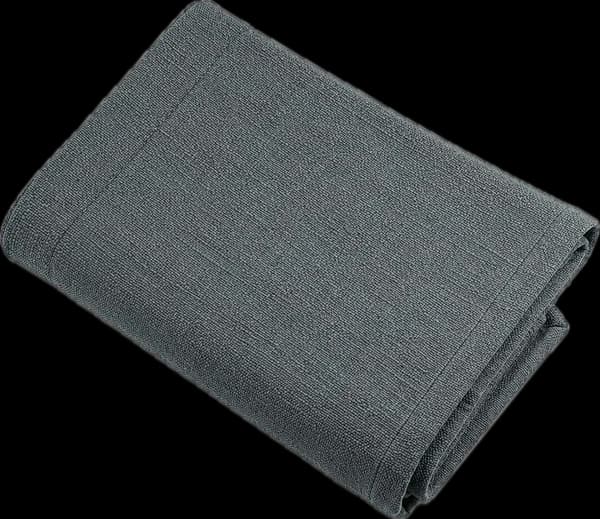
2. Fold a blanket into a firm rectangle about five centimetres high. Sit on the front edge — sitting bones on the blanket, thighs sloping down off the front. Try again.
3. Add height in small increments. At each height, check three things:
- Can you feel your weight on the two sitting bones rather than behind them?
- Is there a small inward curve in your lower back?
- Are your knees lower than your hip joints?
4. Stop at the lowest height where all three are true, and sit there for five minutes. If you start to slump, you need more.
Write the number down. That is the height you are shopping for.
Typical results: people with reasonable hip mobility land around 10–15 cm. Stiffer hips need 15–20 cm. Some people need 20–25 cm, and there is nothing wrong with that.
Shape
Once you know the height, shape decides comfort over a long sit.
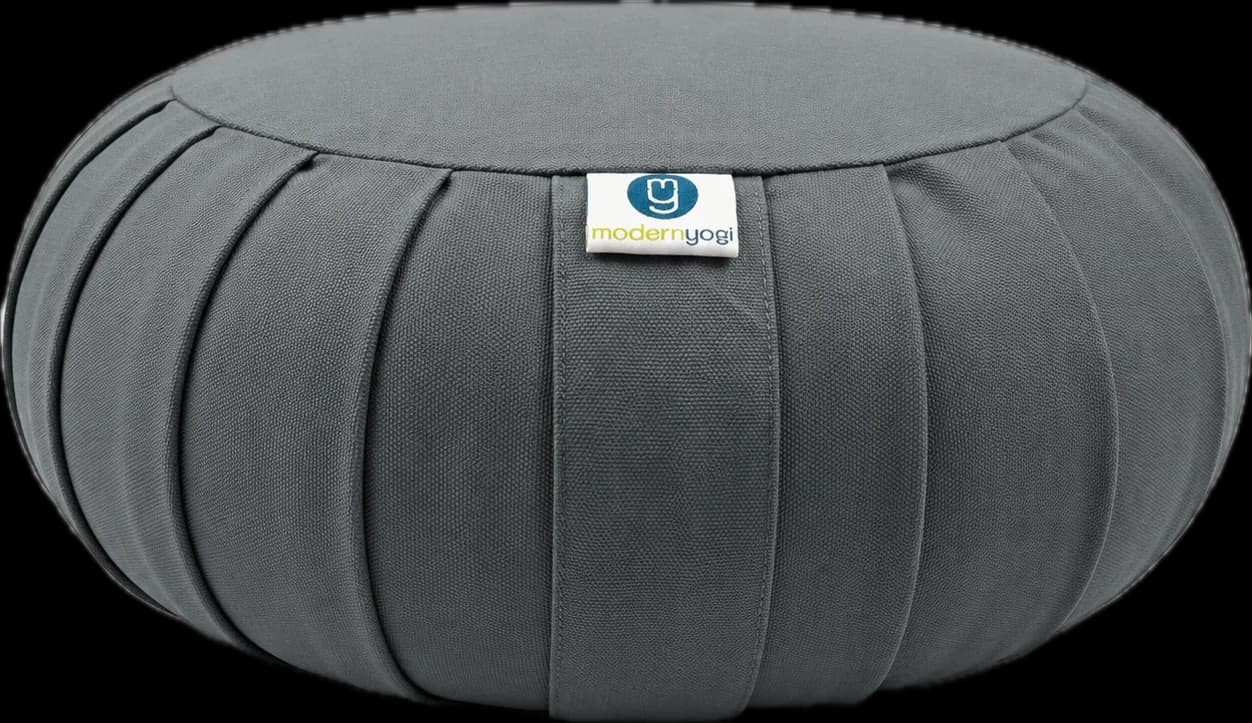
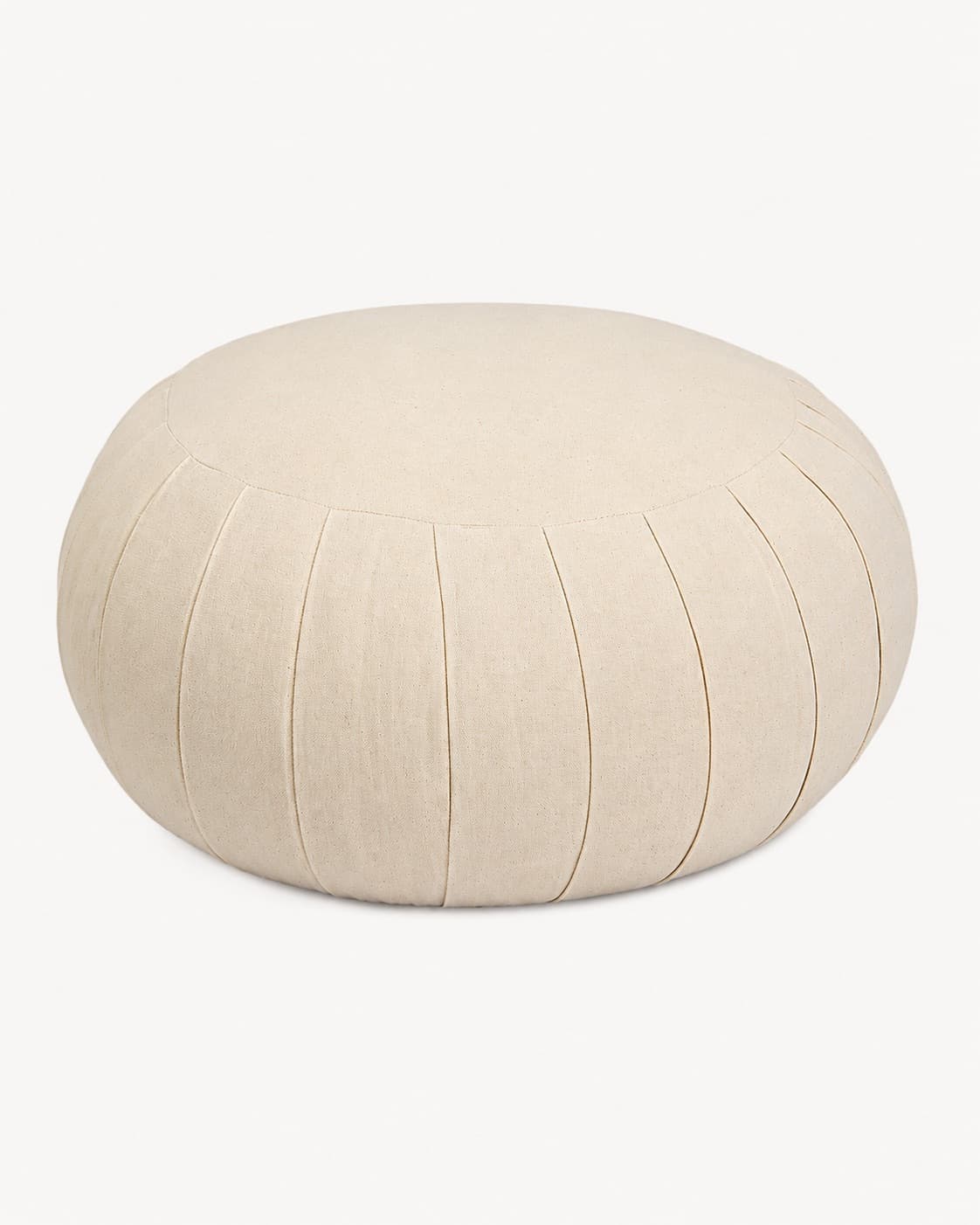
Round zafu. A firm disc, typically 15–20 cm high, usually pleated. The default, and the right answer for most people. Works for cross-legged, Burmese and kneeling positions. Sit on the front third.
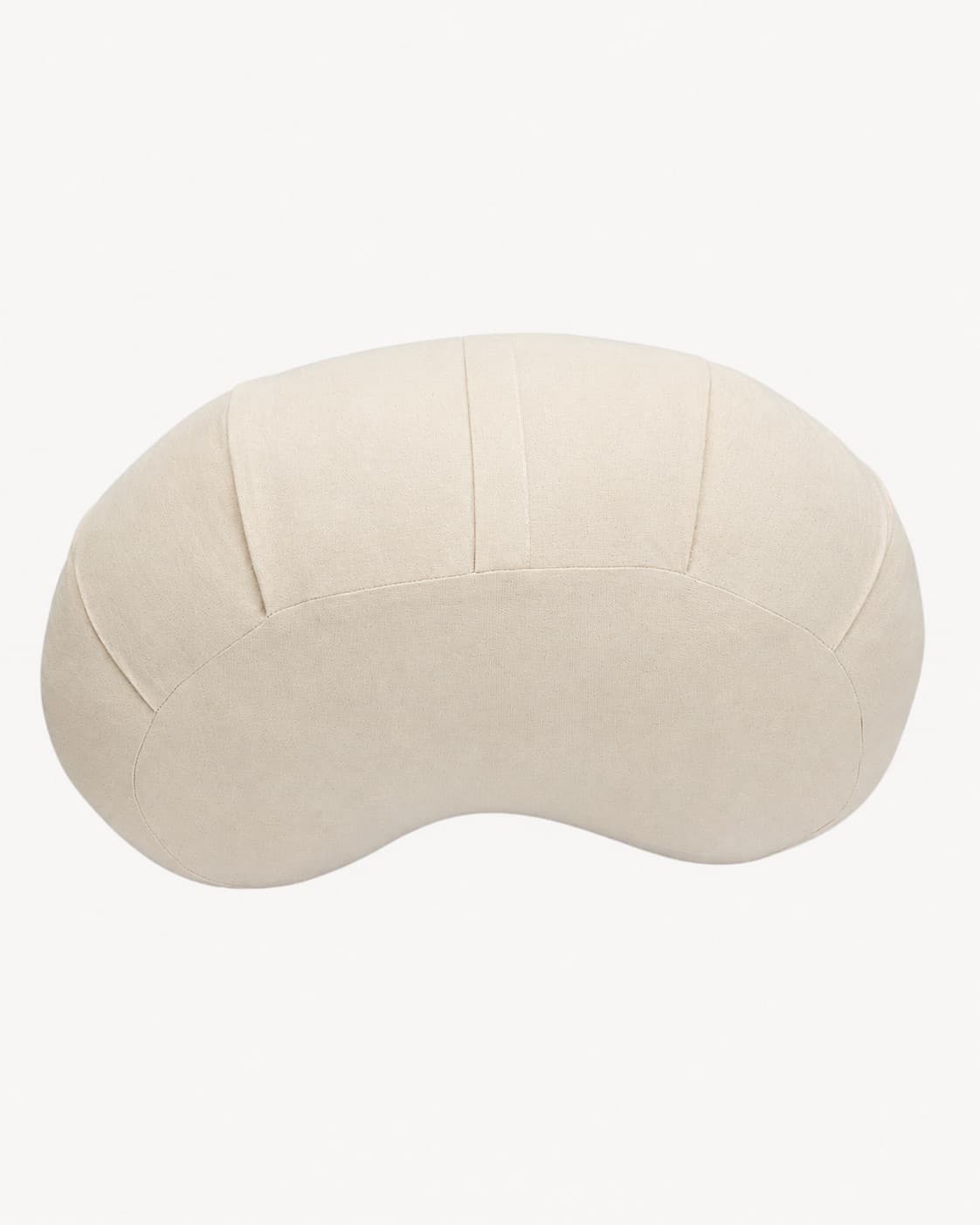
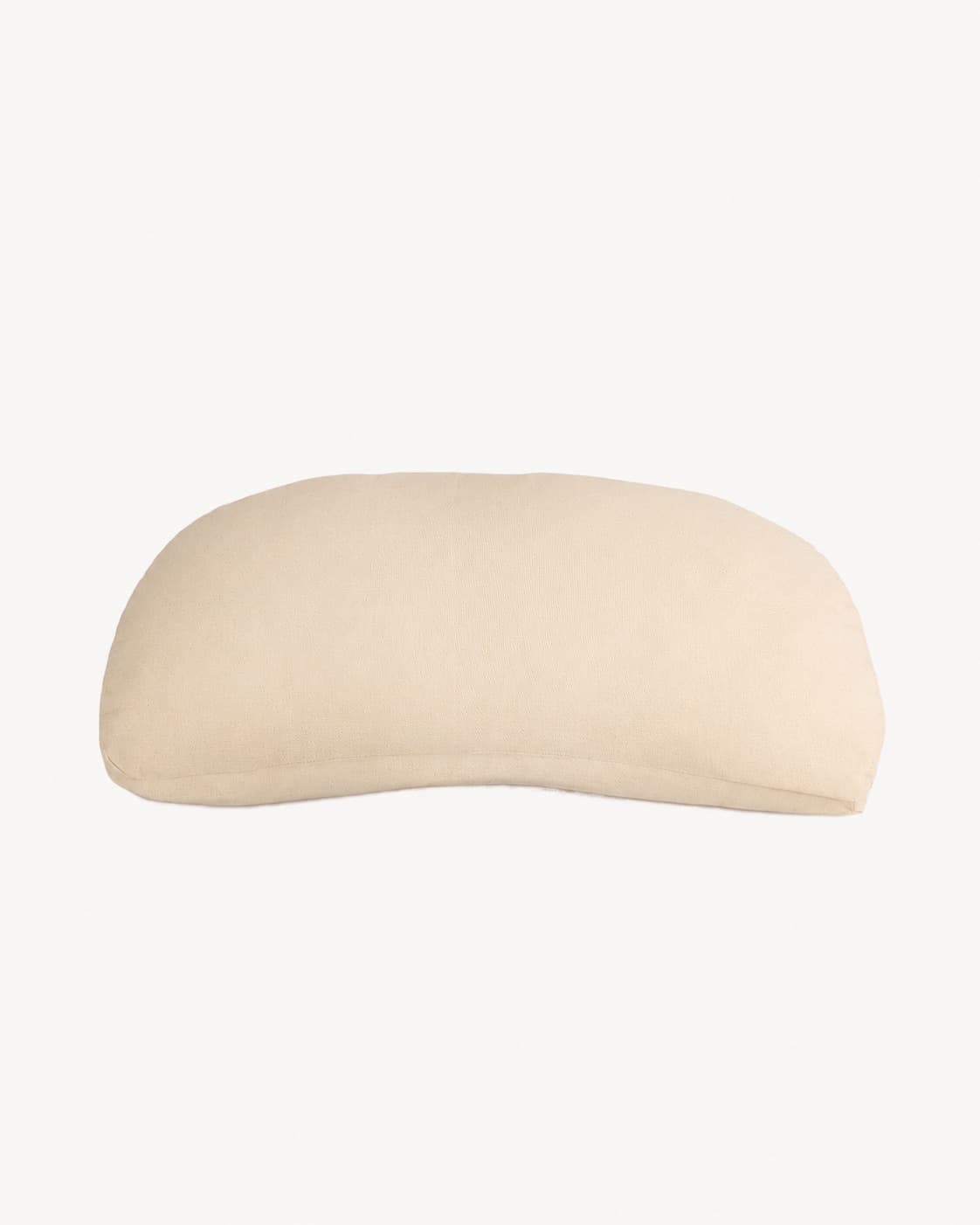
Crescent. A cushion with a curved cut-out at the front. The notch means the thighs have somewhere to go, so the knees can drop lower relative to the hips than the same height of round cushion allows.
This is the one to try if height alone is not solving it. For stiffer hips it does something a round cushion cannot.
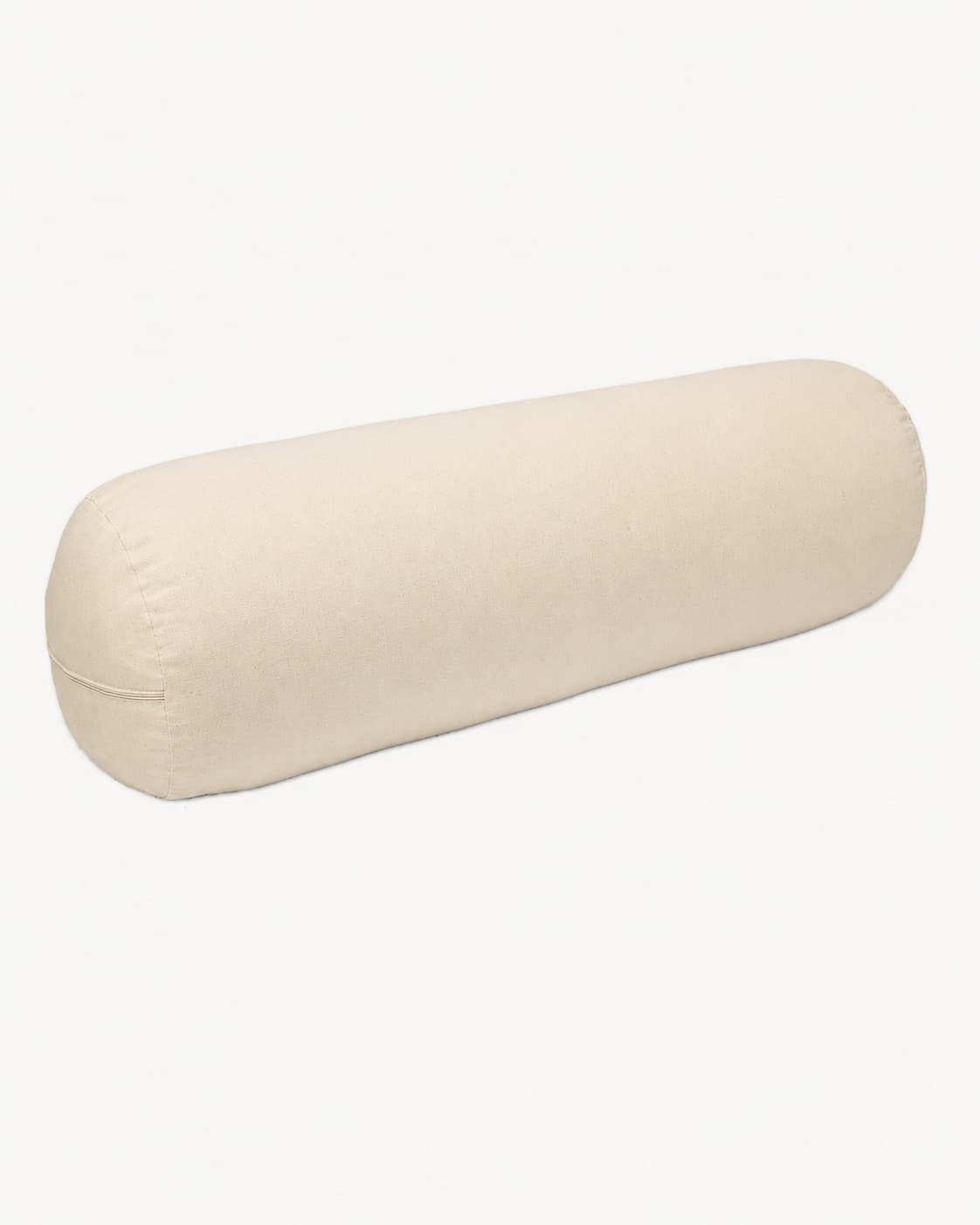
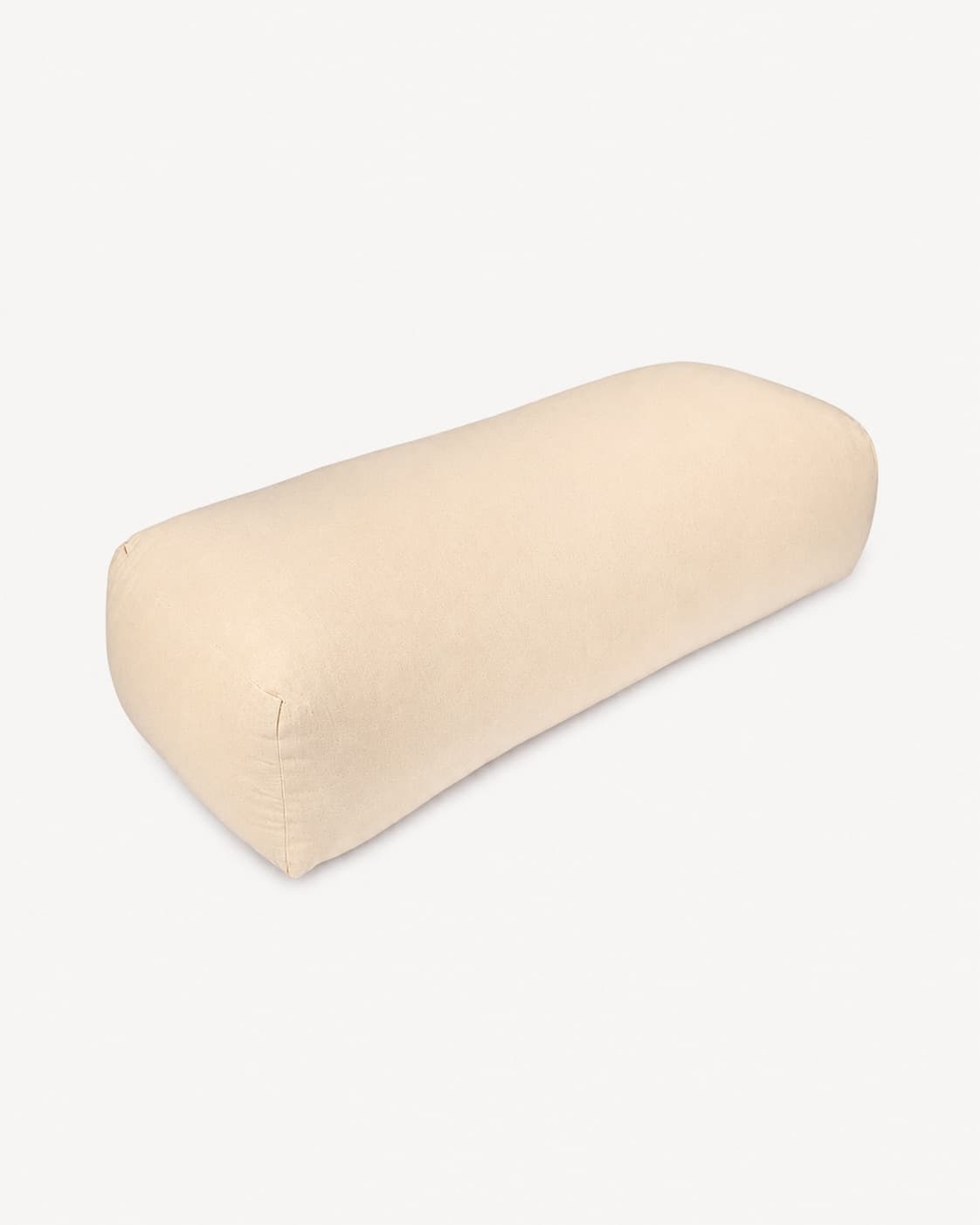
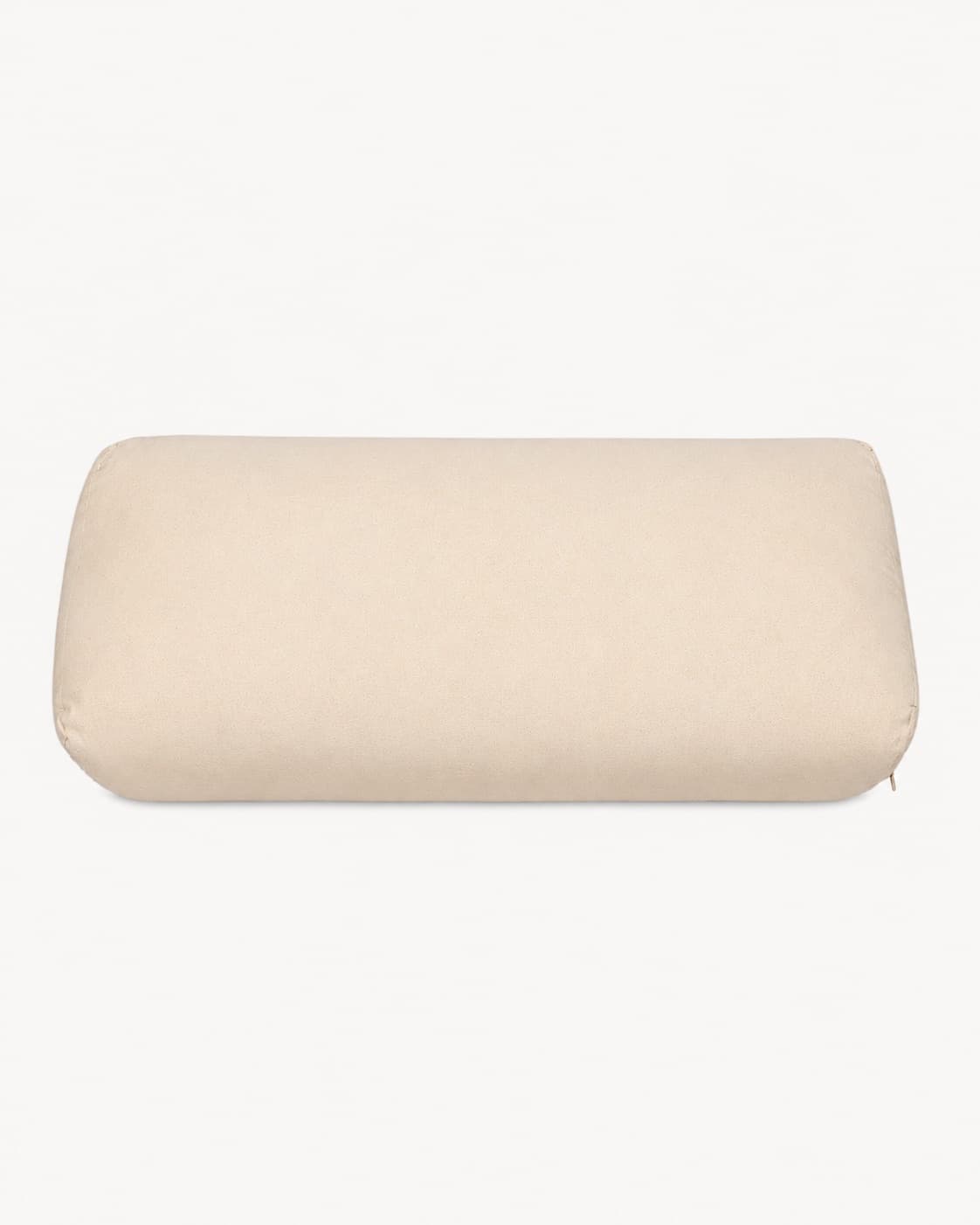
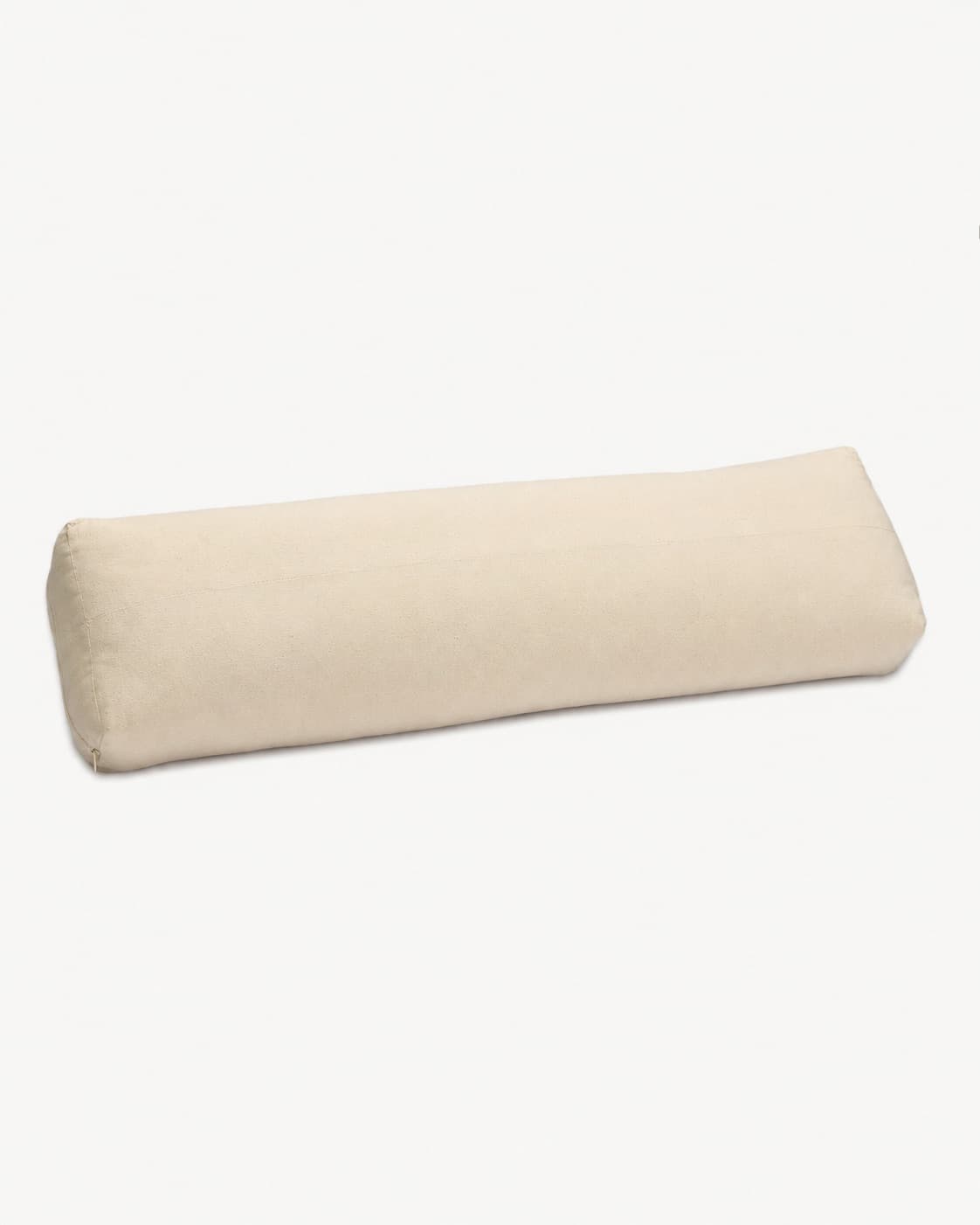
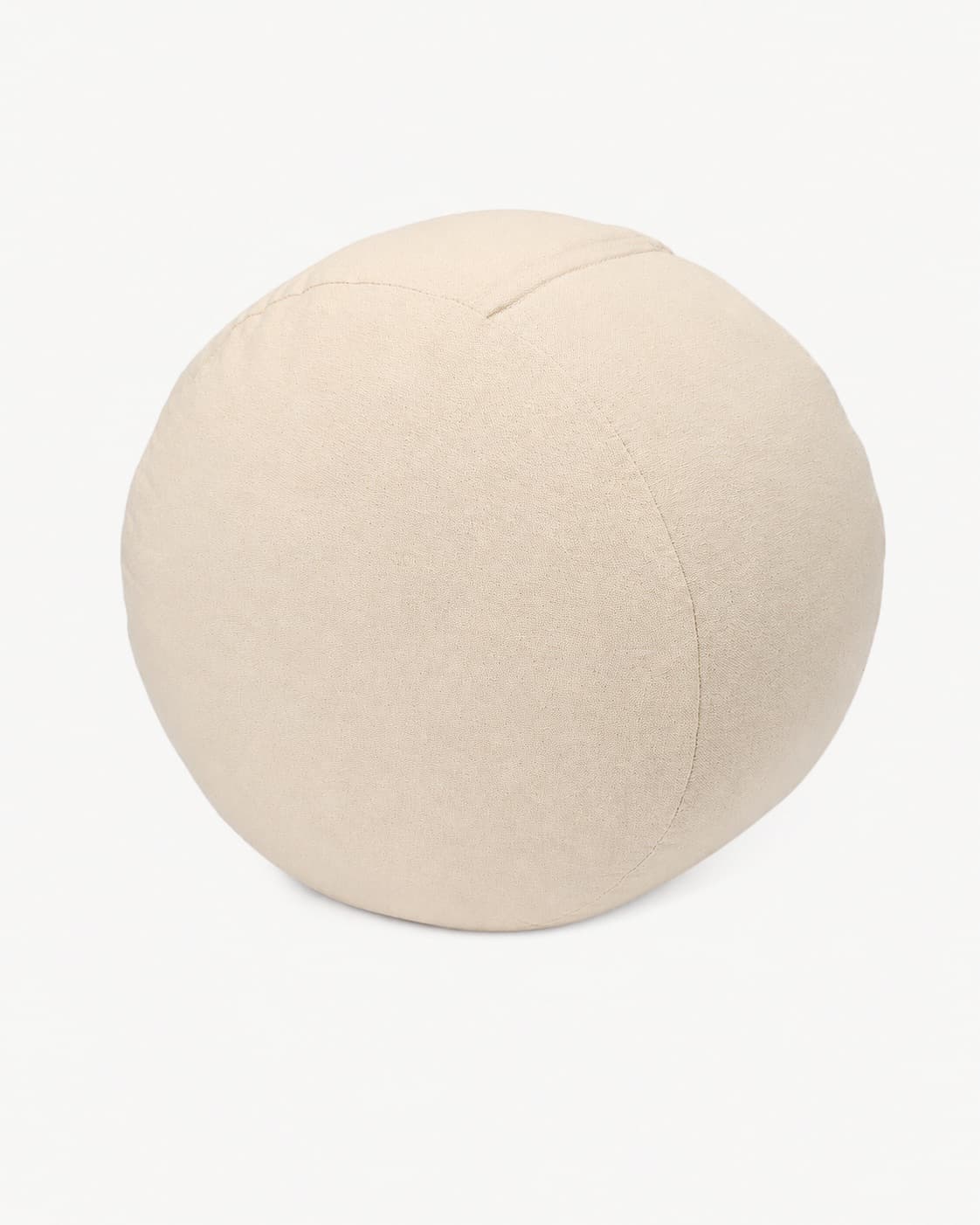
Square or rectangular. A broader, flatter seat. More stable, more contact area, generally a little lower. Good for people who find a round cushion tippy, and good for kneeling with the cushion turned on its side between the shins.
Low and wide. Around 8–12 cm, broad. For people who are already fairly open and want a small lift, for yin practice, and for propping under the knees.
A bench. Kneeling only. Takes hip rotation completely out of the picture, which makes it the answer for people whose limit is external rotation rather than hamstring length. Hard on the ankles and the tops of the feet unless you put a blanket under them.
Firmness
The variable people ignore and then complain about.
A cushion that compresses under your weight is a cushion that puts you back on the floor within two minutes, having spent money to be there. You want something that holds its height for forty minutes.
Kapok. Tree fibre. Firm, holds its shape, light, does not compact much over time. The traditional fill for a reason.
Buckwheat hulls. Heavy, and they conform to your shape then hold it — the firmest, most stable option. You can also remove hulls to adjust the height. Downside: heavy, and noisy when you move.
Cotton batting. Softer, compresses more over time, needs occasional re-fluffing.
Foam. Consistent, but the cheap grades take a permanent set.
Polyester fibre. Avoid. Compresses to nothing within weeks.
If you can, press hard into a cushion before buying. It should resist and spring back, not sink and stay.
Cover
Removable and washable, on a zip. A meditation cushion accumulates a surprising amount over a year and a cushion you cannot wash is a cushion you eventually replace.
Cotton over synthetic — it breathes, so it does not get clammy over a long sit.
What else you need
Something under the knees. Even at the right height, the knees often hang unsupported, and the inner thighs hold them up. Muscles that are holding cannot release. A folded blanket or a small cushion under each outer thigh, touching, changes long sits considerably.
Something under the whole arrangement. A mat or a folded blanket beneath the cushion, so the ankles and the outer edges of the feet are not on a hard floor.
If you are not sure
Buy a firm round zafu at 15–18 cm, and use folded blankets to fine-tune. It is the most versatile object in the category and it will be useful even if you later decide you prefer something else.
And do the blanket measurement first. Two weeks of sitting on folded blankets at various heights will tell you more than any amount of reading, and it costs nothing.
The permission
You are not required to sit cross-legged on the floor. Kneeling is a legitimate meditation posture. So is a chair — feet flat, sitting forward off the backrest, weight on the sitting bones, spine stacked.
The posture exists to let the spine hold itself up without effort for a long time. Any arrangement that achieves that is the correct posture. A chair that works beats a floor seat that hurts, every time, and nobody's practice is worth less for it.