


NotesMaison
Storing Props in a Small Home
Practical answers for keeping four bulky objects in a flat without them becoming furniture you resent.
Sommaire
Four bulky objects in a flat, without them becoming furniture you resent. Practical answers.
The principle
A prop you cannot reach in five seconds is a prop you will not use mid-practice.
This is the whole constraint. Storage that is tidy but inaccessible defeats the purpose, because propping decisions are made in the middle of a pose, not before you start.
So the target is: visible or immediately reachable, and not in the way of daily life.
The mat
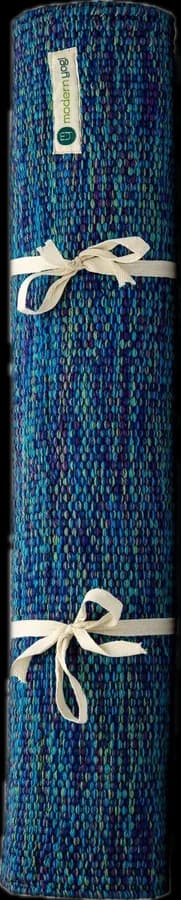
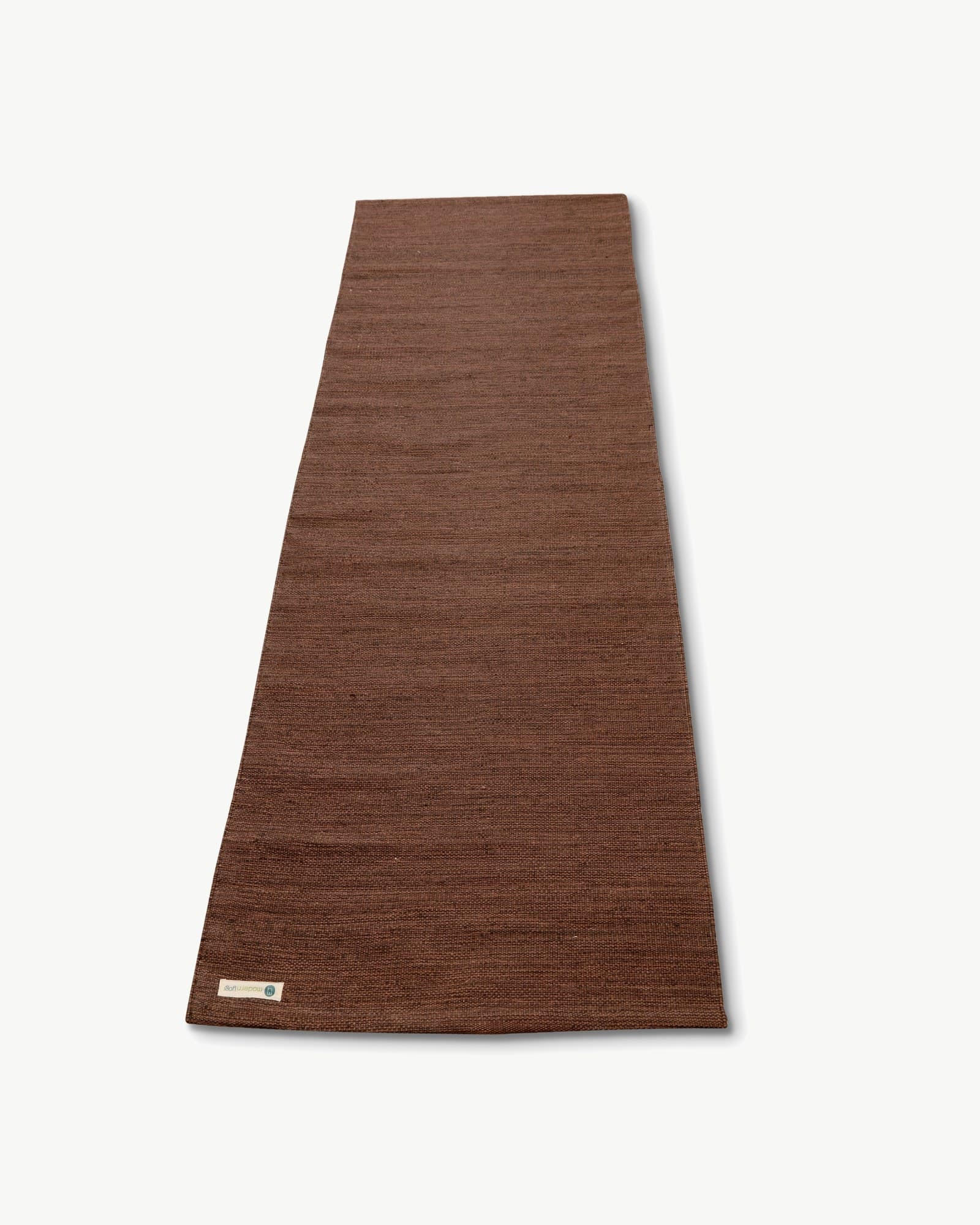
Standing on end in a corner, rolled. Takes about 15 × 15 cm of floor. Best option — no weight on it, no crease, dries fully, and visible.
Behind a door. Free space that nothing else uses.
Under a bed or sofa, flat rather than rolled. Fine for a mat used a few times a week; slightly slower to deploy.
On a wall hook, if the mat has a strap. Takes zero floor space.
Not in a cupboard behind other things, and not in a closed bag long term.
Blankets
The easiest, because a blanket reads as a blanket.
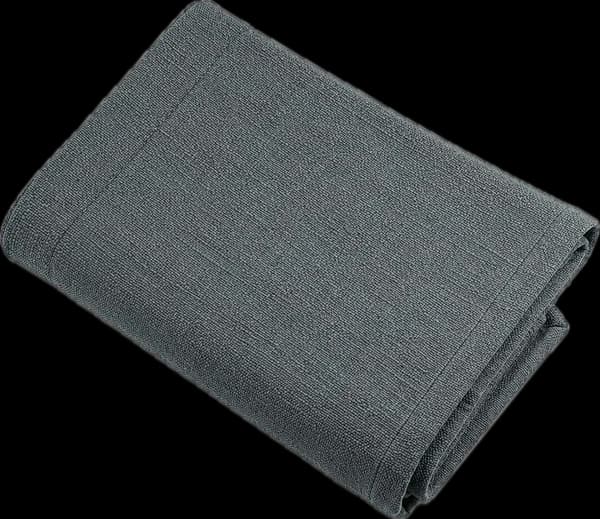
Folded on the arm of a sofa or the end of a bed. Nobody looking at your living room sees yoga equipment.
In a basket in the corner of the room.
On an open shelf, folded neatly.
Two blankets is the working number, and both should be folded in eighths and stacked so they are ready to use rather than needing refolding.
The bolster
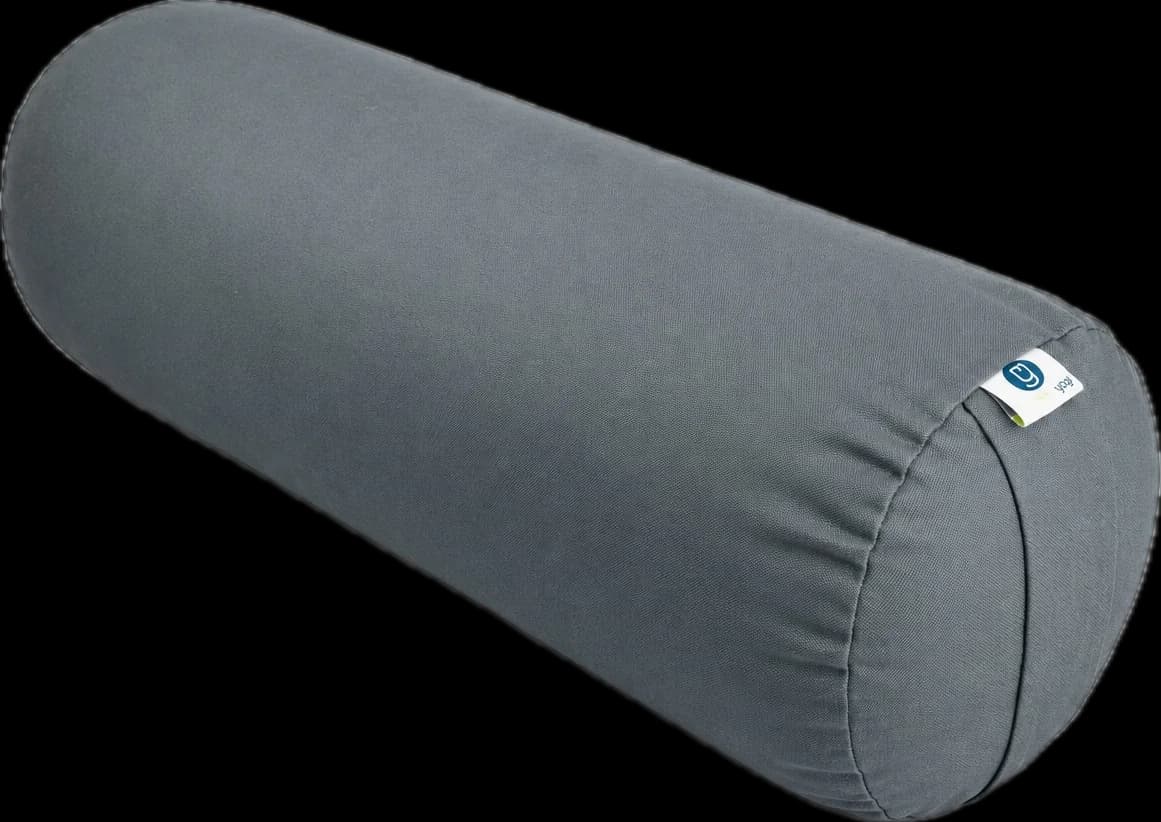
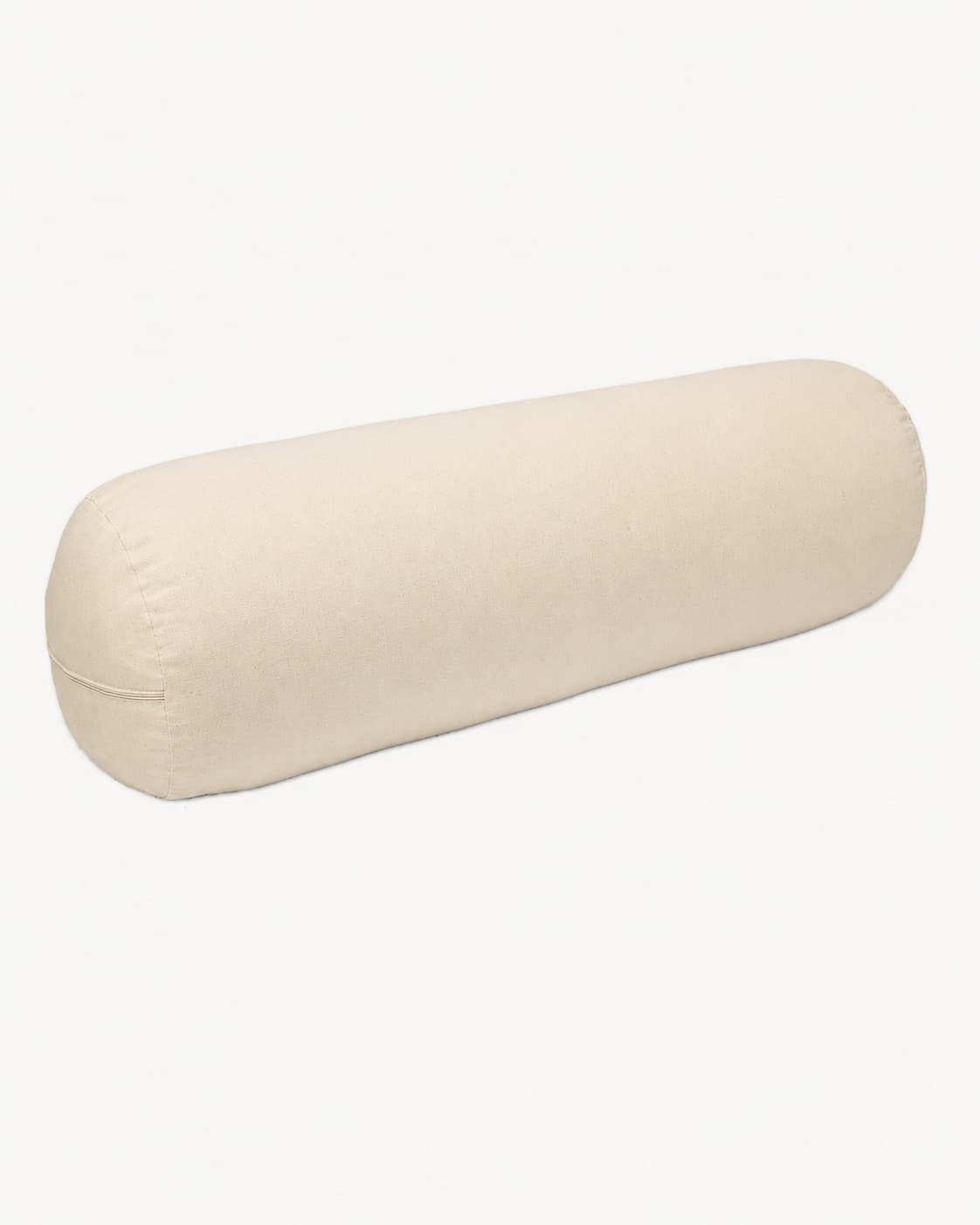
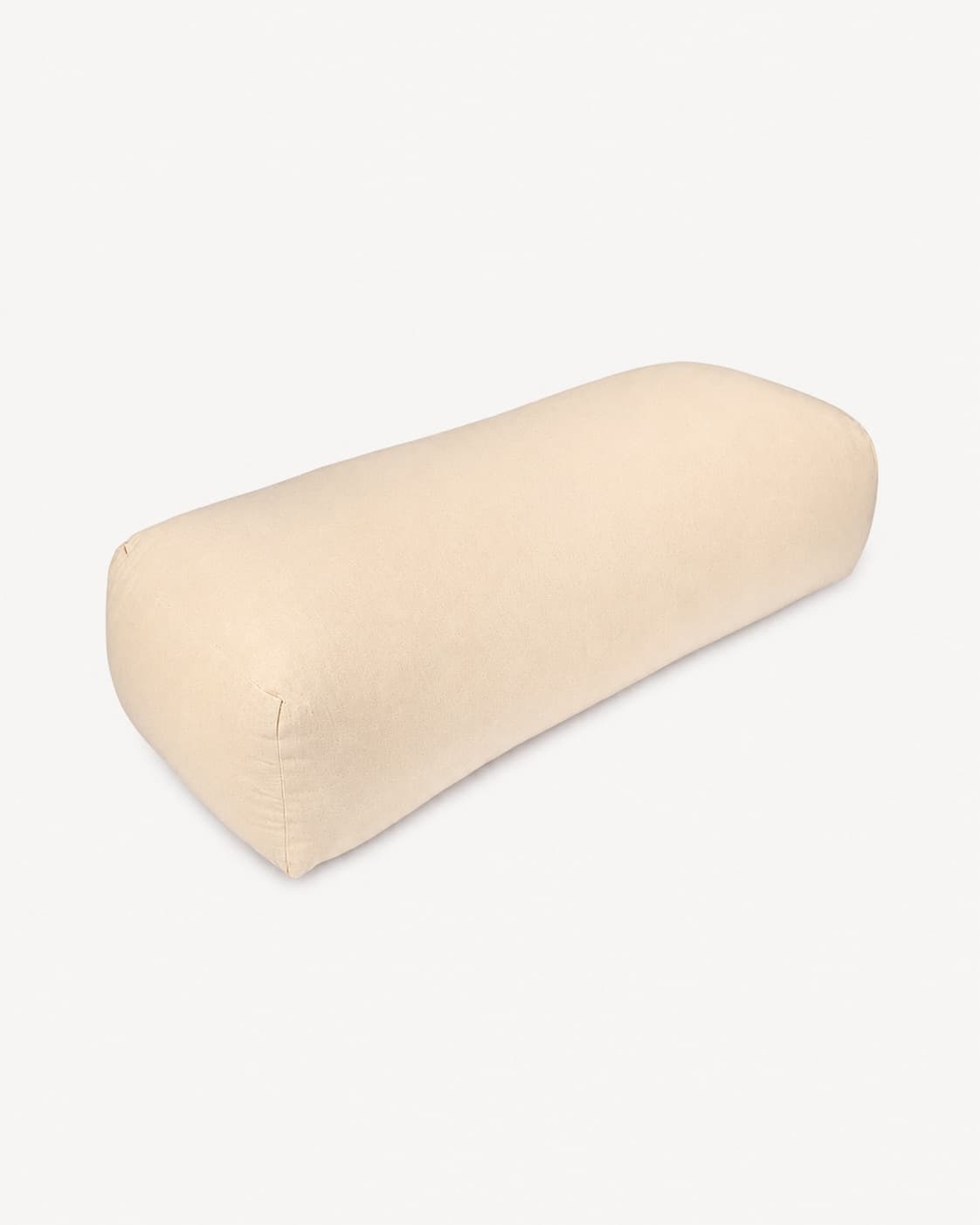
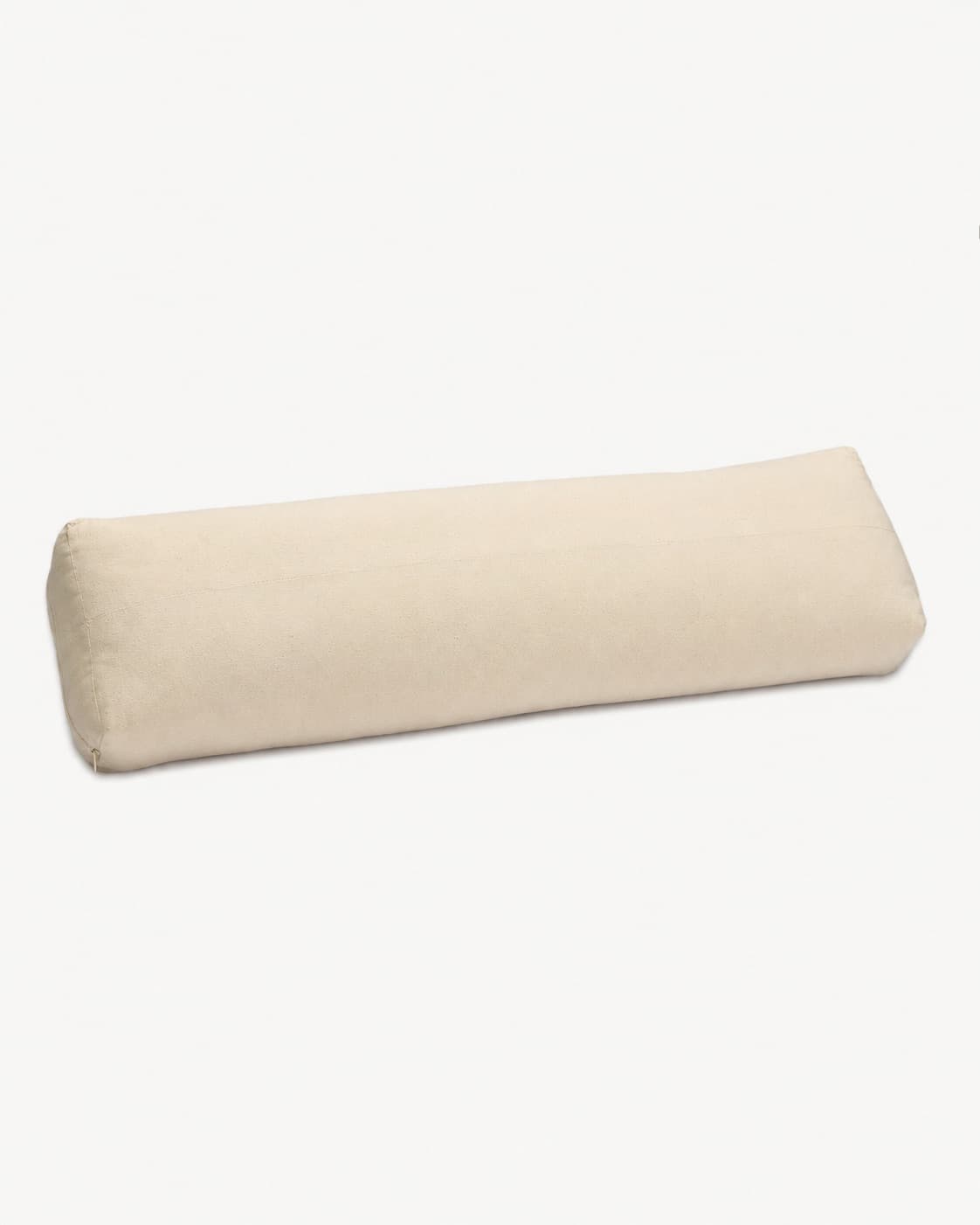
The awkward one, and the answer is that it should stop being yoga equipment between practices.
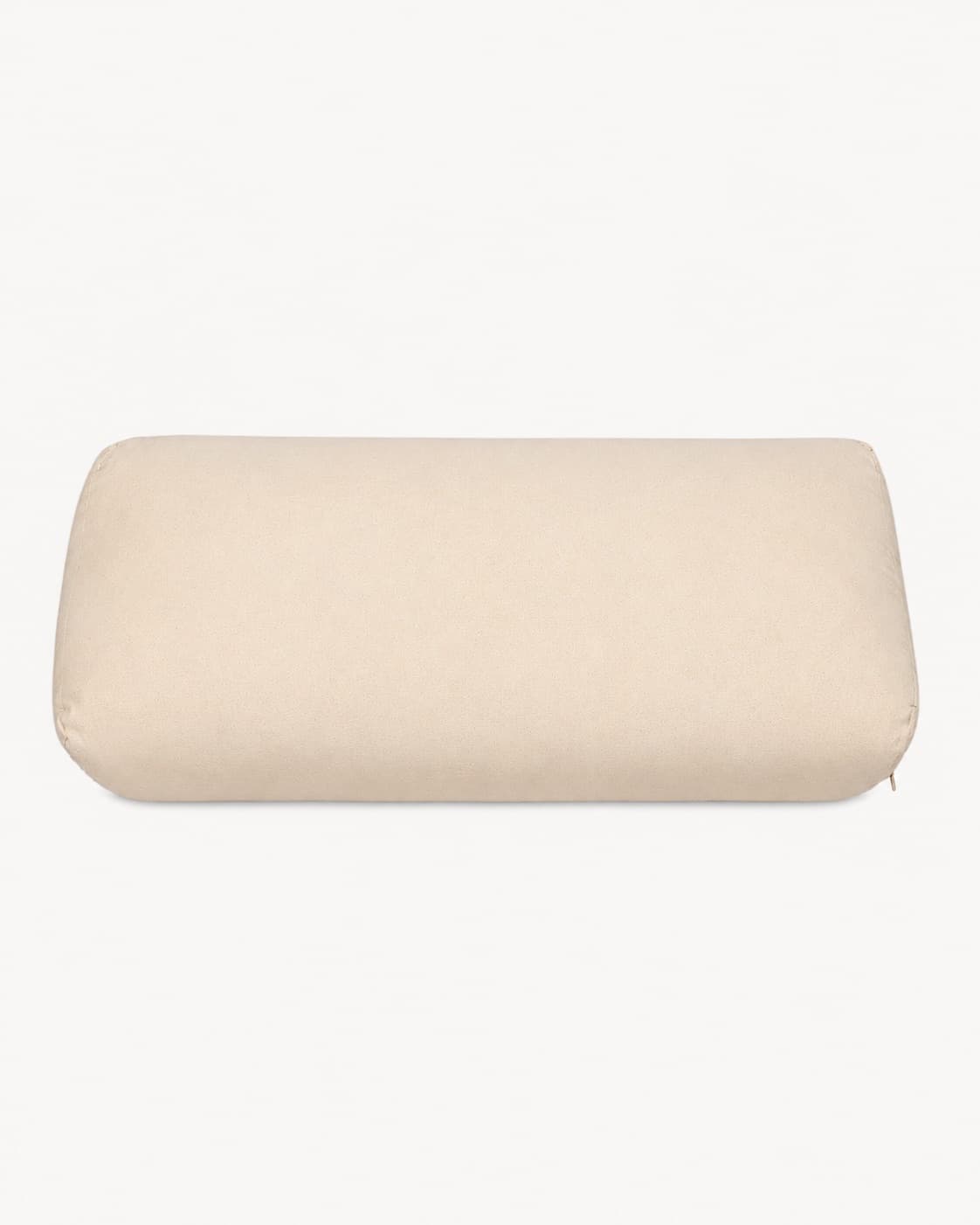
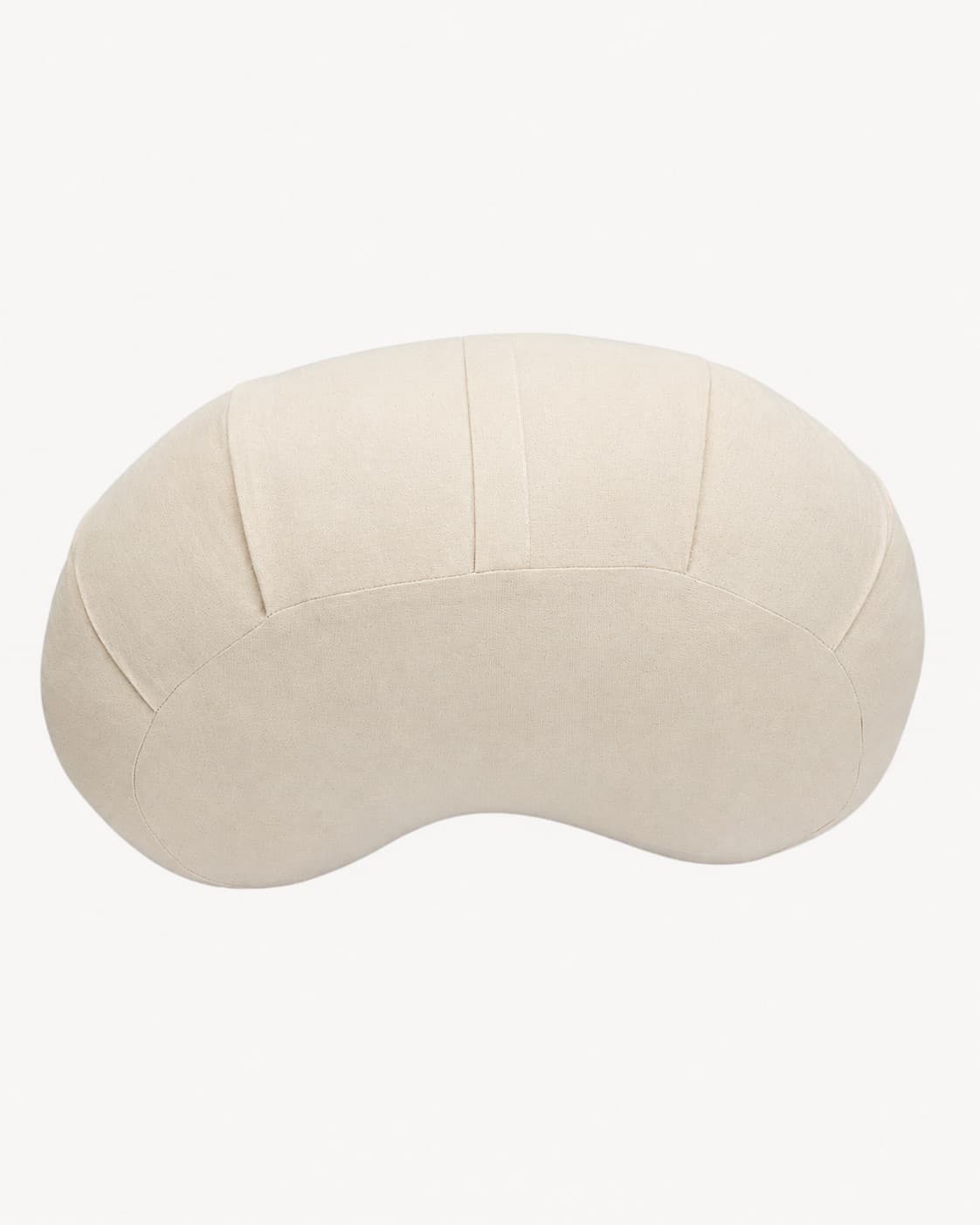
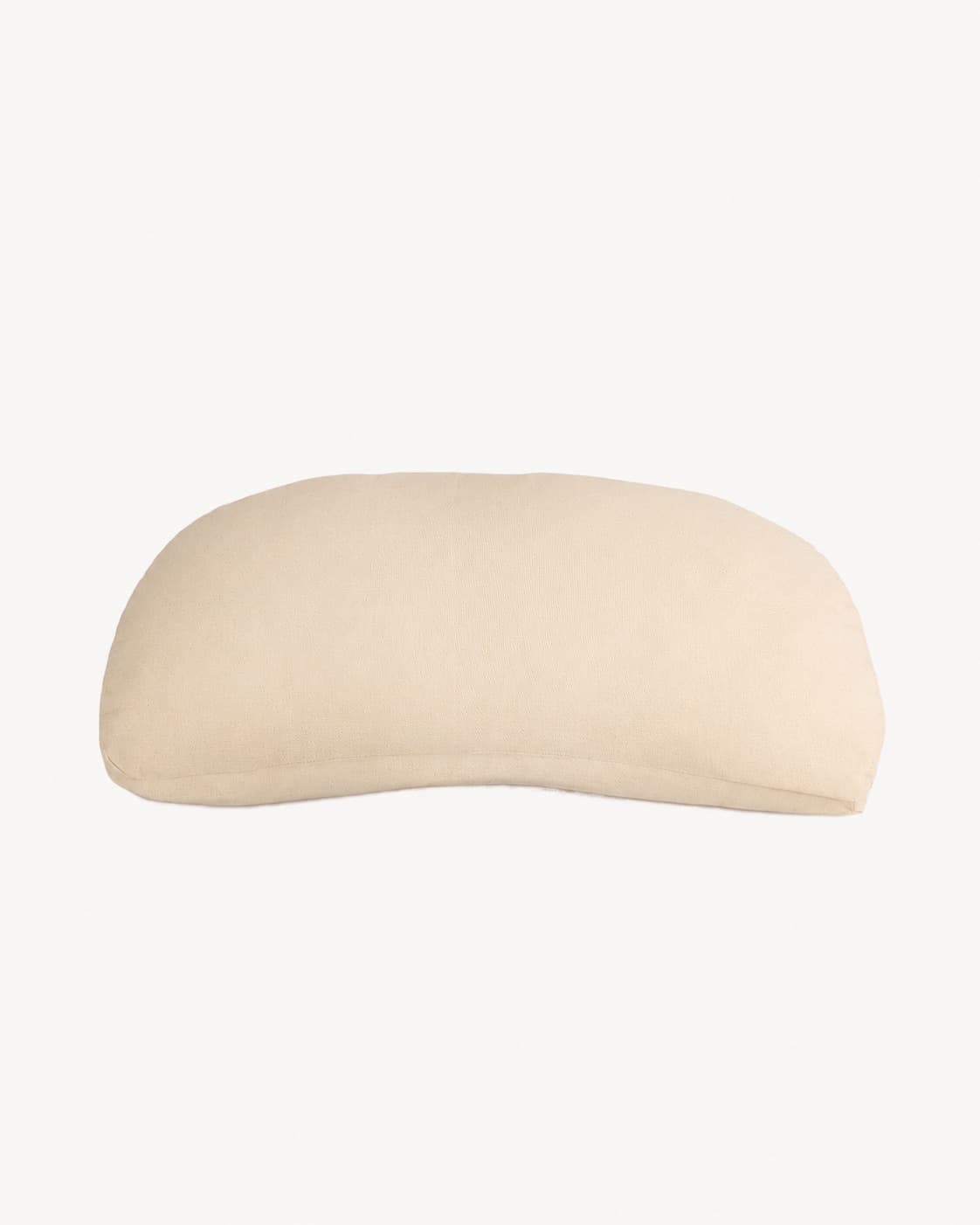
As a floor cushion. A rectangular bolster is a perfectly good floor seat, and one on the floor beside a sofa looks entirely deliberate.
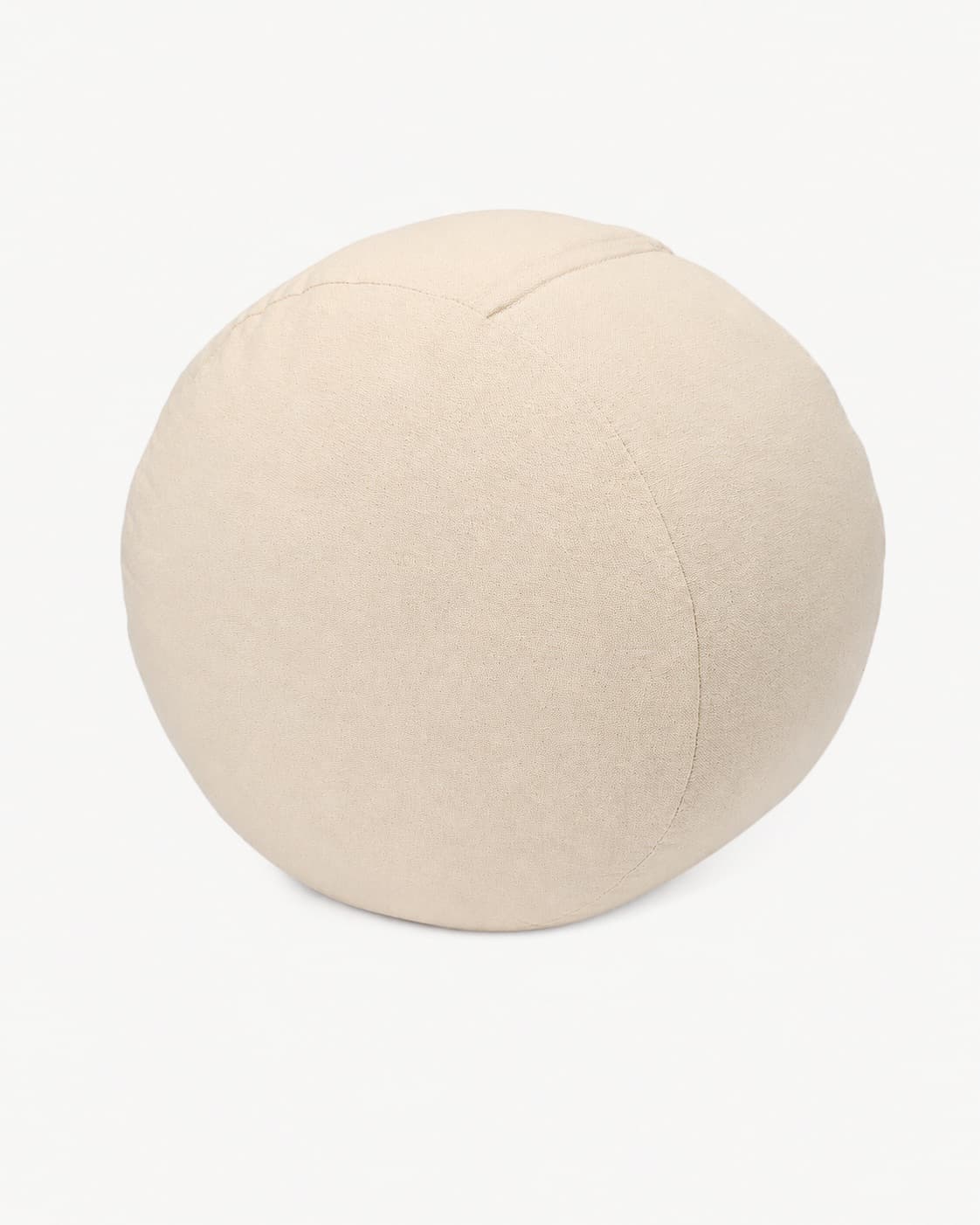
As a back cushion on a sofa or bed. A round or oblong bolster is a bolster in the furniture sense too.
Standing on end in a corner, beside the mat.
Under a bed, though it is then genuinely out of reach.
If you have no room at all: consider not owning one. Two or three folded blankets will do most of what a bolster does. The place they fall short is anything where you rest your full weight for five minutes, so if restorative work is central to your practice, find room for it.
Blocks and strap
A small basket beside the mat. This is the answer, and it solves both objects at once.
A drawer near the practice space.
Blocks as a doorstop, a laptop stand, or a book support between practices. Cork blocks are handsome enough for it.
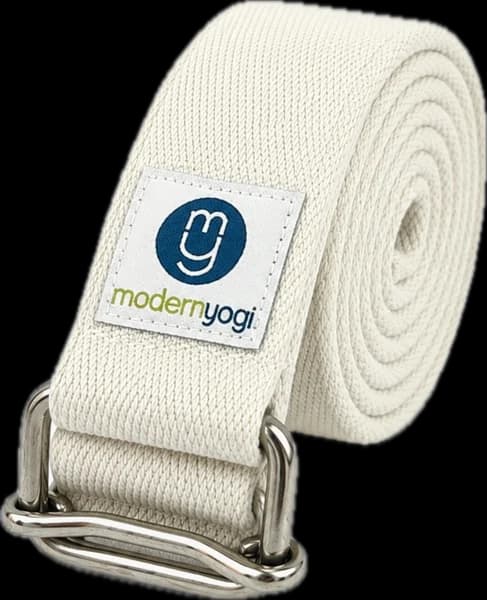
The strap coiled inside a block's basket, or hung on a hook.
Cushions
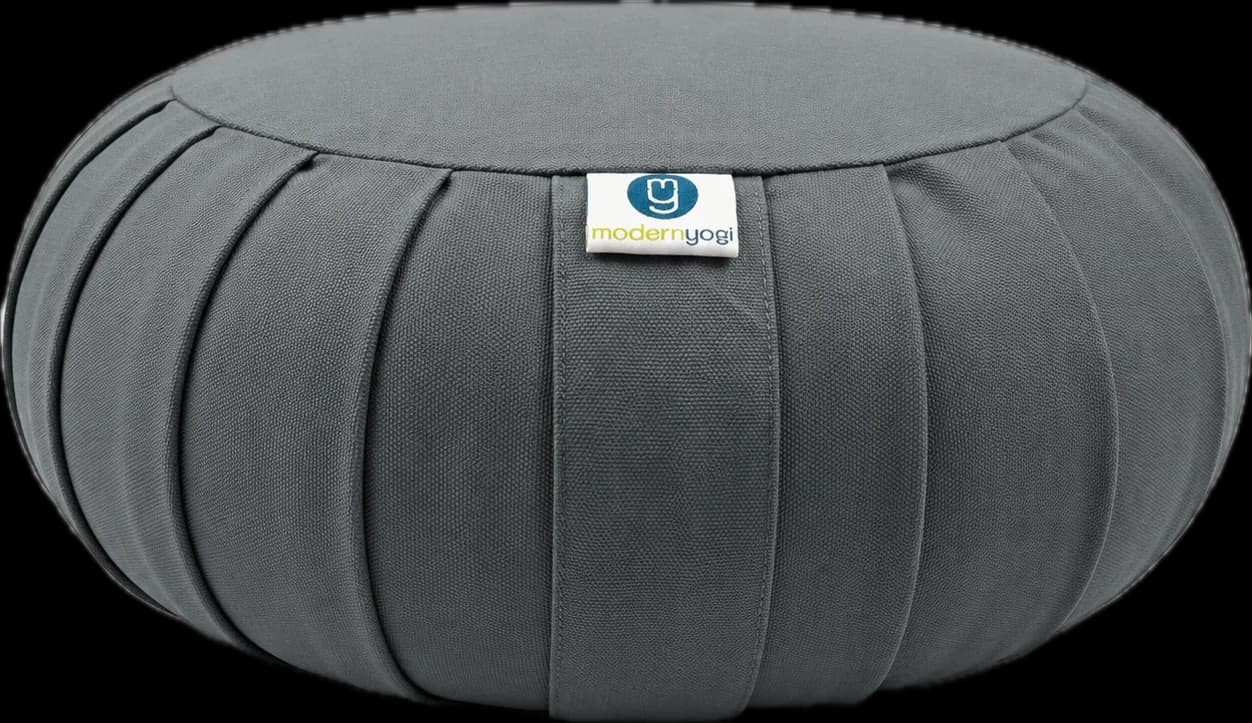
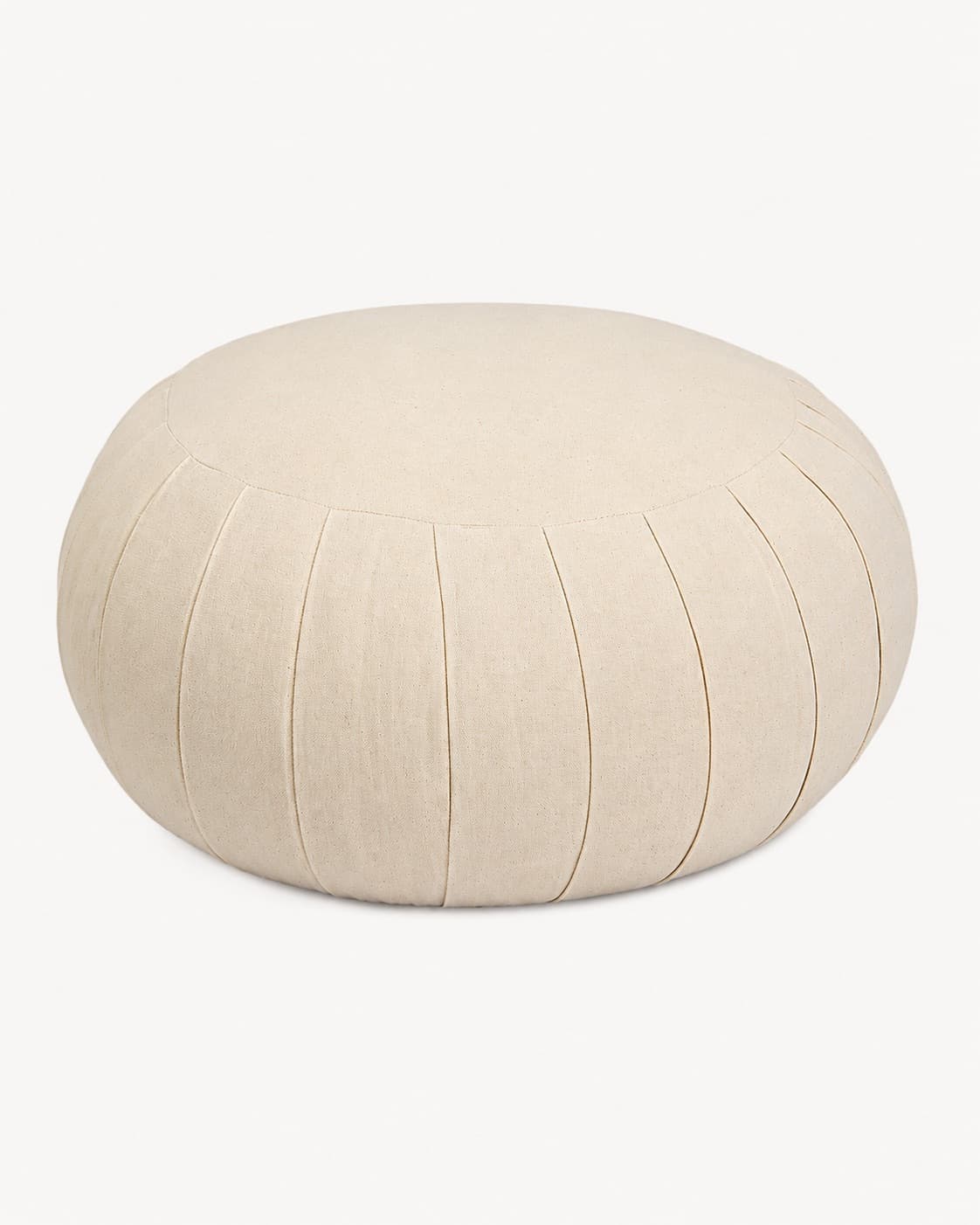
If you sit, the cushion should live where you sit.
As a floor cushion, permanently in place. A meditation cushion in a corner reads as a floor cushion and nothing else.
Stacked if you have two or three — they stack neatly and look intentional.
The eye pillow
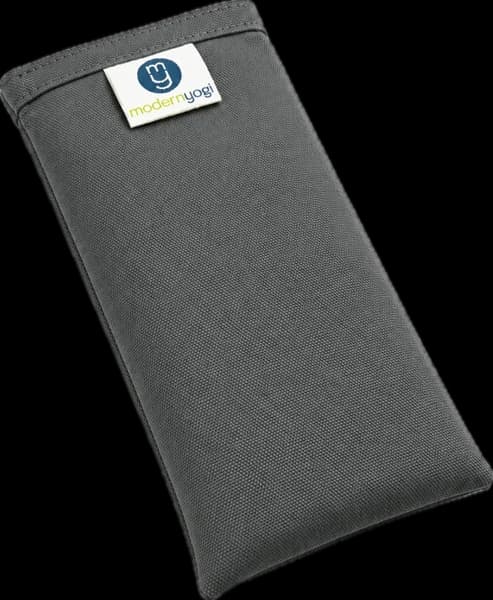
On top of the folded blankets. It is small and it disappears otherwise, and it is the prop most likely to be forgotten in a cupboard.
Two arrangements that work
The corner. One corner of a room, permanently: mat standing on end, basket with blocks and strap, two folded blankets stacked on top of a bolster standing beside the mat. Occupies about half a square metre and everything is reachable.
The distributed. Nothing is stored as yoga equipment. The bolster is a sofa cushion, the blankets are on the bed, the blocks are holding up a plant, the mat is behind the door, the strap is in a drawer. Takes thirty seconds longer to set up and looks like nothing.
The first is better if you have the corner. The second is better if you share the space with someone who does not practise.
Buying for a small home
Buy fewer things and buy the versatile ones. In order of usefulness per cubic centimetre:
- Two blankets. Fold flat, do a dozen jobs, look like blankets.
- A strap. Coils to nothing.
- Two blocks. Small, and they stack.
- A bolster. Bulky, and it does something nothing else does.
- An eye pillow. Tiny.
A cushion, only if you sit regularly — otherwise blankets folded to a seat will do.
Skip: a second mat, a wheel, a chair specifically for yoga, and anything with a single use.
What to do about a shared space
If the practice corner is also the living room, the constraint is not storage but the transition.
Reduce the setup to one motion. One object to move — a coffee table on castors, a chair to slide aside. Not three.
Keep the props on the practice side of the room so setting up does not involve crossing it.
Practise in the same spot every time. The routine of it makes the setup automatic, and automatic setups do not get skipped.