



NotesPractice
The Practice of Stopping
How to end a session properly. Three minutes of specific, describable procedure — not an invitation to lie there.
Sommaire
How to end a session properly. Three minutes of specific procedure, not an invitation to lie there.
Why the ending is a technique
Most people treat the end of a practice as an absence — the part where nothing happens. It is a distinct phase with a job, and doing it badly costs most of what the previous hour built.
Three things need to happen: the heart rate needs to come down progressively, the nervous system needs to change state, and the session needs a boundary so it does not simply dissolve into the rest of the day.
The three minutes, in order
Minute one: arrive
You have just come out of your last shape. Do not begin Savasana yet.
Sit or lie still and do nothing for thirty seconds. No procedure, no breath technique. Let the heart rate begin to fall on its own.
Then take three deliberate sighs: a full inhale through the nose, and an audible mouth exhale with the jaw loose. Each one drops something.
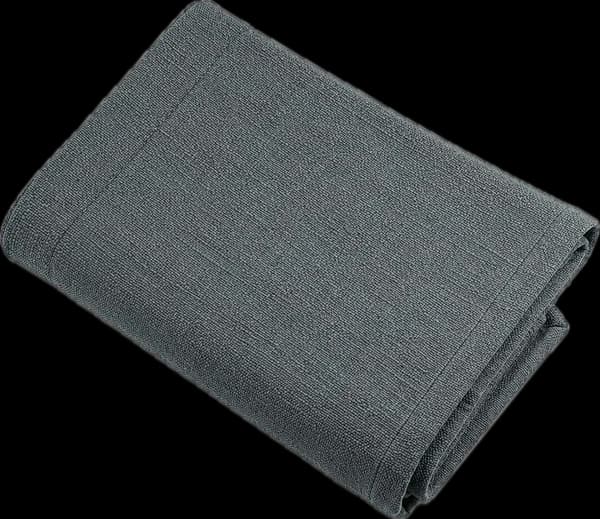
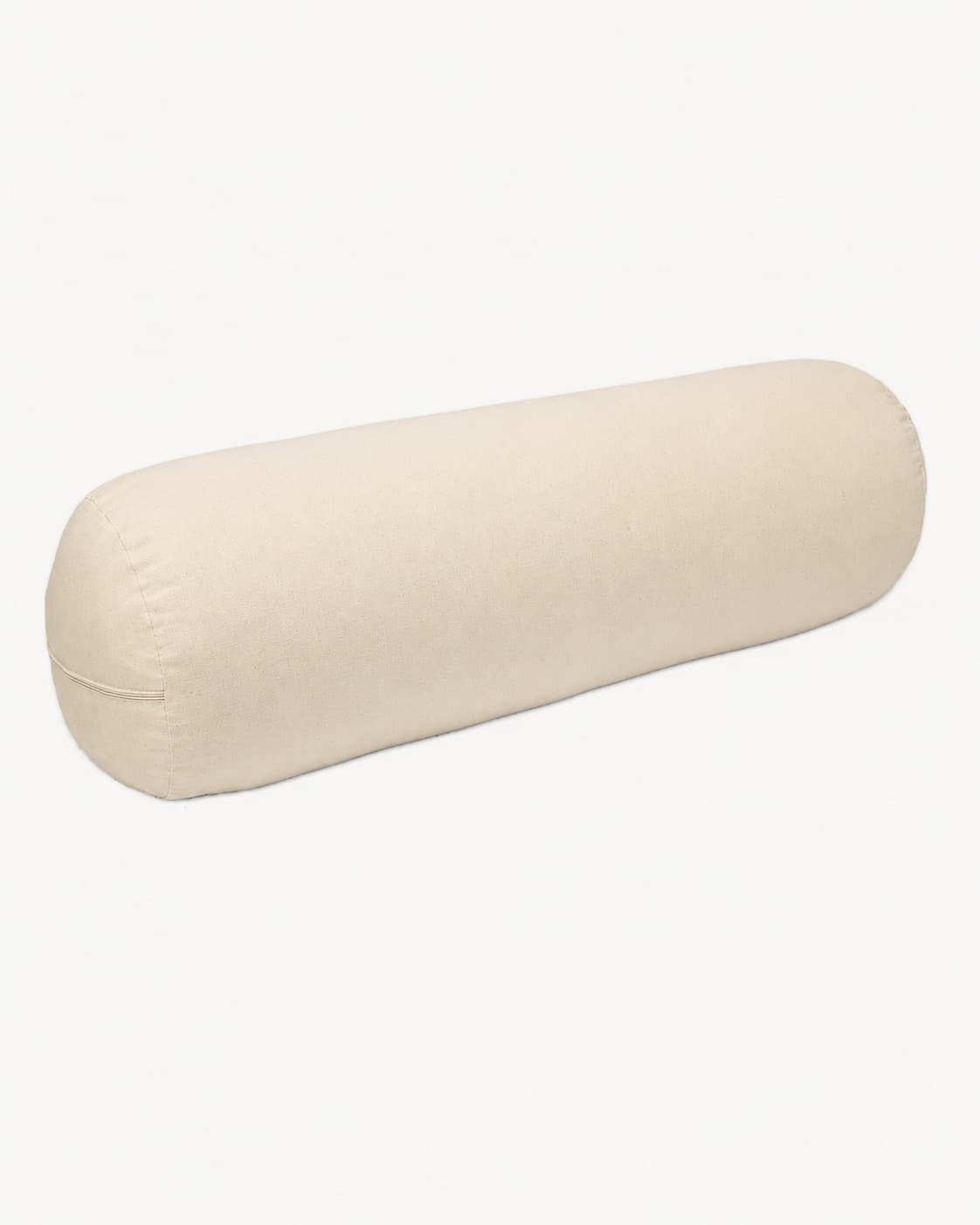
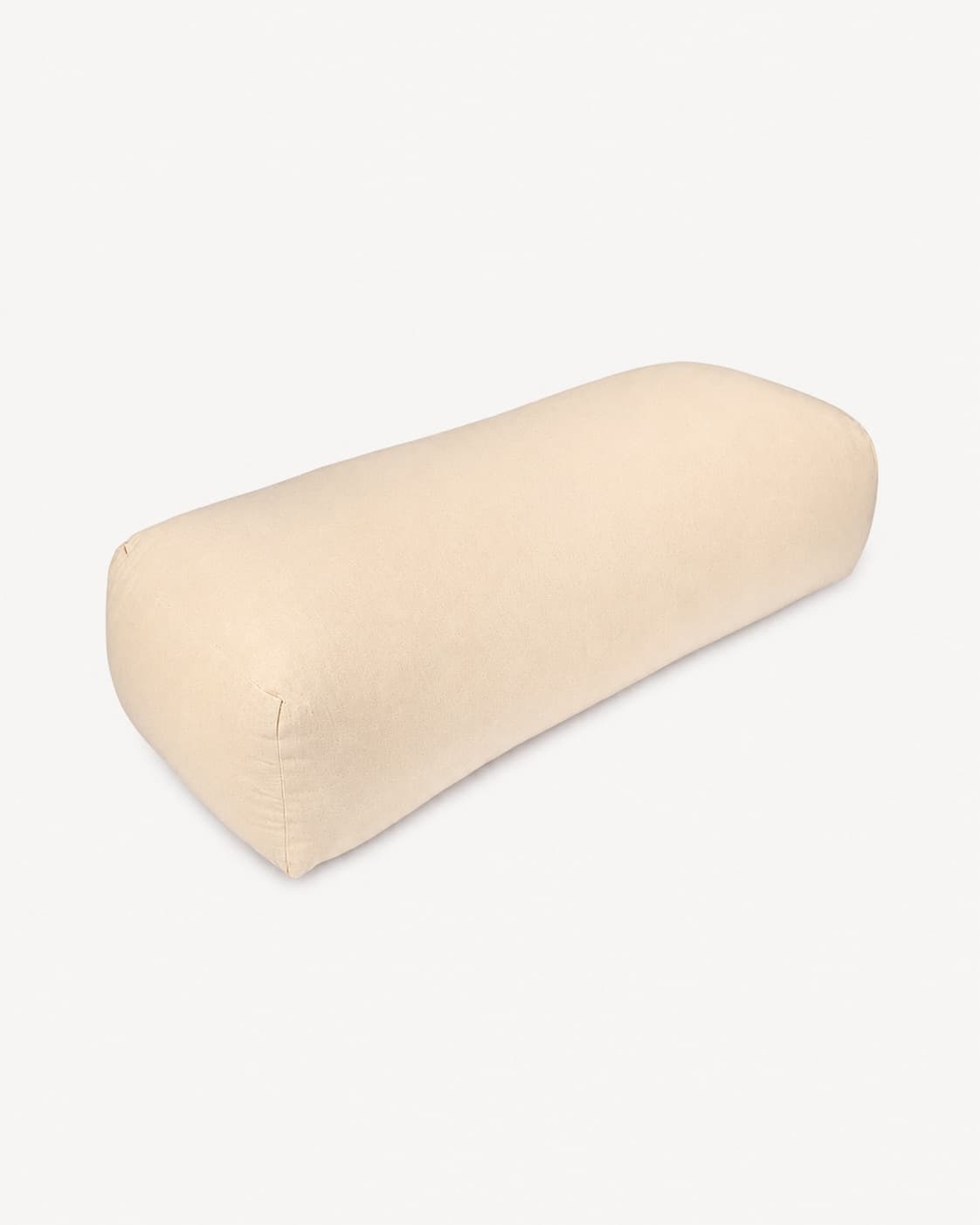
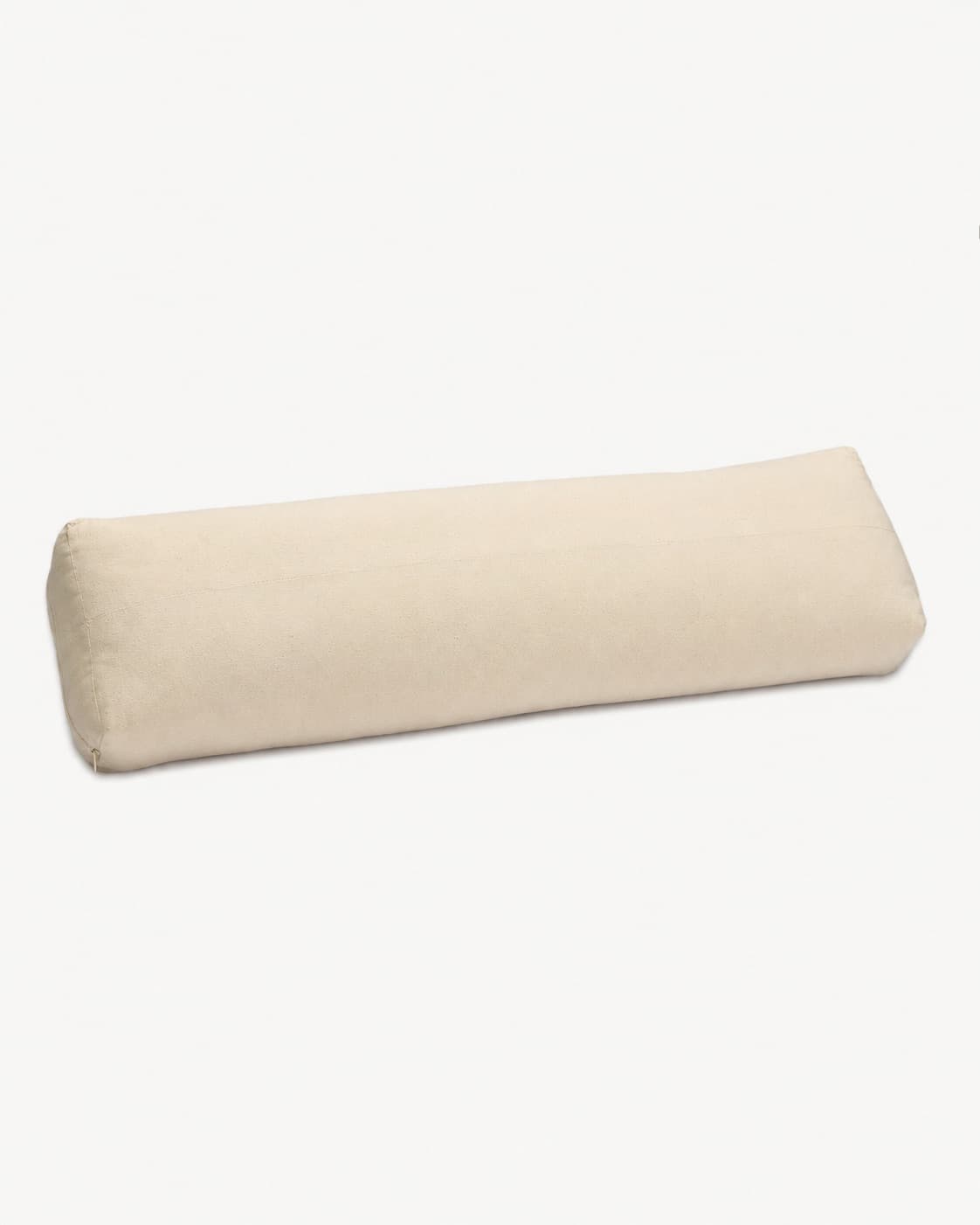
Then set up properly. Blanket under the head, roll under the knees, blanket over the body, something over the eyes. Take the twenty seconds this needs. A rushed setup produces ten minutes of discomfort.
Minute two: sweep
Move attention through the body in a fixed order, noticing what is holding and letting it go.
Feet. Calves. Thighs. Pelvis. Belly. Hands. Forearms. Upper arms. Shoulders. Throat. Jaw. Eyes. Forehead.
Two or three seconds each. Do not linger, do not analyse.
Do not skip the jaw and the forehead. They hold the most and are noticed least. Almost everyone finds something there.
Minute three: release the procedure
Let the exhale lengthen slightly, without effort, for several breaths.
Then stop. No sweep, no breath technique, nothing to attend to.
This is the difficult part and it is the actual pose. Everything before it was preparation for it.
Then: the rest of Savasana
Whatever time you have. Seven more minutes if you are doing ten.
Nothing to do. The mind will supply something; that is expected. It quietens somewhere around minute four if you let it, and it does not if you fight it.
Use a timer so you are not tracking time.
Coming out
The part that is rushed and which matters.
Small movements first. Fingers, toes.
A slow stretch, arms overhead.
Roll onto your right side. Stay for several breaths, knees drawn up.
Press up to sitting with your hand. Head comes last.
Sit for a moment before standing. Blood pressure regulation is slower after ten minutes of stillness and standing straight up will make you light-headed.
Do not sit up from flat with your abdominals. Particularly after backbends.
The last minute, which almost nobody does
Sit for sixty seconds at the end, upright, before doing anything else.
Not meditating. Not breathing in any particular way. Just sitting, briefly, at the end.
This is the boundary. It closes the session, and over months it turns the practice into a discrete thing with a beginning and an end rather than a period of the day that fades out. That distinctness matters more than it sounds — a practice that ends properly is one you return to more readily.
The rule about time
If you are short of time, cut a pose, not the end.
A forty-five-minute practice with a full ending is better than a fifty-five-minute practice that stops abruptly. This is not close.
The order of what to cut, when time is short:
- A standing pose.
- Another standing pose.
- The peak.
- The warm-up — but only by shortening it, never by removing it.
- Savasana, down to five minutes.
And no further. Five minutes and the coming-out procedure is the floor.
What not to do at the end
Check your phone within the first minute of standing up. It undoes the state immediately and completely. Give it five minutes.
Talk immediately. Same reason.
Stand straight up from lying down.
Follow a strong backbend with an immediate hard forward fold. Wait a minute, then something moderate.
Skip it because you feel fine. Feeling fine is not the measure; the state change takes eight to twelve minutes regardless of how you feel at minute two.
The one-line version
Three sighs, set up properly, sweep the body once, let the exhale lengthen, then stop doing anything at all — and when it is over, come up slowly and sit for a minute before the day resumes.