


NotesPractice
Restorative and Yin Are Not the Same
One removes load entirely, the other applies it for a long time. Confusing them is why people find both disappointing.
Sommaire
They look similar from outside — long holds, props, quiet room, floor. They are opposite practices, and confusing them is why people find both disappointing.
The distinction in one line
Restorative removes load. Yin applies load, for a long time.
Everything else follows from that.
Restorative
What is happening: the body is fully supported by props so that no muscle has to work. There is no stretch, no effort, and no target tissue.
What it is for: changing the state of the nervous system. Held long enough — five to twenty minutes — in warmth and full support, the body moves from a working state to a settling one. That is the entire objective.
Intensity: zero. If you can feel a stretch, you have propped it wrong.
How long: five to twenty minutes per shape. Three to six shapes in a session.
How it should feel: like nothing much. Slightly boring. If you fall asleep, that is not a failure.
Typical shapes: supported bridge, supported reclining bound angle, supported child's pose, legs up the wall, side-lying with a bolster, and a very long Savasana.
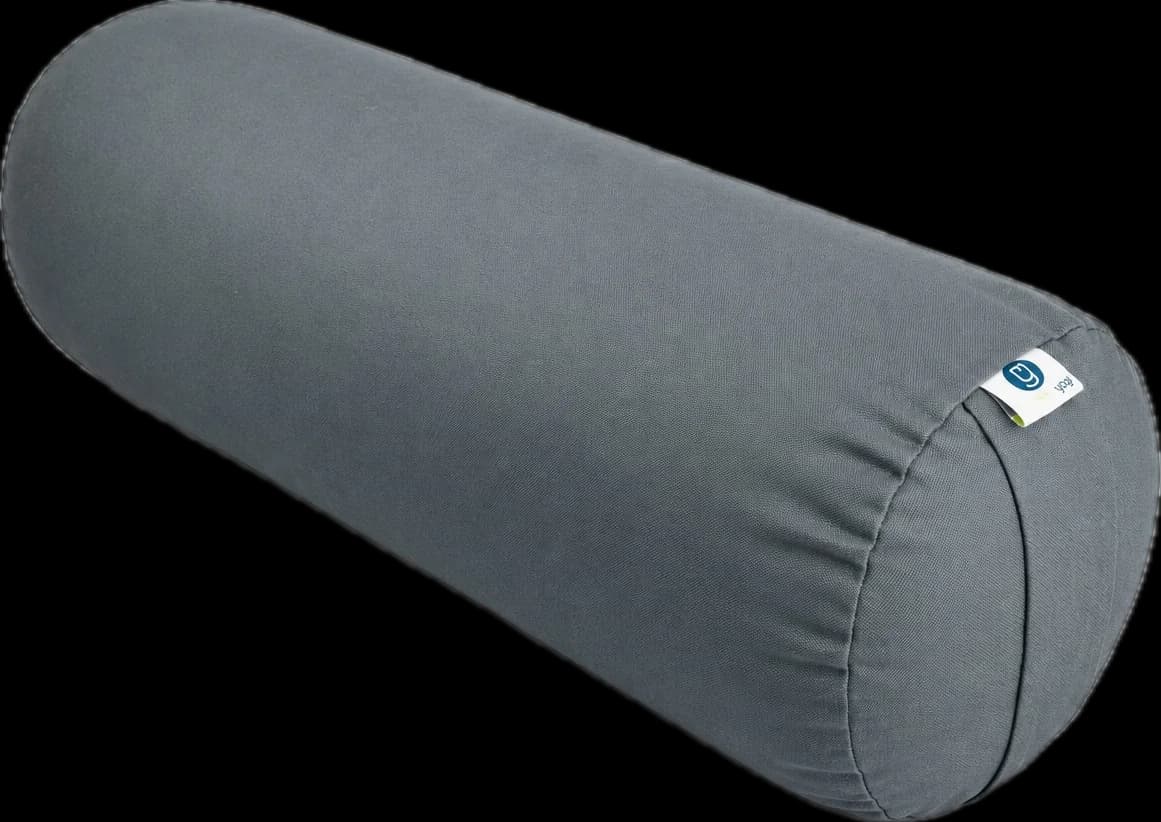
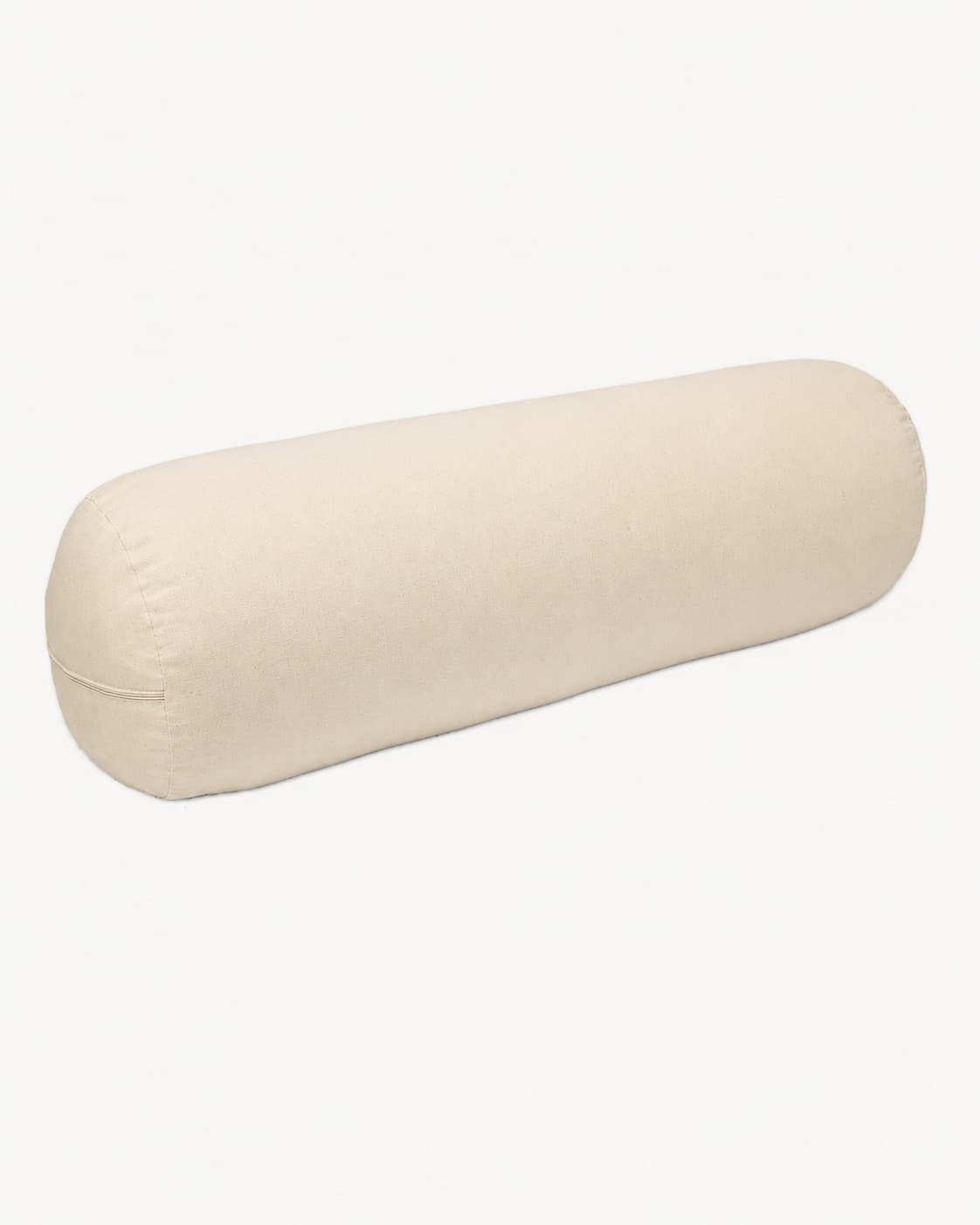
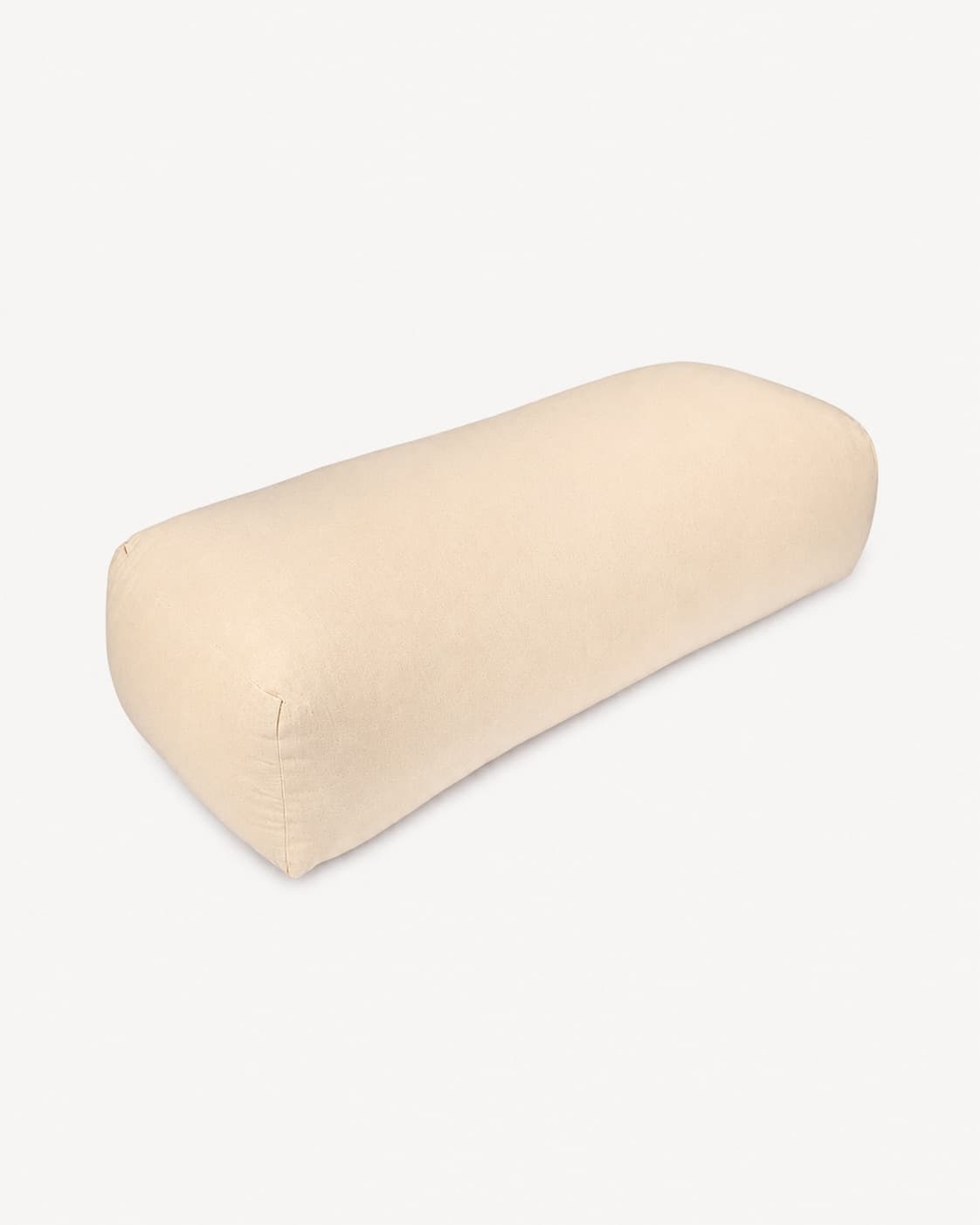
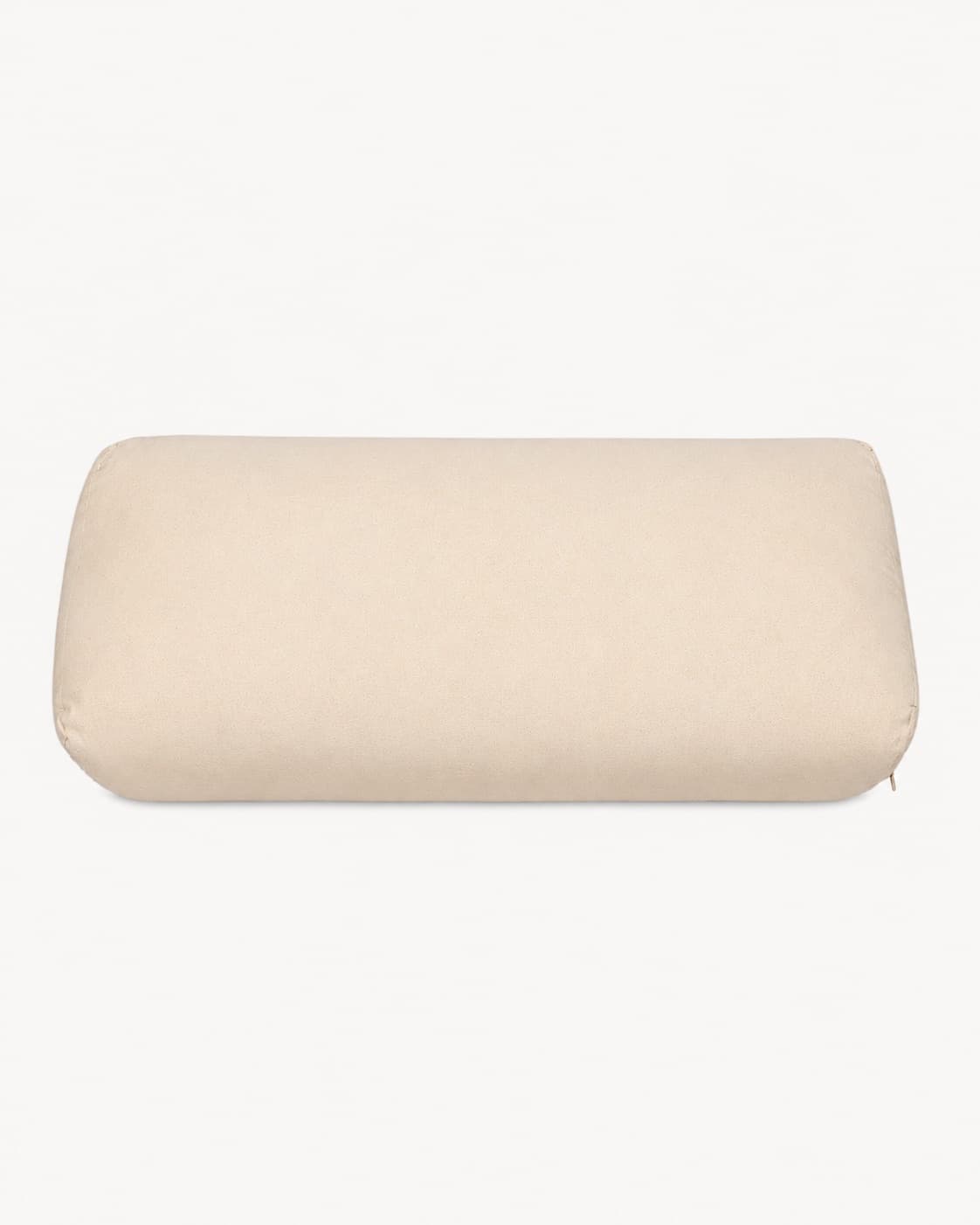
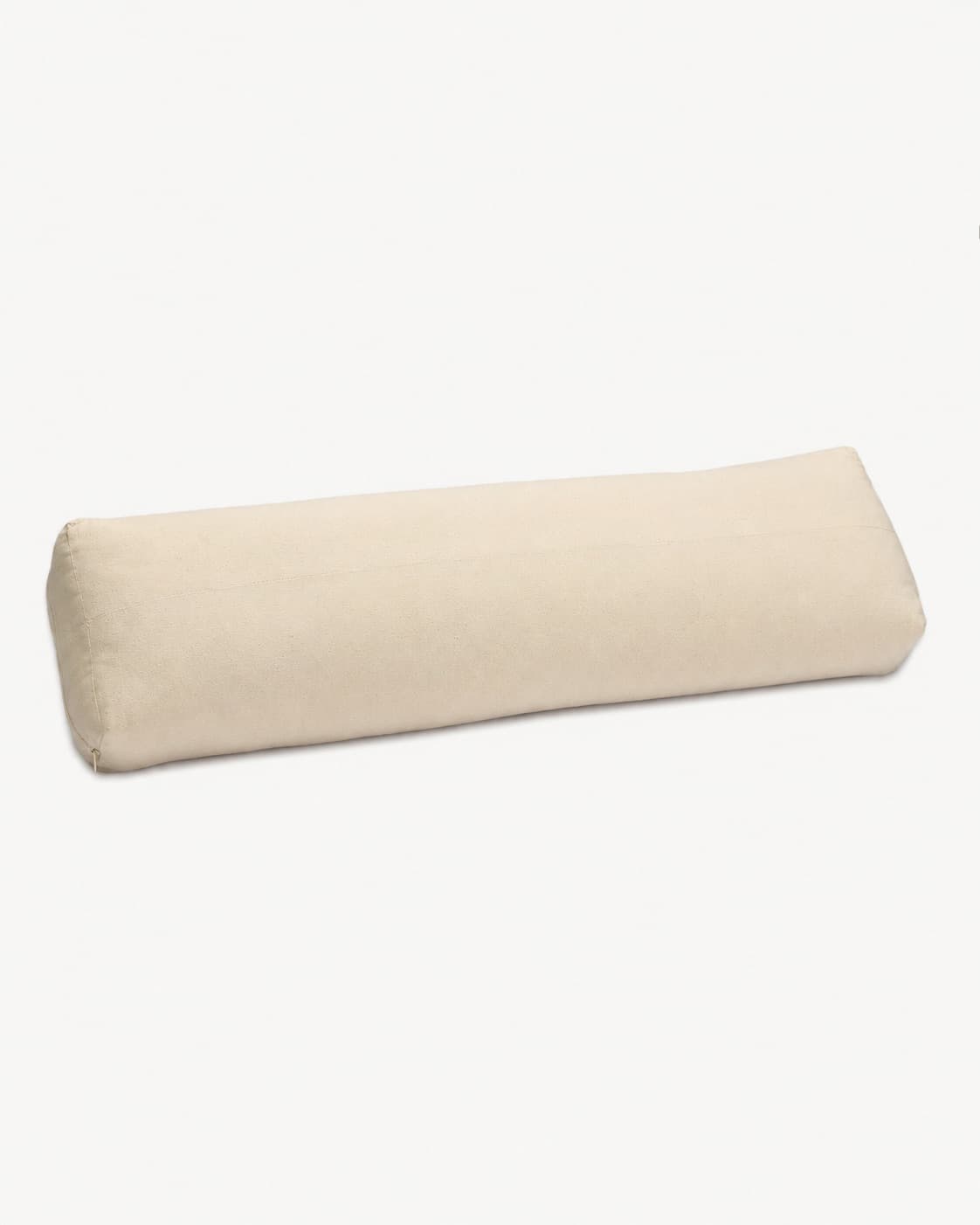
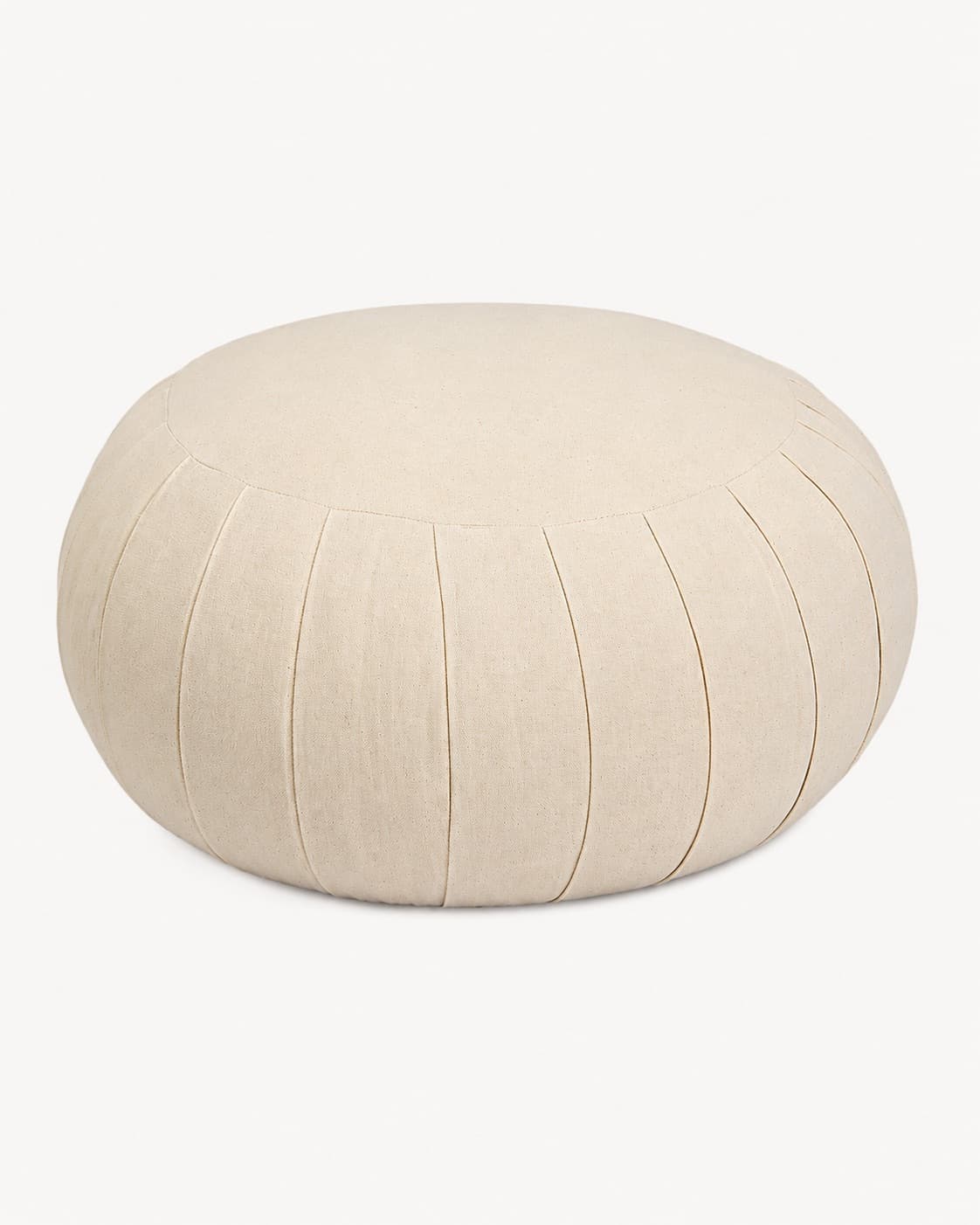
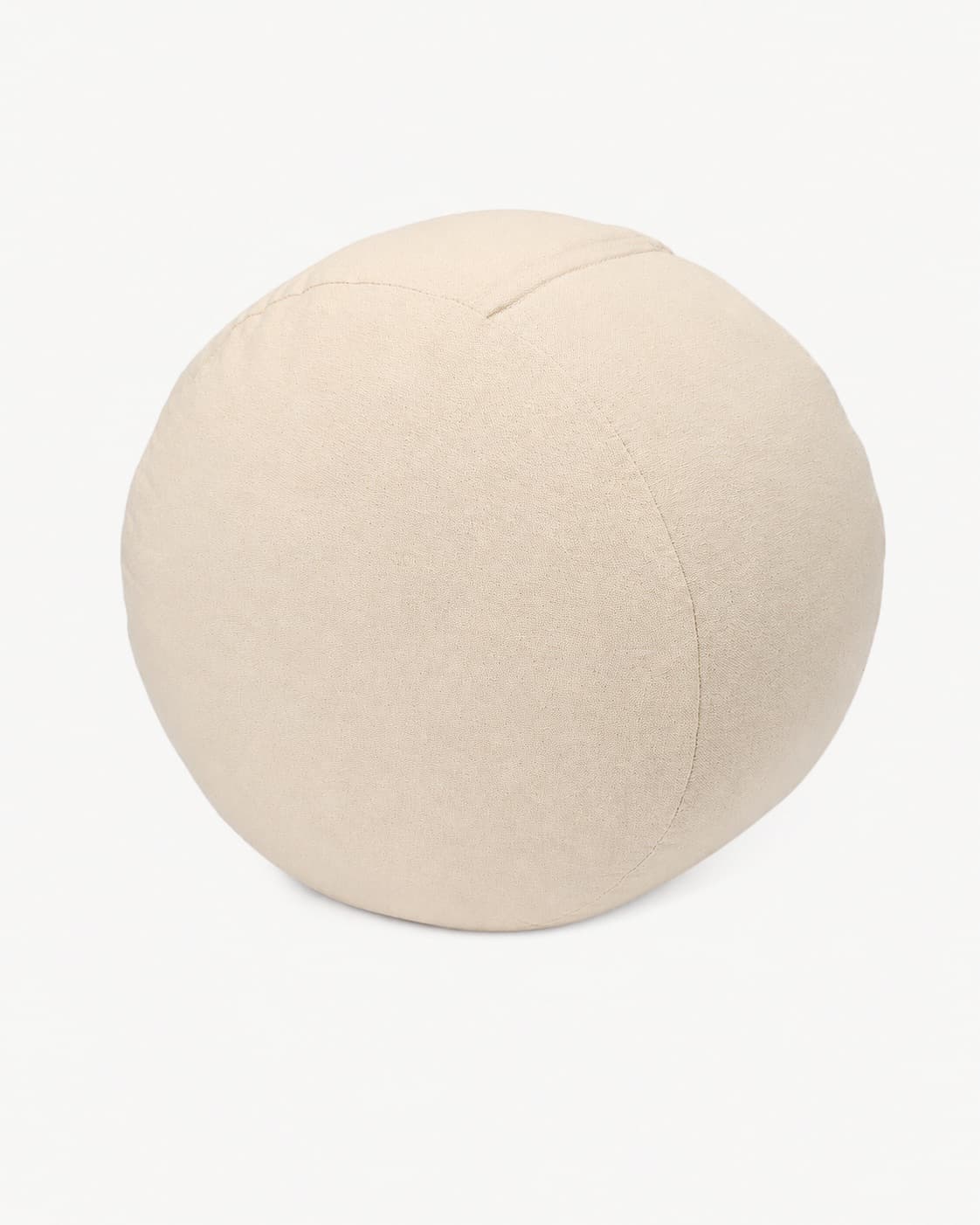
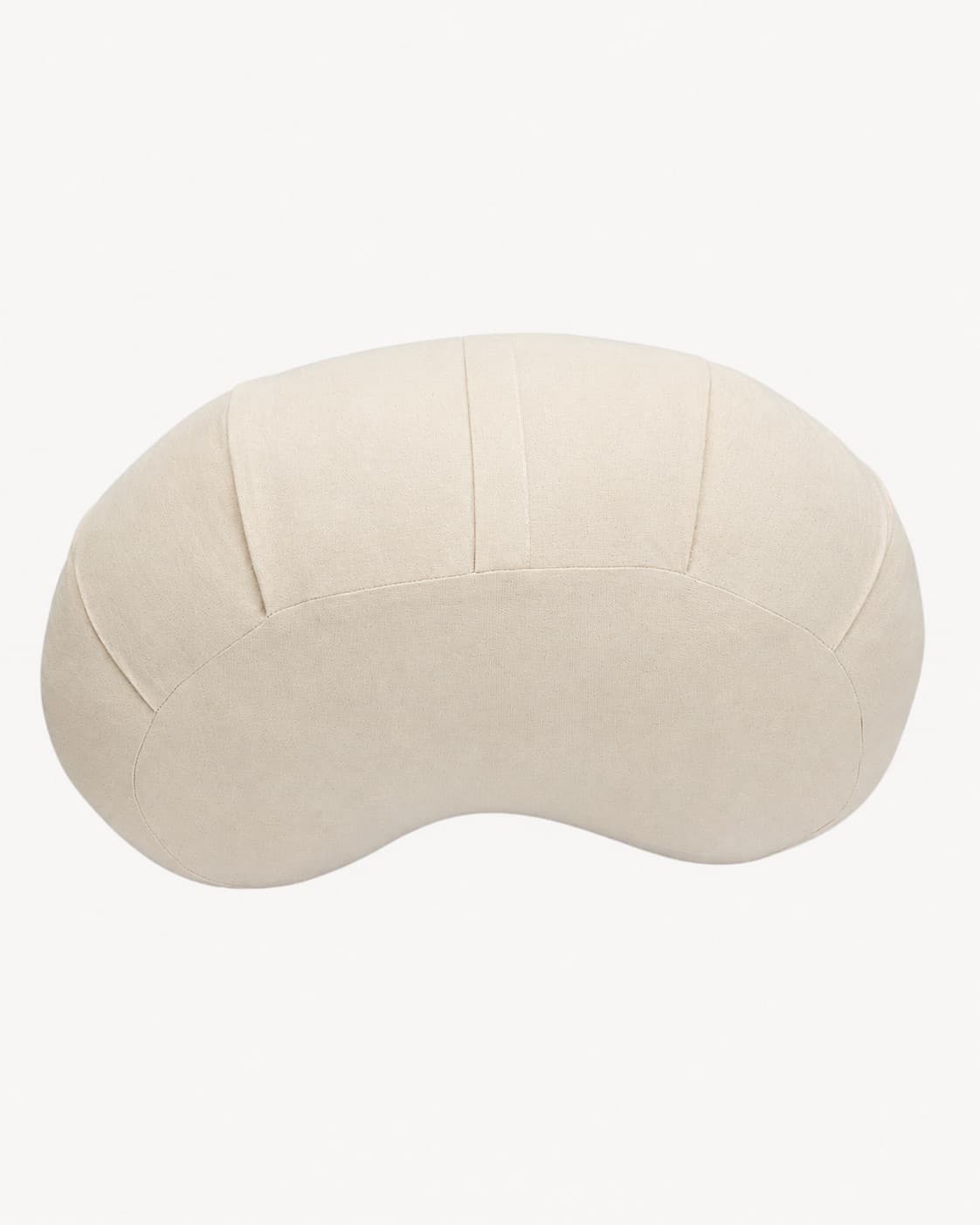
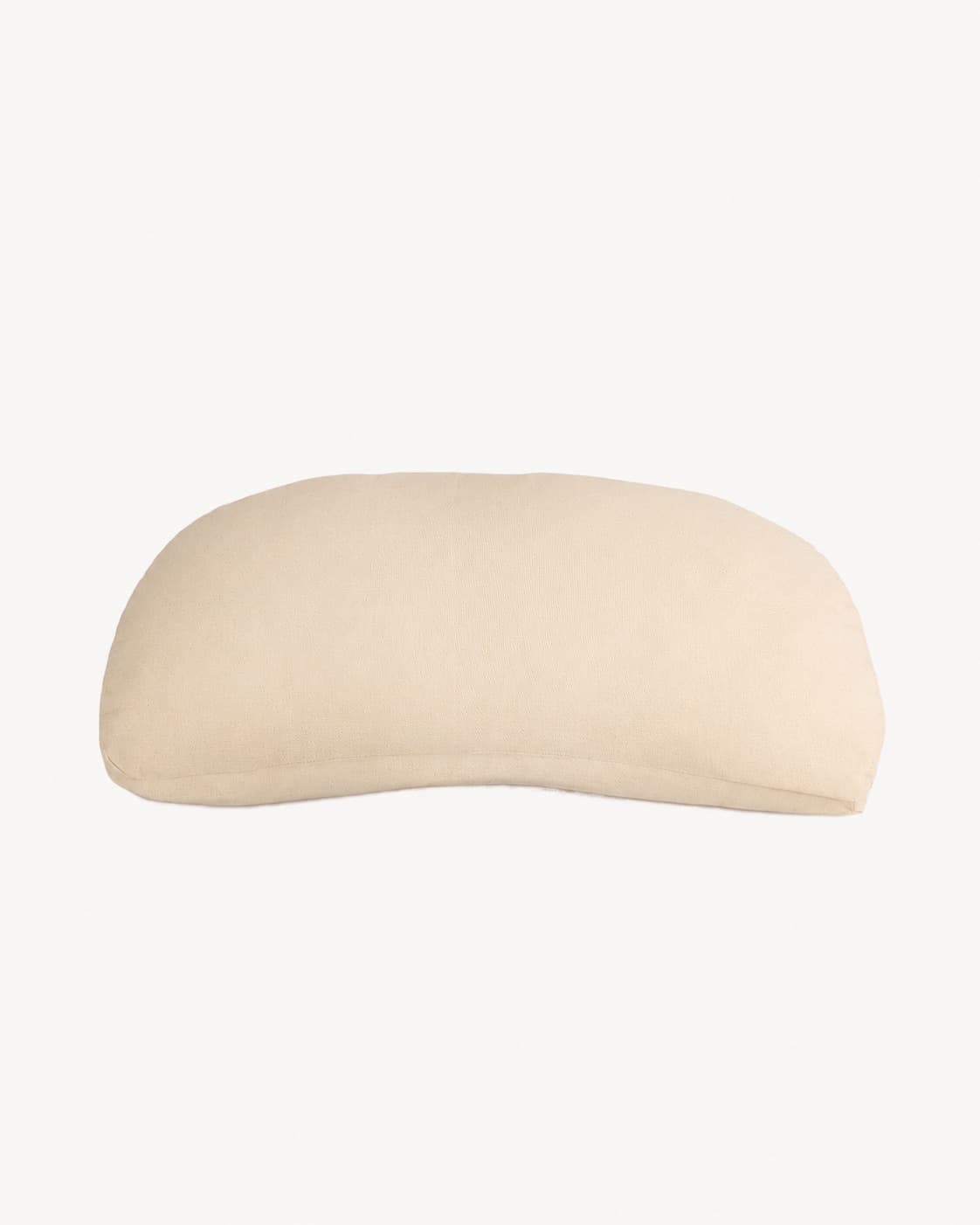
Props: a lot of them. Bolsters, blankets, blocks, eye pillow, a blanket over the body. A restorative setup takes two or three minutes to build and that is normal.
Warmth is essential. A cooling body will not release, and the whole practice depends on release. Blanket over you, always.
Yin
What is happening: a moderate stretch, held for three to five minutes or longer, with the muscles deliberately relaxed so the load transfers to the connective tissue — fascia, ligaments, joint capsules.
What it is for: changing the tissue. Connective tissue responds to sustained low load over time in a way it does not respond to short holds, and yin is built around that.
Intensity: moderate and sustained. Roughly four to five out of ten. Never sharp, never eight.
How long: three to five minutes per shape, sometimes longer. Five to eight shapes.
How it should feel: uncomfortable, in a dull, spreading way. Not sharp. Sensation typically increases for the first minute, plateaus, then often decreases around the third — that decrease is the point of the practice.
Typical shapes: butterfly, dragon, sphinx and seal, caterpillar, shoelace, saddle. Mostly floor-based, mostly targeting the hips, spine and shoulders.
Props: used to reach the shape and hold it comfortably, not to remove load. A bolster under the chest in butterfly, a blanket under the knee in dragon.
Why confusing them is a problem
Doing yin expecting restorative: you arrive tired, expecting to be soothed, and instead you spend forty minutes in mild sustained discomfort. It is a hard practice mentally, and it is not a rest.
Doing restorative expecting yin: you spend fifty minutes fully propped feeling nothing at all, and conclude the practice is pointless because nothing stretched.
Propping yin like restorative: you support the shape so thoroughly that no load reaches the tissue, and nothing changes.
Propping restorative like yin: you leave the body slightly unsupported, muscles stay engaged, and the state change never happens.
Which to do, and when
Restorative: when you are depleted, ill, sleeping badly, under sustained stress, recovering from hard training, or at the end of a demanding week. When the honest problem is that your system is over-worked.
Yin: when you want to change your range of motion, when you feel stiff rather than tired, and as a counter to strength-heavy training. Not when you are already exhausted — yin requires the ability to stay with discomfort, and depleted people do not have it.
Best time for yin is when you are warm, so evening or after other activity. Restorative works at any hour, and is particularly good at the end of the day.
The rules for yin, since it is the riskier of the two
Find your edge at about a four out of ten, not a seven. A five-minute hold at a seven is how people irritate a joint.
Resolve to be still. The stillness is part of the mechanism; adjusting every thirty seconds means the tissue never settles into a sustained load.
Come out slowly. Tissue held for five minutes is temporarily less resilient. Come out over several seconds and rest before the next shape.
Do not do yin on a joint that is unstable or recently injured. Sustained load on lax tissue makes it laxer.
Hypermobile people should be careful with yin generally. If you already have too much range and too little control, extended passive stretching is the wrong direction. Strength work first.
Doing both
They combine well in one session, in this order: yin first, restorative second, Savasana last.
Forty minutes of yin, ten minutes of restorative, ten minutes of Savasana is a complete, excellent evening practice, and it addresses two different things properly rather than one thing badly.