


NotesVie
What to Do About a Sore Lower Back
The general shape of the problem, the three categories it usually falls into, and the poses that make each one worse.
Sommaire
The general shape of the problem, the three categories it usually falls into, and which poses make each one worse.
This is not a diagnosis and it is not treatment. Back pain has many causes and some of them need a clinician. What follows is a framework for thinking about the ordinary, mechanical, non-specific kind, plus a clear list of when to stop reading this and go and see someone.
First: when this does not apply
Stop and get assessed if you have any of these.
- Pain radiating down a leg, particularly below the knee, or with numbness, pins and needles, or weakness in the leg or foot.
- Any change in bladder or bowel function, or numbness around the groin and inner thighs. This is an emergency — go to hospital.
- Pain following a significant fall or accident.
- Pain at night that wakes you, or that is unrelieved by any position.
- Unexplained weight loss, fever, or a history of cancer alongside new back pain.
- Pain that is progressively worsening over weeks.
Anything on that list is a medical question. Everything below assumes none of them apply.
Category one: flexion-sensitive
How it presents: worse with sitting, worse with bending forward, worse first thing in the morning, worse after a car journey. Better standing and walking.
What tends to make it worse: seated forward folds, standing forward folds with a rounded back, deep twists from a rounded position, plough, and anything that loads the spine in flexion — especially cold, and especially in the morning.
What tends to help: extension. Sphinx. Standing up straight. Gentle backbends. Walking.
In practice: bend the knees generously in every forward fold, sit high on a blanket for seated work, do folds supine with the floor supporting the spine, and put the forward folding late in the session rather than early.
Category two: extension-sensitive
How it presents: worse with standing for a long time, worse with walking, worse with backbends, worse lying on the front. Better sitting, better bending forward, better with the knees drawn up.
What tends to make it worse: Camel, Wheel, Cobra, Upward Dog, Locust, standing for long periods, arms-overhead poses done with the ribs flaring.
What tends to help: gentle flexion. Child's pose. Knees to chest. Supine positions with the knees bent.
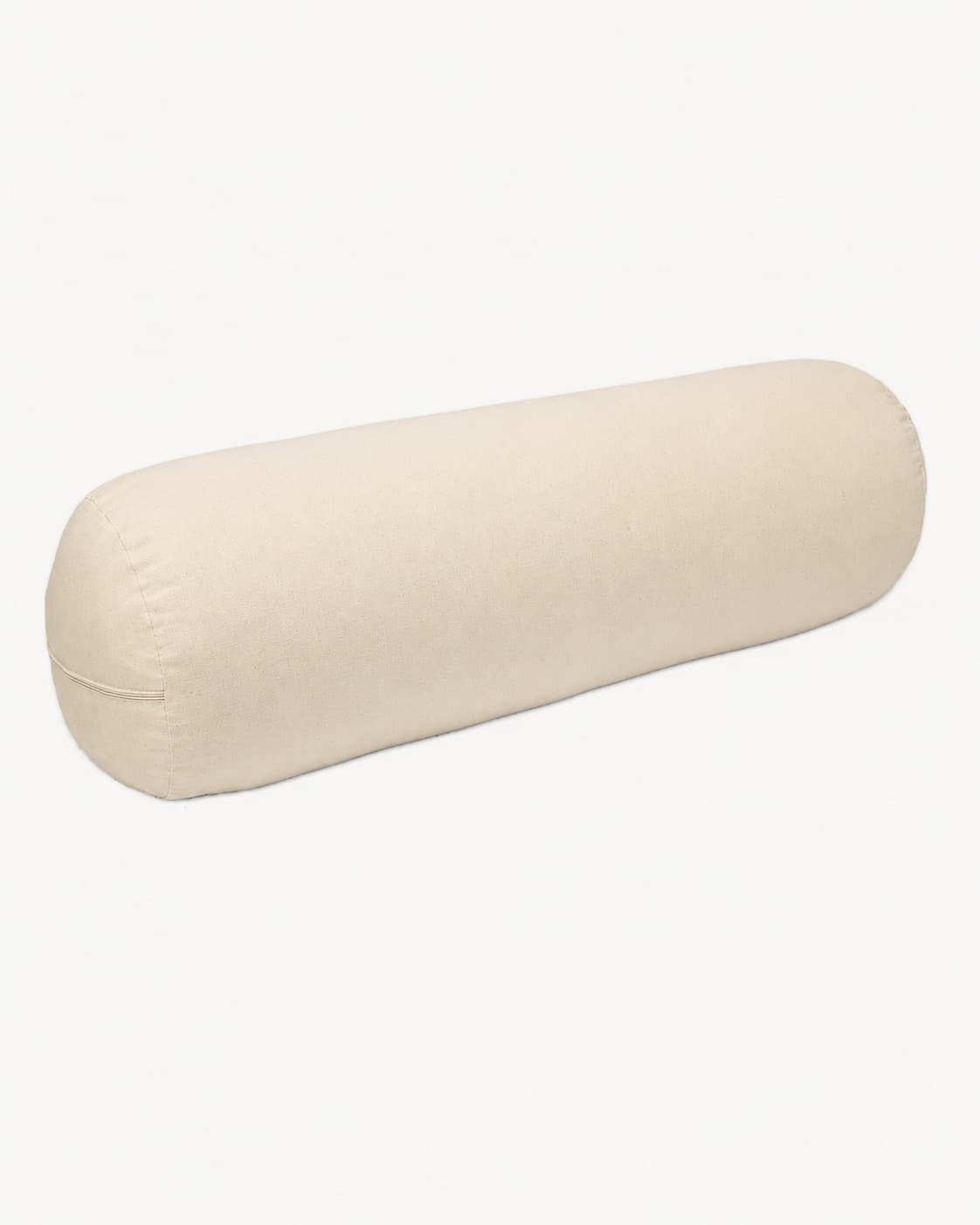
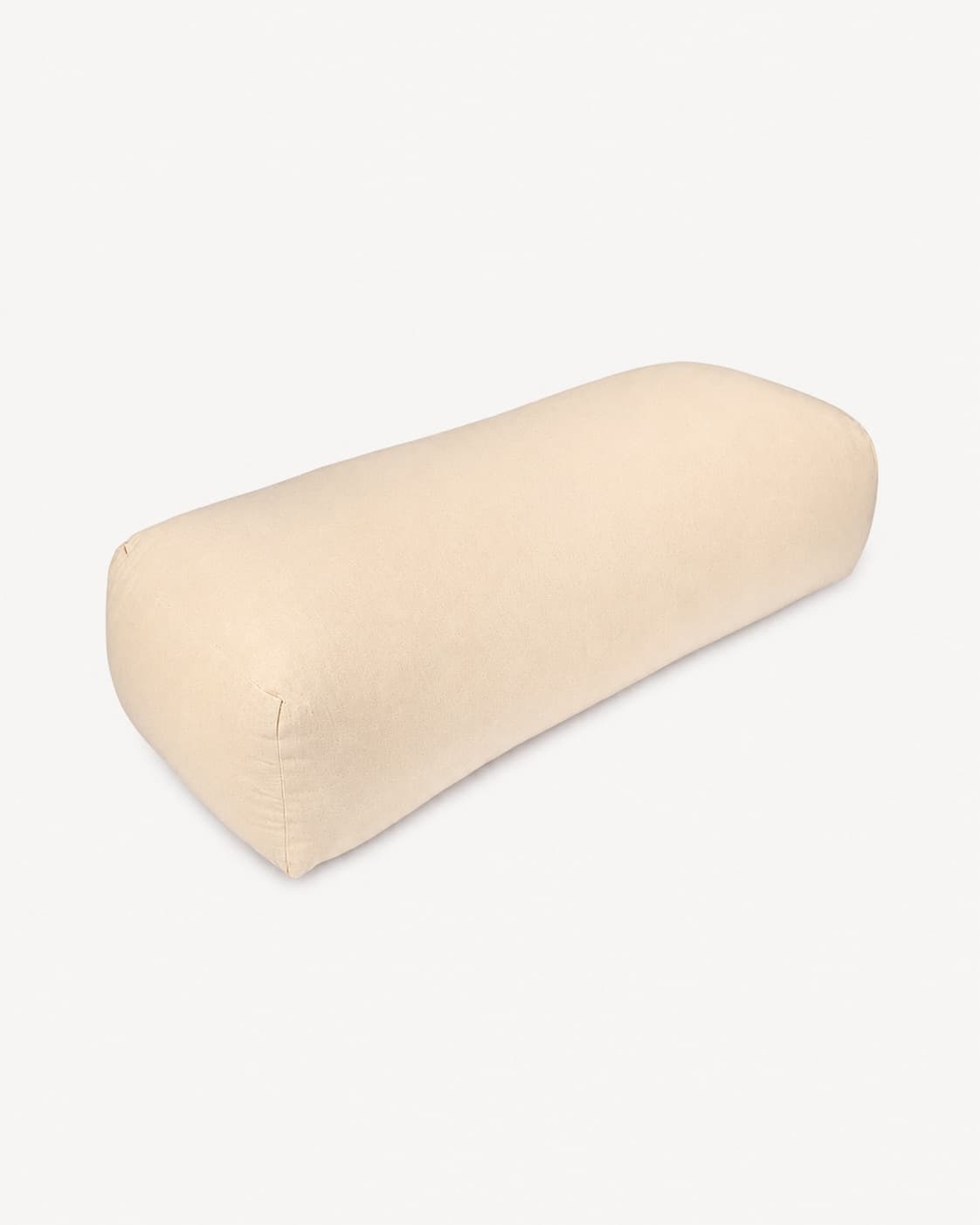
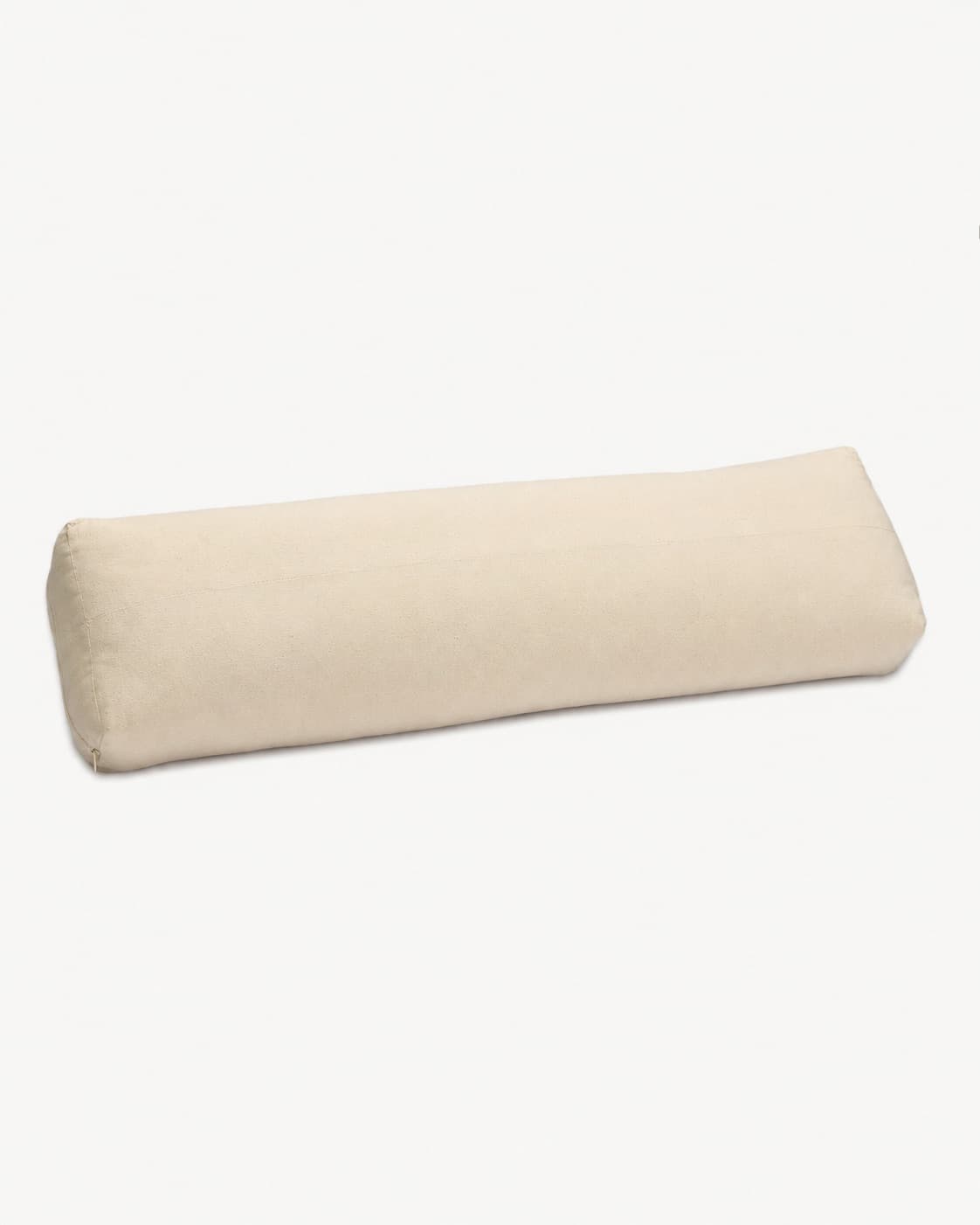
In practice: reduce or remove backbends for a while, draw the lower front ribs down in every arms-overhead pose, and use a roll under the knees whenever you are supine.
Category three: it is not the back
Very common, and it is the one most often missed.
Weak glutes. If the glutes are not doing their job, the lower back muscles take over the work of hip extension. They are smaller and they fatigue, and they ache. This is the classic desk-worker pattern.
Short hip flexors. Held short by sitting, they pull the front of the pelvis down and tip it forward, which arches the lower back permanently.
A stiff mid-back. If the thoracic spine will not extend or rotate, the lumbar spine does it instead, and it is not built for rotation.
Stiff hips. Restricted hip movement means the lower back makes up the difference in every forward fold and every twist.
How to tell: the ache is a general soreness rather than a specific point; it is worse at the end of the day; it improves with movement and returns with stillness; and stretching the back gives an hour of relief and no more.
What helps: not stretching the back. Glute strengthening — side-lying leg raises, bridges, single-leg work. Hip flexor lengthening — low lunges with the pelvis tucked. Thoracic extension over a rolled blanket. Hip mobility work.
This category responds to strength and to addressing the neighbouring joints, and it does not respond to more back stretching. If you have been stretching your back for a year with no lasting change, this is probably you.
The general safe practice
Whatever the category, these are broadly well tolerated:
- Supine work with the knees bent and a roll under them.
- Legs up the wall.
- Supine figure-four, for the hips.
- Bridges, which strengthen the glutes and are usually comfortable.
- Cat-cow, gently, through a small range.
- Side-lying leg raises.
- Walking, which is genuinely one of the more effective things for ordinary back pain.
- Breath work, seated or lying.
And these are broadly worth avoiding while it is sore, whatever the category:
- Deep loaded twists, especially with a lever arm.
- Any forward fold with a rounded spine under load.
- Deep backbends.
- Plough and unsupported shoulderstand.
- Anything with a sudden or jerky movement.
Two things worth knowing
Movement beats rest. The evidence on ordinary mechanical back pain is consistent: staying active, within tolerance, produces better outcomes than resting. Complete rest for more than a day or two makes things worse.
Hurt does not equal harm. For ordinary back pain, some discomfort during movement is expected and is not a sign that damage is occurring. The rule is: it should not be worse the next day. If it is, do less. If it is not, that level was fine.
The one-week plan
If your back is sore and none of the red flags apply:
Days 1–2: walk, gentle cat-cow, knees to chest, legs up the wall, breath work. Nothing loaded.
Days 3–5: add bridges, side-lying leg raises, the supine figure-four, and a gentle low lunge. Keep walking.
Days 6–7: add standing poses at moderate depth. Warrior II, Triangle with a tall block. Keep the folds shallow and the knees bent.
After that: rebuild gradually, and address the underlying pattern — usually glutes and hip flexors.
If it has not improved in two to three weeks, or if it recurs regularly, see a physiotherapist. Recurring back pain usually has a specific pattern behind it, and finding it takes an assessment rather than a general programme.